📸 오늘의 천체: s2019s25 🌙 오늘의 주제: 위성
https://space.woojinkim.org 🛸 여기로 비행 → https://space.woojinkim.org/play?goto=s2019s25 #우주 #SPACE #천체사진
ALT text
s2019s25를 우주 공간에서 바라본 SPACE 시뮬레이션 천체 사진.
Hashtag
218 posts tagged with this hashtag.
📸 오늘의 천체: s2019s25 🌙 오늘의 주제: 위성
https://space.woojinkim.org 🛸 여기로 비행 → https://space.woojinkim.org/play?goto=s2019s25 #우주 #SPACE #천체사진
s2019s25를 우주 공간에서 바라본 SPACE 시뮬레이션 천체 사진.
📸 오늘의 천체: 엔셀라두스 🪐 오늘의 주제: 행성
https://space.woojinkim.org 🛸 여기로 비행 → https://space.woojinkim.org/play?goto=enceladus #우주 #SPACE #천체사진
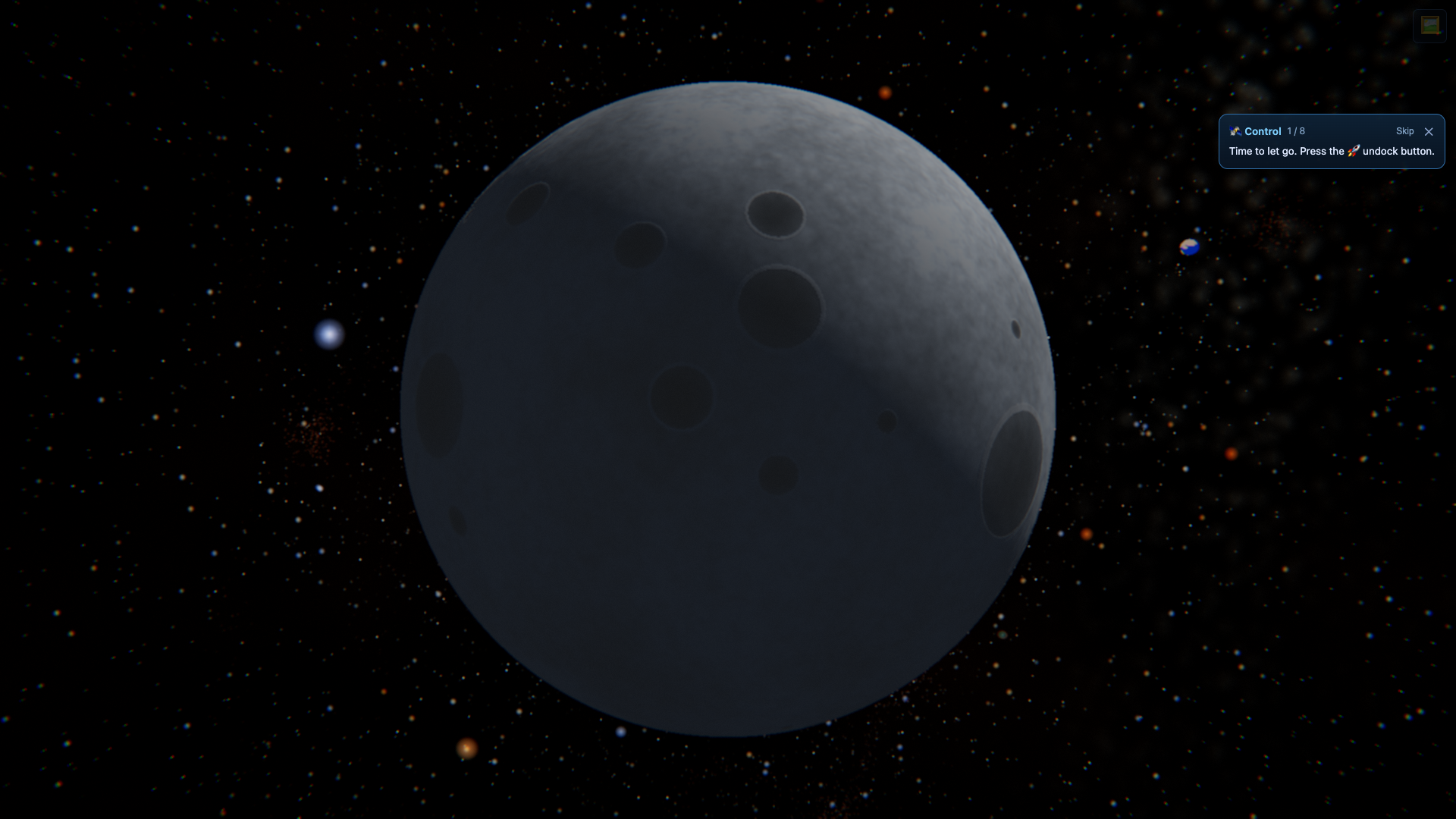
엔셀라두스를 우주 공간에서 바라본 SPACE 시뮬레이션 천체 사진.
📸 오늘의 천체: Ross 154 c 🌠 오늘의 주제: 은하·성단
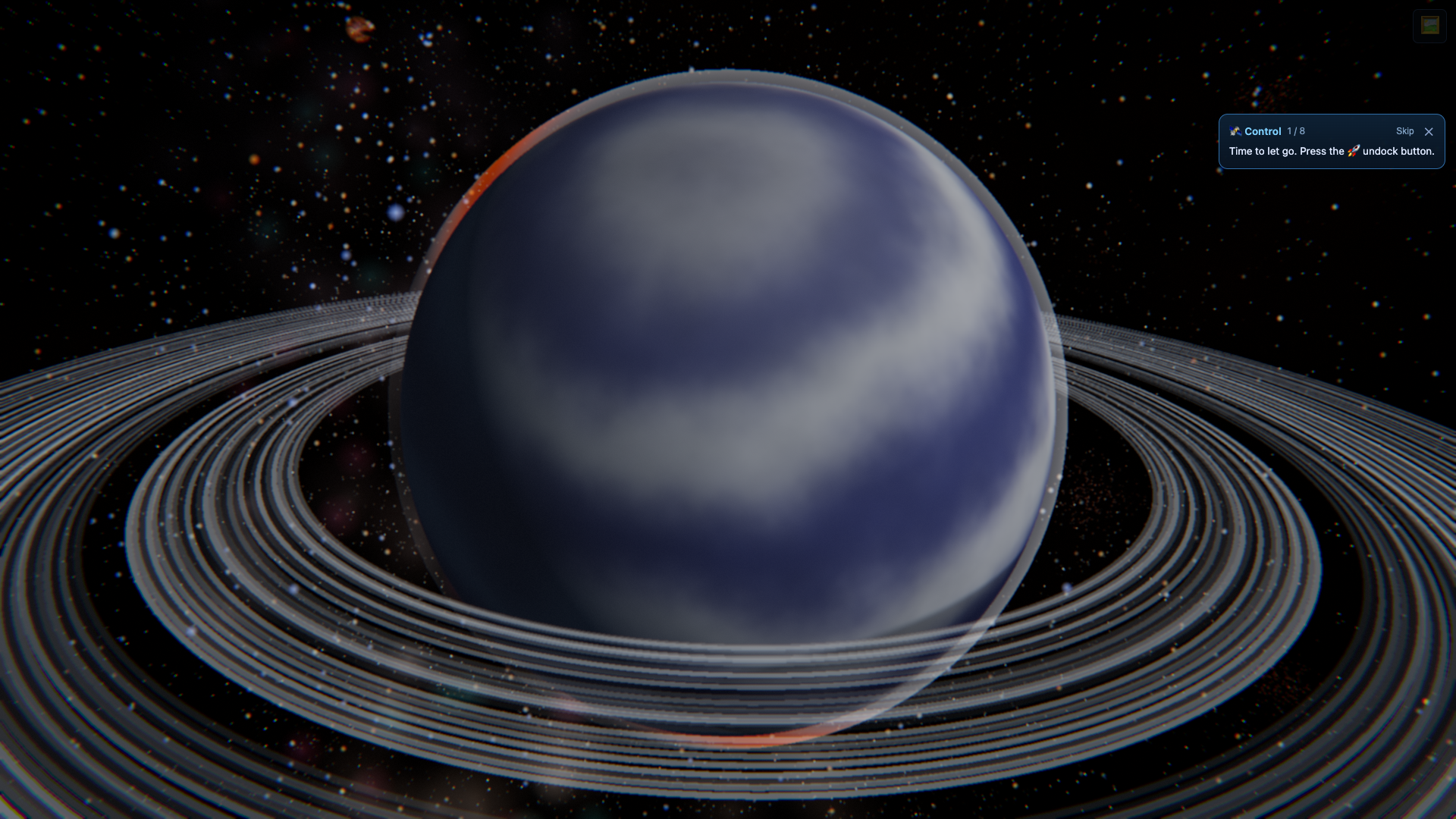
Ross 154 c를 우주 공간에서 바라본 SPACE 시뮬레이션 천체 사진.
📸 오늘의 천체: 담배 은하(M82) 🌠 오늘의 주제: 은하·성단
담배 은하(M82)를 우주 공간에서 바라본 SPACE 시뮬레이션 천체 사진.
📸 오늘의 천체: 고양이눈 성운(NGC 6543) 🌌 오늘의 주제: 성운
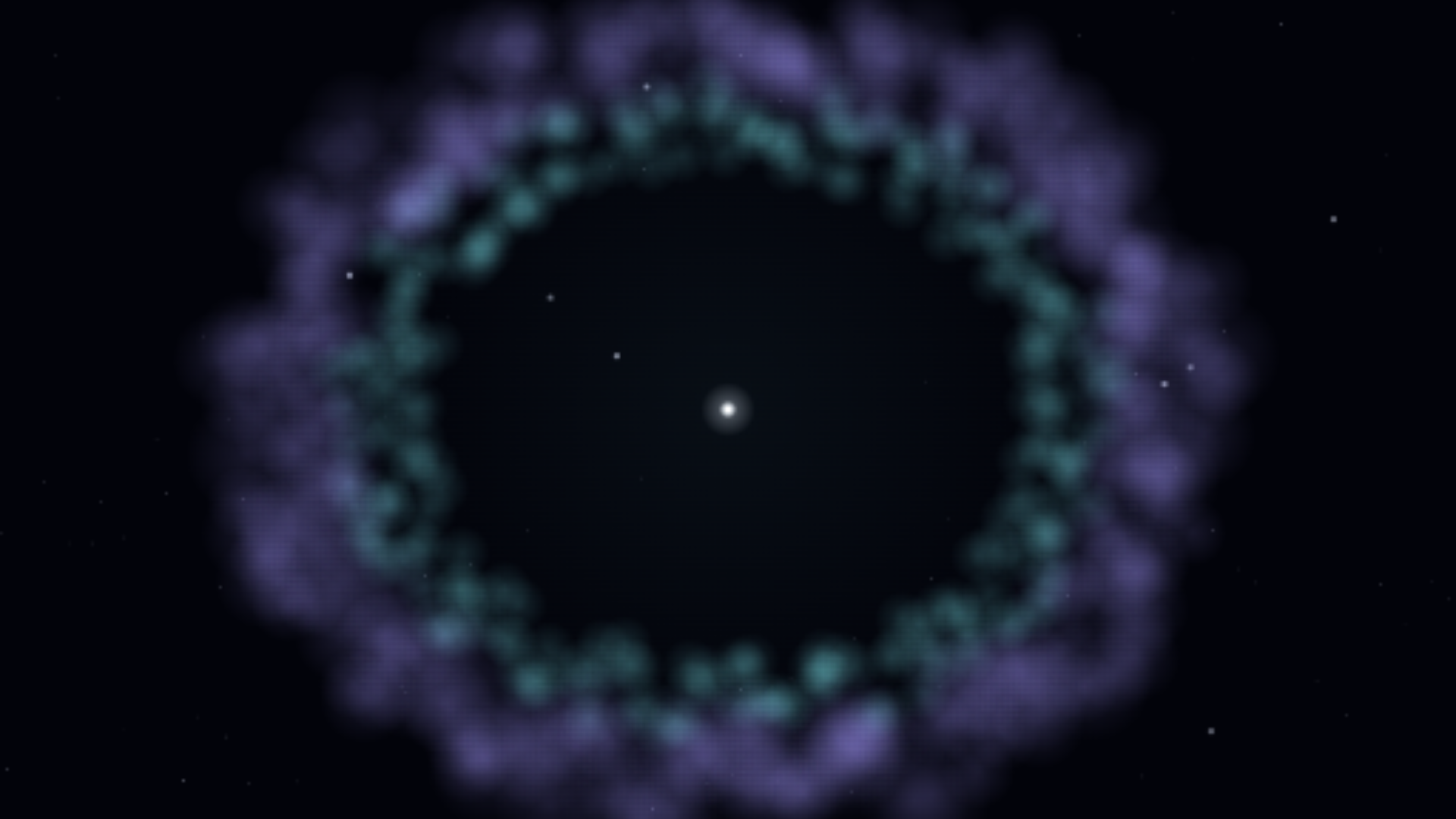
고양이눈 성운(NGC 6543)를 우주 공간에서 바라본 SPACE 시뮬레이션 천체 사진.
📸 오늘의 천체: 고양이눈 성운(NGC 6543) 🌌 오늘의 주제: 성운
고양이눈 성운(NGC 6543)를 우주 공간에서 바라본 SPACE 시뮬레이션 천체 사진.
📸 오늘의 천체: 게 성운(M1) 🌌 오늘의 주제: 성운
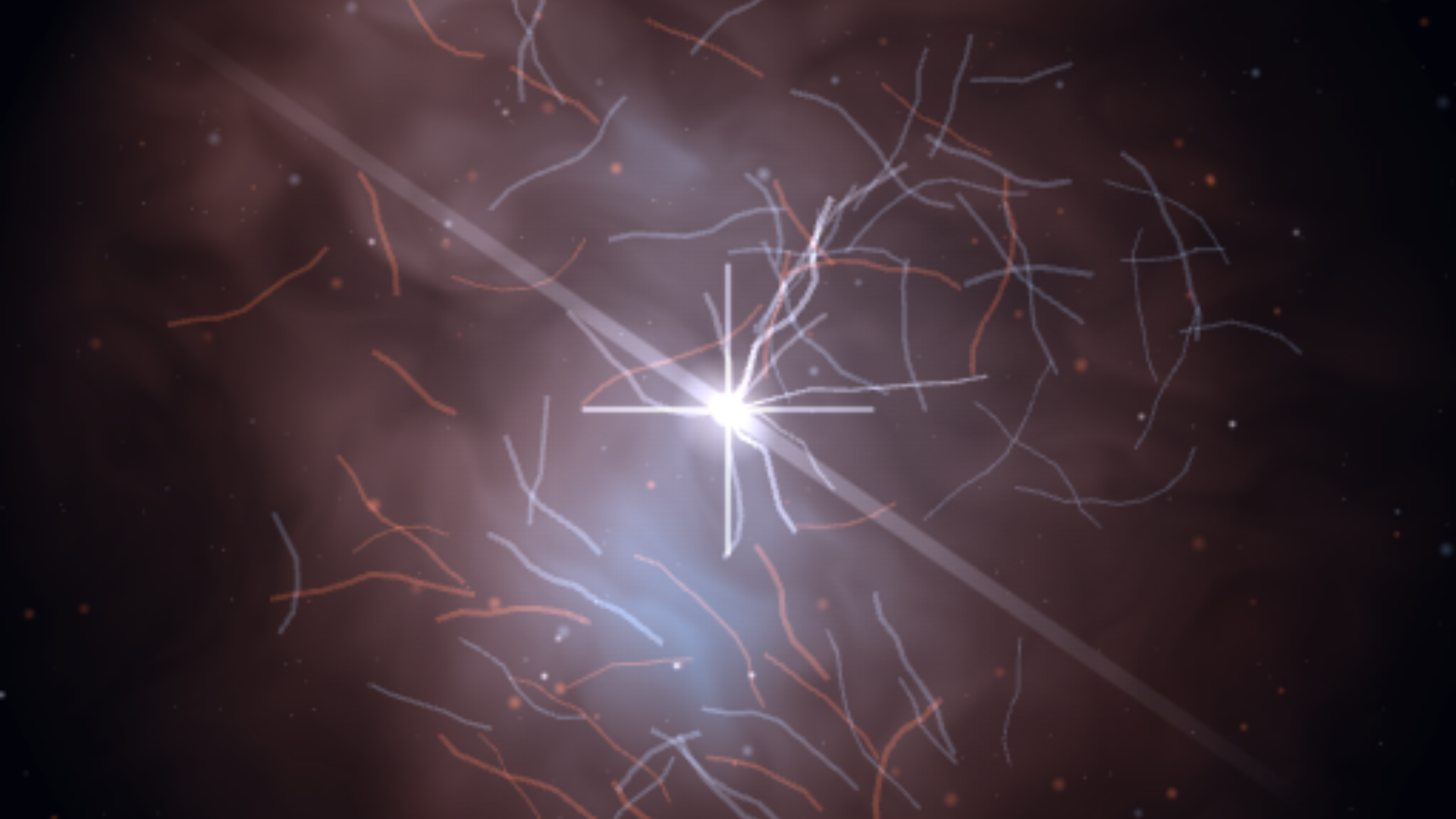
게 성운(M1)를 우주 공간에서 바라본 SPACE 시뮬레이션 천체 사진.
📸 오늘의 천체: Kapteyn's Star f 🪐 오늘의 주제: 외계행성
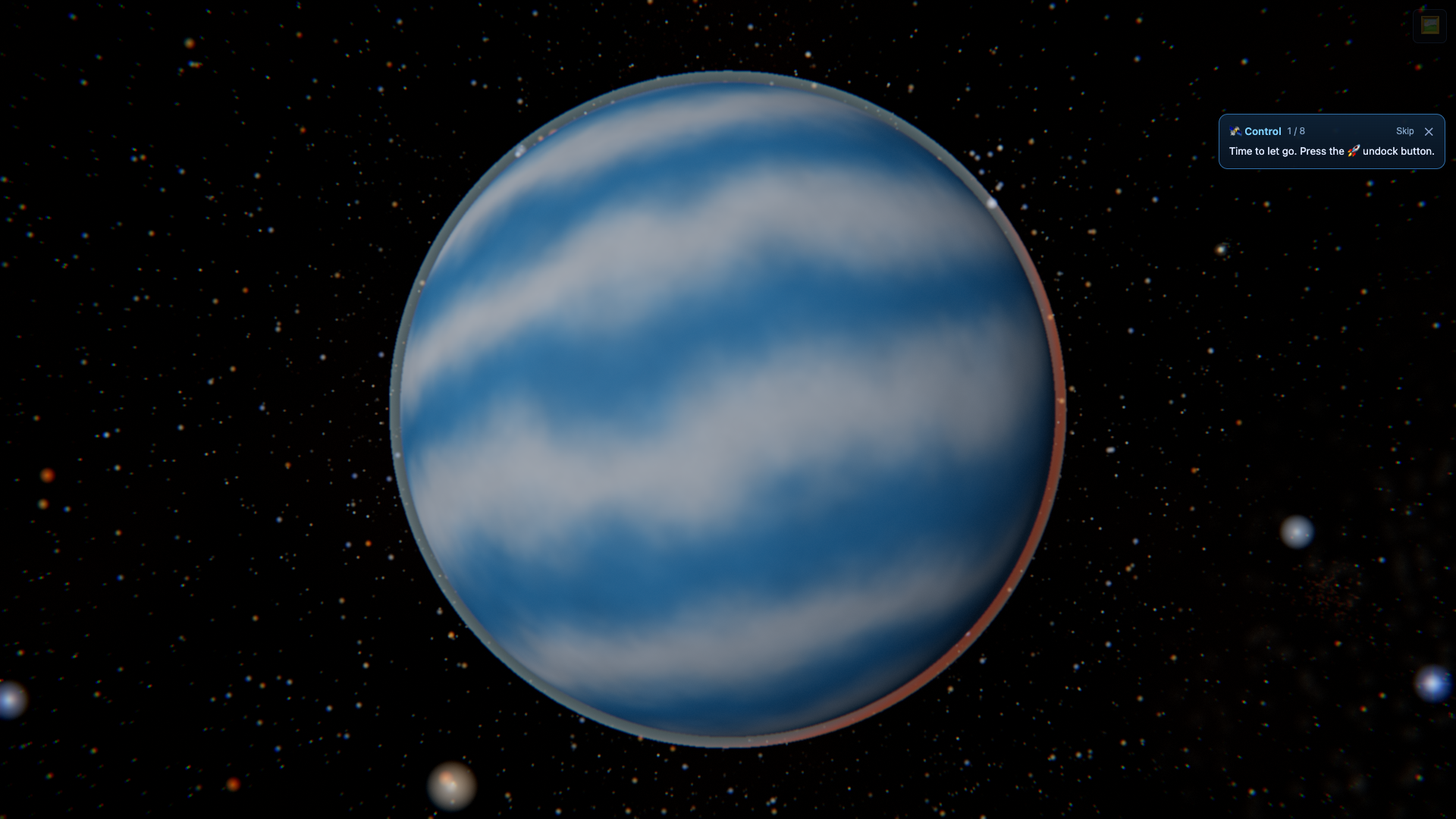
Kapteyn's Star f를 우주 공간에서 바라본 SPACE 시뮬레이션 천체 사진.
📸 오늘의 천체: Arcturus e 🪐 오늘의 주제: 외계행성
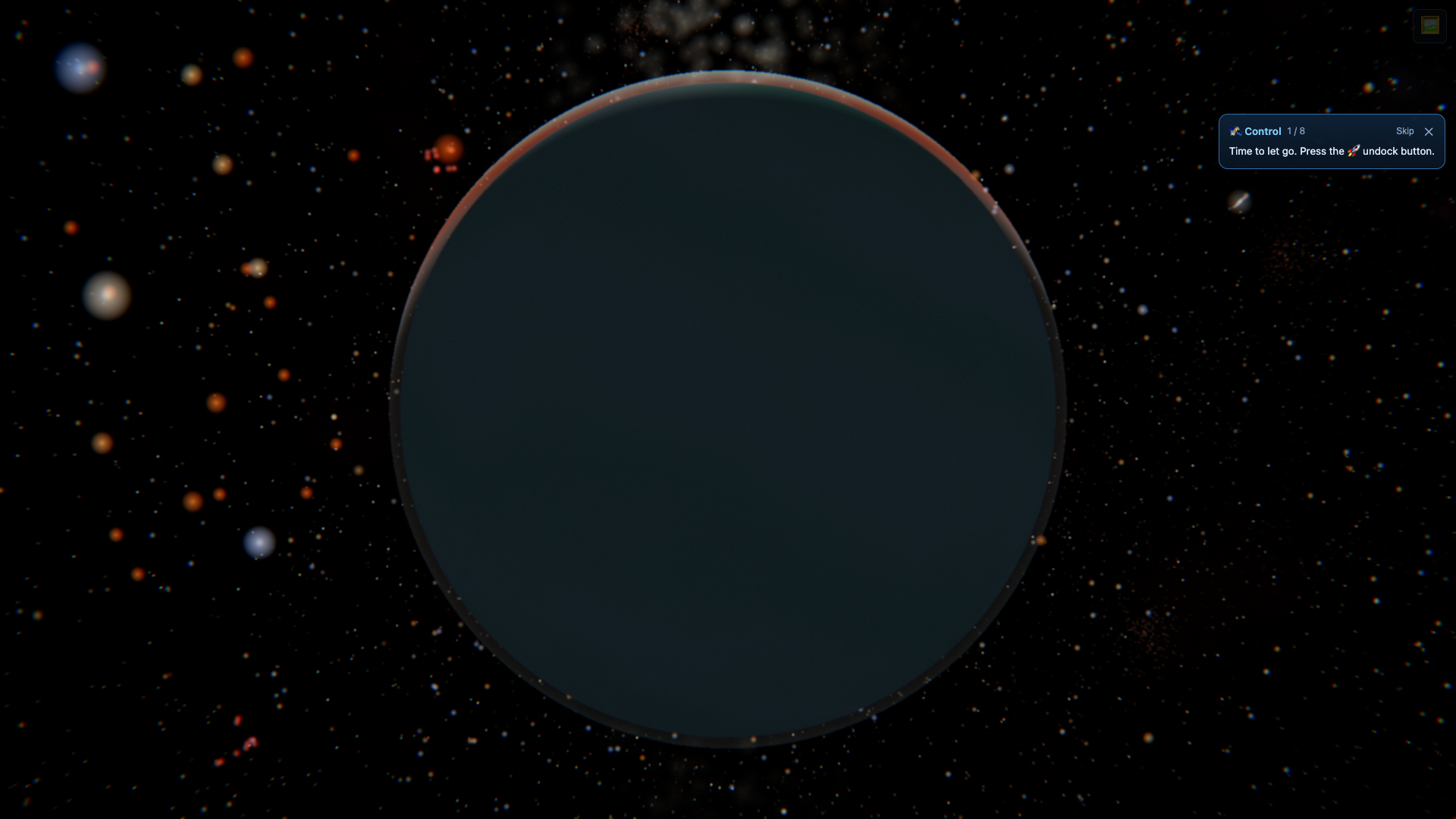
Arcturus e를 우주 공간에서 바라본 SPACE 시뮬레이션 천체 사진.
📸 오늘의 천체: Gliese 876 c 🌫️ 오늘의 주제: 가스행성
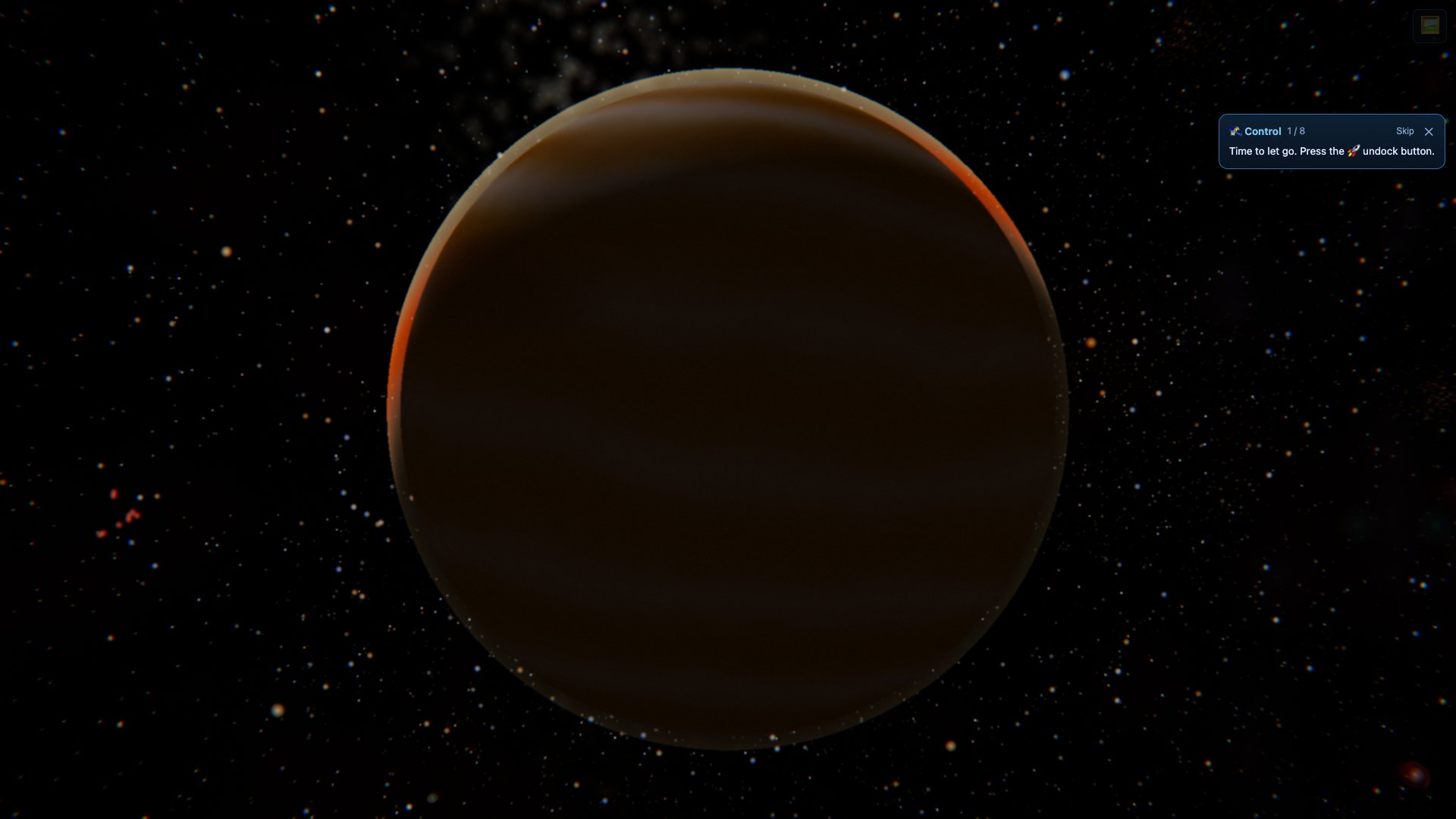
Gliese 876 c를 우주 공간에서 바라본 SPACE 시뮬레이션 천체 사진.
📸 오늘의 천체: Luyten's Star b 🌫️ 오늘의 주제: 가스행성
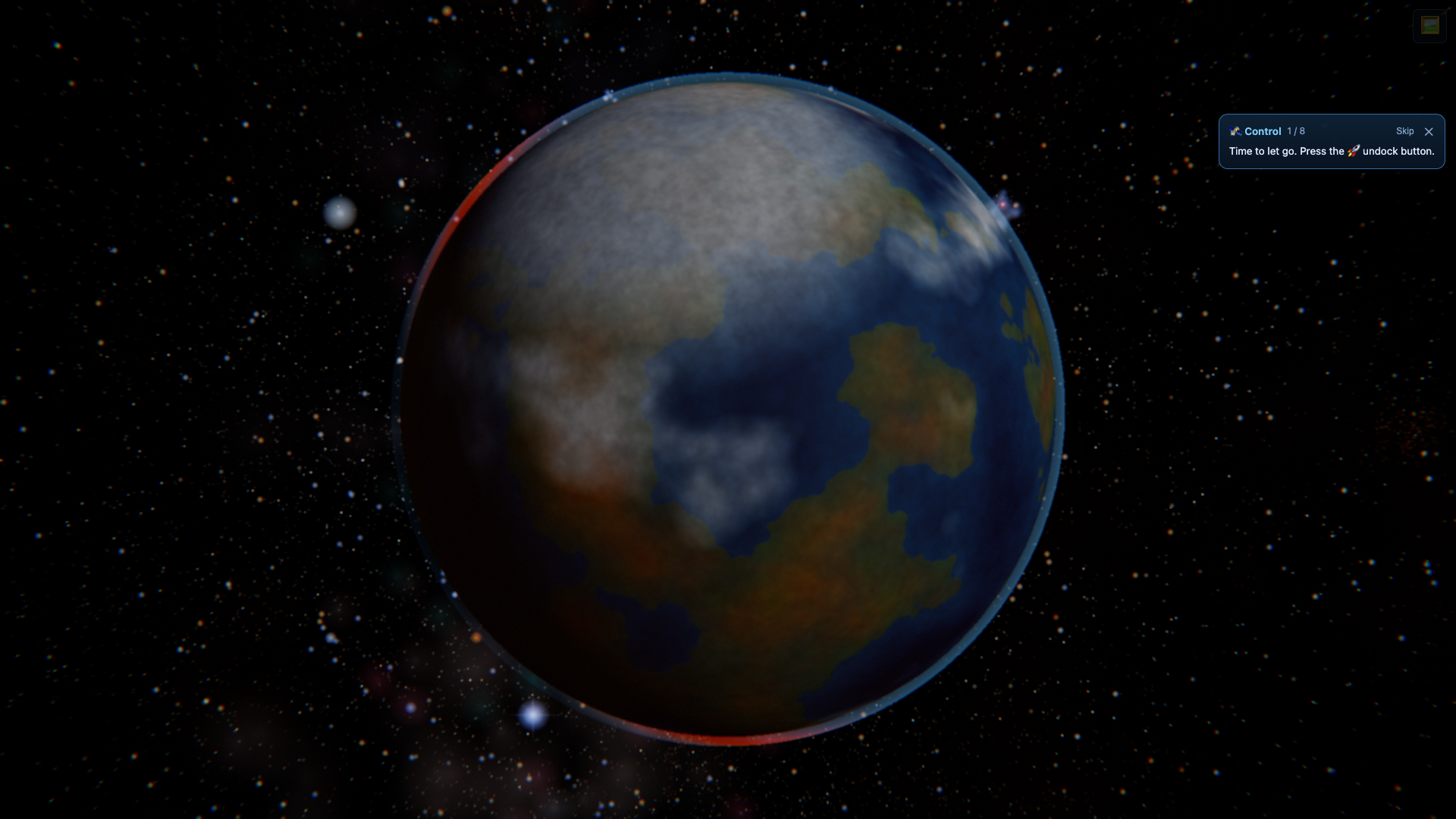
Luyten's Star b를 우주 공간에서 바라본 SPACE 시뮬레이션 천체 사진.
📸 오늘의 천체: Antares c ☄️ 오늘의 주제: 왜소·소행성
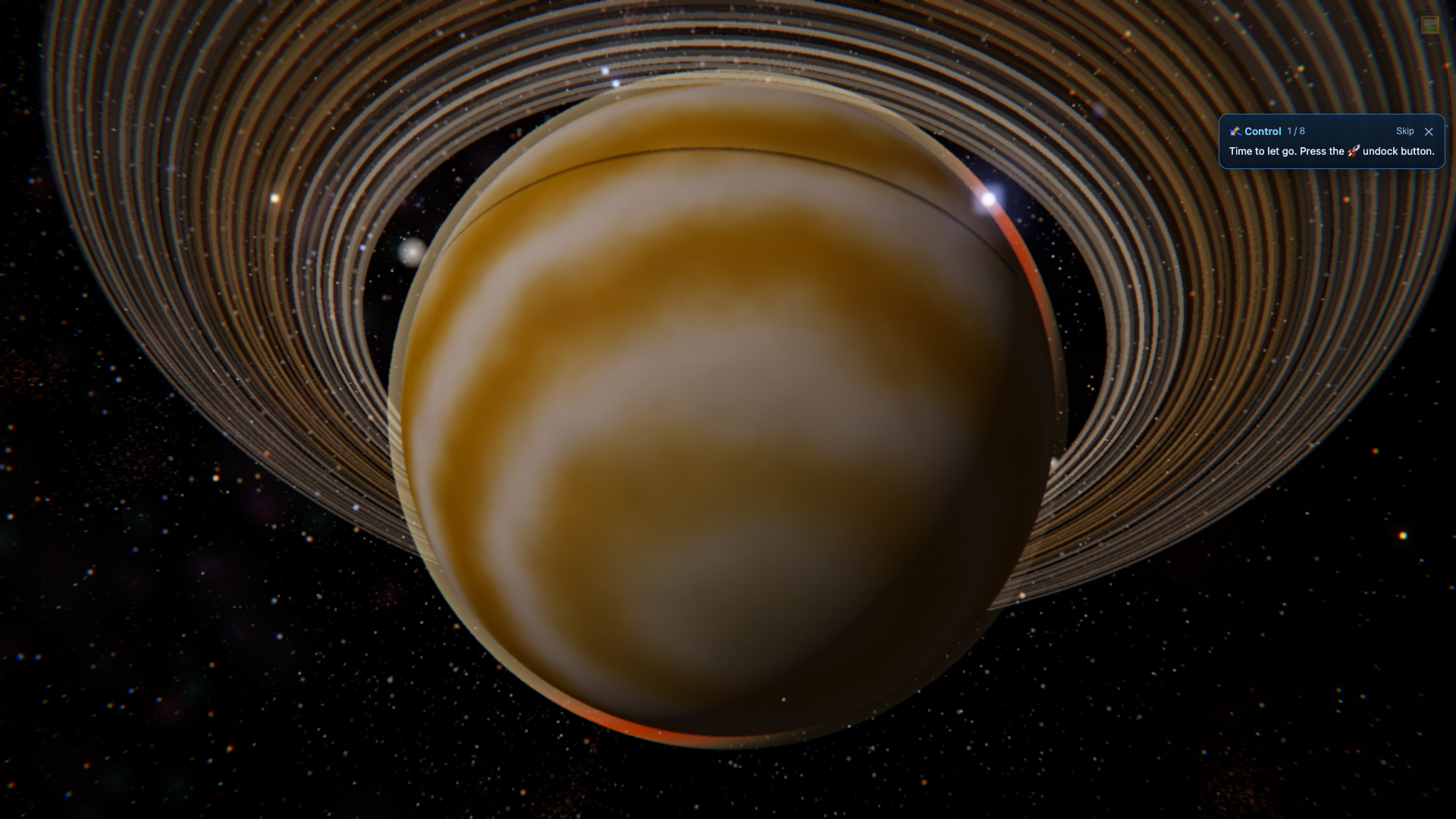
Antares c를 우주 공간에서 바라본 SPACE 시뮬레이션 천체 사진.
📸 오늘의 천체: EZ Aquarii e ☄️ 오늘의 주제: 왜소·소행성
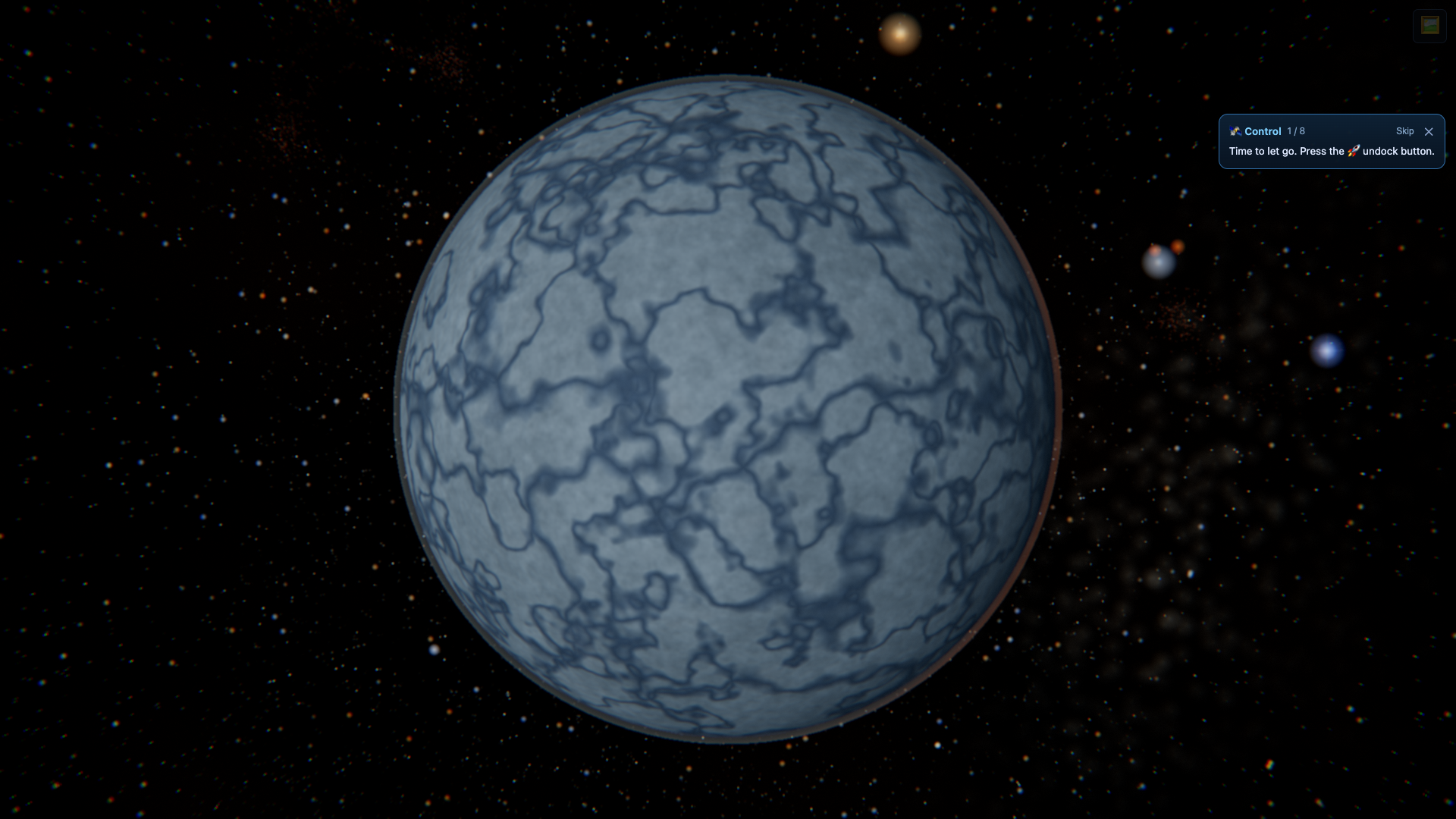
EZ Aquarii e를 우주 공간에서 바라본 SPACE 시뮬레이션 천체 사진.
📸 오늘의 천체: s2020s15 🌙 오늘의 주제: 위성
https://space.woojinkim.org 🛸 여기로 비행 → https://space.woojinkim.org/play?goto=s2020s15 #우주 #SPACE #천체사진
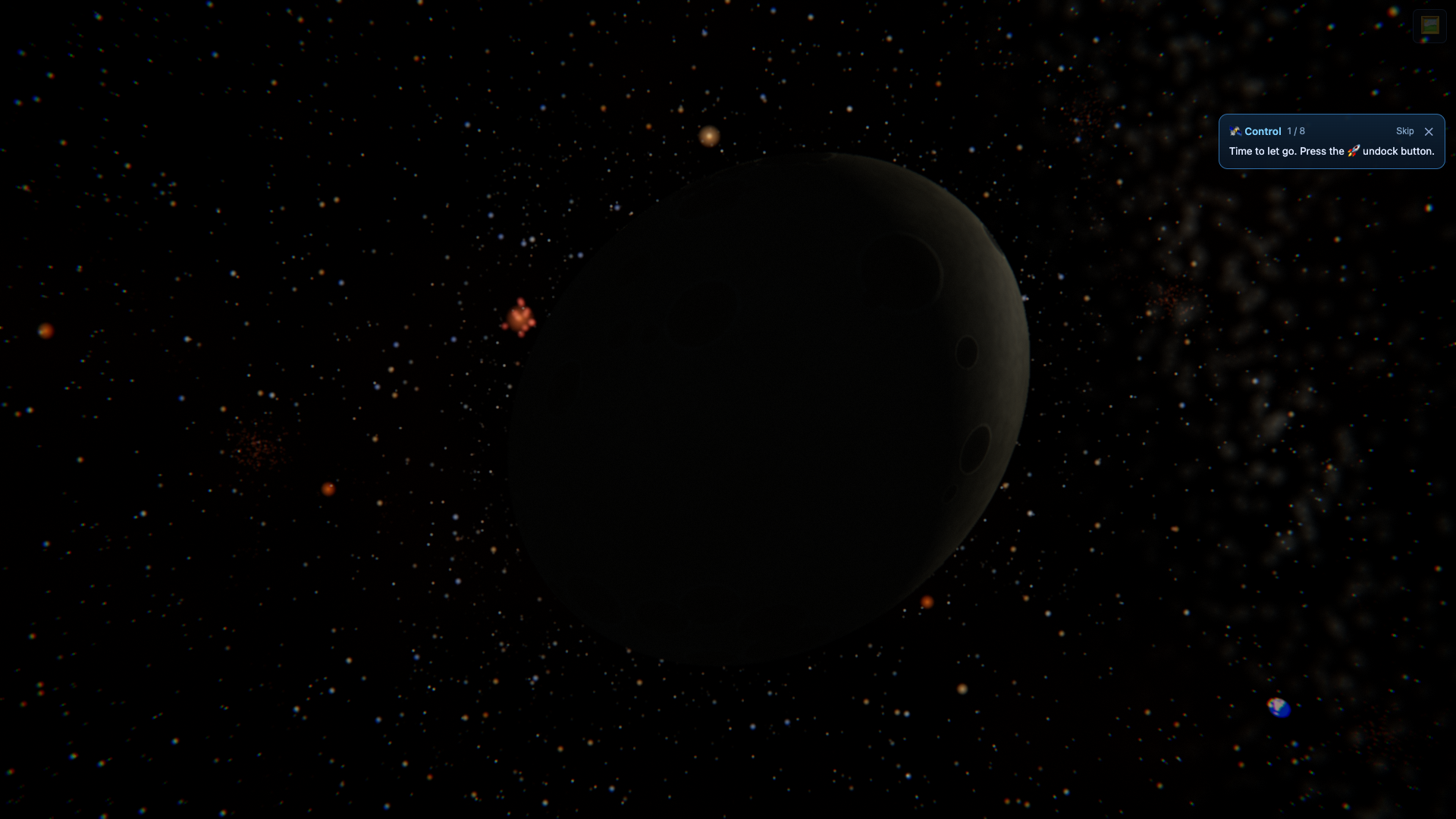
s2020s15를 우주 공간에서 바라본 SPACE 시뮬레이션 천체 사진.
📸 오늘의 천체: 칼리스토 🌙 오늘의 주제: 위성
https://space.woojinkim.org 🛸 여기로 비행 → https://space.woojinkim.org/play?goto=callisto #우주 #SPACE #천체사진
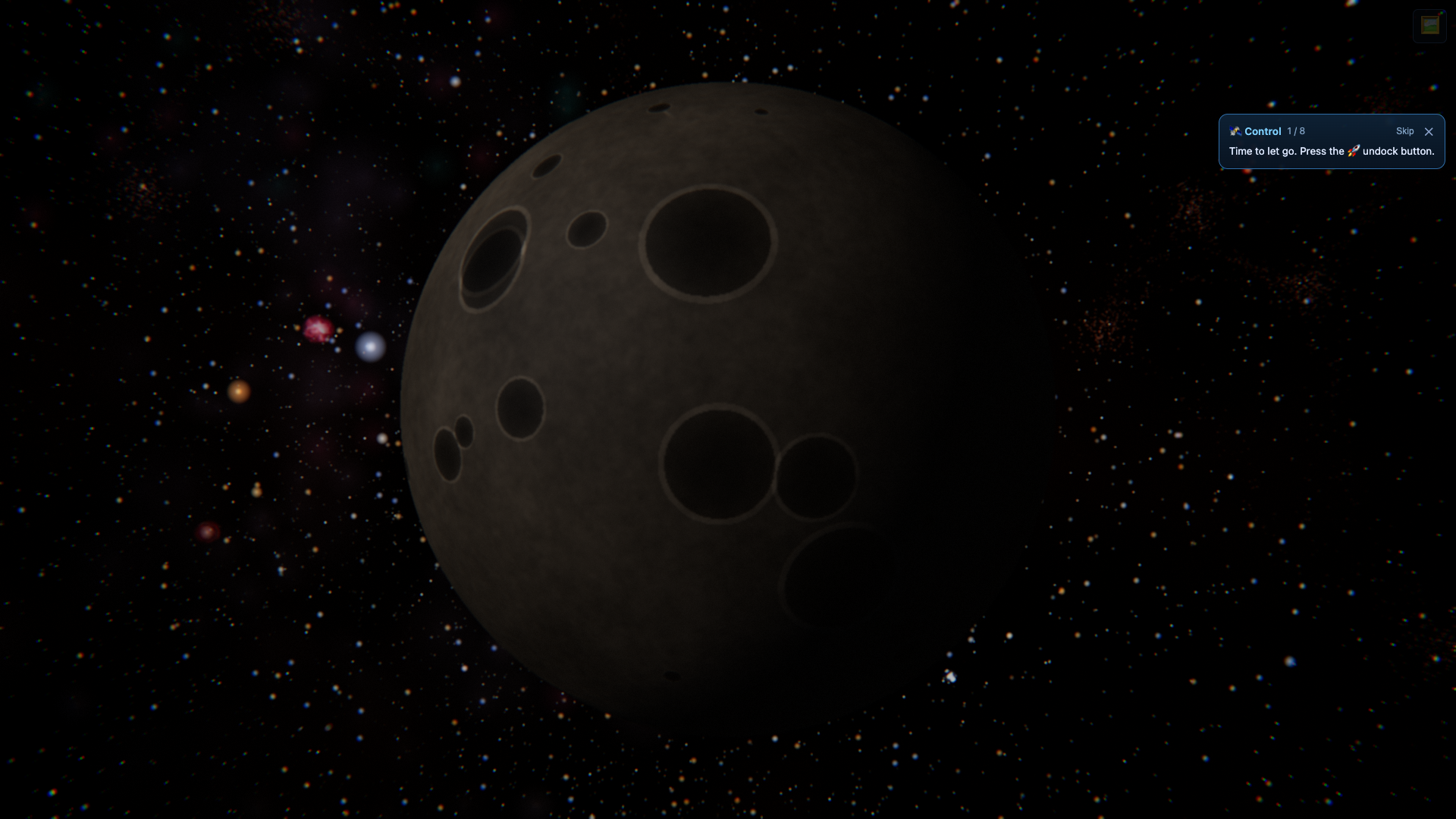
칼리스토를 우주 공간에서 바라본 SPACE 시뮬레이션 천체 사진.
📸 오늘의 천체: Altair d 🪐 오늘의 주제: 행성
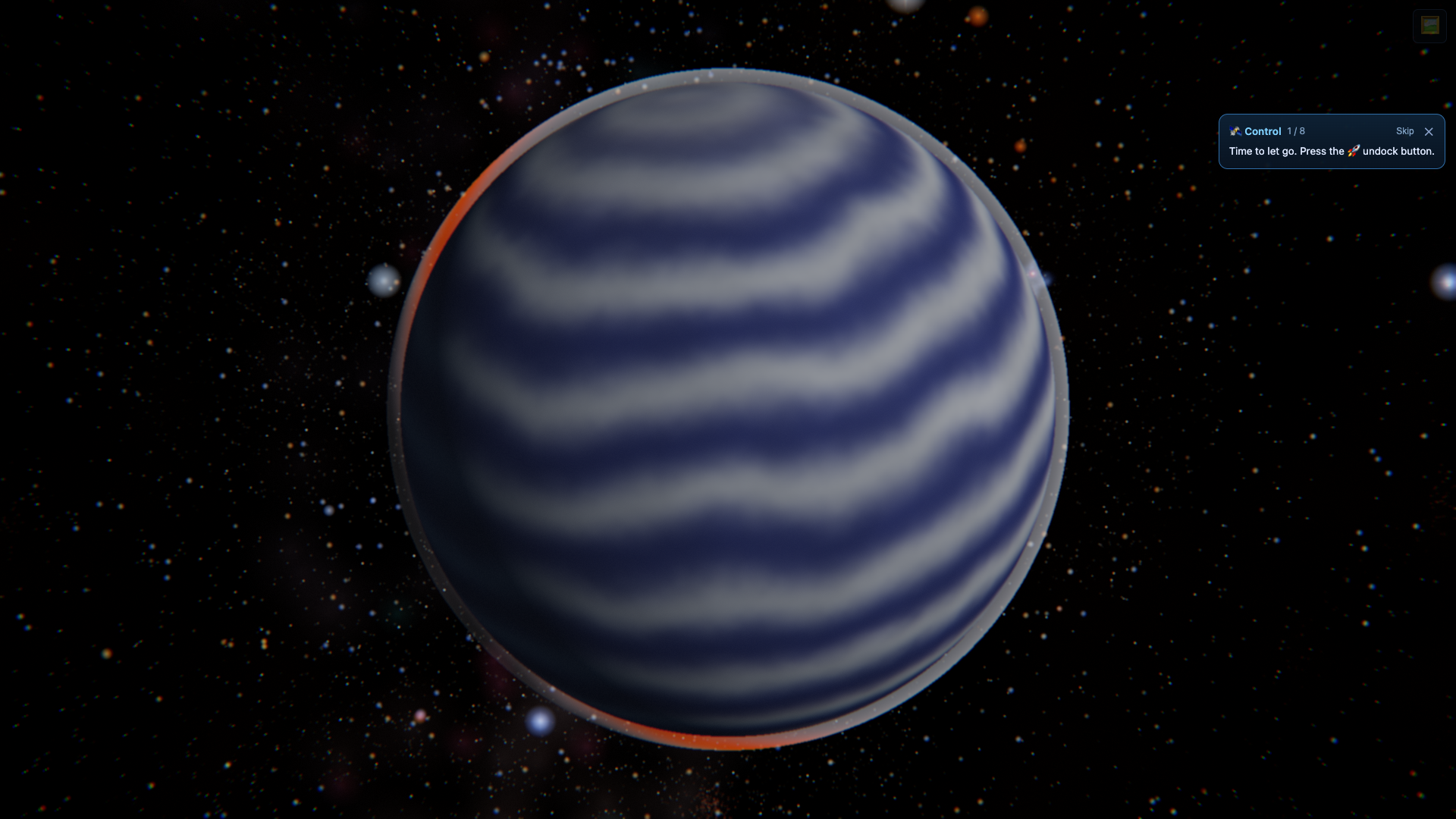
Altair d를 우주 공간에서 바라본 SPACE 시뮬레이션 천체 사진.
📸 오늘의 천체: Canopus b 🪐 오늘의 주제: 행성
Canopus b를 우주 공간에서 바라본 SPACE 시뮬레이션 천체 사진.
🎖 업데이트 — 업적이 생겼습니다
도킹을 푼 다음 무엇을 할지, 이제 우주가 먼저 알려줍니다.
· 언도킹 직후 여덟 단계 안내 — 한 번에 한 가지씩, 끄고 혼자 해도 됩니다 · 🎯 항행 지시 — 지금 해볼 만한 것을 제안하고, 마음에 안 들면 거절하면 그만 · 태블릿 📓일지 → 업적에서 내 기록 확인 · 모두 73가지 (처음부터 보이는 59가지 + 조건을 만족해야 드러나는 14가지)
능력 보상도, 순위표도, 며칠 연속 들어왔는지 세는 것도 없습니다. 남는 것은 기록과 이름뿐입니다.
자세히 → https://space.woojinkim.org/guide/badges 전체 목록 → https://space.woojinkim.org/badges

SPACE 게임 화면. ISS에 도킹한 채 지구 위를 돌고 있고, 오른쪽 위에 "관제 1/8 — 도킹을 풀 시간입니다. 화면의 🚀 분리 버튼을 누르세요."라고 적힌 안내 카드가 떠 있다.

SPACE 게임 화면 오른쪽에 "항행 지시" 패널이 열려 첫 분리·첫 착륙·화성 착륙 세 가지를 예상 소요(짧게·며칠·길게)와 거절 버튼과 함께 제안하고 있다.
![우주선 콕핏 안 태블릿 화면. 일지 탭에서 [항해일지 | 업적] 중 업적이 선택돼 0/59 총계, 일곱 갈래 카테고리 필터, 첫 분리·자세 제어·첫 점화 항목이 설명과 함께 보인다.](https://hollo.woojinkim.org/assets/media/019fc213-39d9-7262-acf5-c210147f5b78/original.png)
우주선 콕핏 안 태블릿 화면. 일지 탭에서 [항해일지 | 업적] 중 업적이 선택돼 0/59 총계, 일곱 갈래 카테고리 필터, 첫 분리·자세 제어·첫 점화 항목이 설명과 함께 보인다.

space.woojinkim.org/badges 웹페이지. 59가지 + 비공개 14가지 총계와 카테고리 필터, 항행 분류의 첫 분리·자세 제어·첫 점화·목적지 지정 항목 카드가 나열돼 있다.
📸 오늘의 천체: 플레이아데스(M45) 🌠 오늘의 주제: 은하·성단

플레이아데스(M45)를 우주 공간에서 바라본 SPACE 시뮬레이션 천체 사진.
📸 오늘의 천체: 센타우루스 A(NGC 5128) 🌠 오늘의 주제: 은하·성단
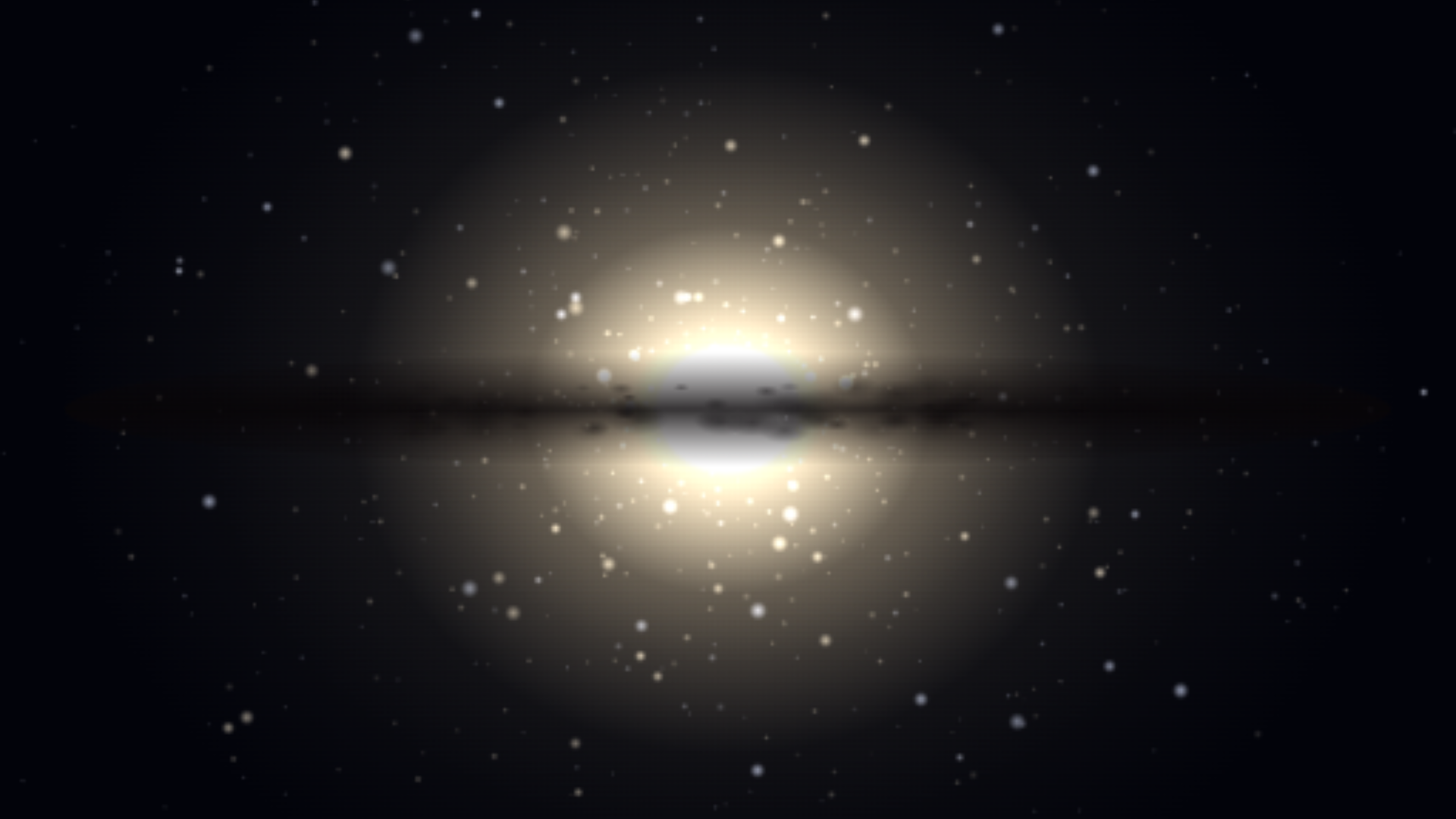
센타우루스 A(NGC 5128)를 우주 공간에서 바라본 SPACE 시뮬레이션 천체 사진.
📸 오늘의 천체: 베일 성운(백조 고리) 🌌 오늘의 주제: 성운

베일 성운(백조 고리)를 우주 공간에서 바라본 SPACE 시뮬레이션 천체 사진.
📸 오늘의 천체: 베일 성운(백조 고리) 🌌 오늘의 주제: 성운
베일 성운(백조 고리)를 우주 공간에서 바라본 SPACE 시뮬레이션 천체 사진.
📸 오늘의 천체: 삼렬 성운(M20) 🌌 오늘의 주제: 성운
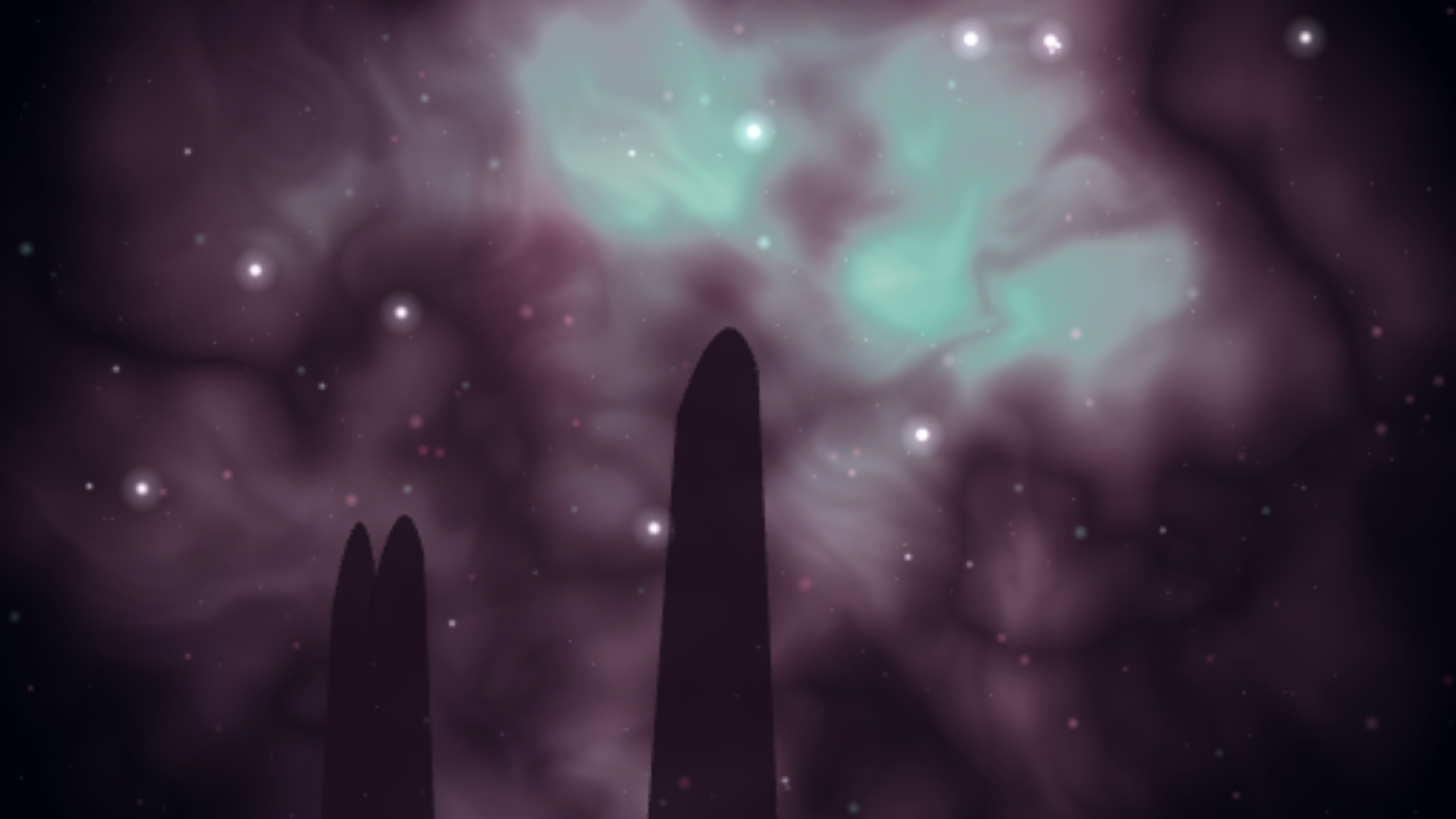
삼렬 성운(M20)를 우주 공간에서 바라본 SPACE 시뮬레이션 천체 사진.
📸 오늘의 천체: 삼렬 성운(M20) 🌌 오늘의 주제: 성운
삼렬 성운(M20)를 우주 공간에서 바라본 SPACE 시뮬레이션 천체 사진.
🪐 외계행성이 서로 다르게 보입니다.
지금까지 게임 속 외계 거대행성 122개가 문자 그대로 같은 그림이었습니다. 표면 색을 고르는 코드가 행성의 종류가 아니라 이름으로 팔레트를 찾고 있었고, 이름이 맞아떨어지는 건 태양계 천체뿐이었거든요. 그래서 파란 얼음거인조차 갈색 목성으로 그려졌습니다.
이제 행성마다 색과 띠와 폭풍이 다르고, 겉모습을 평형온도가 함께 정합니다 — 별에 바싹 붙은 암석행성은 갈라진 틈으로 용암이 빛나고, 온난하고 대기가 있는 행성은 바다와 구름을 갖습니다. 외계 거대행성에 고리가 생겼고, 대기의 유무도 동전던지기가 아니라 물리로 정해집니다.
📸 스크린샷으로 보는 변화 → https://space.woojinkim.org/guide/spotlight#spot-planets
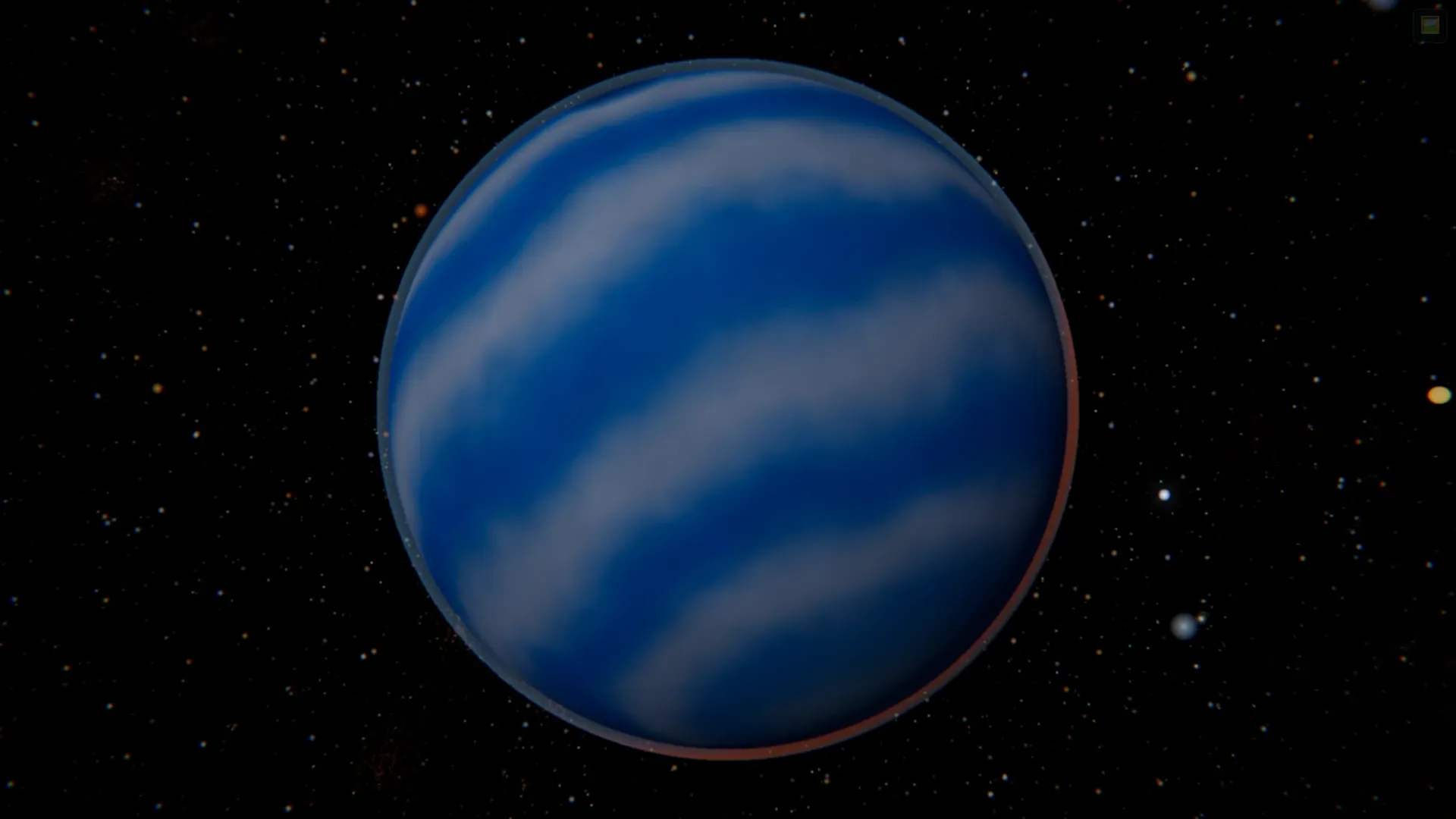
울프 359 f — 같은 항성계의 파란 얼음 거대행성. 흰 구름 띠가 흐른다. 수정 전에는 위 사진과 구별할 수 없는 같은 갈색 목성이었다.
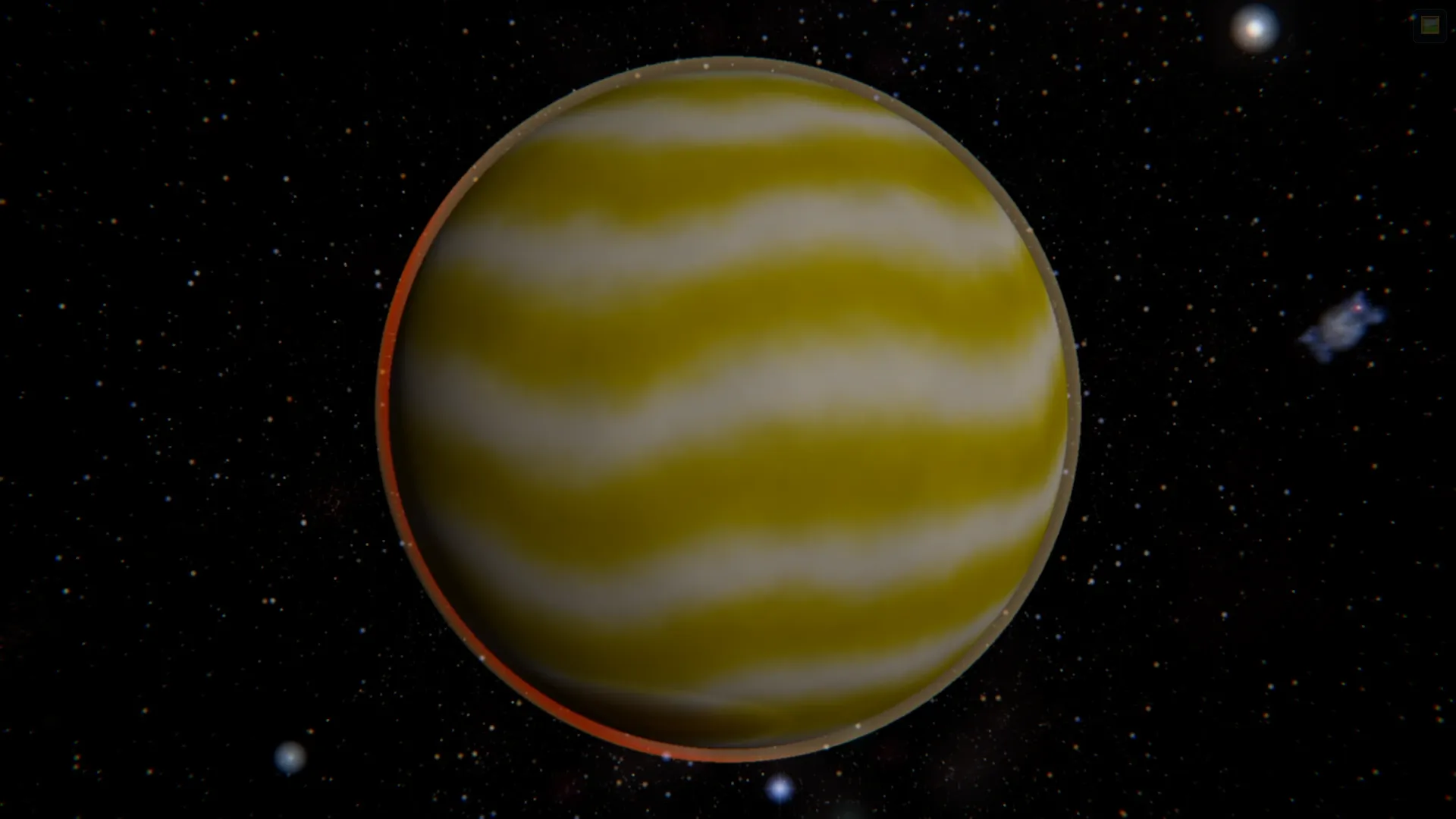
울프 359 b — 금빛 띠가 흐르는 가스 거대행성. 사지에 주황빛 대기 테두리가 둘려 있다.
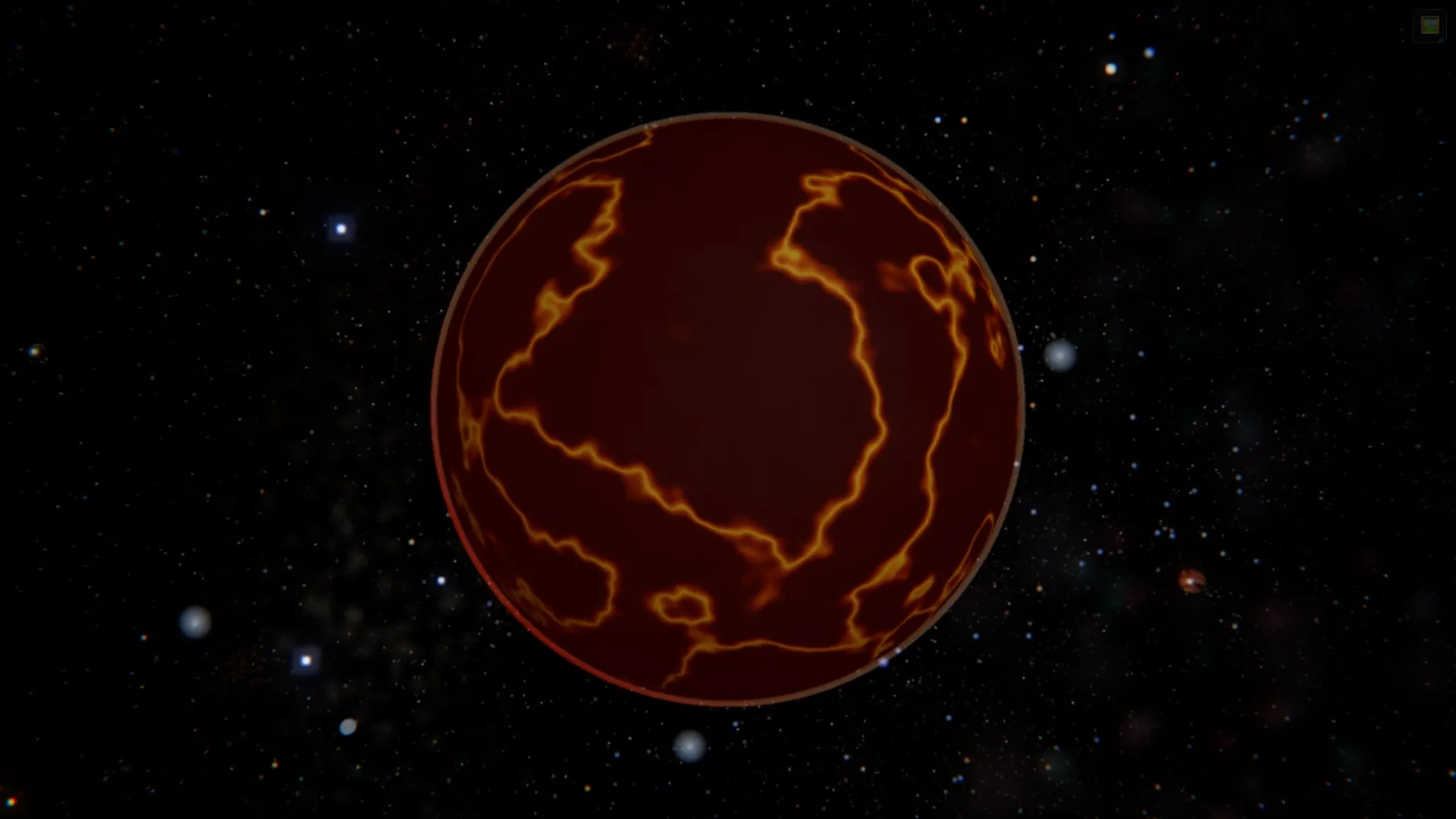
리겔 b — 평형온도 2,232 K. 어두운 현무암 지각이 갈라진 틈으로 주황색 용암이 빛난다.
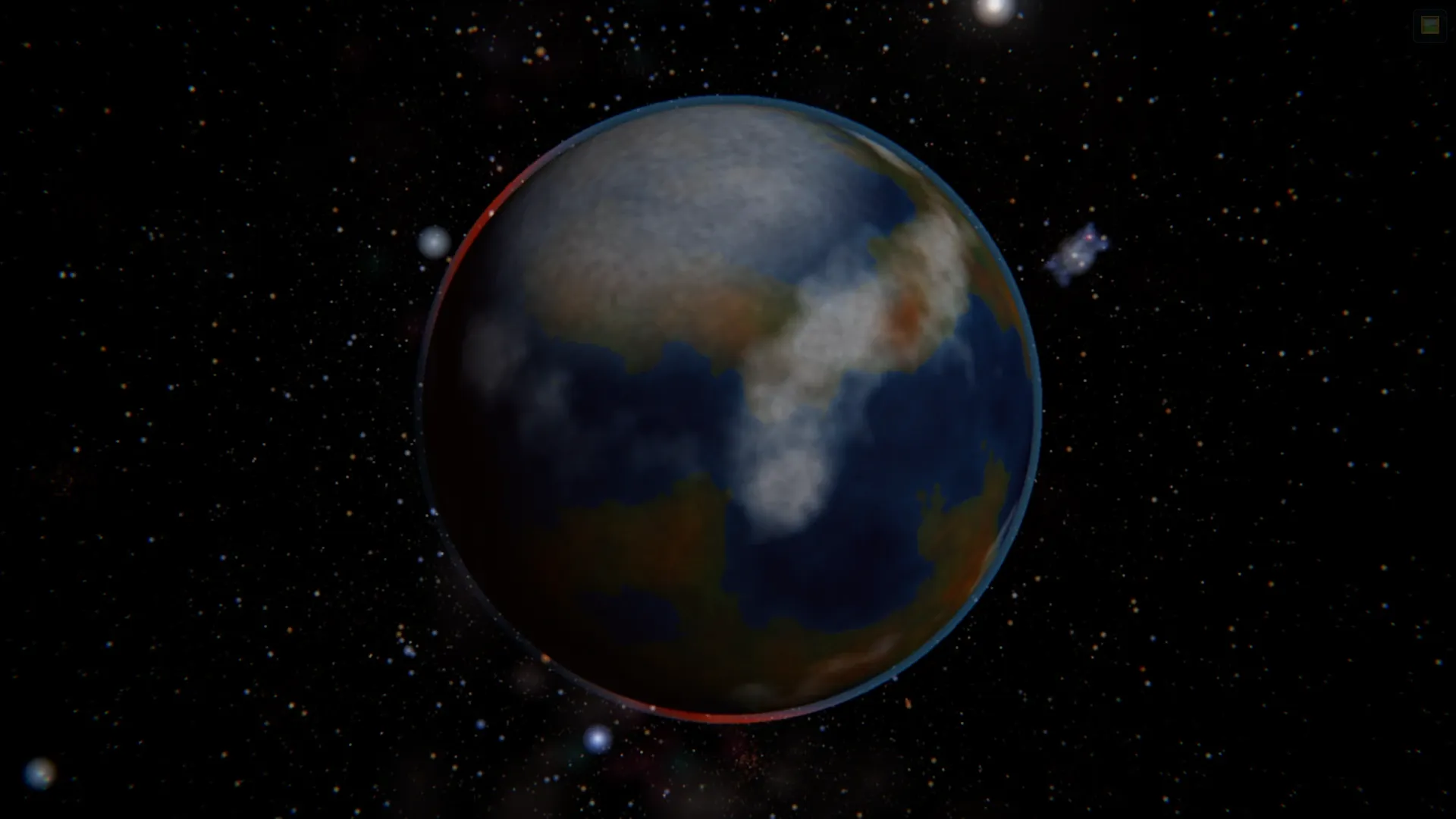
루이텐 b — 실측된 거주가능구역 행성. 푸른 바다와 대륙, 흰 구름 띠, 푸른 대기 테두리, 왼쪽 가장자리에 붉은 노을.
🪐 외계행성이 서로 다르게 보입니다.
지금까지 게임 속 외계 거대행성 122개가 문자 그대로 같은 그림이었습니다. 표면 색을 고르는 코드가 행성의 종류가 아니라 이름으로 팔레트를 찾고 있었고, 이름이 맞아떨어지는 건 태양계 천체뿐이었거든요. 그래서 파란 얼음거인조차 갈색 목성으로 그려졌습니다.
이제 행성마다 색과 띠와 폭풍이 다르고, 겉모습을 평형온도가 함께 정합니다 — 별에 바싹 붙은 암석행성은 갈라진 틈으로 용암이 빛나고, 온난하고 대기가 있는 행성은 바다와 구름을 갖습니다. 외계 거대행성에 고리가 생겼고, 대기의 유무도 동전던지기가 아니라 물리로 정해집니다.
📸 스크린샷으로 보는 변화 → https://space.woojinkim.org/guide/spotlight#spot-planets
울프 359 f — 같은 항성계의 파란 얼음 거대행성. 흰 구름 띠가 흐른다. 수정 전에는 위 사진과 구별할 수 없는 같은 갈색 목성이었다.
울프 359 b — 금빛 띠가 흐르는 가스 거대행성. 사지에 주황빛 대기 테두리가 둘려 있다.
리겔 b — 평형온도 2,232 K. 어두운 현무암 지각이 갈라진 틈으로 주황색 용암이 빛난다.
루이텐 b — 실측된 거주가능구역 행성. 푸른 바다와 대륙, 흰 구름 띠, 푸른 대기 테두리, 왼쪽 가장자리에 붉은 노을.
🪐 외계행성이 서로 다르게 보입니다.
지금까지 게임 속 외계 거대행성 122개가 문자 그대로 같은 그림이었습니다. 표면 색을 고르는 코드가 행성의 종류가 아니라 이름으로 팔레트를 찾고 있었고, 이름이 맞아떨어지는 건 태양계 천체뿐이었거든요. 그래서 파란 얼음거인조차 갈색 목성으로 그려졌습니다.
이제 행성마다 색과 띠와 폭풍이 다르고, 겉모습을 평형온도가 함께 정합니다 — 별에 바싹 붙은 암석행성은 갈라진 틈으로 용암이 빛나고, 온난하고 대기가 있는 행성은 바다와 구름을 갖습니다. 외계 거대행성에 고리가 생겼고, 대기의 유무도 동전던지기가 아니라 물리로 정해집니다.
📸 스크린샷으로 보는 변화 → https://space.woojinkim.org/guide/spotlight#spot-planets
울프 359 f — 같은 항성계의 파란 얼음 거대행성. 흰 구름 띠가 흐른다. 수정 전에는 위 사진과 구별할 수 없는 같은 갈색 목성이었다.
울프 359 b — 금빛 띠가 흐르는 가스 거대행성. 사지에 주황빛 대기 테두리가 둘려 있다.
리겔 b — 평형온도 2,232 K. 어두운 현무암 지각이 갈라진 틈으로 주황색 용암이 빛난다.
루이텐 b — 실측된 거주가능구역 행성. 푸른 바다와 대륙, 흰 구름 띠, 푸른 대기 테두리, 왼쪽 가장자리에 붉은 노을.
🪐 외계행성이 서로 다르게 보입니다.
지금까지 게임 속 외계 거대행성 122개가 문자 그대로 같은 그림이었습니다. 표면 색을 고르는 코드가 행성의 종류가 아니라 이름으로 팔레트를 찾고 있었고, 이름이 맞아떨어지는 건 태양계 천체뿐이었거든요. 그래서 파란 얼음거인조차 갈색 목성으로 그려졌습니다.
이제 행성마다 색과 띠와 폭풍이 다르고, 겉모습을 평형온도가 함께 정합니다 — 별에 바싹 붙은 암석행성은 갈라진 틈으로 용암이 빛나고, 온난하고 대기가 있는 행성은 바다와 구름을 갖습니다. 외계 거대행성에 고리가 생겼고, 대기의 유무도 동전던지기가 아니라 물리로 정해집니다.
📸 스크린샷으로 보는 변화 → https://space.woojinkim.org/guide/spotlight#spot-planets
울프 359 f — 같은 항성계의 파란 얼음 거대행성. 흰 구름 띠가 흐른다. 수정 전에는 위 사진과 구별할 수 없는 같은 갈색 목성이었다.
울프 359 b — 금빛 띠가 흐르는 가스 거대행성. 사지에 주황빛 대기 테두리가 둘려 있다.
리겔 b — 평형온도 2,232 K. 어두운 현무암 지각이 갈라진 틈으로 주황색 용암이 빛난다.
루이텐 b — 실측된 거주가능구역 행성. 푸른 바다와 대륙, 흰 구름 띠, 푸른 대기 테두리, 왼쪽 가장자리에 붉은 노을.
📸 오늘의 천체: Altair c 🪐 오늘의 주제: 외계행성
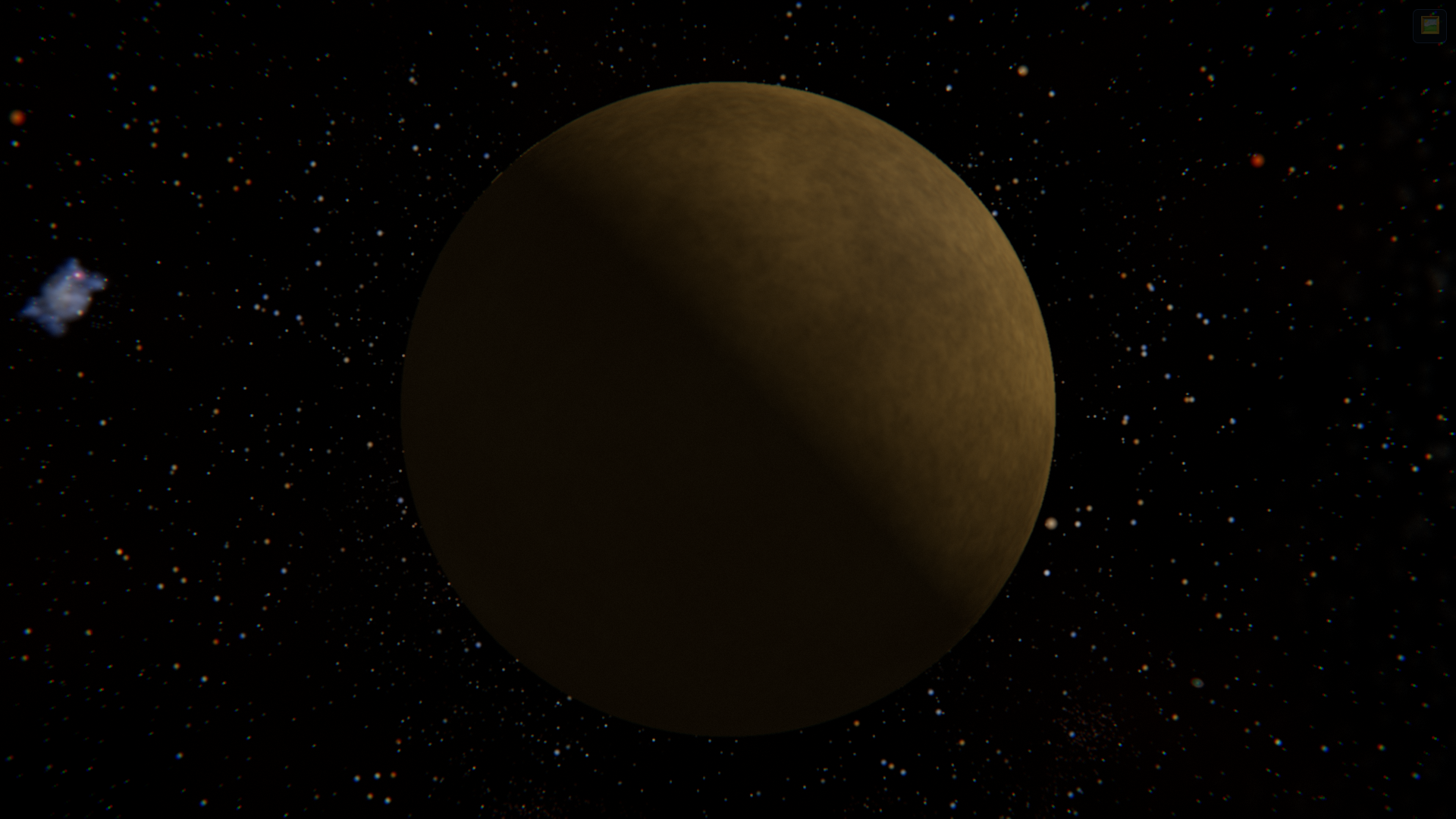
Altair c를 우주 공간에서 바라본 SPACE 시뮬레이션 천체 사진.
📸 오늘의 천체: Struve 2398 h 🪐 오늘의 주제: 외계행성
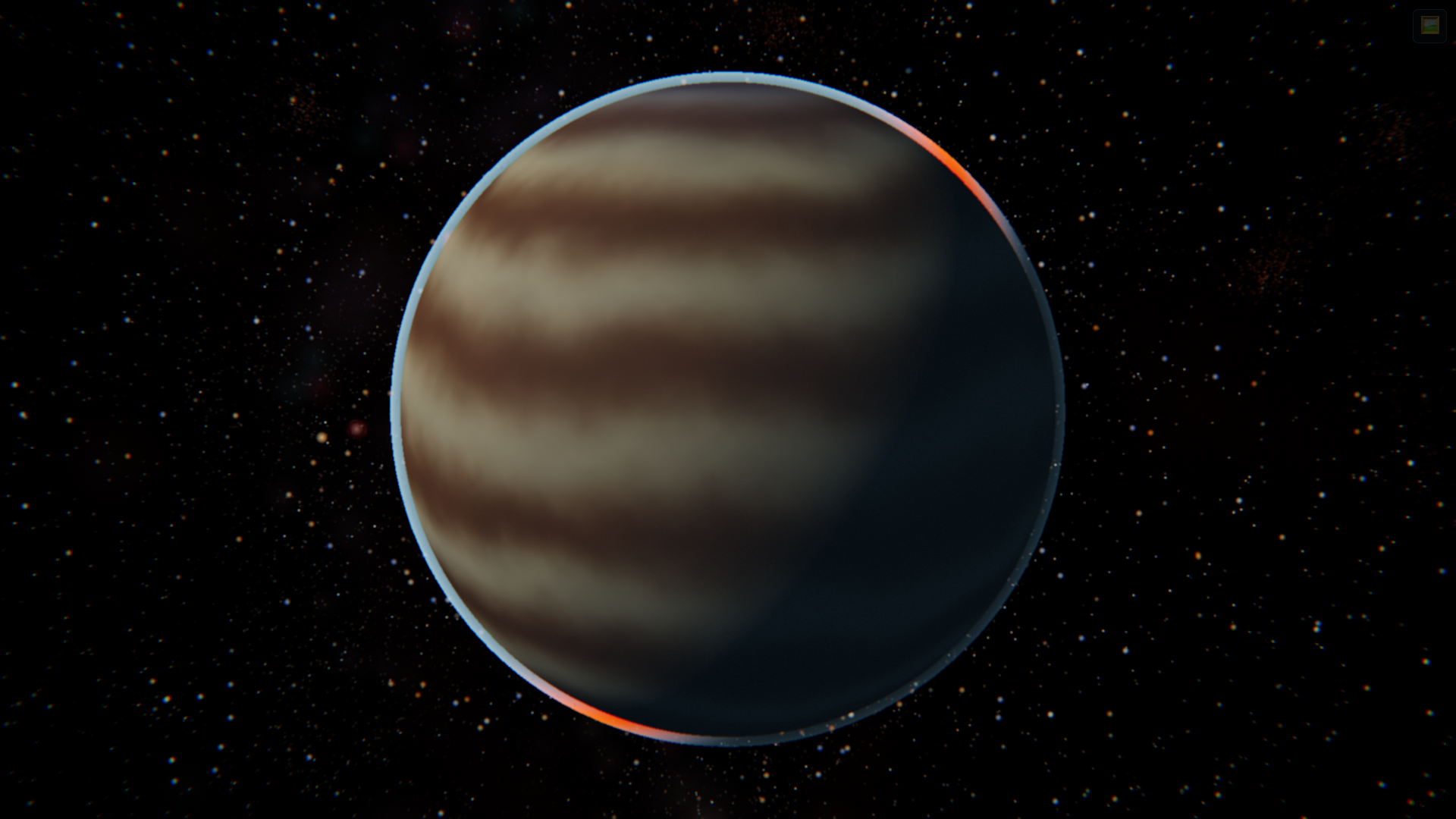
Struve 2398 h를 우주 공간에서 바라본 SPACE 시뮬레이션 천체 사진.
📸 오늘의 천체: s2019s36 🌫️ 오늘의 주제: 가스행성
https://space.woojinkim.org 🛸 여기로 비행 → https://space.woojinkim.org/play?goto=s2019s36 #우주 #SPACE #천체사진
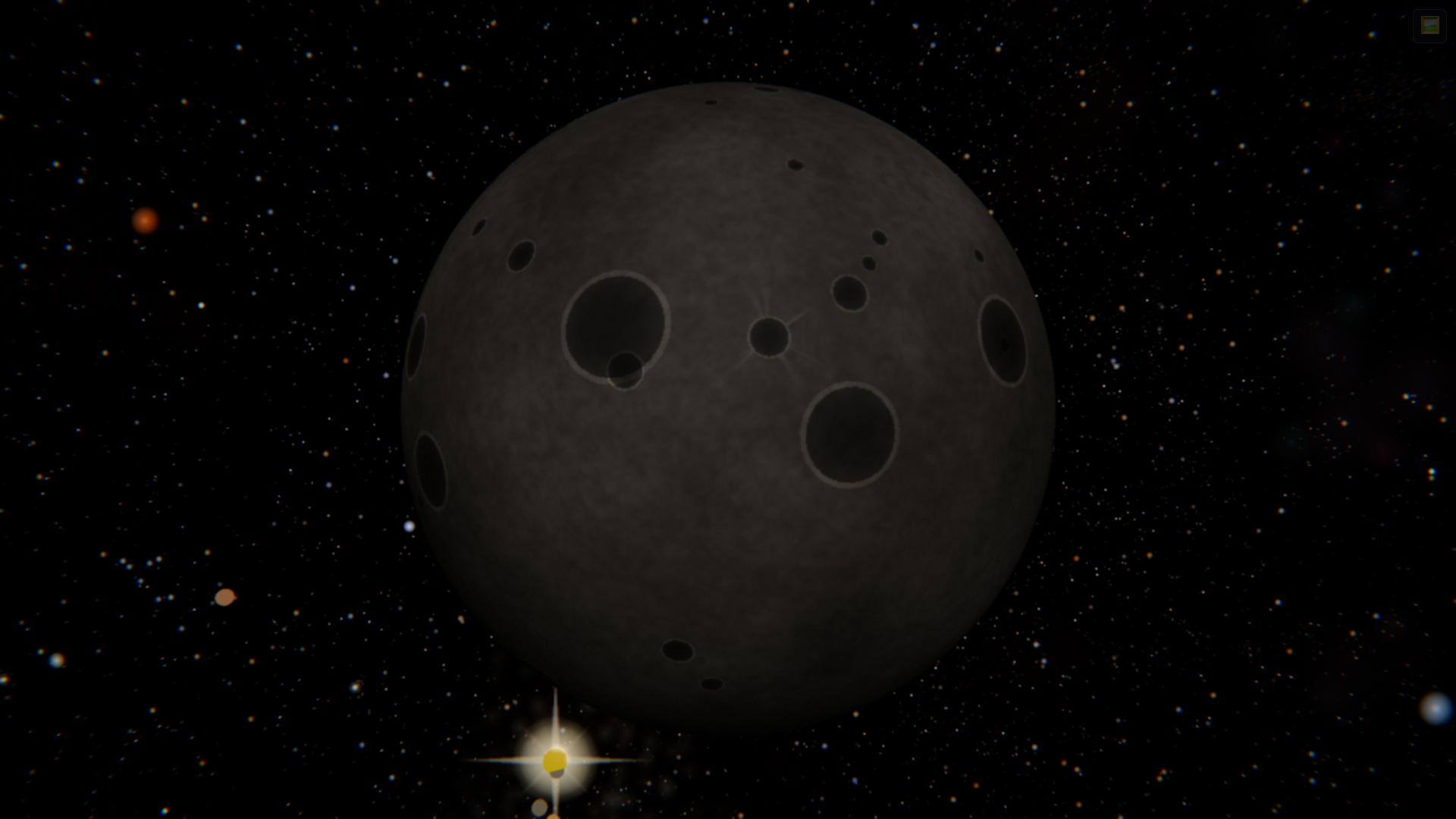
s2019s36를 우주 공간에서 바라본 SPACE 시뮬레이션 천체 사진.
📸 오늘의 천체: Luyten 726-8 e 🌫️ 오늘의 주제: 가스행성
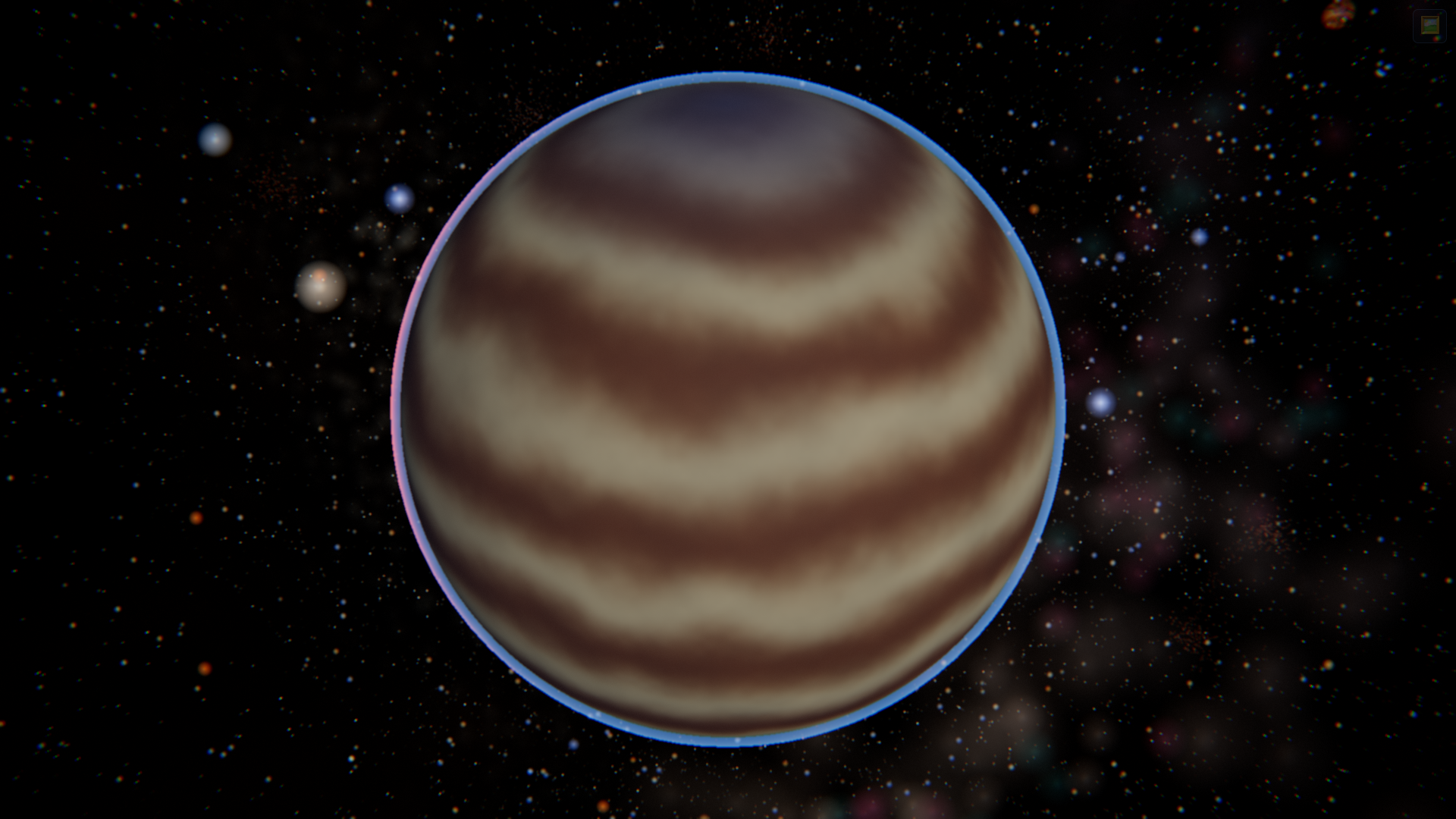
Luyten 726-8 e를 우주 공간에서 바라본 SPACE 시뮬레이션 천체 사진.
📸 오늘의 천체: Procyon e ☄️ 오늘의 주제: 왜소·소행성
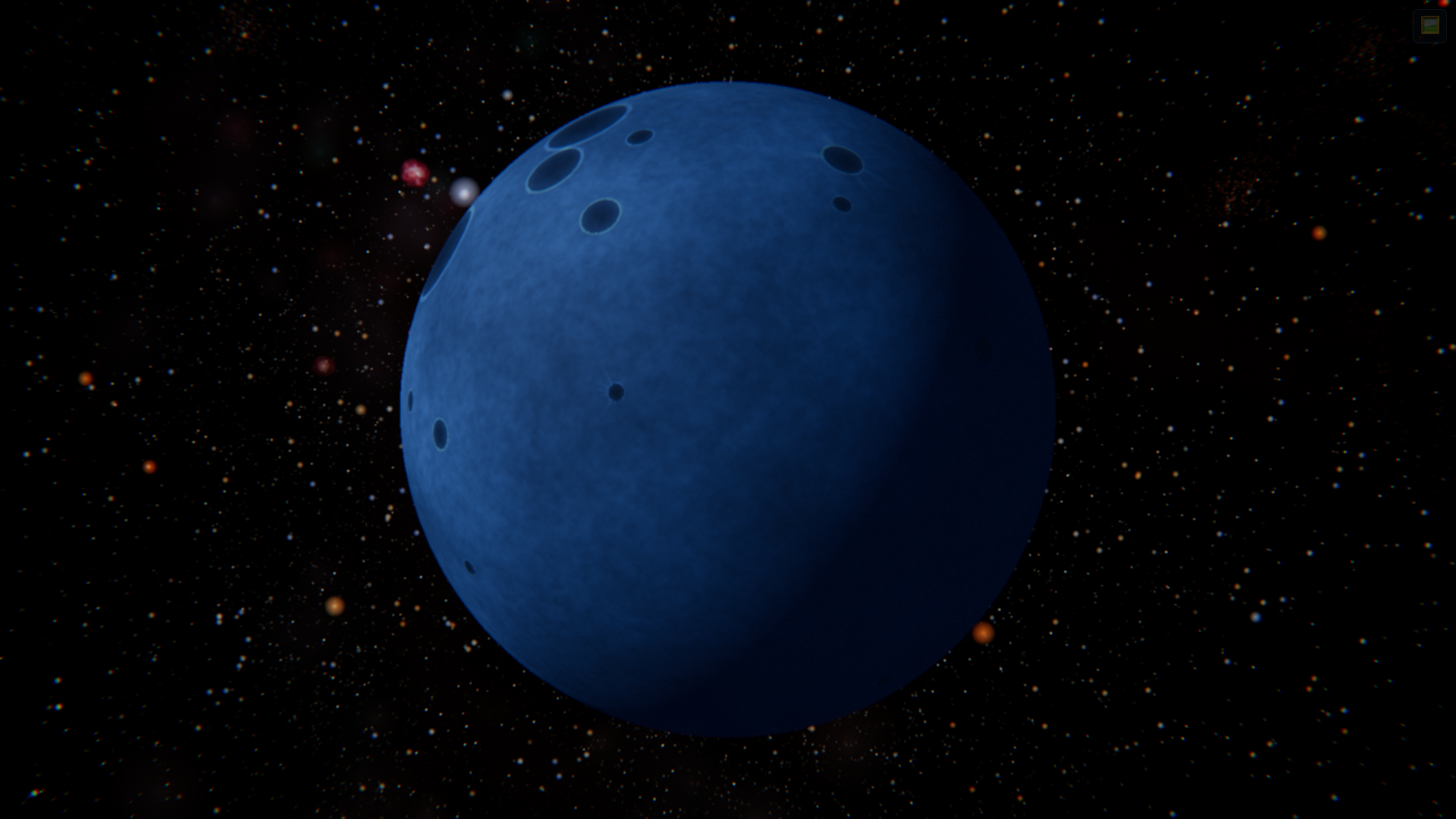
Procyon e를 우주 공간에서 바라본 SPACE 시뮬레이션 천체 사진.
📸 오늘의 천체: 명왕성 ☄️ 오늘의 주제: 왜소·소행성
https://space.woojinkim.org 🛸 여기로 비행 → https://space.woojinkim.org/play?goto=pluto #우주 #SPACE #천체사진
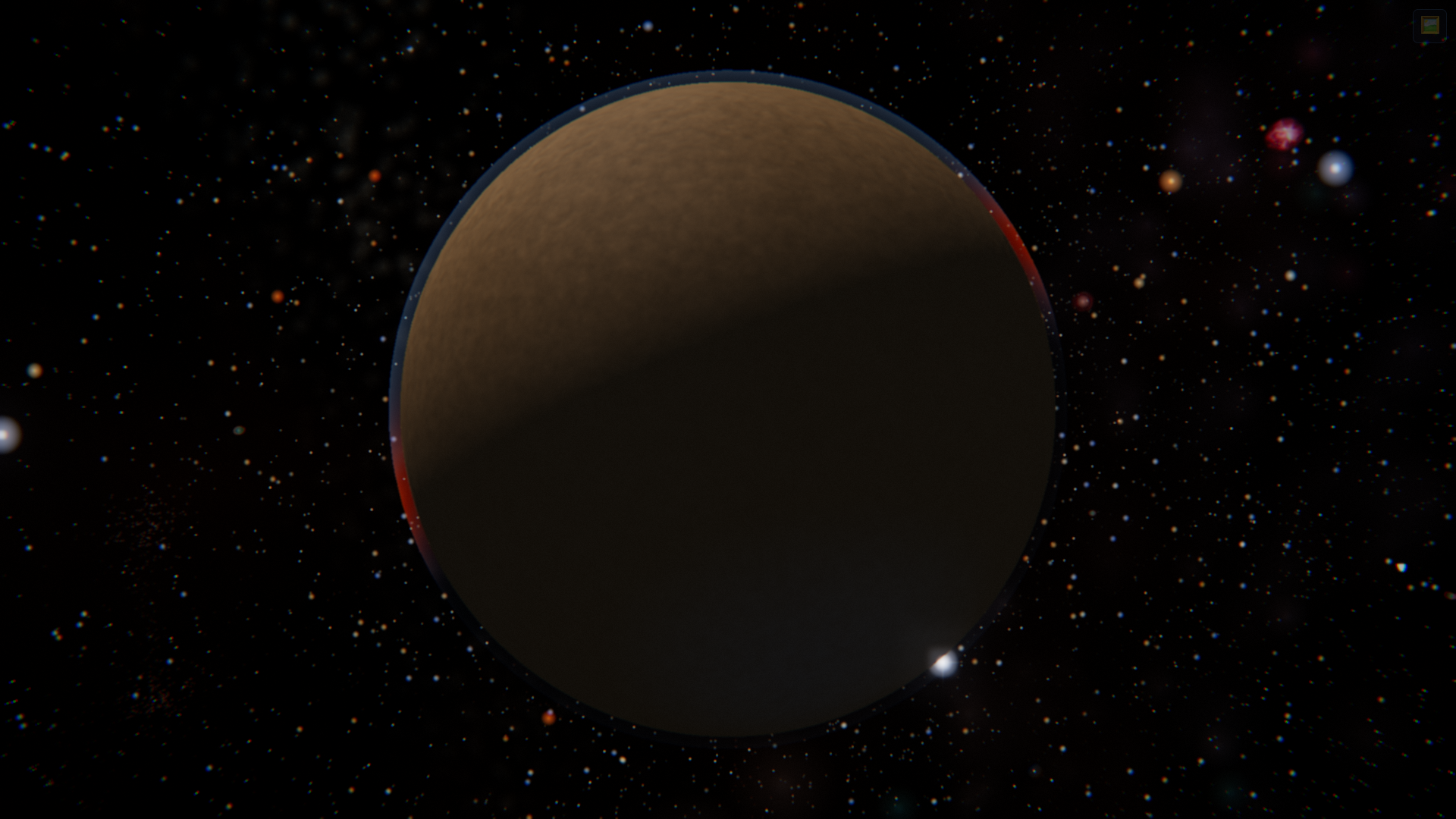
명왕성을 우주 공간에서 바라본 SPACE 시뮬레이션 천체 사진.
📸 오늘의 천체: s2023s12 🌙 오늘의 주제: 위성
https://space.woojinkim.org 🛸 여기로 비행 → https://space.woojinkim.org/play?goto=s2023s12 #우주 #SPACE #천체사진
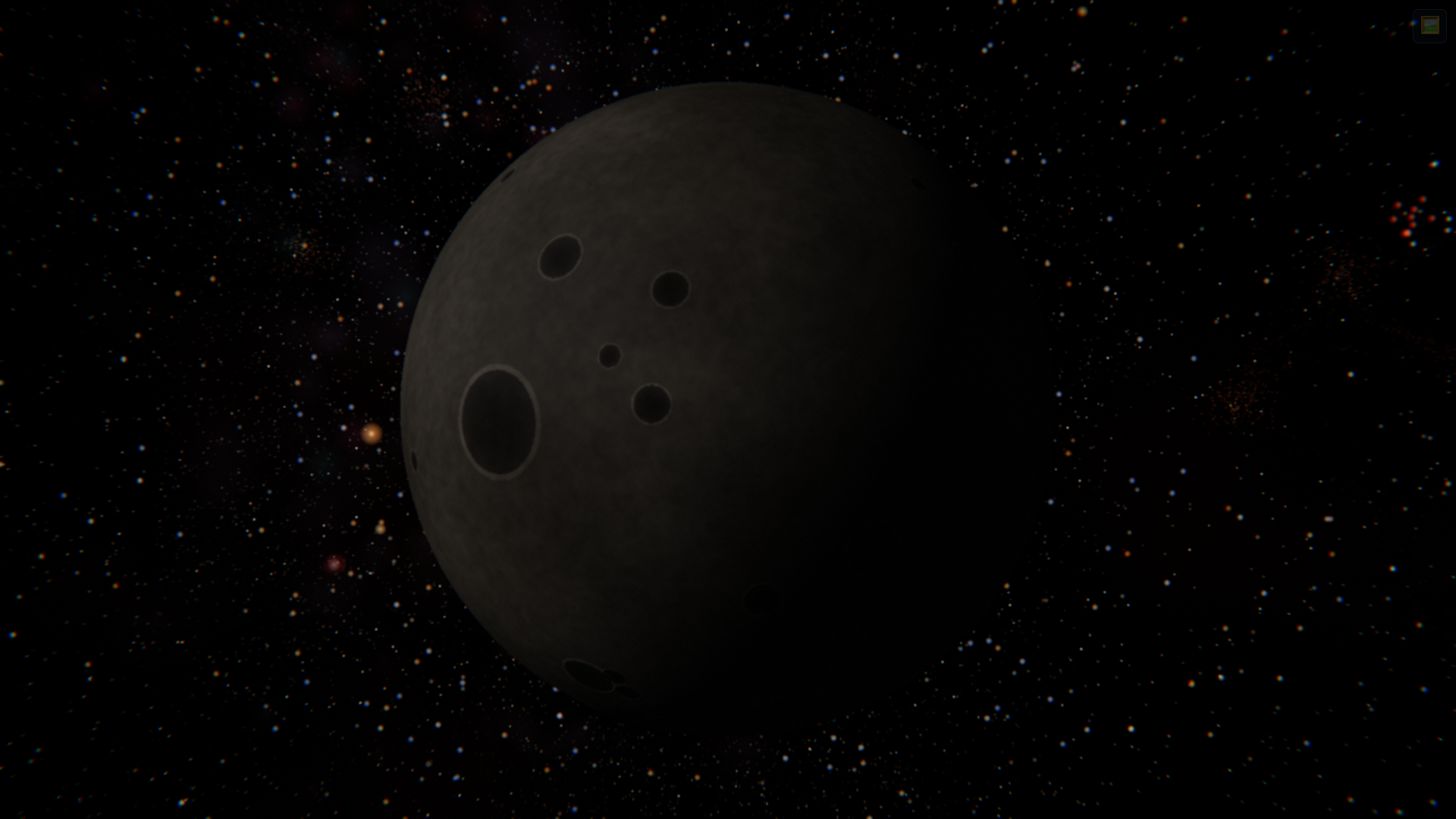
s2023s12를 우주 공간에서 바라본 SPACE 시뮬레이션 천체 사진.
📸 오늘의 천체: s2020s40 🌙 오늘의 주제: 위성
https://space.woojinkim.org 🛸 여기로 비행 → https://space.woojinkim.org/play?goto=s2020s40 #우주 #SPACE #천체사진
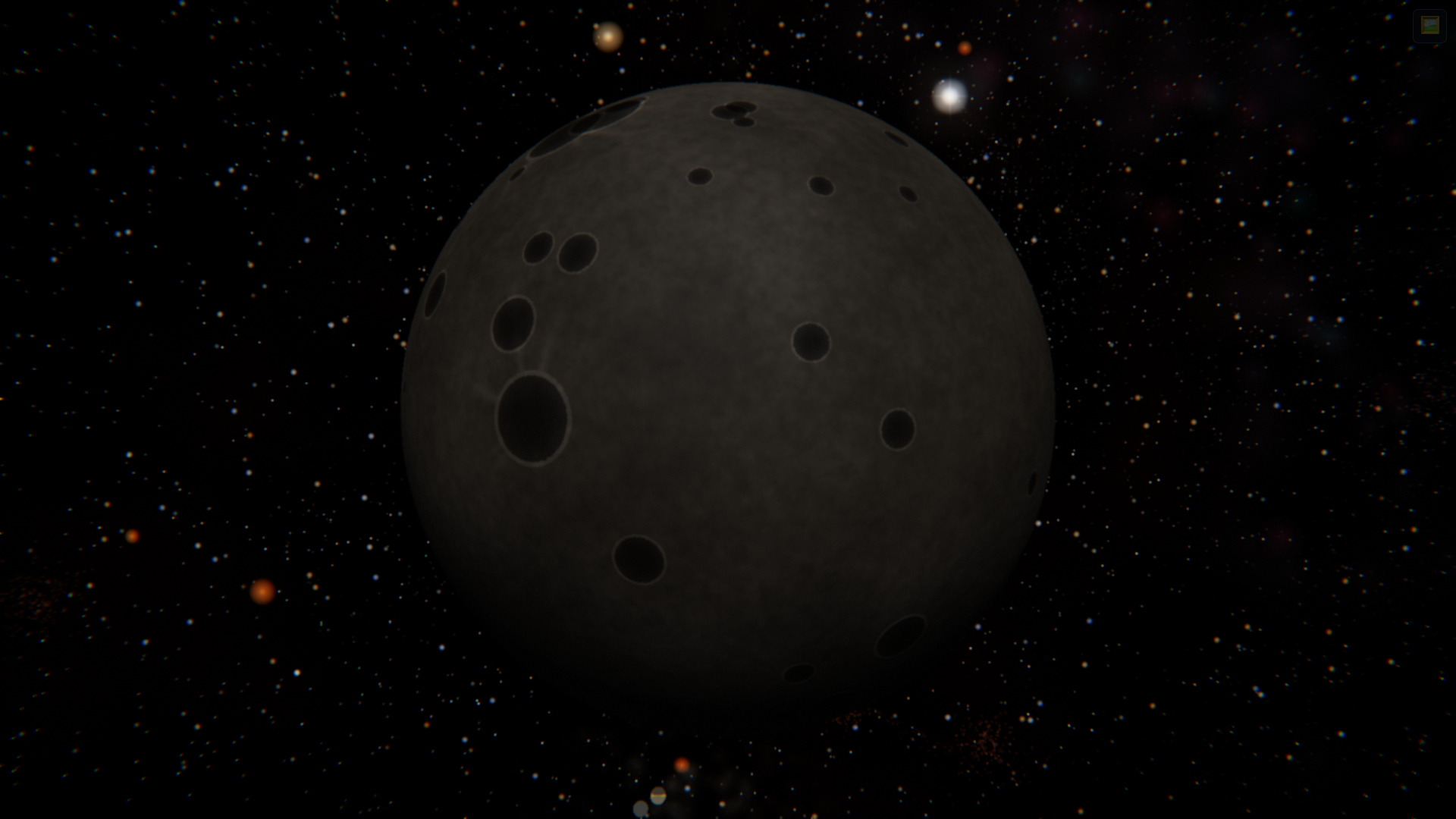
s2020s40를 우주 공간에서 바라본 SPACE 시뮬레이션 천체 사진.
📸 오늘의 천체: s2023s34 🪐 오늘의 주제: 행성
https://space.woojinkim.org 🛸 여기로 비행 → https://space.woojinkim.org/play?goto=s2023s34 #우주 #SPACE #천체사진
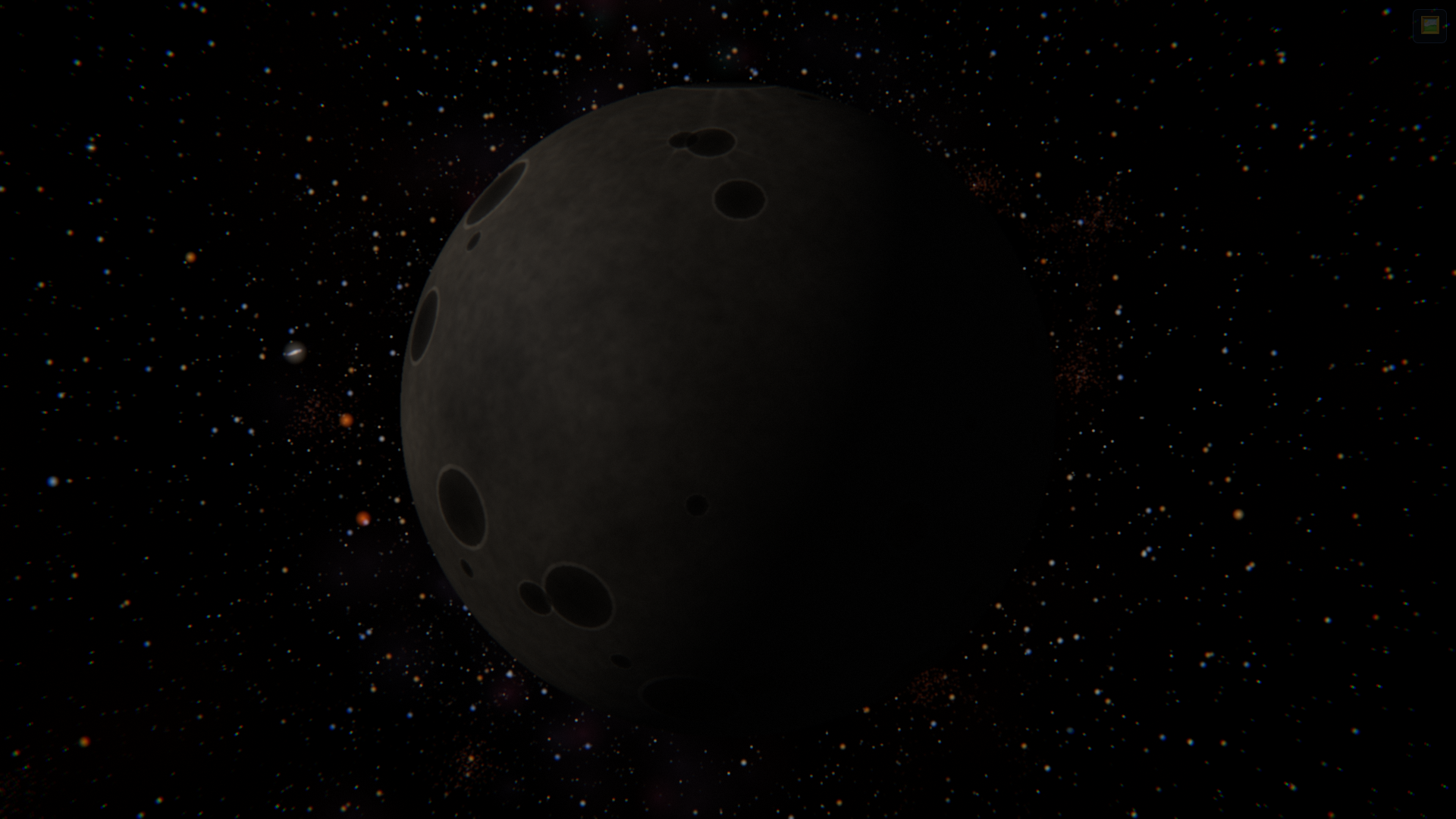
s2023s34를 우주 공간에서 바라본 SPACE 시뮬레이션 천체 사진.
📸 오늘의 천체: s2020s32 🪐 오늘의 주제: 행성
https://space.woojinkim.org 🛸 여기로 비행 → https://space.woojinkim.org/play?goto=s2020s32 #우주 #SPACE #천체사진
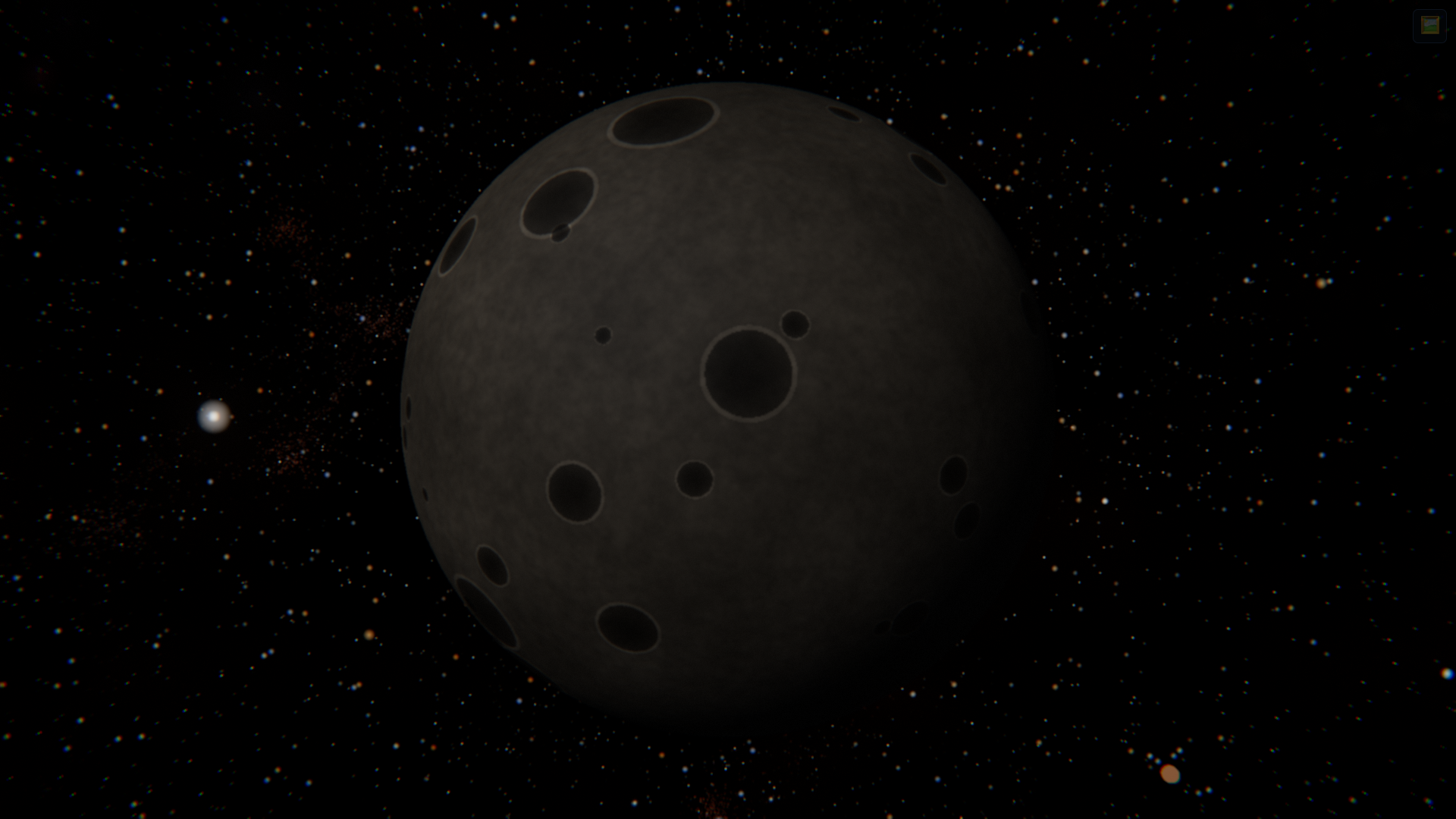
s2020s32를 우주 공간에서 바라본 SPACE 시뮬레이션 천체 사진.
📸 오늘의 천체: 삼각형자리 은하(M33) 🌠 오늘의 주제: 은하·성단
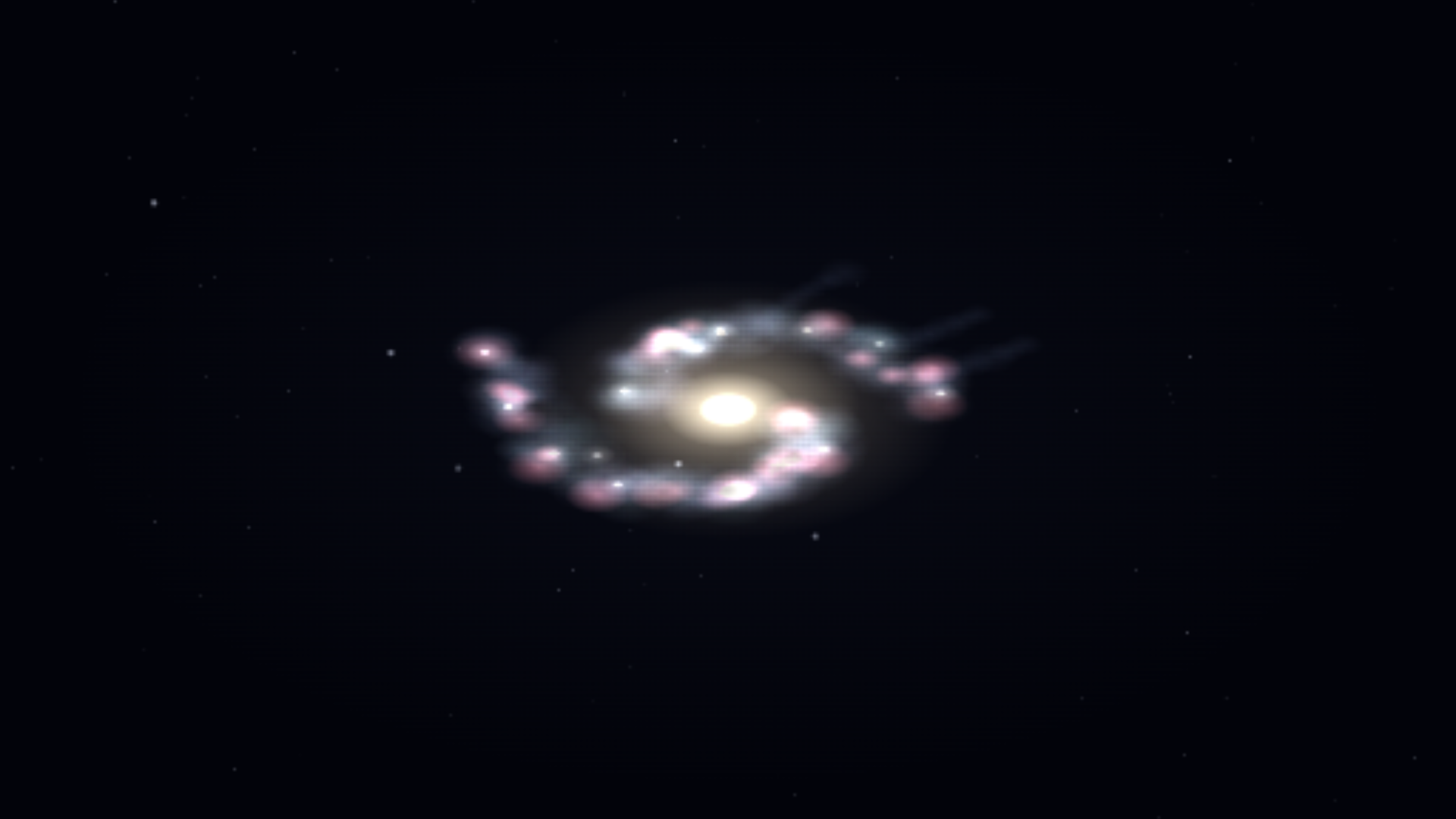
삼각형자리 은하(M33)를 우주 공간에서 바라본 SPACE 시뮬레이션 천체 사진.
📸 오늘의 천체: 대마젤란 은하(LMC) 🌠 오늘의 주제: 은하·성단
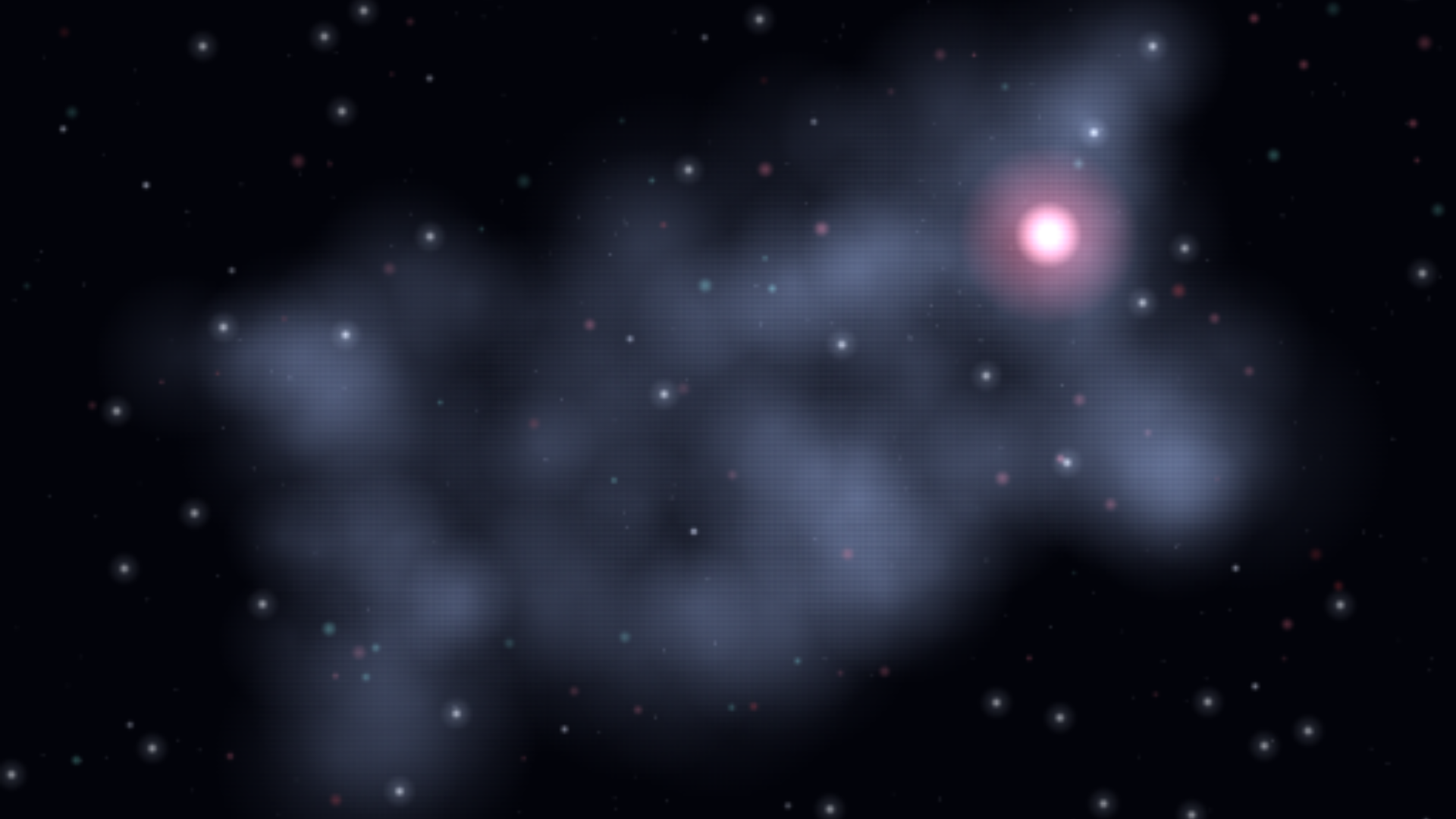
대마젤란 은하(LMC)를 우주 공간에서 바라본 SPACE 시뮬레이션 천체 사진.
📸 오늘의 천체: 대마젤란 은하(LMC) 🌠 오늘의 주제: 은하·성단
대마젤란 은하(LMC)를 우주 공간에서 바라본 SPACE 시뮬레이션 천체 사진.
🔭 업데이트 (2026-07-25) — 하늘이 3차원이 됐습니다
✨ 별에 실측 거리가 실렸습니다. 지금까지 별은 천구에 붙은 그림이라 어느 항성계로 가든 별자리가 지구에서 보던 그대로였는데, 이제 하늘이 우주선 위치에서 다시 계산됩니다. 알파 센타우리에 도착하면 시리우스가 27도 옮겨가 있고 밝기도 0.81배로 줄어듭니다 — 8.6광년이던 거리가 9.5광년이 되니까요.
💫 별 190개가 실제로 밝기가 변합니다. 주기와 진폭이 실제로 측정된 변광성만 골랐습니다. 알골은 2.87일마다 짝별에 가려 3.2배 어두워지고, 베텔게우스는 2,335일에 걸쳐 천천히 밝아졌다 어두워집니다.
🕳 새 목적지, 가이아 BH3 — 태양 32.7배 질량의 휴면 블랙홀(1,924광년). 부착원반이 없어 어느 파장으로도 빛나지 않고, 뒤편 별빛이 원호로 휘는 것으로만 거기 있다는 걸 알 수 있습니다. 실제로도 곁을 도는 늙은 거성이 11.6년 주기로 흔들리는 것을 통해 발견됐습니다.
☄️ 27년 만의 대혜성 쯔진산-아틀라스(C/2023 A3), 그리고 베텔게우스의 동반성 후보도 함께 들어왔습니다.
📸 스크린샷으로 보기 → https://space.woojinkim.org/guide/spotlight 📝 전체 수정사항 → https://space.woojinkim.org/guide/changes #우주 #SPACE #천체사진
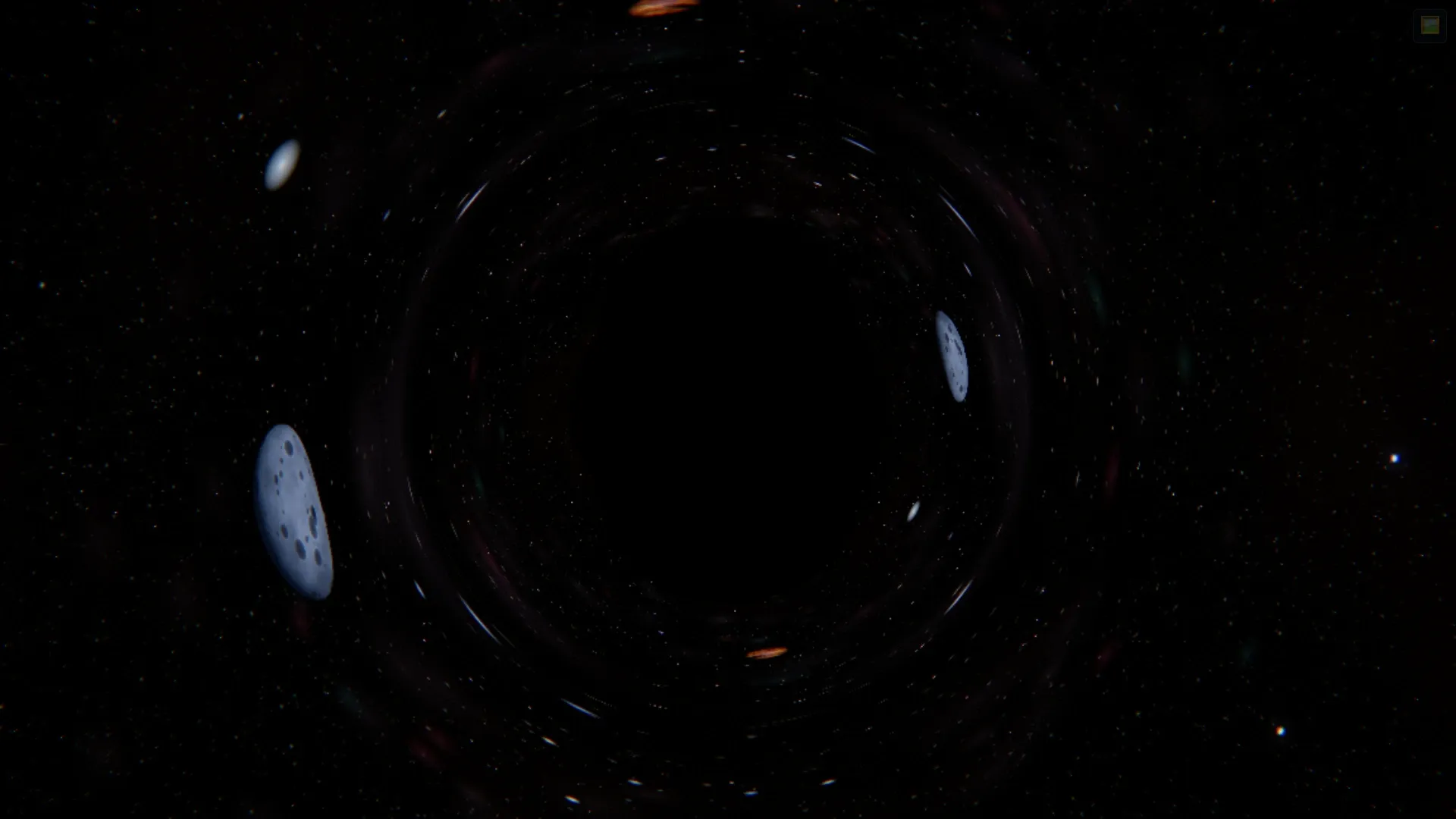
가이아 BH3 — 부착원반이 전혀 없는 캄캄한 블랙홀. 화면 중앙의 검은 구멍 둘레로 뒤편 별빛이 원호를 그리며 휘어 감겨 있고, 좌우에 크레이터가 팬 암석 천체 두 개가 떠 있다.
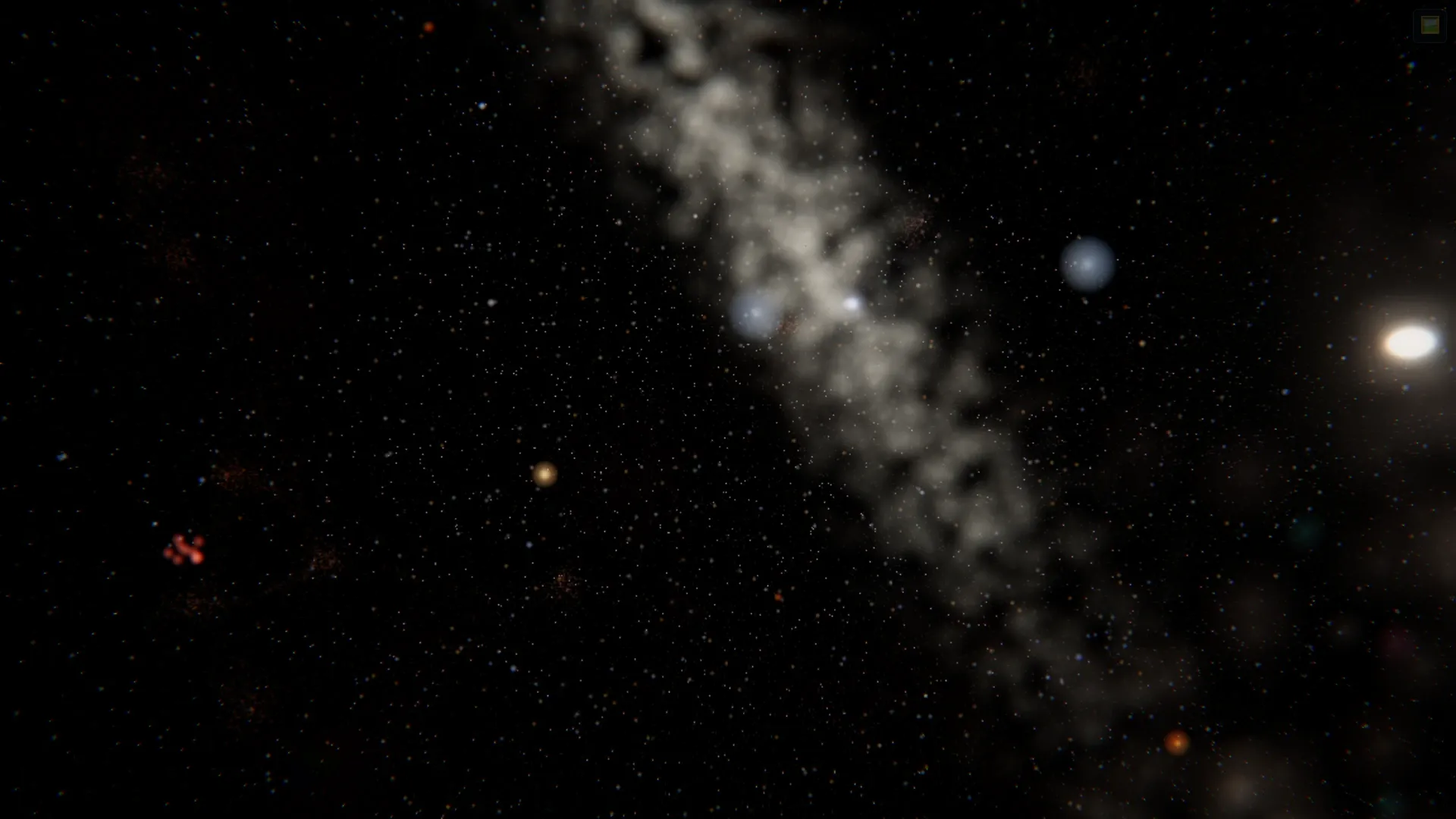
알파 센타우리에서 본 밤하늘. 오른쪽에 이 항성계의 두 번째 태양(α Cen B)이 밝게 타오르고, 화면 가득 별밭과 은하수 띠가 펼쳐져 있다. 지구에서 보던 별자리와는 별들의 배치가 다르다.
🔭 업데이트 (2026-07-25) — 하늘이 3차원이 됐습니다
✨ 별에 실측 거리가 실렸습니다. 지금까지 별은 천구에 붙은 그림이라 어느 항성계로 가든 별자리가 지구에서 보던 그대로였는데, 이제 하늘이 우주선 위치에서 다시 계산됩니다. 알파 센타우리에 도착하면 시리우스가 27도 옮겨가 있고 밝기도 0.81배로 줄어듭니다 — 8.6광년이던 거리가 9.5광년이 되니까요.
💫 별 190개가 실제로 밝기가 변합니다. 주기와 진폭이 실제로 측정된 변광성만 골랐습니다. 알골은 2.87일마다 짝별에 가려 3.2배 어두워지고, 베텔게우스는 2,335일에 걸쳐 천천히 밝아졌다 어두워집니다.
🕳 새 목적지, 가이아 BH3 — 태양 32.7배 질량의 휴면 블랙홀(1,924광년). 부착원반이 없어 어느 파장으로도 빛나지 않고, 뒤편 별빛이 원호로 휘는 것으로만 거기 있다는 걸 알 수 있습니다. 실제로도 곁을 도는 늙은 거성이 11.6년 주기로 흔들리는 것을 통해 발견됐습니다.
☄️ 27년 만의 대혜성 쯔진산-아틀라스(C/2023 A3), 그리고 베텔게우스의 동반성 후보도 함께 들어왔습니다.
📸 스크린샷으로 보기 → https://space.woojinkim.org/guide/spotlight 📝 전체 수정사항 → https://space.woojinkim.org/guide/changes #우주 #SPACE #천체사진
가이아 BH3 — 부착원반이 전혀 없는 캄캄한 블랙홀. 화면 중앙의 검은 구멍 둘레로 뒤편 별빛이 원호를 그리며 휘어 감겨 있고, 좌우에 크레이터가 팬 암석 천체 두 개가 떠 있다.
알파 센타우리에서 본 밤하늘. 오른쪽에 이 항성계의 두 번째 태양(α Cen B)이 밝게 타오르고, 화면 가득 별밭과 은하수 띠가 펼쳐져 있다. 지구에서 보던 별자리와는 별들의 배치가 다르다.
🔭 업데이트 (2026-07-25) — 하늘이 3차원이 됐습니다
✨ 별에 실측 거리가 실렸습니다. 지금까지 별은 천구에 붙은 그림이라 어느 항성계로 가든 별자리가 지구에서 보던 그대로였는데, 이제 하늘이 우주선 위치에서 다시 계산됩니다. 알파 센타우리에 도착하면 시리우스가 27도 옮겨가 있고 밝기도 0.81배로 줄어듭니다 — 8.6광년이던 거리가 9.5광년이 되니까요.
💫 별 190개가 실제로 밝기가 변합니다. 주기와 진폭이 실제로 측정된 변광성만 골랐습니다. 알골은 2.87일마다 짝별에 가려 3.2배 어두워지고, 베텔게우스는 2,335일에 걸쳐 천천히 밝아졌다 어두워집니다.
🕳 새 목적지, 가이아 BH3 — 태양 32.7배 질량의 휴면 블랙홀(1,924광년). 부착원반이 없어 어느 파장으로도 빛나지 않고, 뒤편 별빛이 원호로 휘는 것으로만 거기 있다는 걸 알 수 있습니다. 실제로도 곁을 도는 늙은 거성이 11.6년 주기로 흔들리는 것을 통해 발견됐습니다.
☄️ 27년 만의 대혜성 쯔진산-아틀라스(C/2023 A3), 그리고 베텔게우스의 동반성 후보도 함께 들어왔습니다.
📸 스크린샷으로 보기 → https://space.woojinkim.org/guide/spotlight 📝 전체 수정사항 → https://space.woojinkim.org/guide/changes #우주 #SPACE #천체사진
가이아 BH3 — 부착원반이 전혀 없는 캄캄한 블랙홀. 화면 중앙의 검은 구멍 둘레로 뒤편 별빛이 원호를 그리며 휘어 감겨 있고, 좌우에 크레이터가 팬 암석 천체 두 개가 떠 있다.
알파 센타우리에서 본 밤하늘. 오른쪽에 이 항성계의 두 번째 태양(α Cen B)이 밝게 타오르고, 화면 가득 별밭과 은하수 띠가 펼쳐져 있다. 지구에서 보던 별자리와는 별들의 배치가 다르다.
🔭 업데이트 (2026-07-25) — 하늘이 3차원이 됐습니다
✨ 별에 실측 거리가 실렸습니다. 지금까지 별은 천구에 붙은 그림이라 어느 항성계로 가든 별자리가 지구에서 보던 그대로였는데, 이제 하늘이 우주선 위치에서 다시 계산됩니다. 알파 센타우리에 도착하면 시리우스가 27도 옮겨가 있고 밝기도 0.81배로 줄어듭니다 — 8.6광년이던 거리가 9.5광년이 되니까요.
💫 별 190개가 실제로 밝기가 변합니다. 주기와 진폭이 실제로 측정된 변광성만 골랐습니다. 알골은 2.87일마다 짝별에 가려 3.2배 어두워지고, 베텔게우스는 2,335일에 걸쳐 천천히 밝아졌다 어두워집니다.
🕳 새 목적지, 가이아 BH3 — 태양 32.7배 질량의 휴면 블랙홀(1,924광년). 부착원반이 없어 어느 파장으로도 빛나지 않고, 뒤편 별빛이 원호로 휘는 것으로만 거기 있다는 걸 알 수 있습니다. 실제로도 곁을 도는 늙은 거성이 11.6년 주기로 흔들리는 것을 통해 발견됐습니다.
☄️ 27년 만의 대혜성 쯔진산-아틀라스(C/2023 A3), 그리고 베텔게우스의 동반성 후보도 함께 들어왔습니다.
📸 스크린샷으로 보기 → https://space.woojinkim.org/guide/spotlight 📝 전체 수정사항 → https://space.woojinkim.org/guide/changes #우주 #SPACE #천체사진
가이아 BH3 — 부착원반이 전혀 없는 캄캄한 블랙홀. 화면 중앙의 검은 구멍 둘레로 뒤편 별빛이 원호를 그리며 휘어 감겨 있고, 좌우에 크레이터가 팬 암석 천체 두 개가 떠 있다.
알파 센타우리에서 본 밤하늘. 오른쪽에 이 항성계의 두 번째 태양(α Cen B)이 밝게 타오르고, 화면 가득 별밭과 은하수 띠가 펼쳐져 있다. 지구에서 보던 별자리와는 별들의 배치가 다르다.
📸 오늘의 천체: 오리온 성운(M42) 🌌 오늘의 주제: 성운
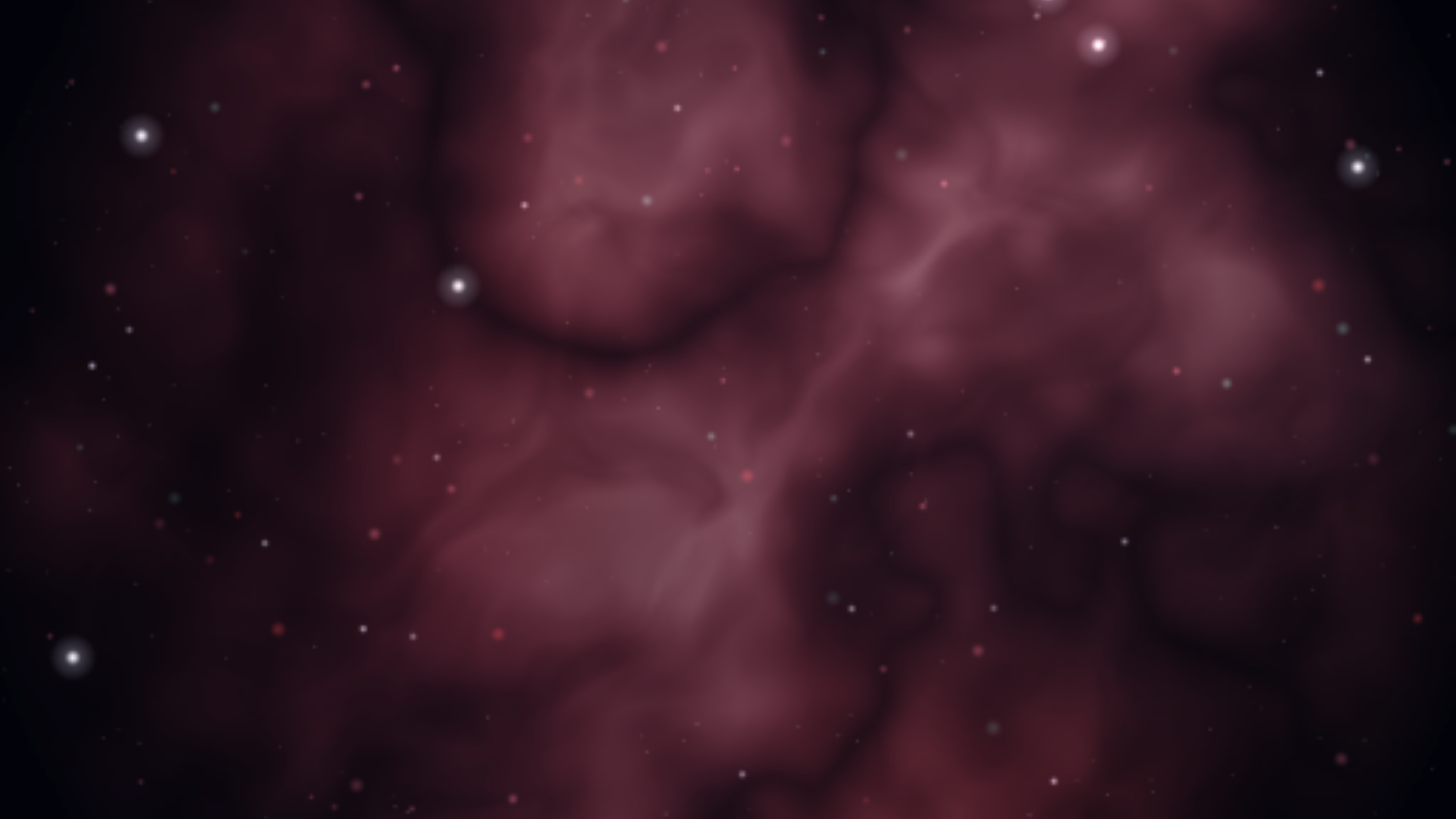
오리온 성운(M42)를 우주 공간에서 바라본 SPACE 시뮬레이션 천체 사진.
📸 오늘의 천체: 아펩 (Apep · WR 쌍성 나선) 🌌 오늘의 주제: 성운
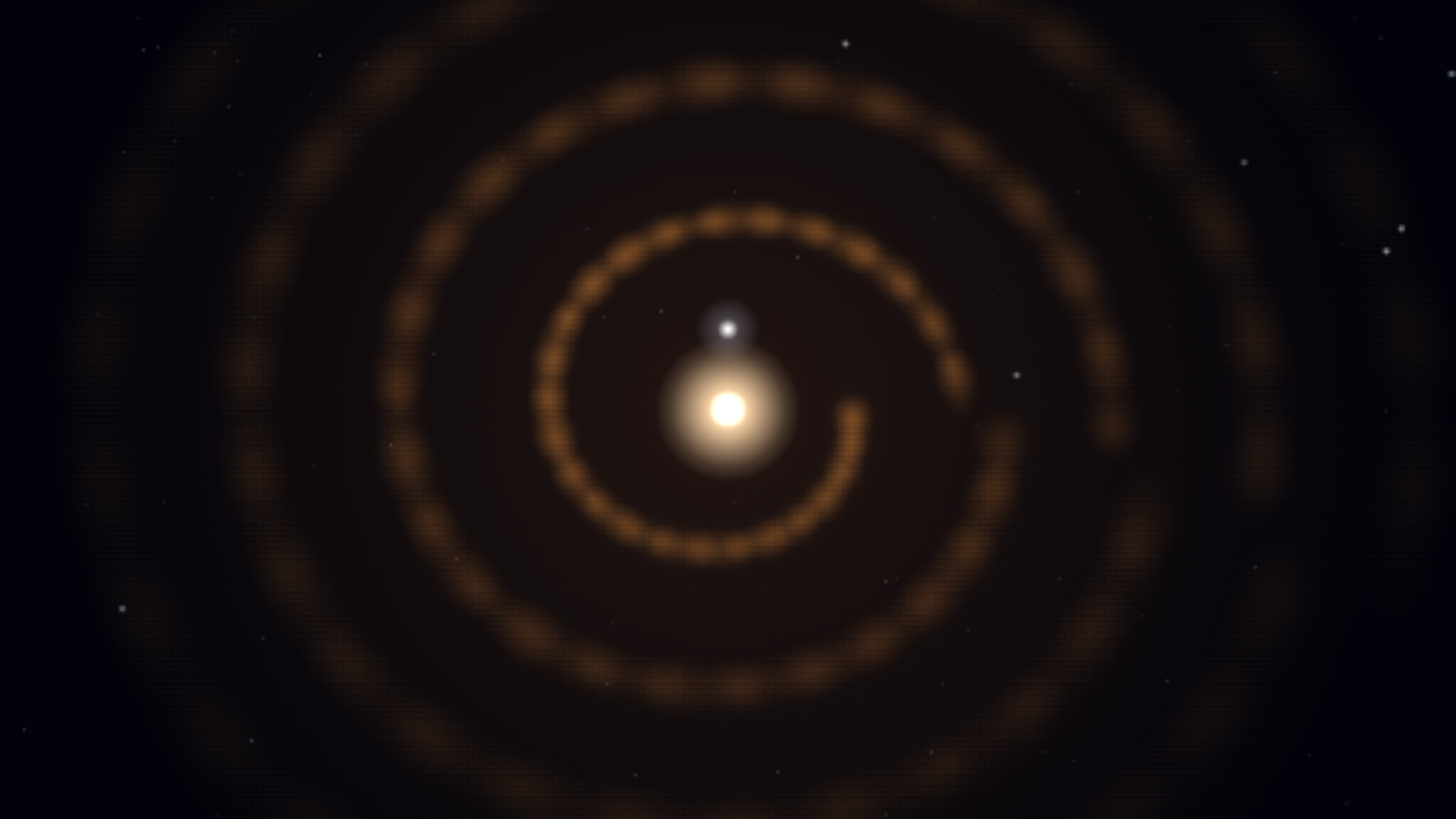
아펩 (Apep · WR 쌍성 나선)를 우주 공간에서 바라본 SPACE 시뮬레이션 천체 사진.
📸 오늘의 천체: 아펩 (Apep · WR 쌍성 나선) 🌌 오늘의 주제: 성운
아펩 (Apep · WR 쌍성 나선)를 우주 공간에서 바라본 SPACE 시뮬레이션 천체 사진.
📸 오늘의 천체: 아펩 (Apep · WR 쌍성 나선) 🌌 오늘의 주제: 성운
아펩 (Apep · WR 쌍성 나선)를 우주 공간에서 바라본 SPACE 시뮬레이션 천체 사진.
📸 오늘의 천체: Luyten 726-8 b 🪐 오늘의 주제: 외계행성
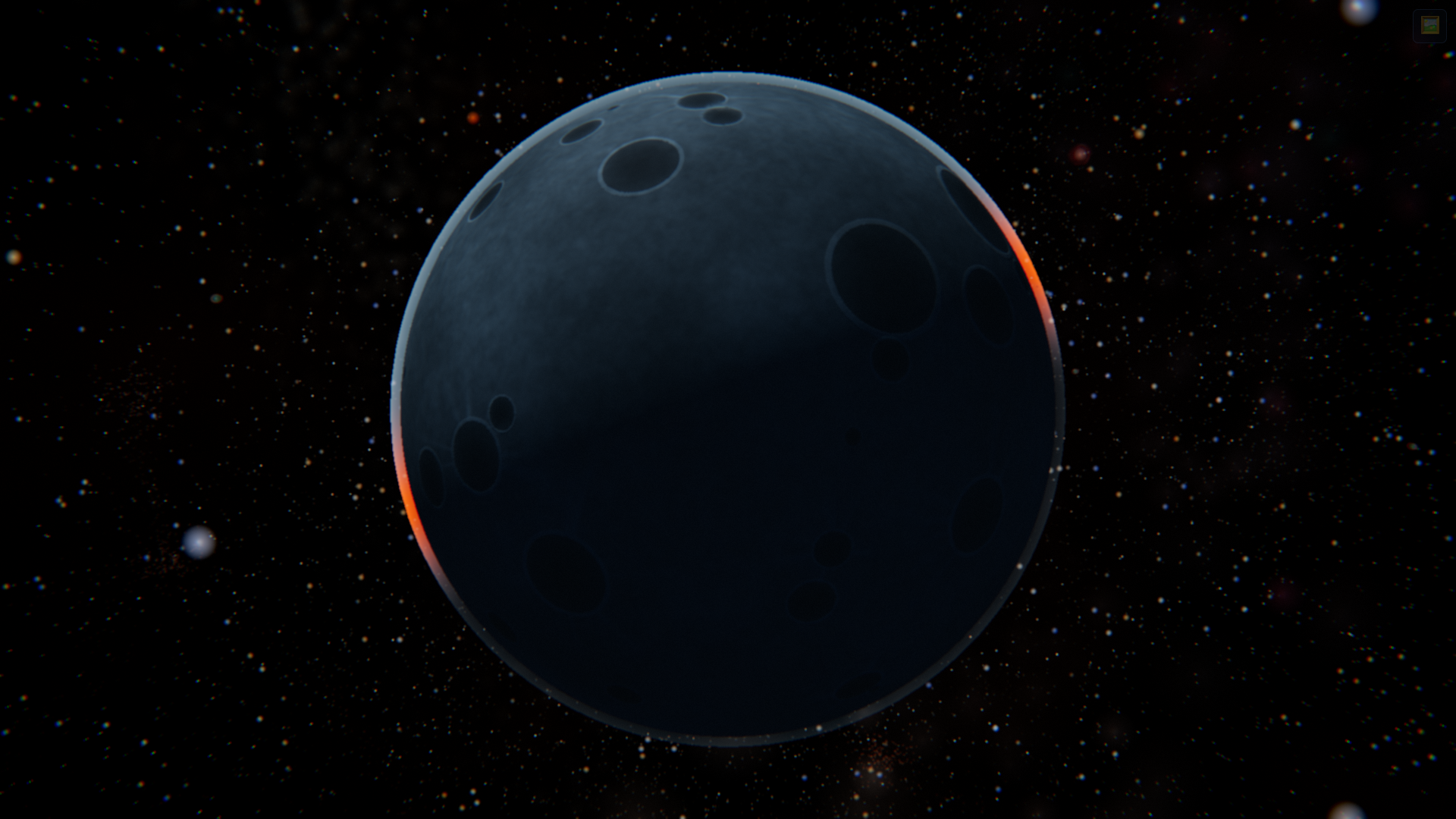
Luyten 726-8 b를 우주 공간에서 바라본 SPACE 시뮬레이션 천체 사진.
📸 오늘의 천체: Betelgeuse d 🪐 오늘의 주제: 외계행성
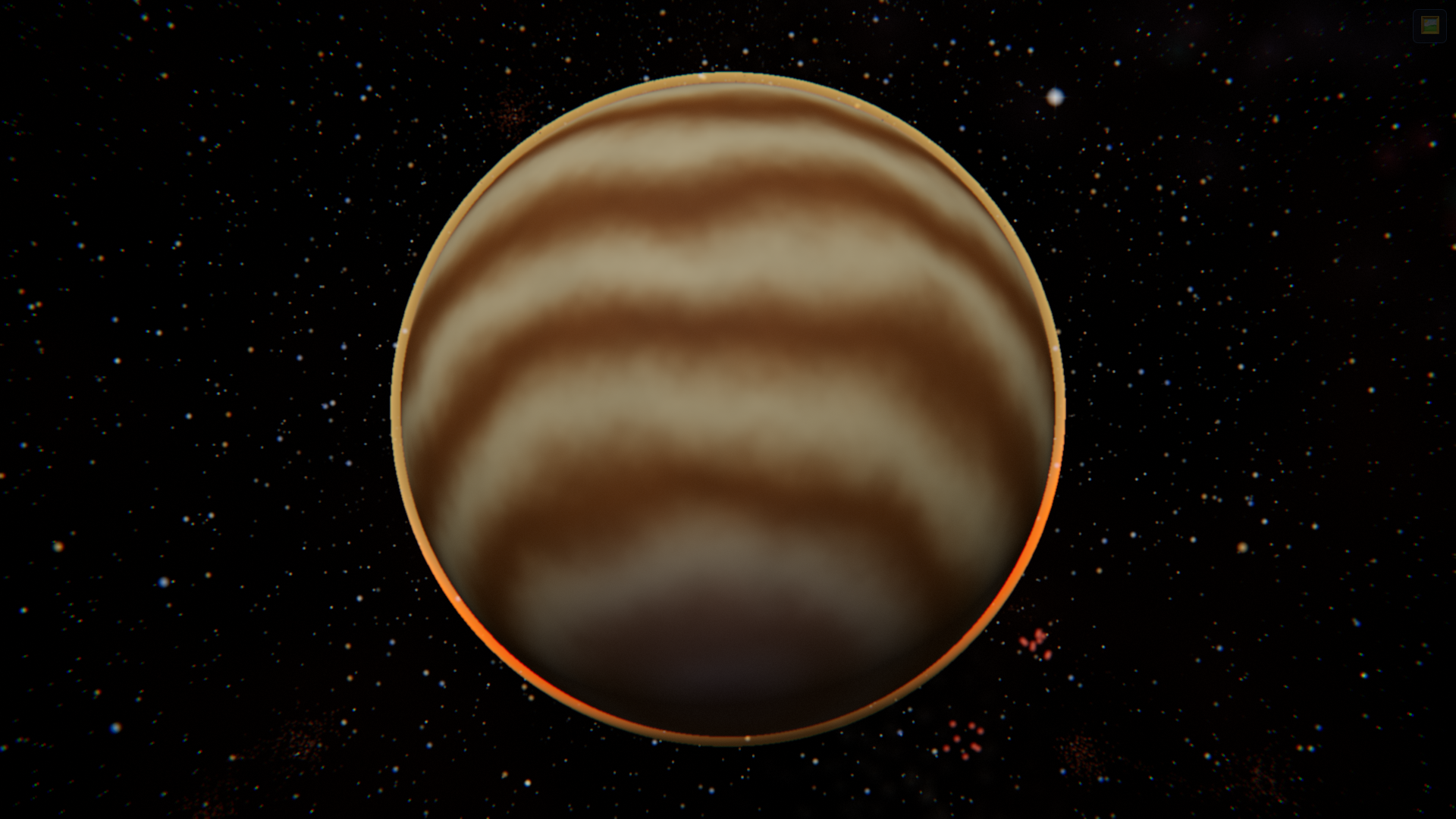
Betelgeuse d를 우주 공간에서 바라본 SPACE 시뮬레이션 천체 사진.
📸 오늘의 천체: Kapteyn's Star c 🌫️ 오늘의 주제: 가스행성
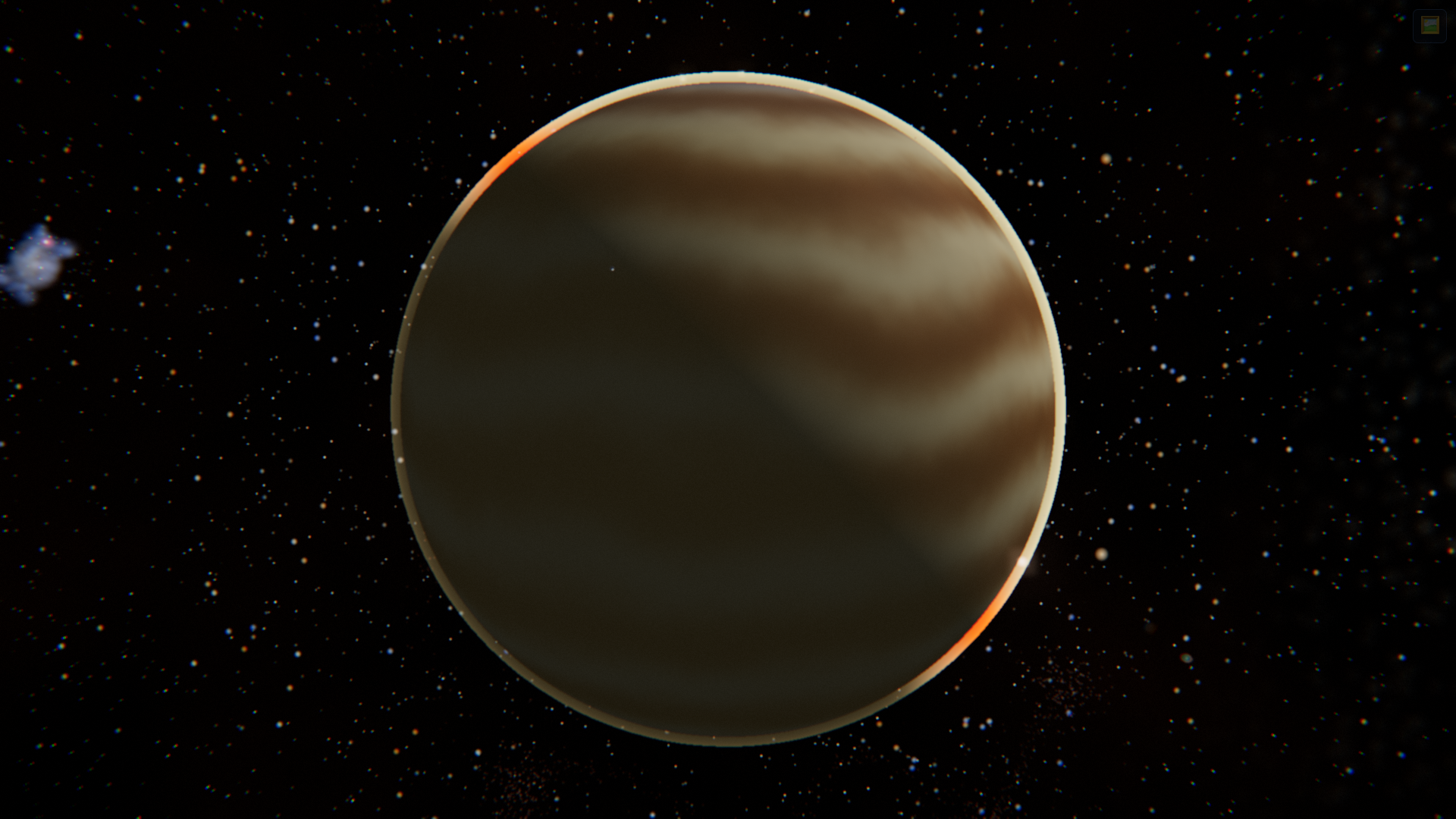
Kapteyn's Star c를 우주 공간에서 바라본 SPACE 시뮬레이션 천체 사진.
📸 오늘의 천체: Beta Centauri (Hadar) f 🌫️ 오늘의 주제: 가스행성
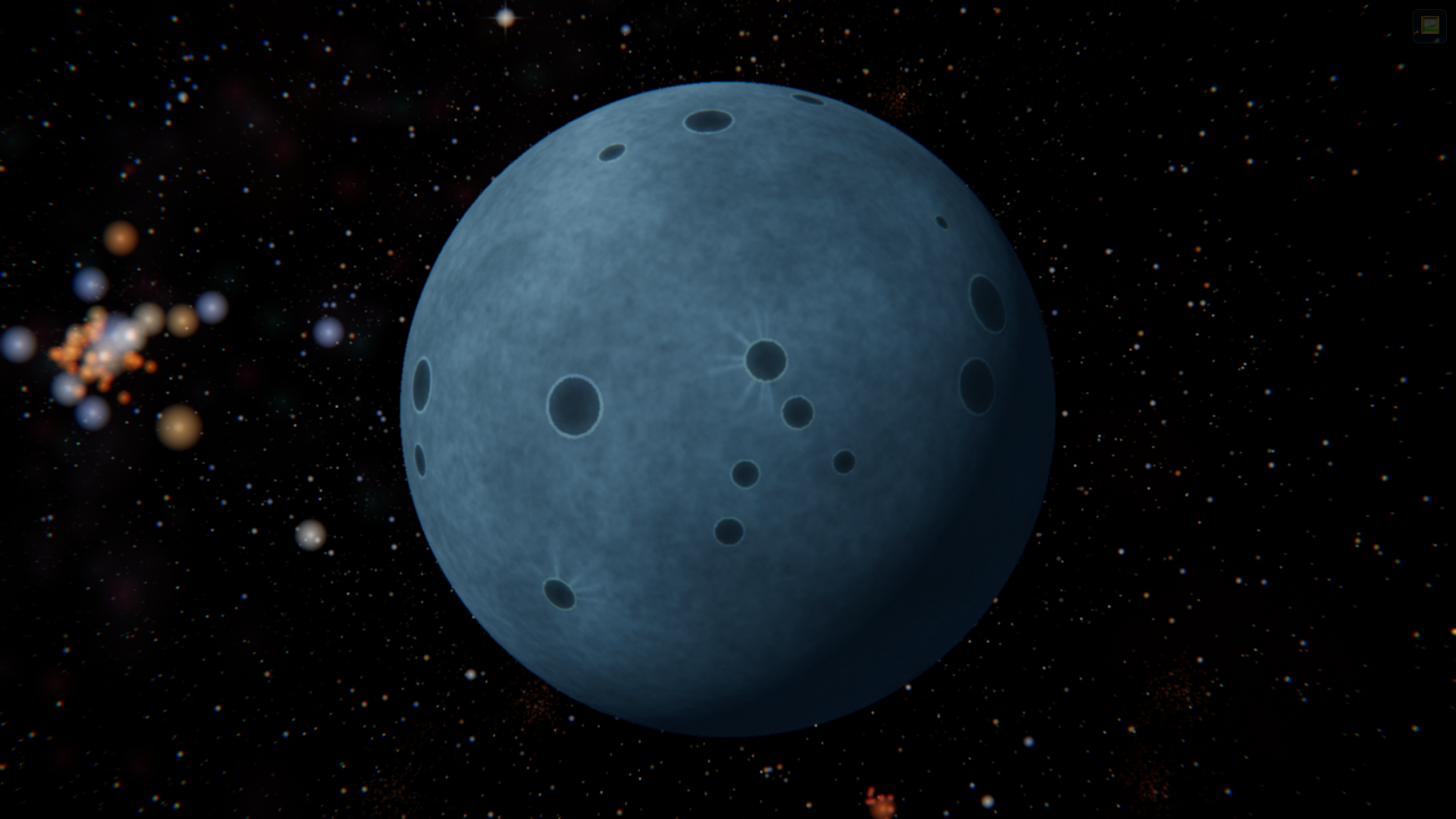
Beta Centauri (Hadar) f를 우주 공간에서 바라본 SPACE 시뮬레이션 천체 사진.
📸 오늘의 천체: 마케마케 ☄️ 오늘의 주제: 왜소·소행성
https://space.woojinkim.org 🛸 여기로 비행 → https://space.woojinkim.org/play?goto=makemake #우주 #SPACE #천체사진
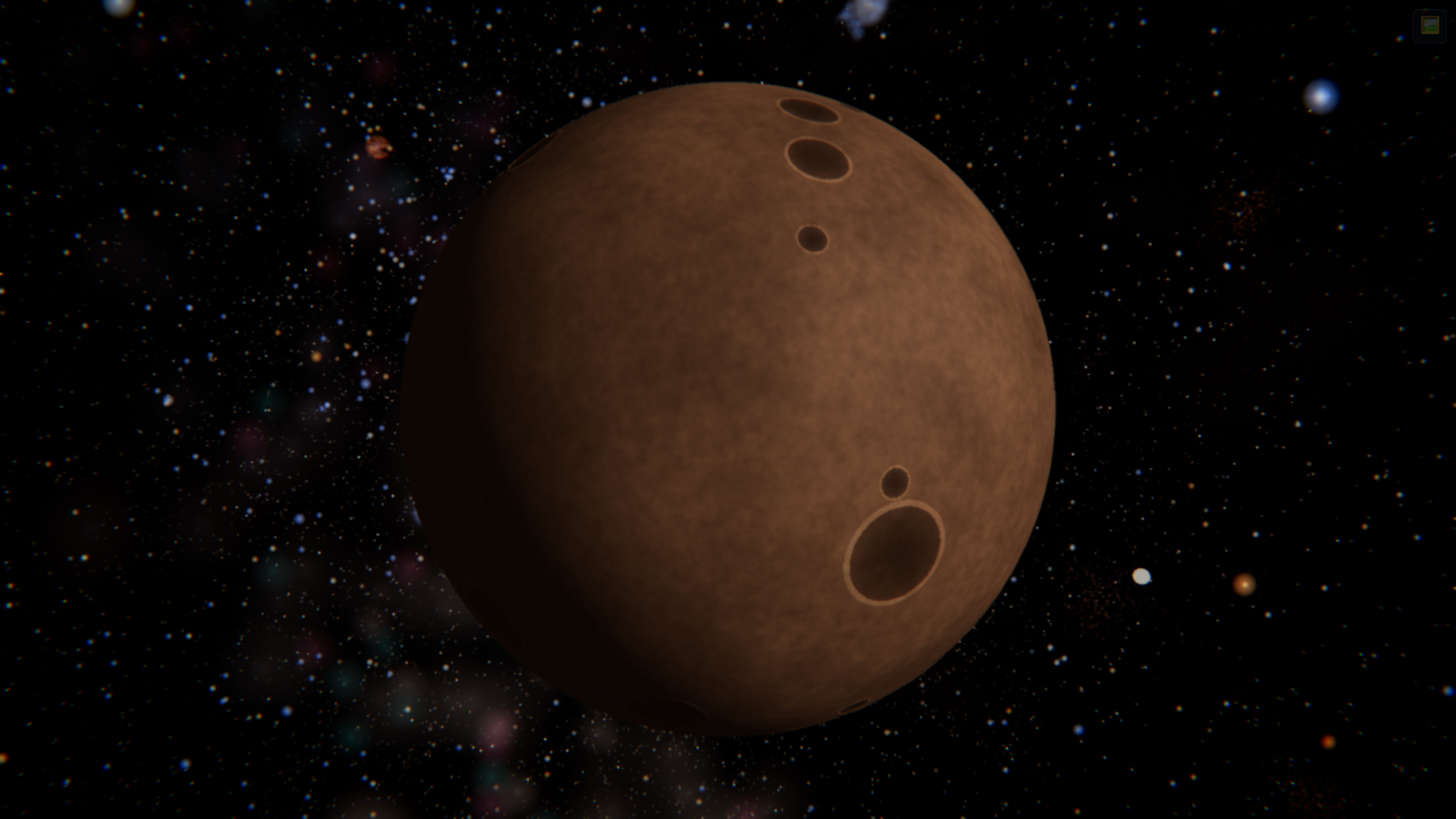
마케마케를 우주 공간에서 바라본 SPACE 시뮬레이션 천체 사진.
📸 오늘의 천체: 세레스 ☄️ 오늘의 주제: 왜소·소행성
https://space.woojinkim.org 🛸 여기로 비행 → https://space.woojinkim.org/play?goto=ceres #우주 #SPACE #천체사진
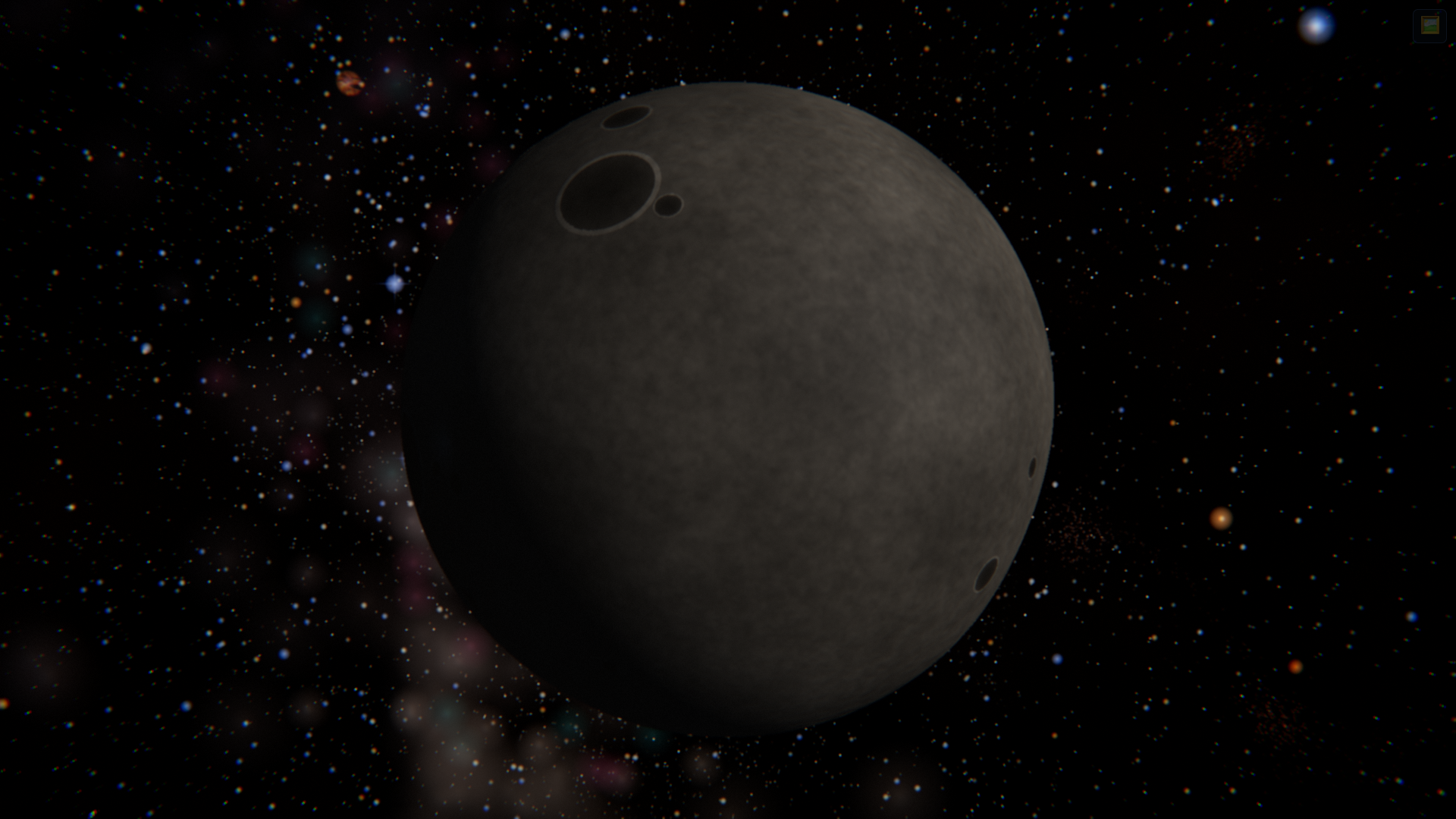
세레스를 우주 공간에서 바라본 SPACE 시뮬레이션 천체 사진.
🔭 업데이트 (2026-07-21) — 실제 연구 4건이 게임에 들어왔습니다
🪐 알파 센타우리 Ab — 가장 가까운 태양형 별의 거주가능대에서 JWST가 포착한 가스행성 후보. 아직 미확정이라는 사실까지 목적지 설명에 그대로 적었습니다 🌙 토성 위성 +128 = 274개 — 2025년 일괄 공인된 불규칙위성 무리를 실측 궤도로. 전부 착륙 가능, 반경 1 km짜리 게임 최소 천체 포함 🕳 궁수자리 A*가 쉬지 않고 깜빡입니다 — JWST 48시간 관측의 '쉼 없는' 변광. 모든 방문자가 같은 순간 같은 플레어를 봅니다 🌀 새 심우주 목적지 아펩(Apep) — 볼프-레이에 쌍성이 ~700년에 걸쳐 빚은 4겹 호박색 먼지 나선 (약 7,800광년)
📸 스크린샷으로 보기 → https://space.woojinkim.org/guide/spotlight 📝 전체 수정사항 → https://space.woojinkim.org/guide/changes
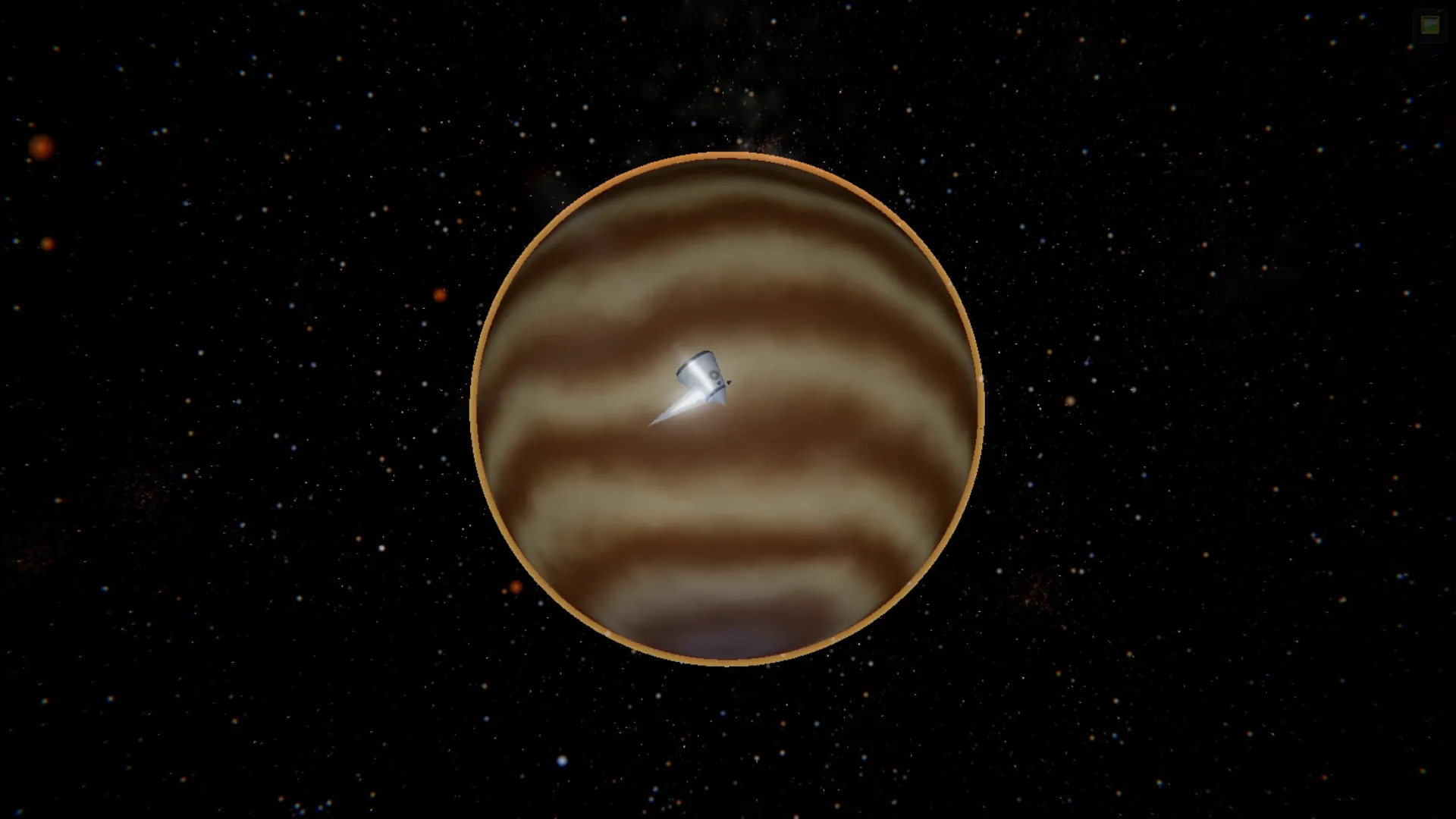
알파 센타우리 Ab — 줄무늬 가스행성 후보 앞을 우주선이 지나가는 인게임 장면
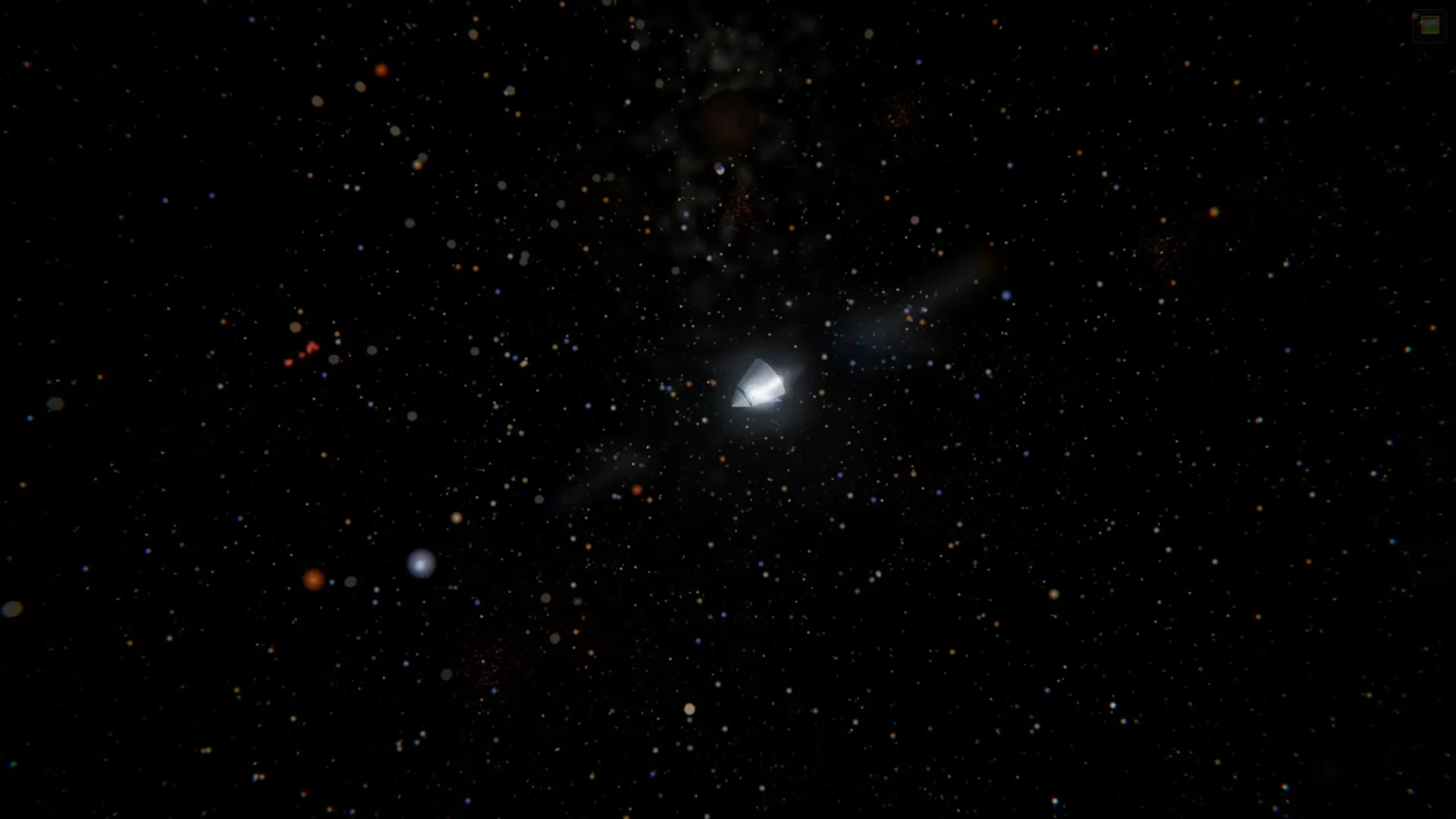
토성 불규칙위성 S/2023 S 1 — 반경 1.5km 암석 곁의 우주선, 하늘에 무리의 다른 위성 라벨들
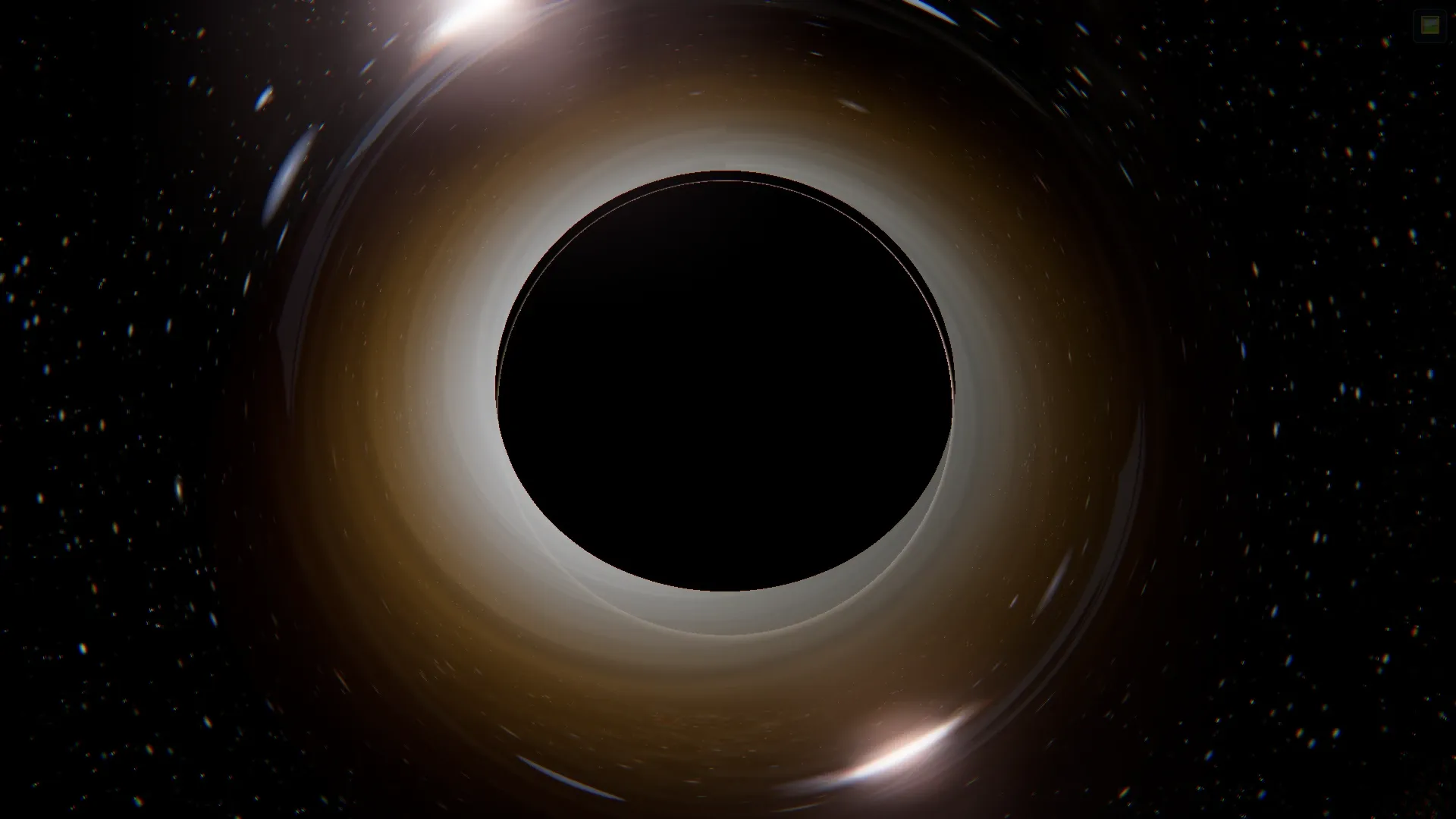
궁수자리 A* — 측지선 렌즈로 휜 부착원반과 광자 고리, 상시 변광이 입혀진 모습
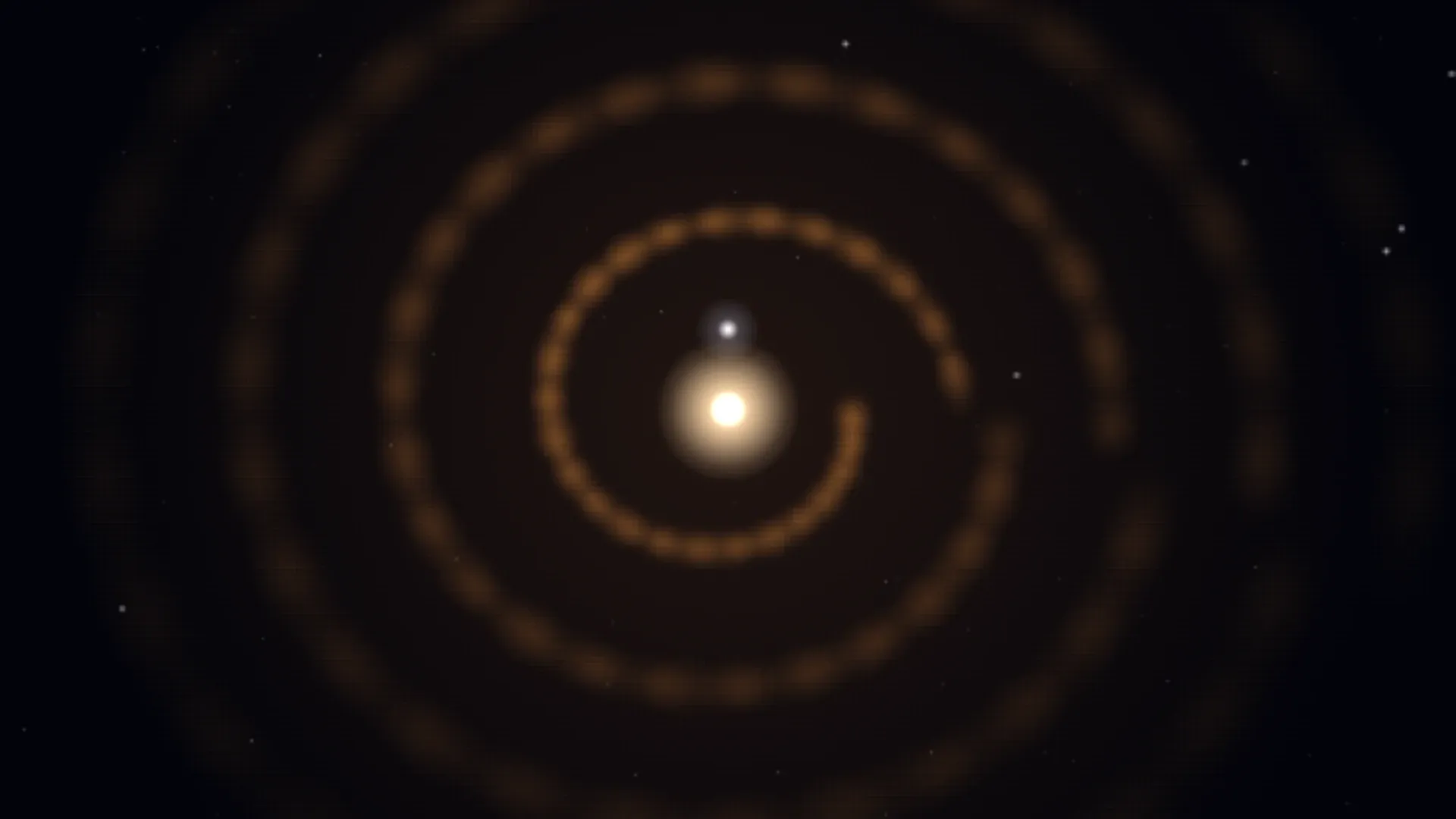
아펩(Apep) — 볼프-레이에 쌍성을 둘러싼 4겹 호박색 먼지 나선
📸 오늘의 천체: s2023s26 🌙 오늘의 주제: 위성
https://space.woojinkim.org 🛸 여기로 비행 → https://space.woojinkim.org/play?goto=s2023s26 #우주 #SPACE #천체사진
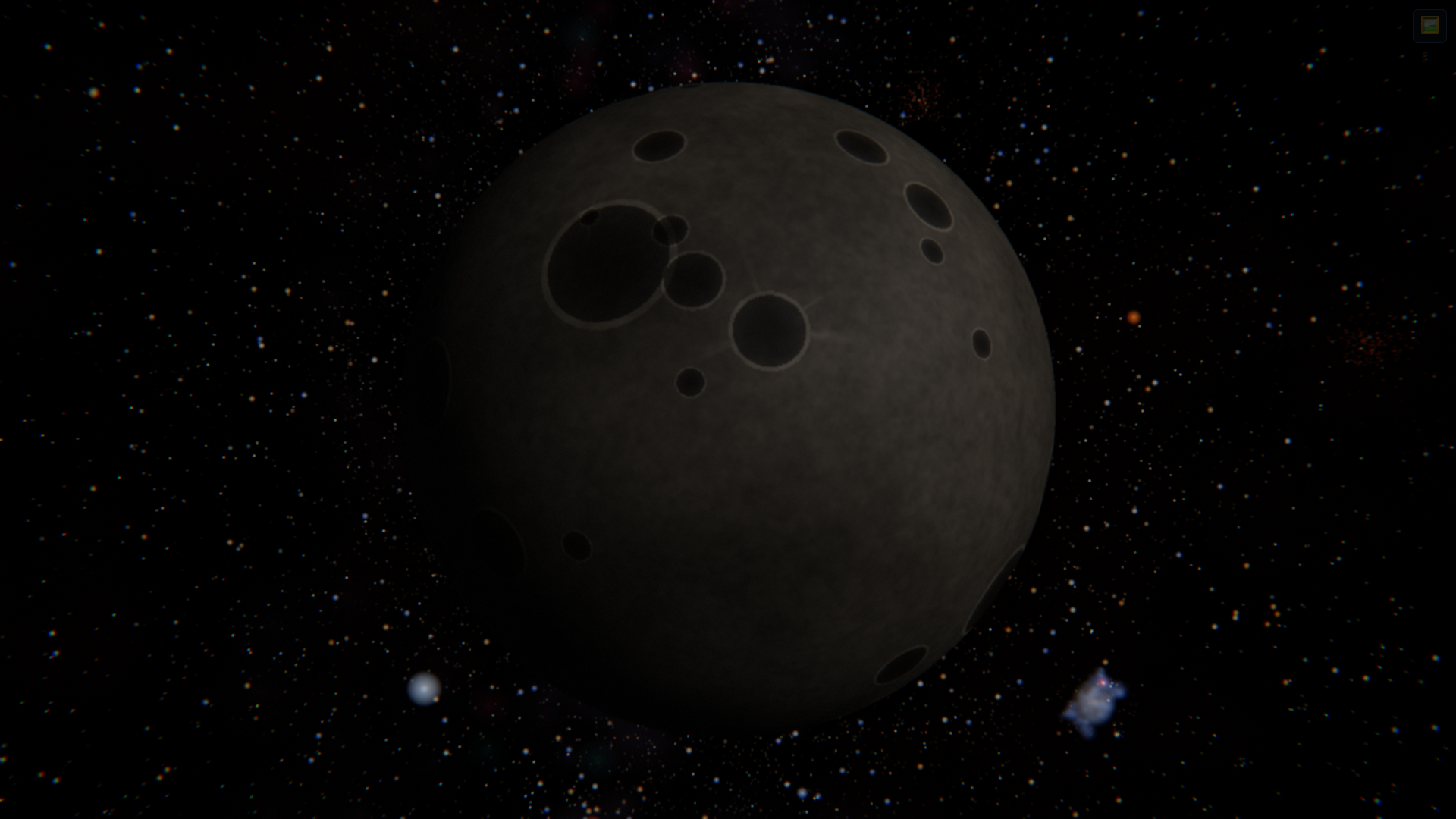
s2023s26를 우주 공간에서 바라본 SPACE 시뮬레이션 천체 사진.
🔭 업데이트 (2026-07-21) — 실제 연구 4건이 게임에 들어왔습니다
🪐 알파 센타우리 Ab — 가장 가까운 태양형 별의 거주가능대에서 JWST가 포착한 가스행성 후보. 아직 미확정이라는 사실까지 목적지 설명에 그대로 적었습니다 🌙 토성 위성 +128 = 274개 — 2025년 일괄 공인된 불규칙위성 무리를 실측 궤도로. 전부 착륙 가능, 반경 1 km짜리 게임 최소 천체 포함 🕳 궁수자리 A*가 쉬지 않고 깜빡입니다 — JWST 48시간 관측의 '쉼 없는' 변광. 모든 방문자가 같은 순간 같은 플레어를 봅니다 🌀 새 심우주 목적지 아펩(Apep) — 볼프-레이에 쌍성이 ~700년에 걸쳐 빚은 4겹 호박색 먼지 나선 (약 7,800광년)
📸 스크린샷으로 보기 → https://space.woojinkim.org/guide/spotlight 📝 전체 수정사항 → https://space.woojinkim.org/guide/changes
알파 센타우리 Ab — 줄무늬 가스행성 후보 앞을 우주선이 지나가는 인게임 장면
토성 불규칙위성 S/2023 S 1 — 반경 1.5km 암석 곁의 우주선, 하늘에 무리의 다른 위성 라벨들
궁수자리 A* — 측지선 렌즈로 휜 부착원반과 광자 고리, 상시 변광이 입혀진 모습
아펩(Apep) — 볼프-레이에 쌍성을 둘러싼 4겹 호박색 먼지 나선
🔭 업데이트 (2026-07-21) — 실제 연구 4건이 게임에 들어왔습니다
🪐 알파 센타우리 Ab — 가장 가까운 태양형 별의 거주가능대에서 JWST가 포착한 가스행성 후보. 아직 미확정이라는 사실까지 목적지 설명에 그대로 적었습니다 🌙 토성 위성 +128 = 274개 — 2025년 일괄 공인된 불규칙위성 무리를 실측 궤도로. 전부 착륙 가능, 반경 1 km짜리 게임 최소 천체 포함 🕳 궁수자리 A*가 쉬지 않고 깜빡입니다 — JWST 48시간 관측의 '쉼 없는' 변광. 모든 방문자가 같은 순간 같은 플레어를 봅니다 🌀 새 심우주 목적지 아펩(Apep) — 볼프-레이에 쌍성이 ~700년에 걸쳐 빚은 4겹 호박색 먼지 나선 (약 7,800광년)
📸 스크린샷으로 보기 → https://space.woojinkim.org/guide/spotlight 📝 전체 수정사항 → https://space.woojinkim.org/guide/changes
알파 센타우리 Ab — 줄무늬 가스행성 후보 앞을 우주선이 지나가는 인게임 장면
토성 불규칙위성 S/2023 S 1 — 반경 1.5km 암석 곁의 우주선, 하늘에 무리의 다른 위성 라벨들
궁수자리 A* — 측지선 렌즈로 휜 부착원반과 광자 고리, 상시 변광이 입혀진 모습
아펩(Apep) — 볼프-레이에 쌍성을 둘러싼 4겹 호박색 먼지 나선
🔭 업데이트 (2026-07-21) — 실제 연구 4건이 게임에 들어왔습니다
🪐 알파 센타우리 Ab — 가장 가까운 태양형 별의 거주가능대에서 JWST가 포착한 가스행성 후보. 아직 미확정이라는 사실까지 목적지 설명에 그대로 적었습니다 🌙 토성 위성 +128 = 274개 — 2025년 일괄 공인된 불규칙위성 무리를 실측 궤도로. 전부 착륙 가능, 반경 1 km짜리 게임 최소 천체 포함 🕳 궁수자리 A*가 쉬지 않고 깜빡입니다 — JWST 48시간 관측의 '쉼 없는' 변광. 모든 방문자가 같은 순간 같은 플레어를 봅니다 🌀 새 심우주 목적지 아펩(Apep) — 볼프-레이에 쌍성이 ~700년에 걸쳐 빚은 4겹 호박색 먼지 나선 (약 7,800광년)
📸 스크린샷으로 보기 → https://space.woojinkim.org/guide/spotlight 📝 전체 수정사항 → https://space.woojinkim.org/guide/changes
알파 센타우리 Ab — 줄무늬 가스행성 후보 앞을 우주선이 지나가는 인게임 장면
토성 불규칙위성 S/2023 S 1 — 반경 1.5km 암석 곁의 우주선, 하늘에 무리의 다른 위성 라벨들
궁수자리 A* — 측지선 렌즈로 휜 부착원반과 광자 고리, 상시 변광이 입혀진 모습
아펩(Apep) — 볼프-레이에 쌍성을 둘러싼 4겹 호박색 먼지 나선
🔭 업데이트 (2026-07-21) — 실제 연구 4건이 게임에 들어왔습니다
🪐 알파 센타우리 Ab — 가장 가까운 태양형 별의 거주가능대에서 JWST가 포착한 가스행성 후보. 아직 미확정이라는 사실까지 목적지 설명에 그대로 적었습니다 🌙 토성 위성 +128 = 274개 — 2025년 일괄 공인된 불규칙위성 무리를 실측 궤도로. 전부 착륙 가능, 반경 1 km짜리 게임 최소 천체 포함 🕳 궁수자리 A*가 쉬지 않고 깜빡입니다 — JWST 48시간 관측의 '쉼 없는' 변광. 모든 방문자가 같은 순간 같은 플레어를 봅니다 🌀 새 심우주 목적지 아펩(Apep) — 볼프-레이에 쌍성이 ~700년에 걸쳐 빚은 4겹 호박색 먼지 나선 (약 7,800광년)
📸 스크린샷으로 보기 → https://space.woojinkim.org/guide/spotlight 📝 전체 수정사항 → https://space.woojinkim.org/guide/changes
알파 센타우리 Ab — 줄무늬 가스행성 후보 앞을 우주선이 지나가는 인게임 장면
토성 불규칙위성 S/2023 S 1 — 반경 1.5km 암석 곁의 우주선, 하늘에 무리의 다른 위성 라벨들
궁수자리 A* — 측지선 렌즈로 휜 부착원반과 광자 고리, 상시 변광이 입혀진 모습
아펩(Apep) — 볼프-레이에 쌍성을 둘러싼 4겹 호박색 먼지 나선
📸 오늘의 천체: 티타니아 🌙 오늘의 주제: 위성
https://space.woojinkim.org 🛸 여기로 비행 → https://space.woojinkim.org/play?goto=titania #우주 #SPACE #천체사진
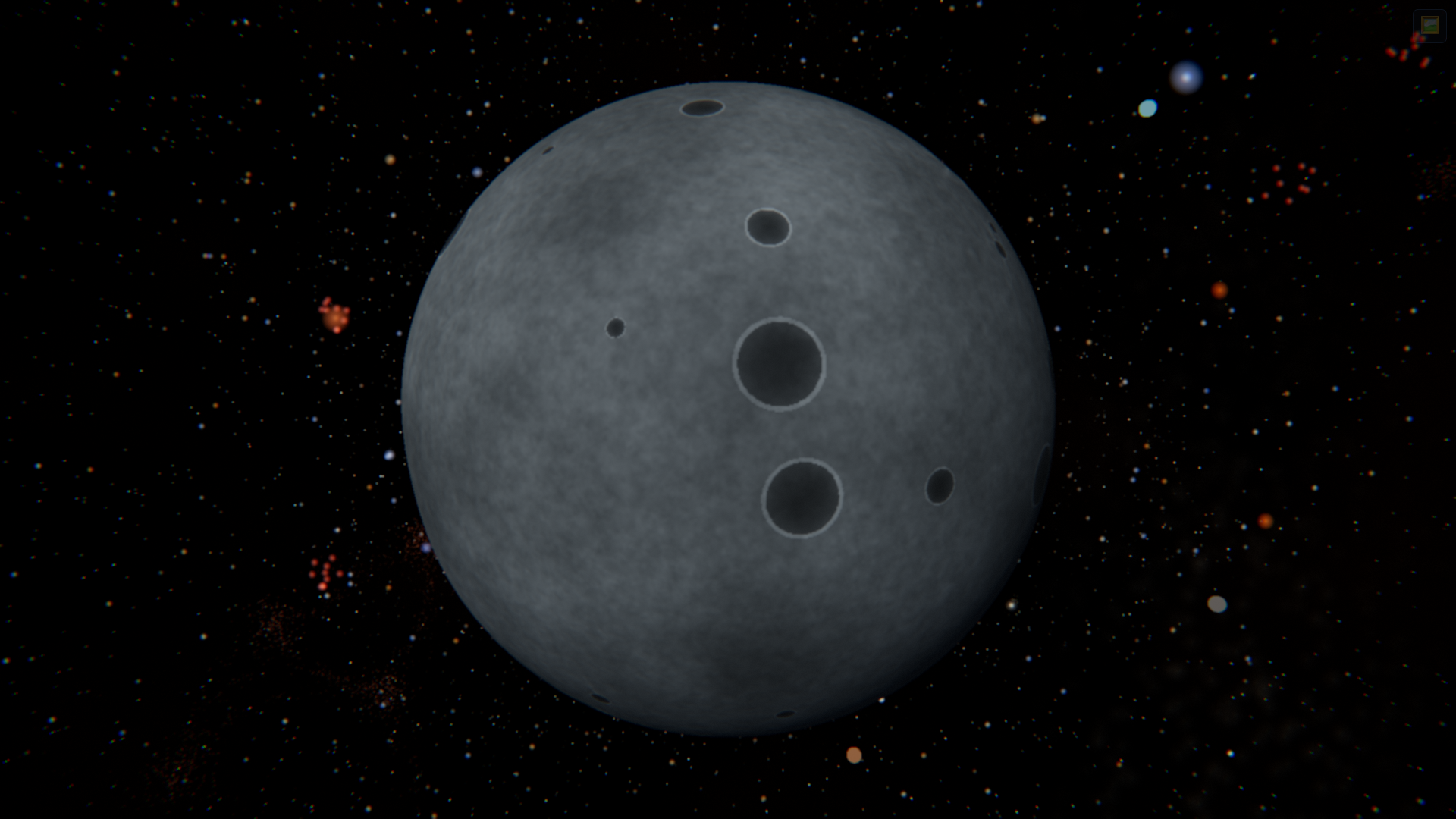
티타니아를 우주 공간에서 바라본 SPACE 시뮬레이션 천체 사진.
📸 오늘의 천체: Luyten's Star c 🪐 오늘의 주제: 행성
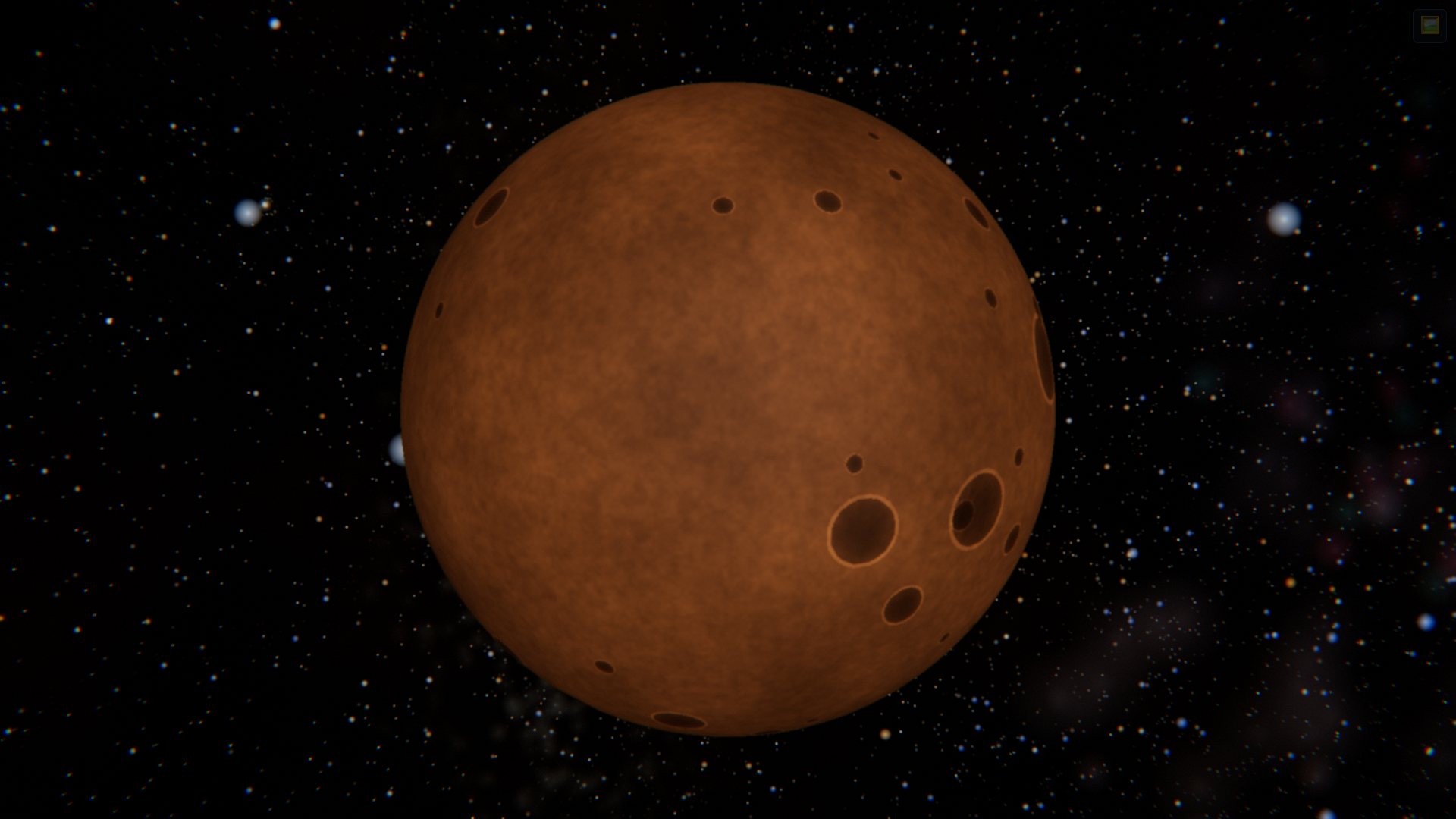
Luyten's Star c를 우주 공간에서 바라본 SPACE 시뮬레이션 천체 사진.
📸 오늘의 천체: YZ Ceti d 🪐 오늘의 주제: 행성
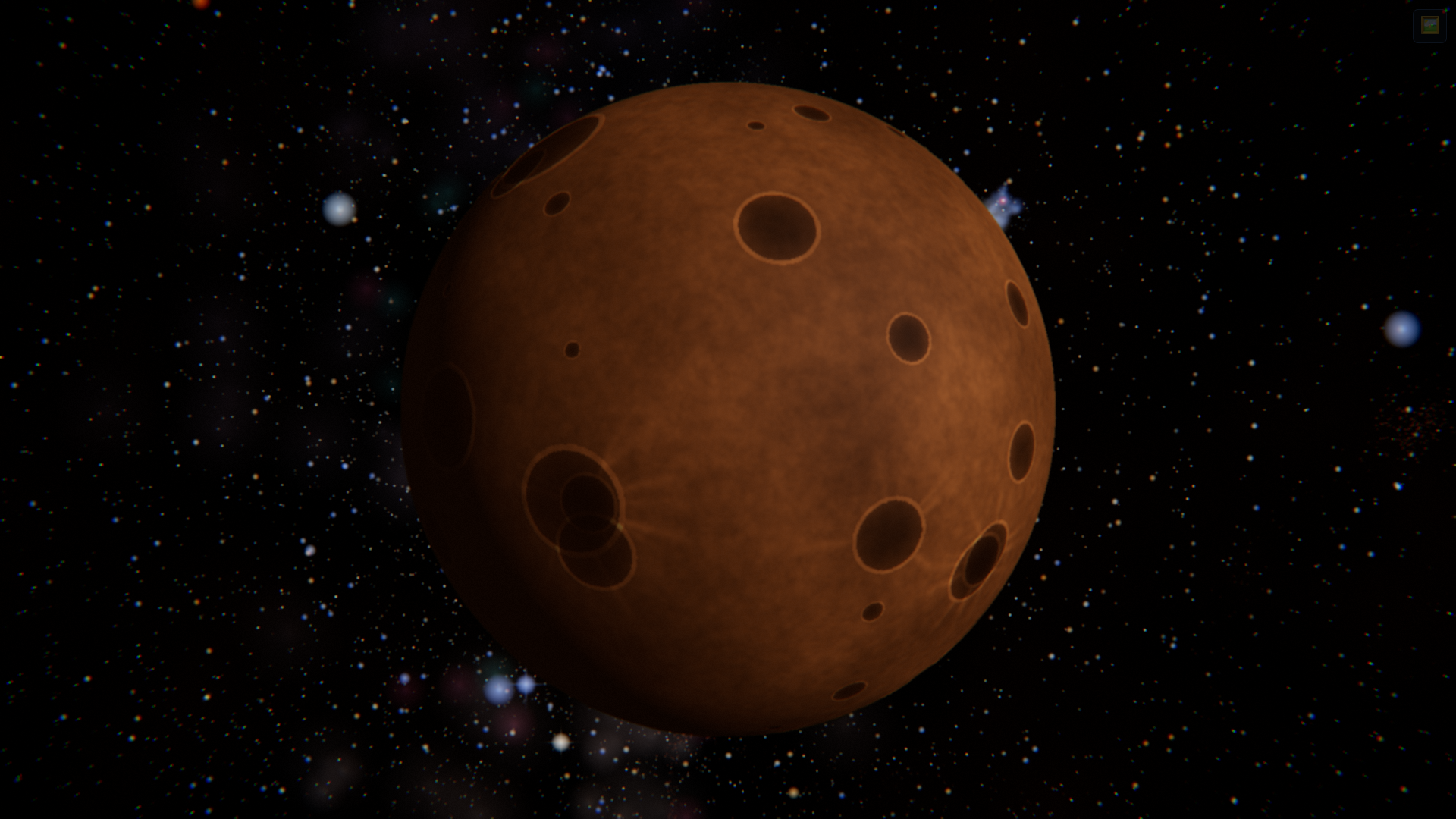
YZ Ceti d를 우주 공간에서 바라본 SPACE 시뮬레이션 천체 사진.
📸 오늘의 천체: 처녀자리 은하단(M87) 🌠 오늘의 주제: 은하·성단
처녀자리 은하단(M87)를 우주 공간에서 바라본 SPACE 시뮬레이션 천체 사진.
📸 오늘의 천체: 장미 성운(NGC 2237) 🌌 오늘의 주제: 성운
장미 성운(NGC 2237)를 우주 공간에서 바라본 SPACE 시뮬레이션 천체 사진.
📸 오늘의 천체: 용골자리 성운·우주절벽(NGC 3372) 🌌 오늘의 주제: 성운
용골자리 성운·우주절벽(NGC 3372)를 우주 공간에서 바라본 SPACE 시뮬레이션 천체 사진.
📸 오늘의 천체: Beta Centauri (Hadar) h 🪐 오늘의 주제: 외계행성
Beta Centauri (Hadar) h를 우주 공간에서 바라본 SPACE 시뮬레이션 천체 사진.
📸 오늘의 천체: Mira e 🪐 오늘의 주제: 외계행성
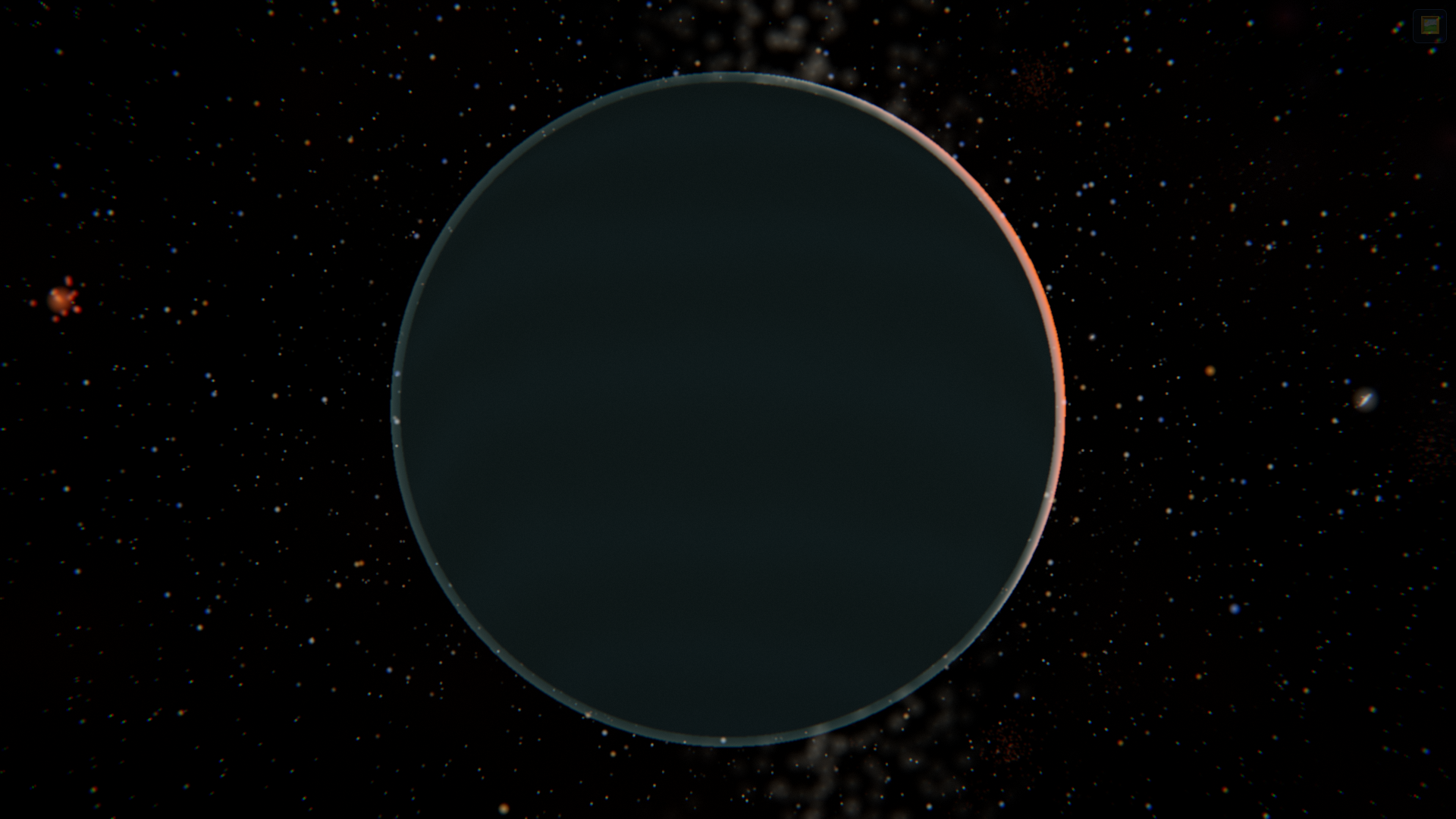
Mira e를 우주 공간에서 바라본 SPACE 시뮬레이션 천체 사진.
🧭 SPACE 업데이트 (7/16) — 새 조종 콘솔
조종이 어려우셨다면, 이제 카드 한 장이면 됩니다. 목적지 선택 · 비행 계획 타임라인(어디까지 왔는지) · 이번 단계 남은 시간 · 남은 거리 / 현재 속도 / 도착 ETA / 시간지연 — 항해의 전부가 화면 하단 콘솔 하나에 모였습니다.
B 키로 기존 6모니터 콕핏과 언제든 오가며 비교할 수 있어요. 익숙한 쪽을 쓰시면 됩니다.
▶ 바로 비행: https://space.woojinkim.org/play 📖 사용법(스크린샷): https://space.woojinkim.org/guide/controls#controls-glass
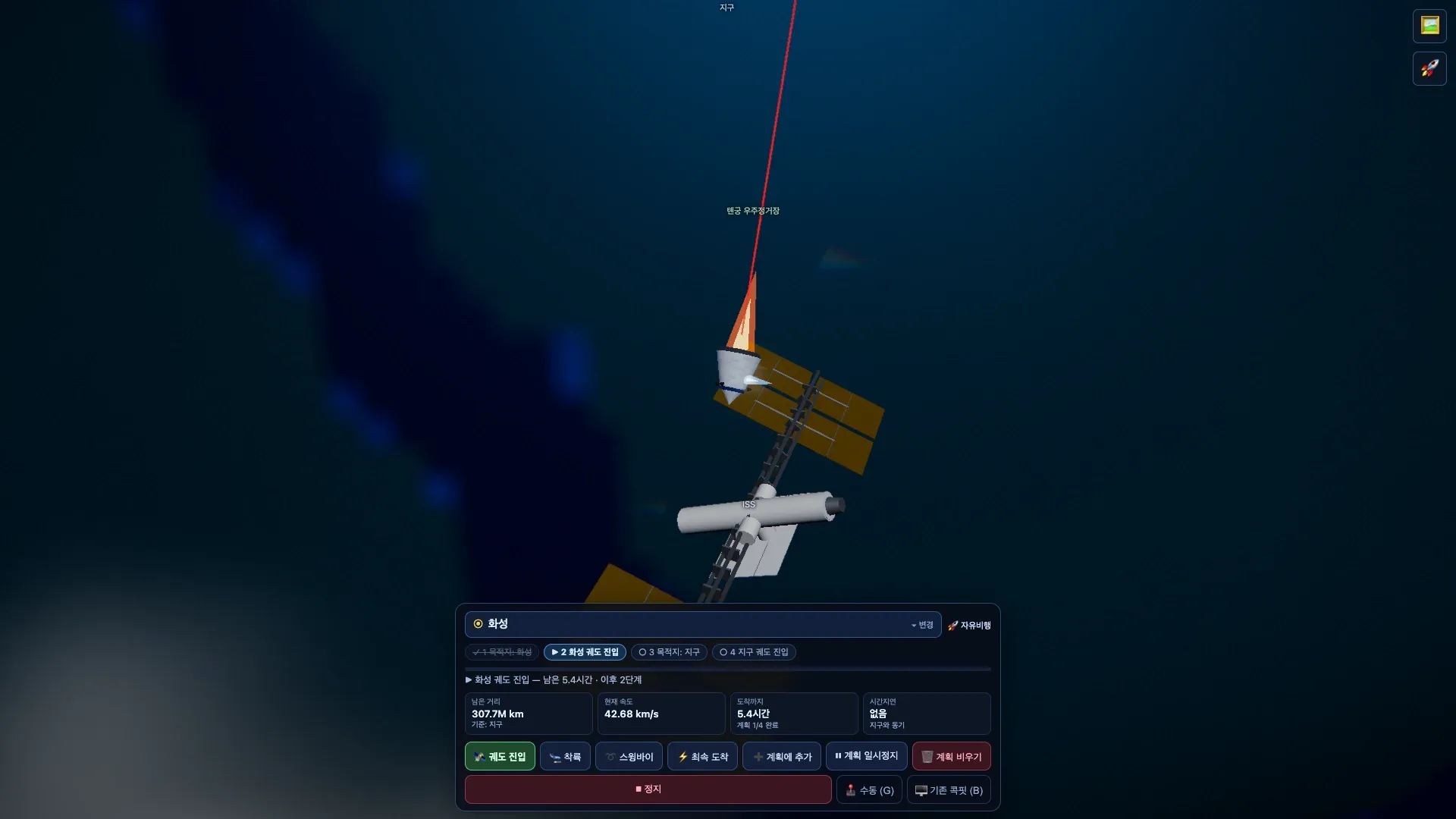
신형 글래스 콘솔 — 화성으로 가는 4단계 비행 계획이 진행 중. 타임라인 칩(완료/실행/대기), 진행 바, 남은 거리·속도·ETA·시간지연 계기, 자동비행 버튼이 카드 한 장에 모여 있다.
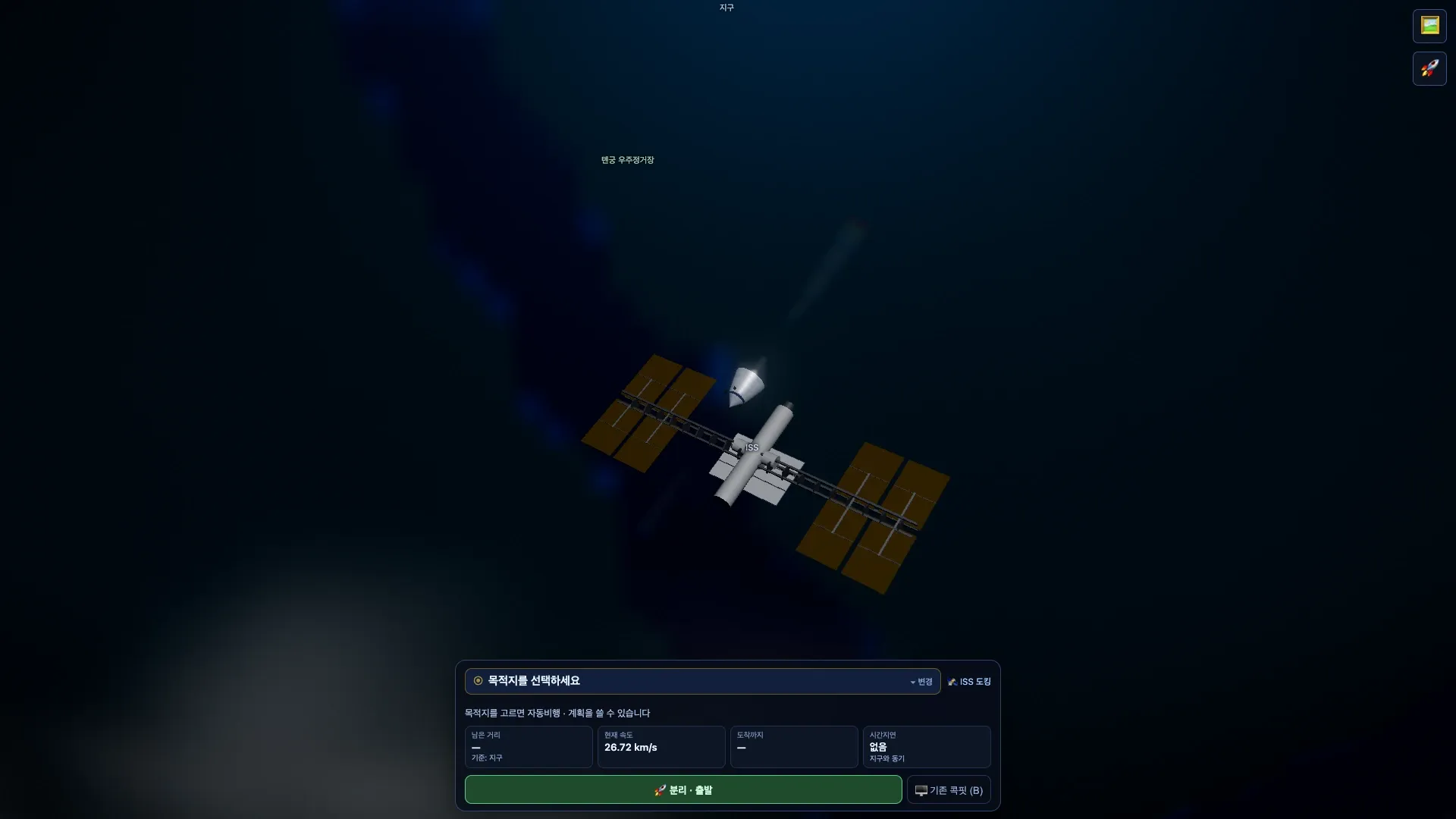
신형 글래스 콘솔의 시작 화면 — ISS에 도킹한 우주선과 하단 콘솔 카드(목적지 줄, 계기 4칸, 분리·출발 버튼).
📸 오늘의 천체: YZ Ceti c 🌫️ 오늘의 주제: 가스행성
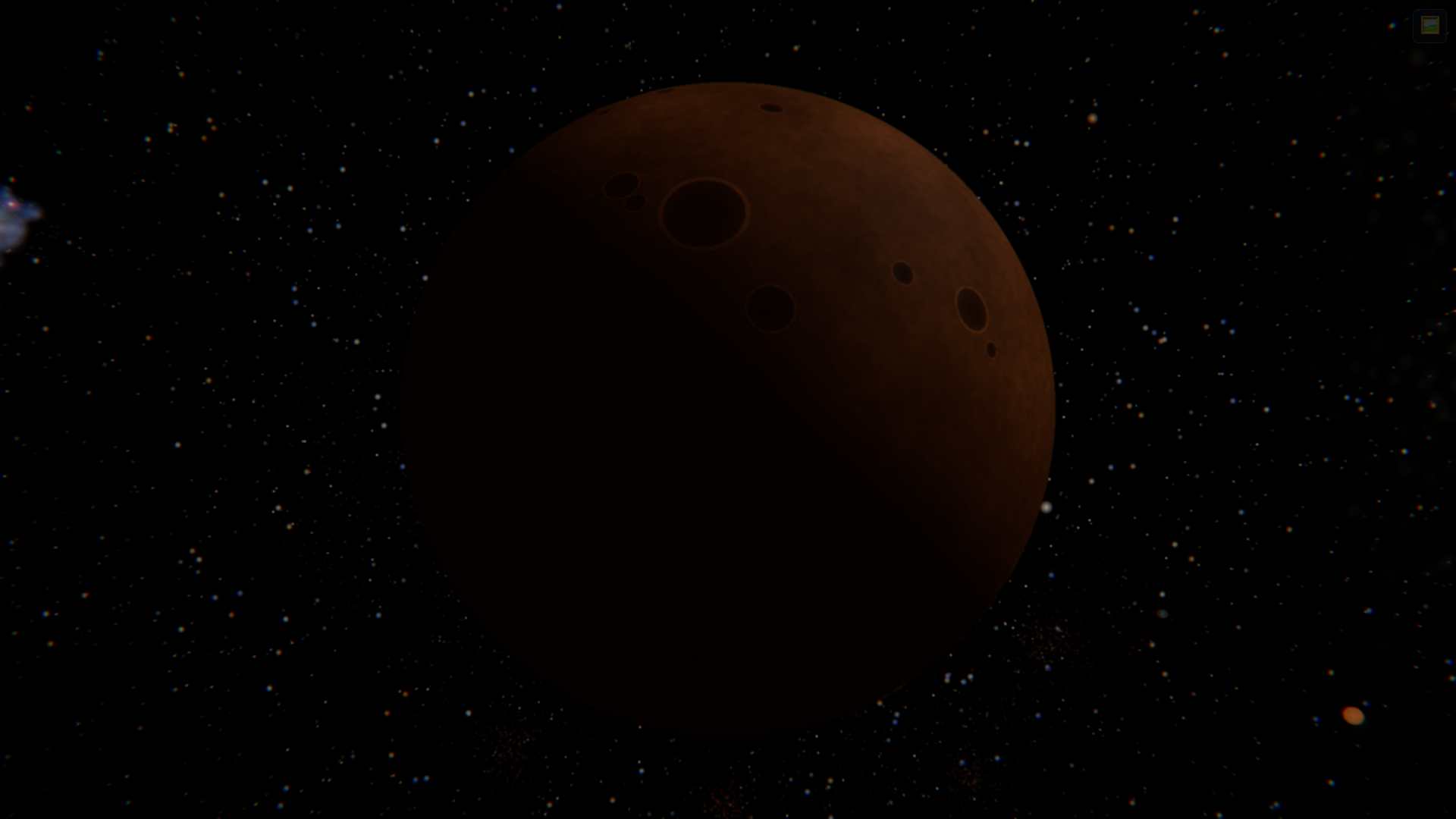
YZ Ceti c를 우주 공간에서 바라본 SPACE 시뮬레이션 천체 사진.
📸 오늘의 천체: 히기에아 ☄️ 오늘의 주제: 왜소·소행성
https://space.woojinkim.org 🛸 여기로 비행 → https://space.woojinkim.org/play?goto=hygiea #우주 #SPACE #천체사진
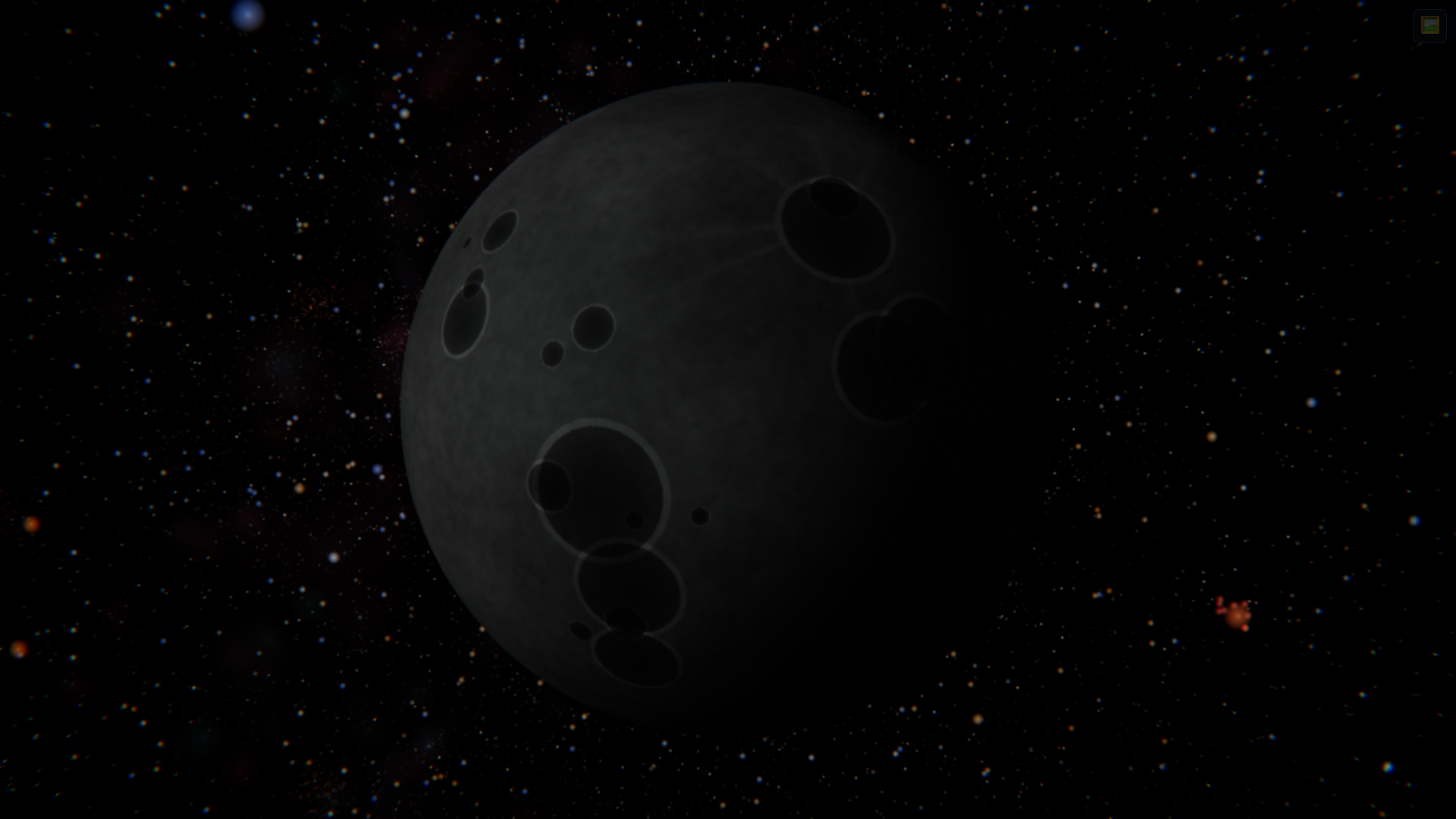
히기에아를 우주 공간에서 바라본 SPACE 시뮬레이션 천체 사진.
📸 오늘의 천체: 하우메아 ☄️ 오늘의 주제: 왜소·소행성
https://space.woojinkim.org 🛸 여기로 비행 → https://space.woojinkim.org/play?goto=haumea #우주 #SPACE #천체사진
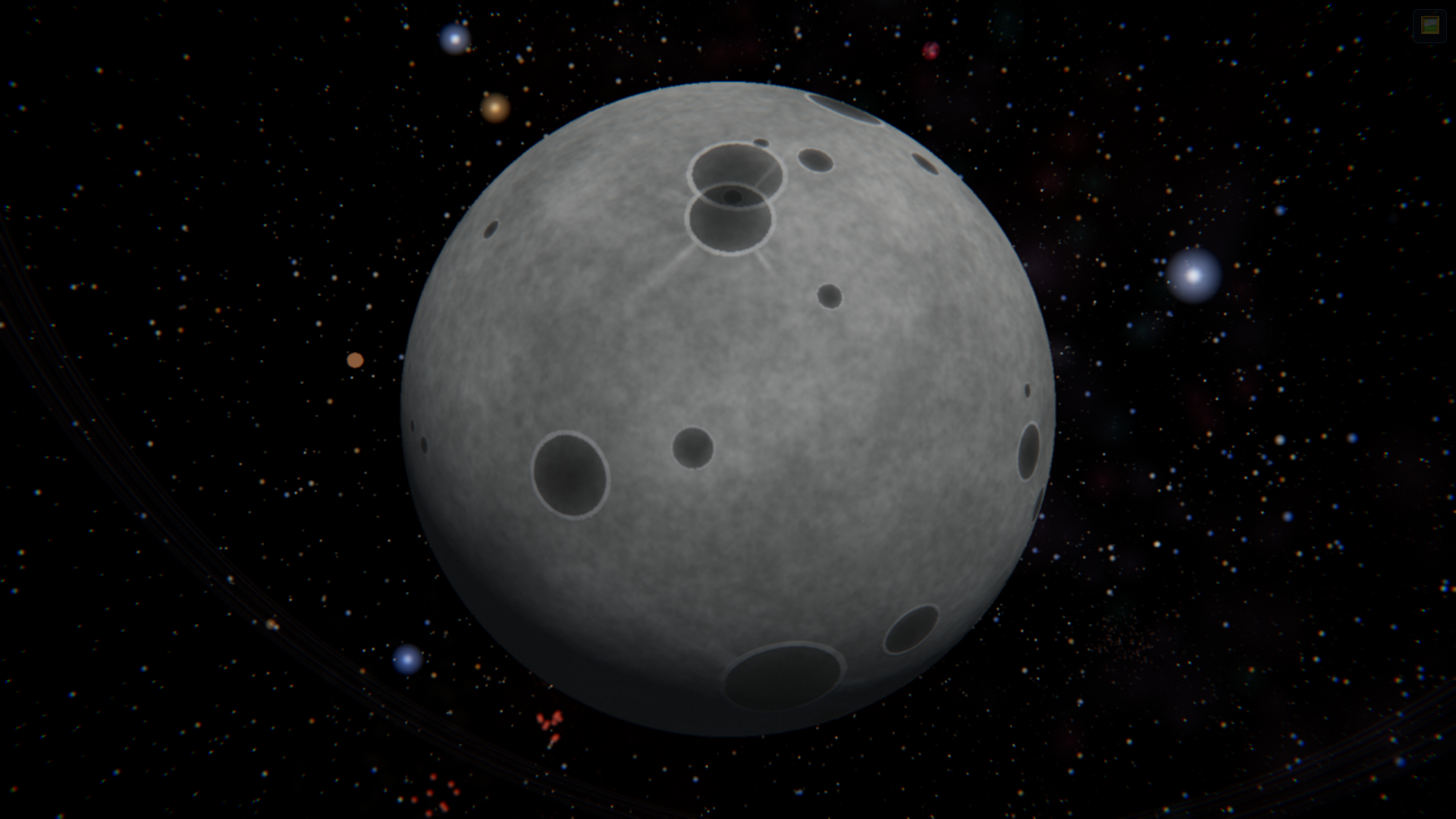
하우메아를 우주 공간에서 바라본 SPACE 시뮬레이션 천체 사진.
📸 오늘의 천체: 포보스 🌙 오늘의 주제: 위성
https://space.woojinkim.org 🛸 여기로 비행 → https://space.woojinkim.org/play?goto=phobos #우주 #SPACE #천체사진
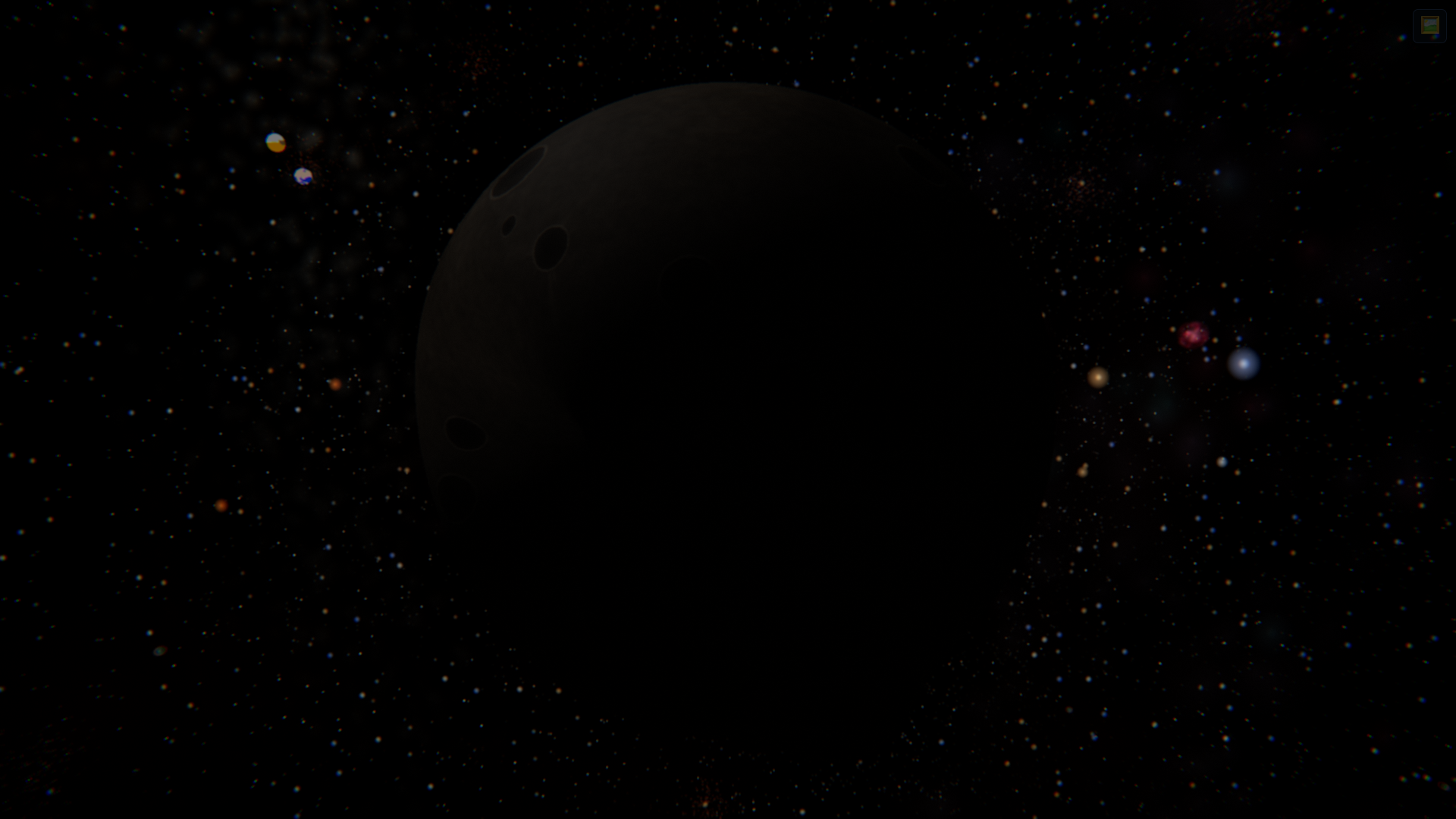
포보스를 우주 공간에서 바라본 SPACE 시뮬레이션 천체 사진.
📸 오늘의 천체: 트리톤 🌙 오늘의 주제: 위성
https://space.woojinkim.org 🛸 여기로 비행 → https://space.woojinkim.org/play?goto=triton #우주 #SPACE #천체사진
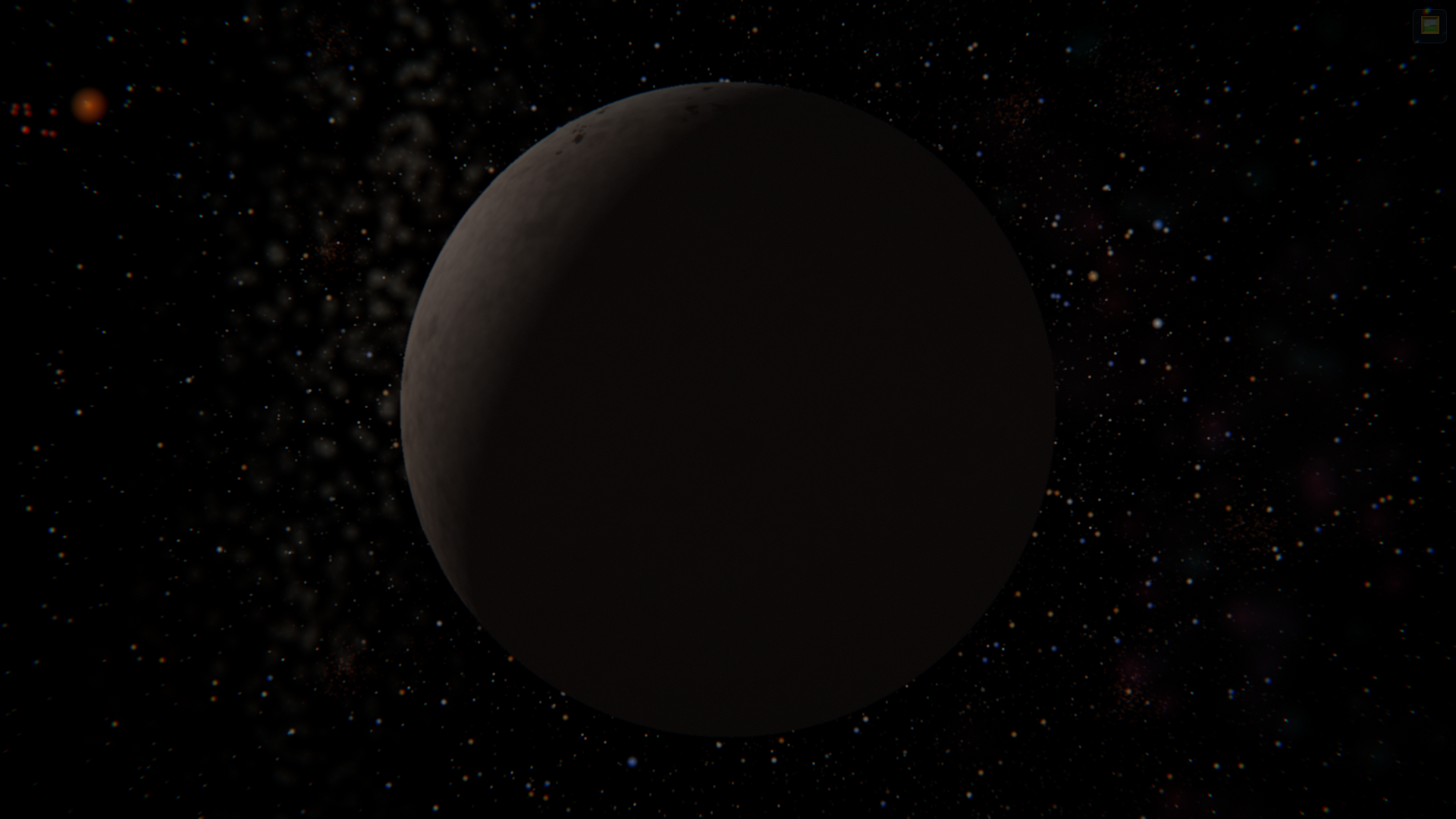
트리톤을 우주 공간에서 바라본 SPACE 시뮬레이션 천체 사진.
📸 오늘의 천체: 화성 🪐 오늘의 주제: 행성
https://space.woojinkim.org 🛸 여기로 비행 → https://space.woojinkim.org/play?goto=mars #우주 #SPACE #천체사진
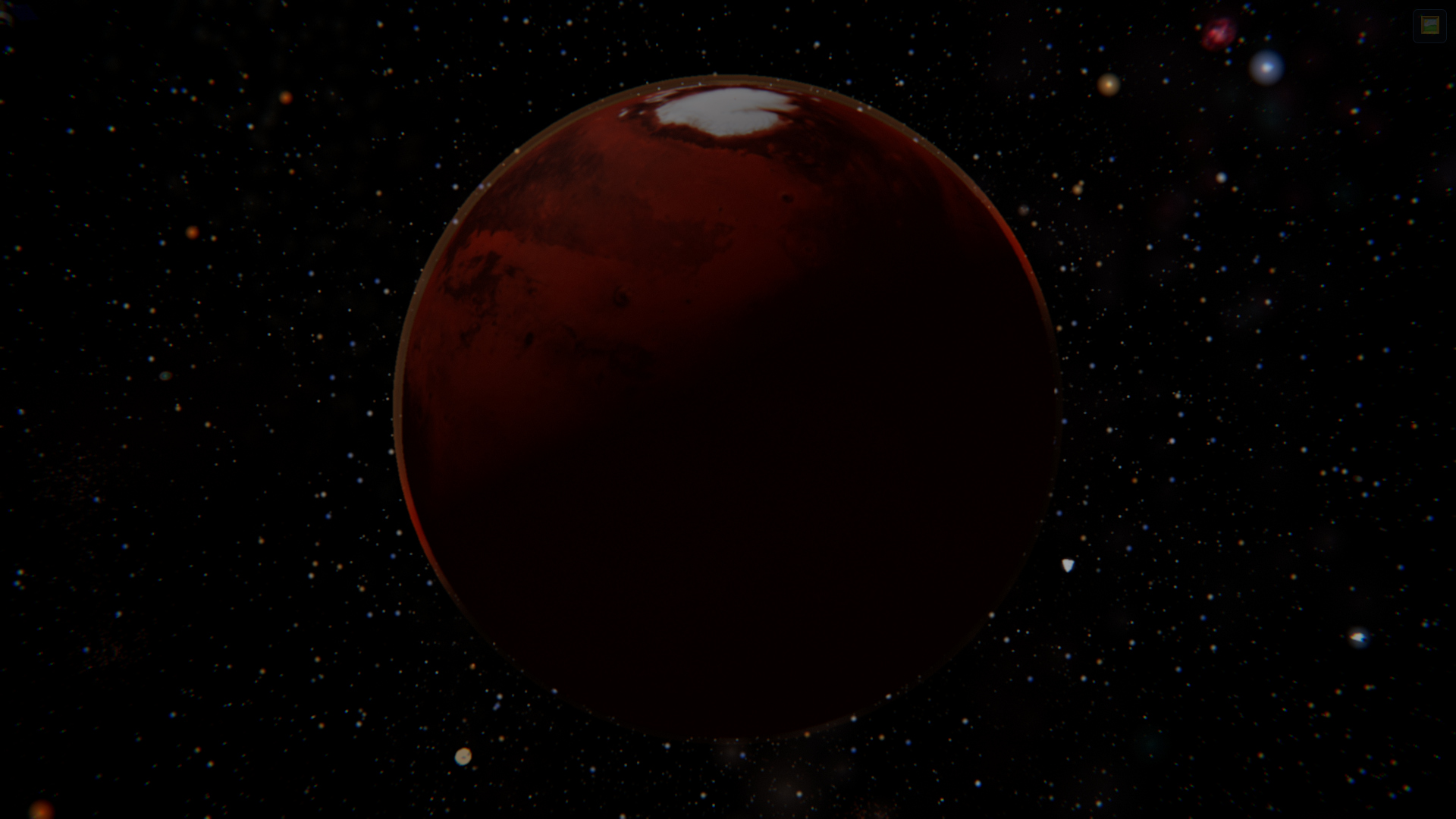
화성을 우주 공간에서 바라본 SPACE 시뮬레이션 천체 사진.
📸 오늘(2026-07-13 KST)의 천체: Epsilon Indi b 🪐 오늘의 주제: 행성
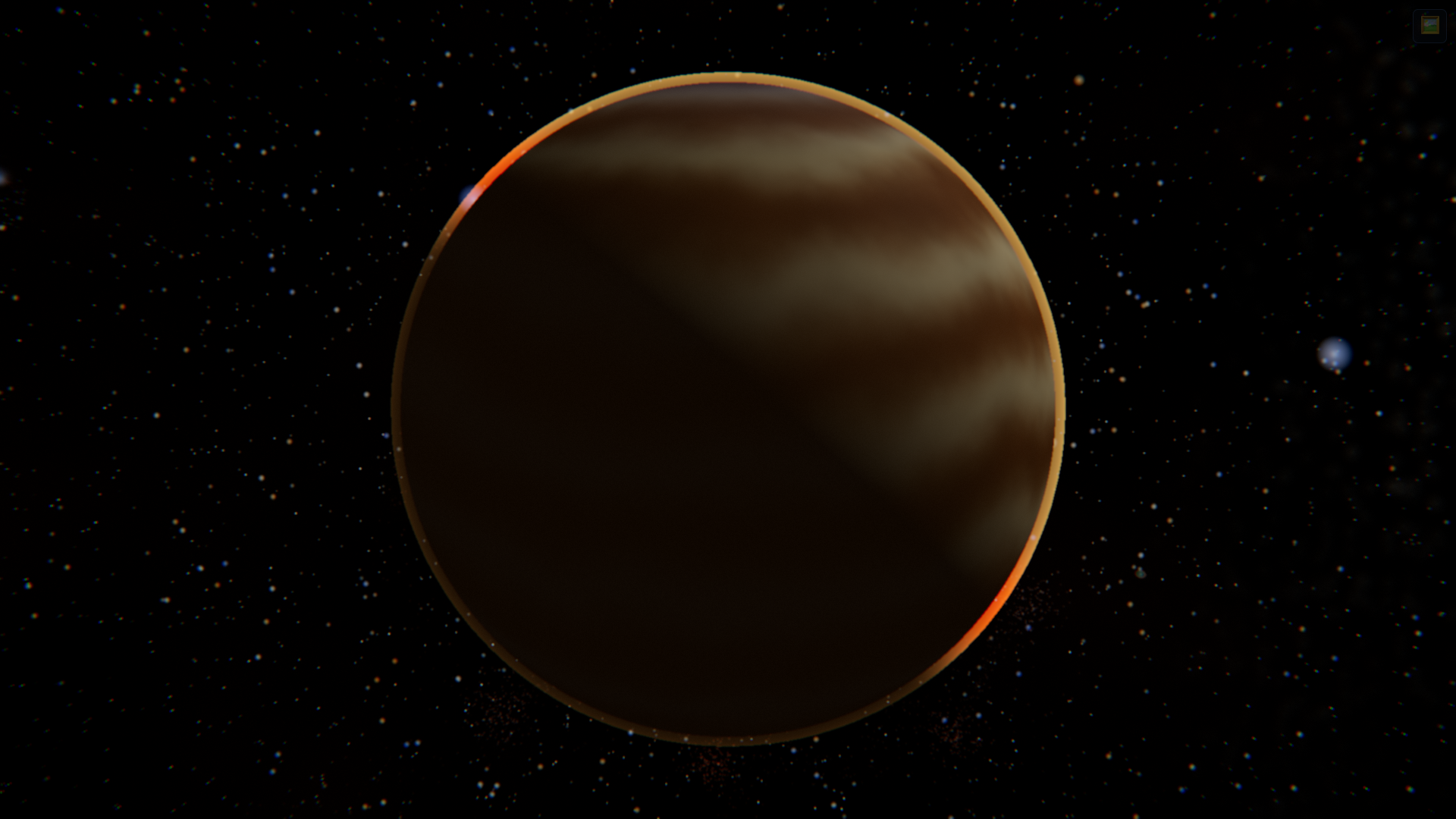
Epsilon Indi b를 우주 공간에서 바라본 SPACE 시뮬레이션 천체 사진.
📸 오늘(2026-07-12 KST)의 천체: 소용돌이 은하(M51) 🌠 오늘의 주제: 은하·성단
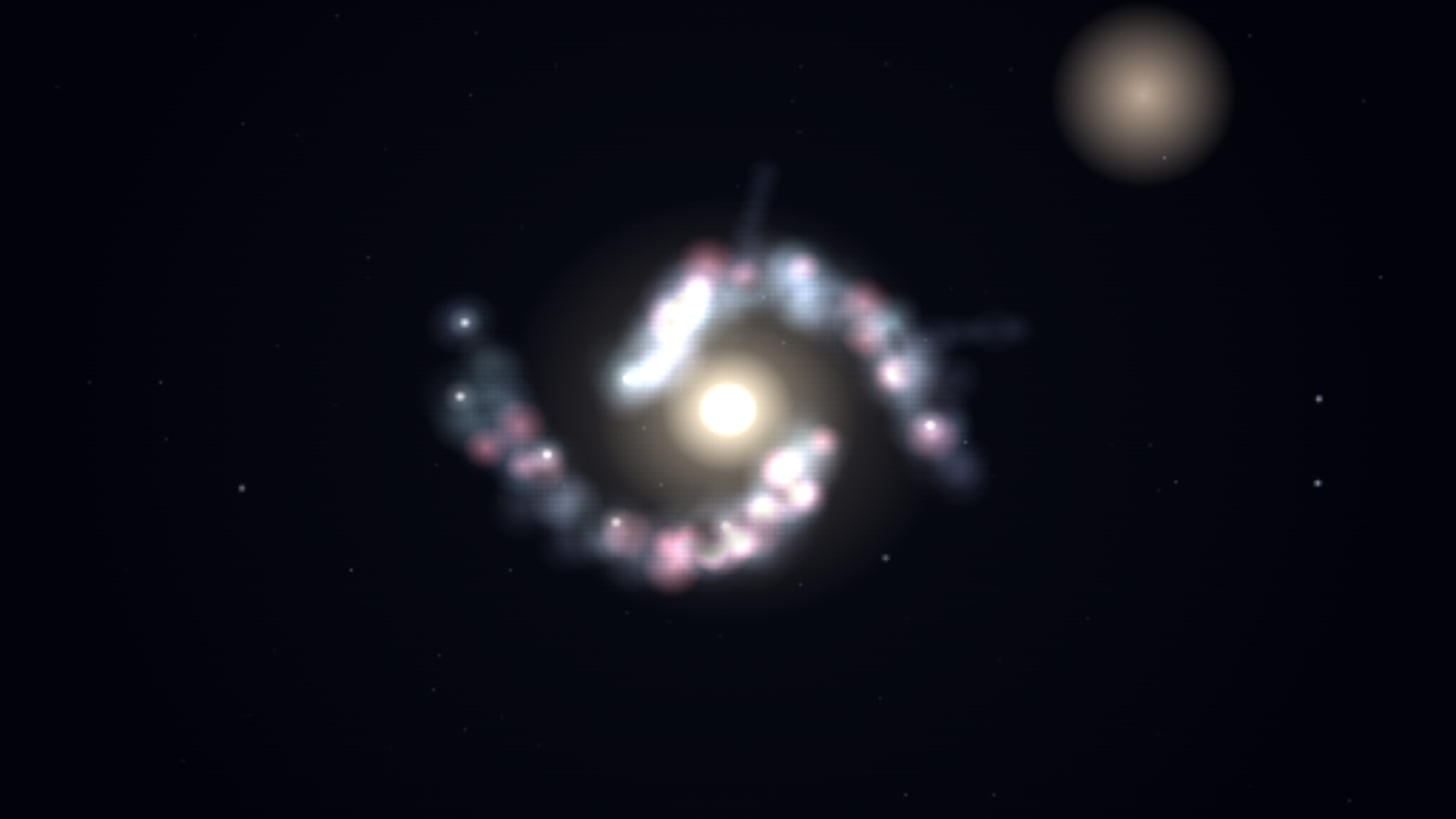
소용돌이 은하(M51)를 우주 공간에서 바라본 SPACE 시뮬레이션 천체 사진.
📸 오늘(2026-07-12 KST)의 천체: 머리털자리 은하단 🌠 오늘의 주제: 은하·성단
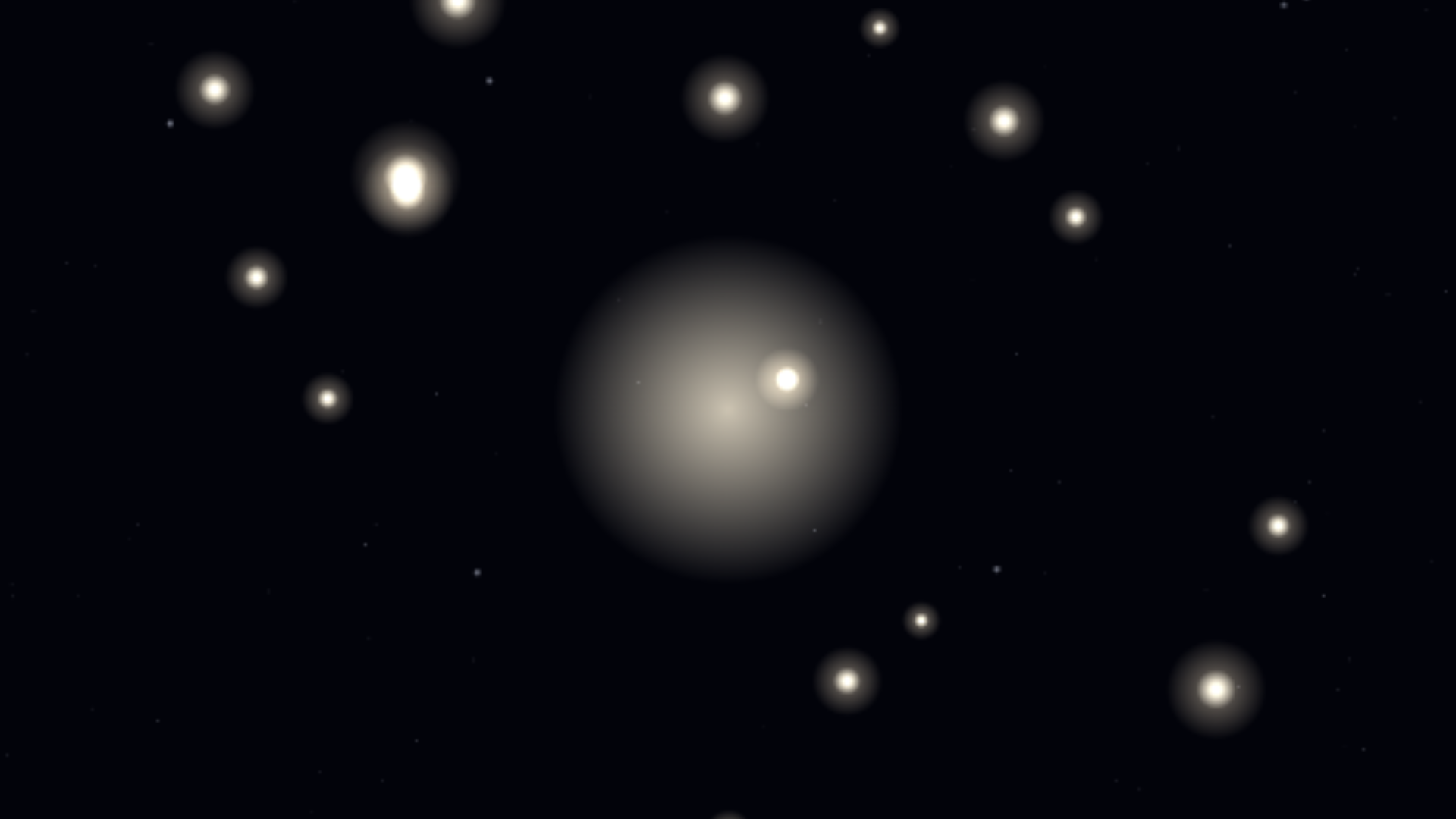
머리털자리 은하단을 우주 공간에서 바라본 SPACE 시뮬레이션 천체 사진.
🛰️ SPACE 업데이트 (7/11)
이제 외부 시점에서 내 우주선이 또렷하게 보입니다. 태양이 멀어지는 심우주에서도 선체가 검게 사라지지 않고, 어느 각도에서나 은은하게 빛나 한눈에 들어옵니다.
🎬 관전 모드(/demo) — 데모선이 태양계 천체를 자동으로 순회하는 여정을 지켜보세요. 방문 기록이 순번과 함께 쌓이고 목적지·거리·ETA·속도를 한 패널에서 확인할 수 있습니다. (모바일에서도 함선을 가리지 않도록 배치를 다듬었습니다.)
전체 변경 내역 ▶ https://space.woojinkim.org/guide/changes 지금 바로 ▶ https://space.woojinkim.org
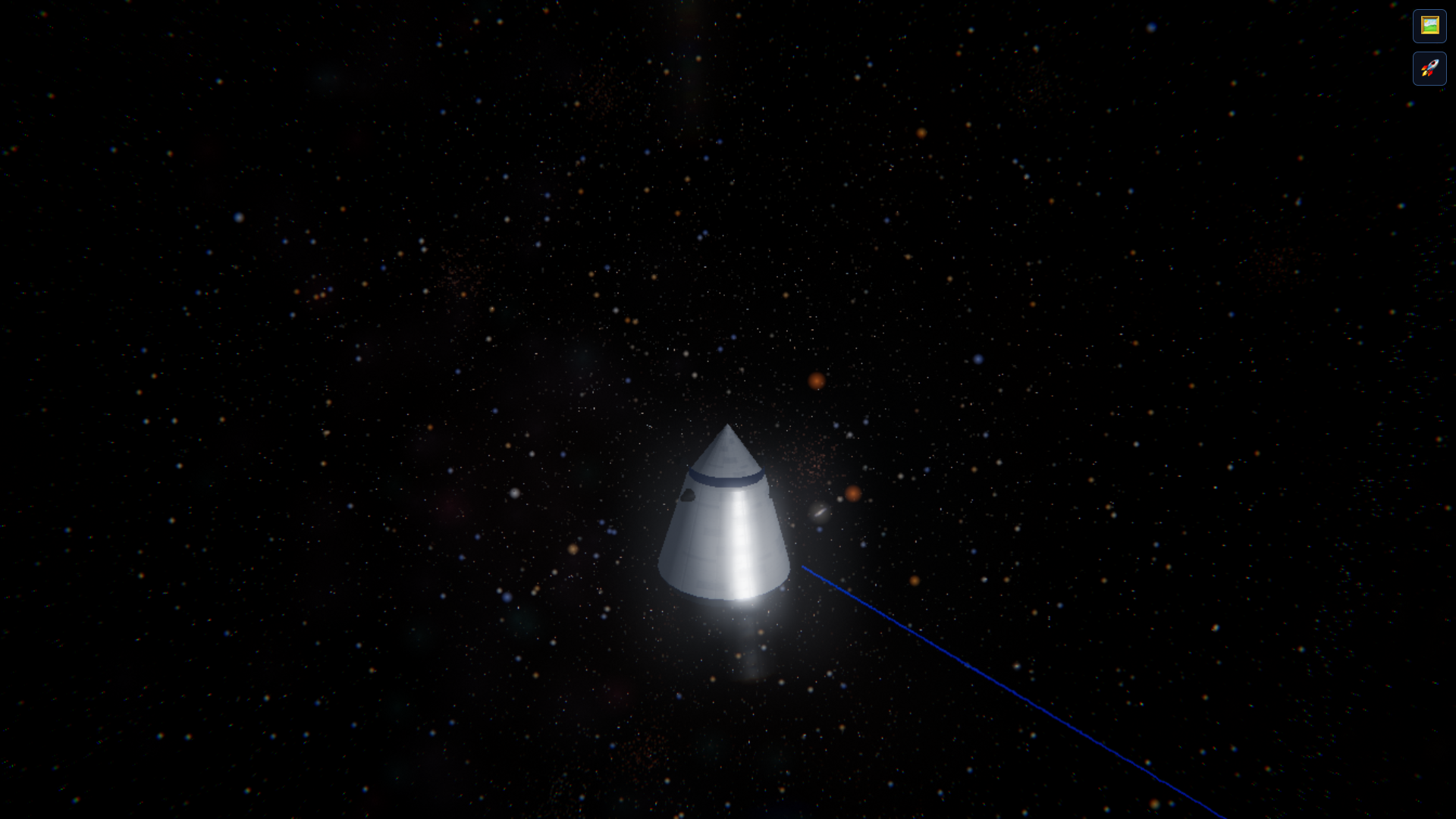
먼 은하를 곁에 두고 별밭 속에 떠 있는 우주선을 위쪽에서 내려다본 외부 시점. 원뿔형 선체가 균일하게 조명되어 선명하게 보인다.
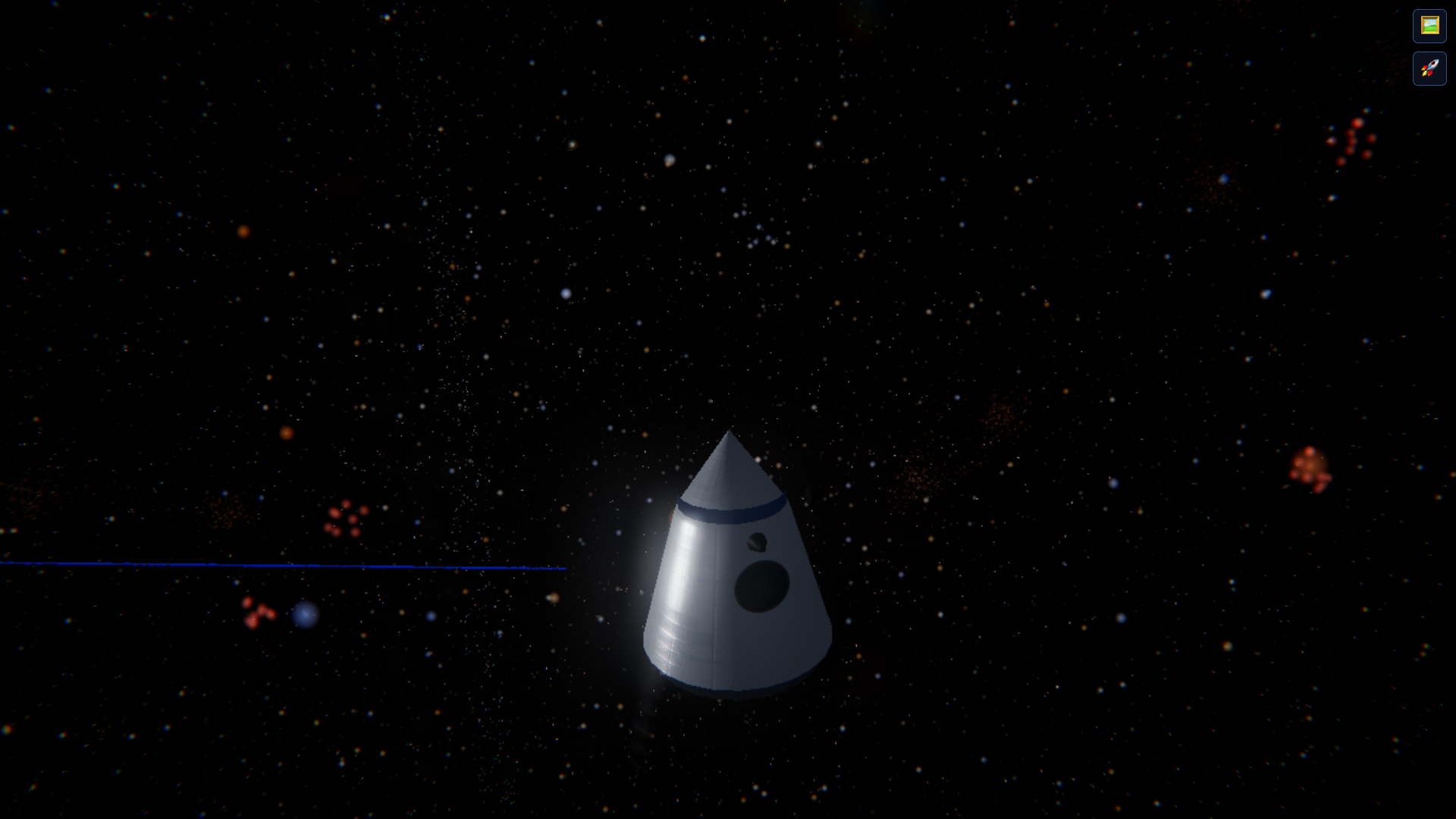
심우주를 항해하는 드래건 캡슐형 우주선을 외부 3인칭 시점에서 근접 촬영. 흰 선체·도킹 해치·창문·파란 띠가 별밭을 배경으로 또렷하게 빛난다.
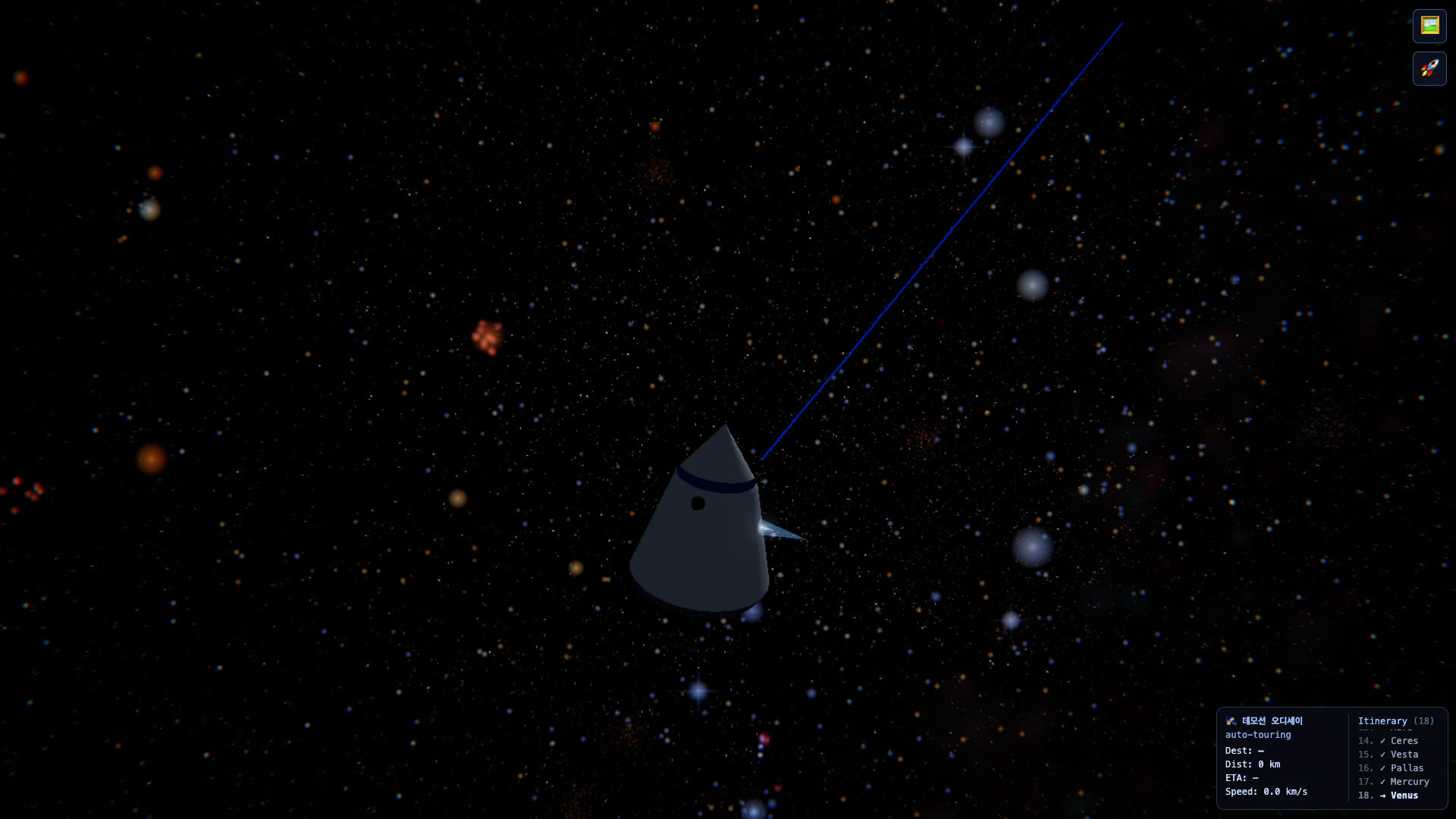
SPACE 관전(/demo) 모드 화면. 자동 순회 중인 데모선과 함께, 우하단에 방문 순번(세레스·베스타·팔라스·수성·금성)과 목적지·ETA를 보여주는 항해 패널이 떠 있다.
📸 오늘(2026-07-11 KST)의 천체: 고리 성운(M57) 🌌 오늘의 주제: 성운
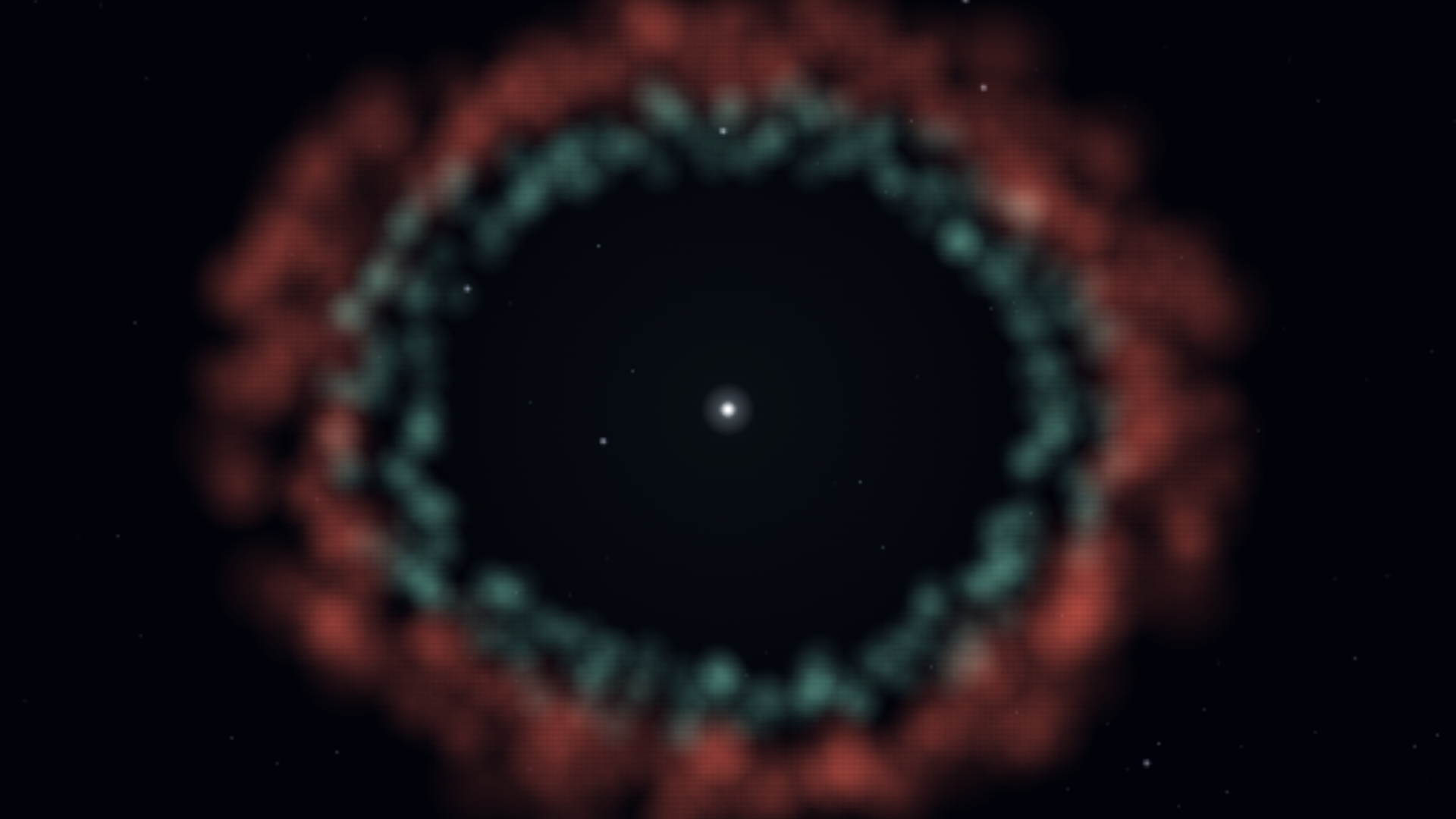
고리 성운(M57)를 우주 공간에서 바라본 SPACE 시뮬레이션 천체 사진.
📸 오늘(2026-07-11 KST)의 천체: 북아메리카 성운(NGC 7000) 🌌 오늘의 주제: 성운
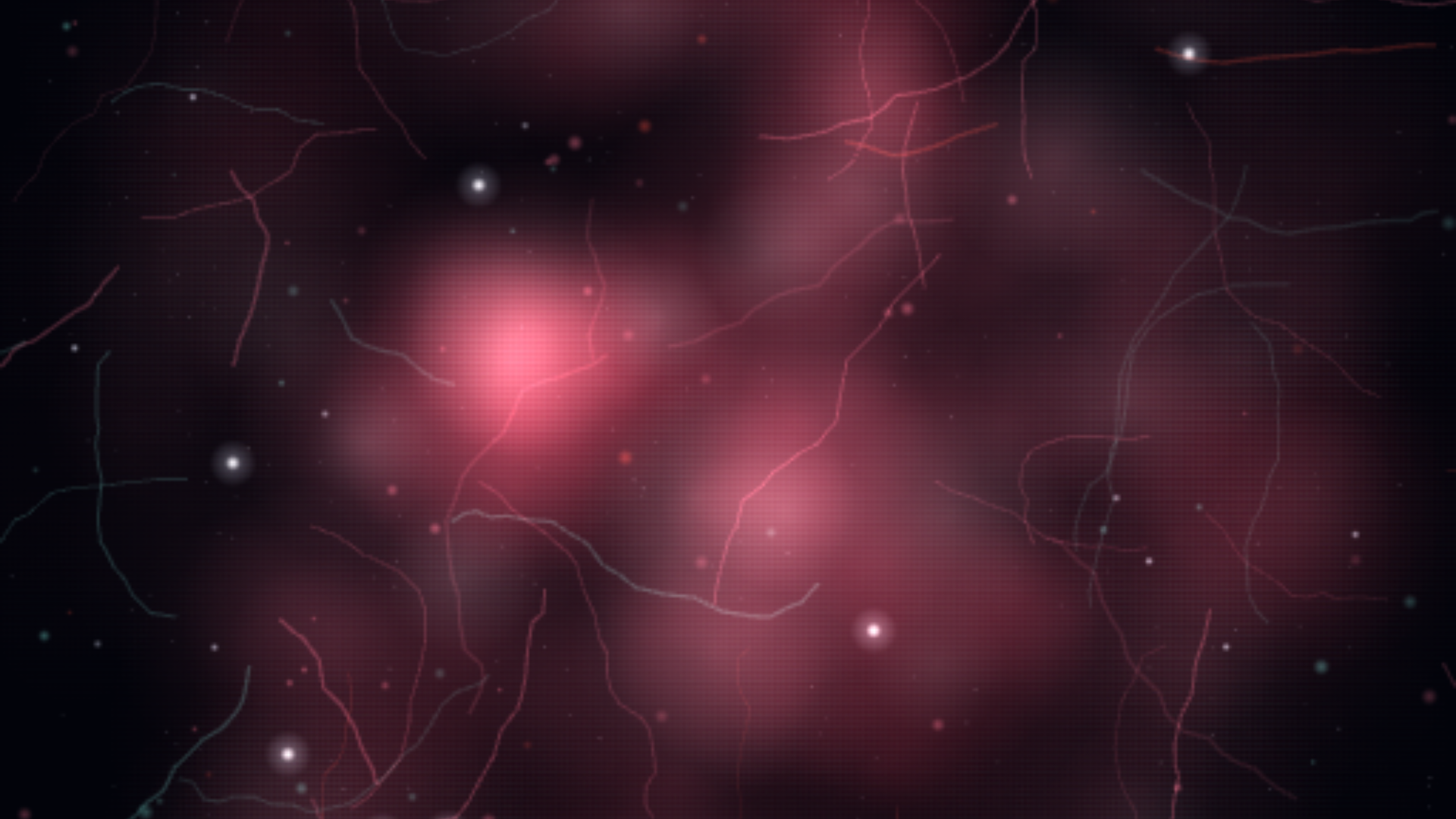
북아메리카 성운(NGC 7000)를 우주 공간에서 바라본 SPACE 시뮬레이션 천체 사진.
📸 오늘(2026-07-10 KST)의 천체: 40 Eridani (Keid) f 🪐 오늘의 주제: 외계행성
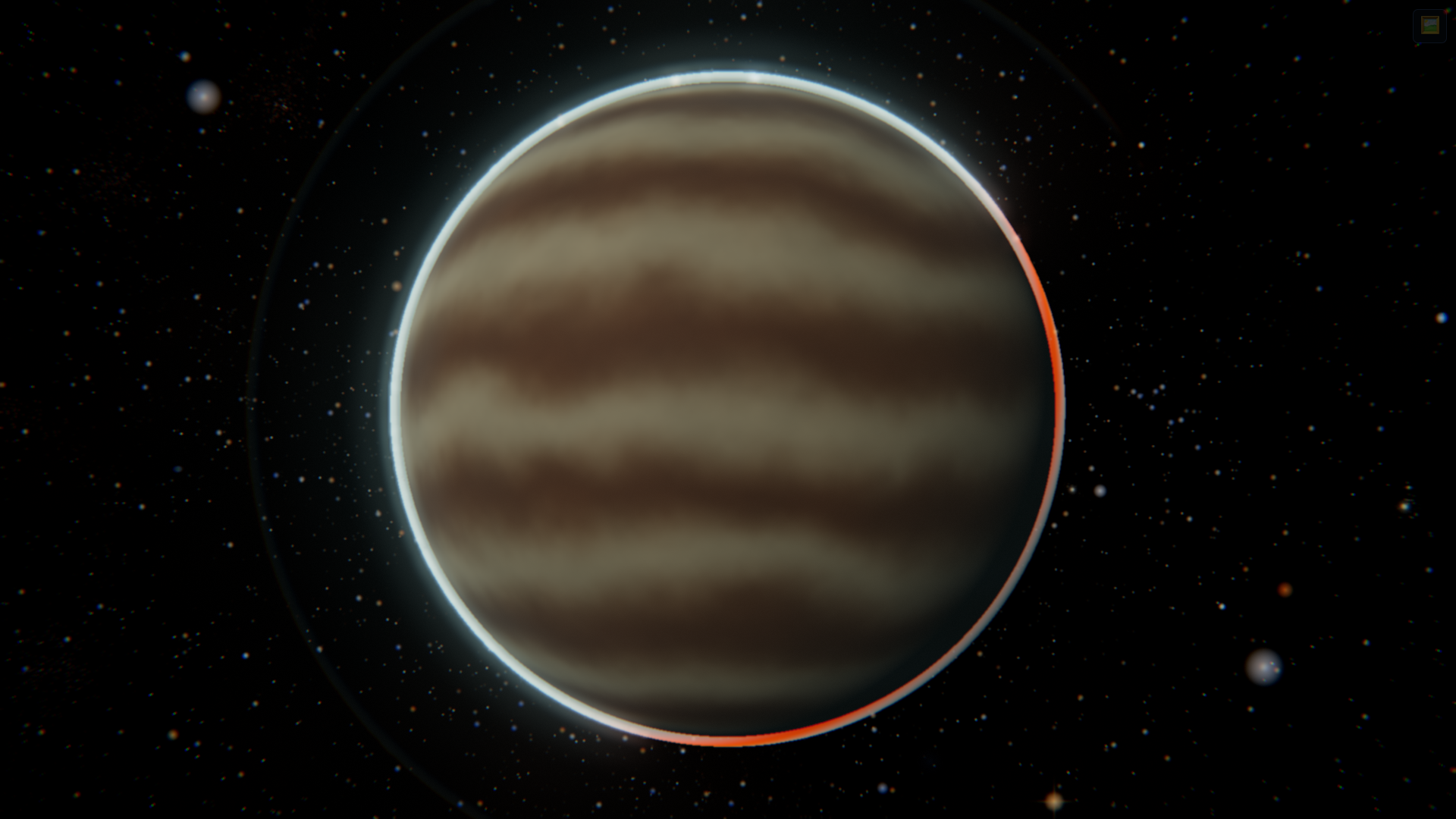
40 Eridani (Keid) f를 우주 공간에서 바라본 SPACE 시뮬레이션 천체 사진.
🛠 오늘의 업데이트 (2026-07-10 KST)
🌌 하늘이 깊어졌습니다 — 황도광·대일조가 떠오르고, 은하수는 실제처럼 암흑 먼지 균열(그레이트 리프트)로 갈라집니다. 🎬 태양의 회절 빛살, 광속 근접 순항의 워프 스트리킹, 은은한 시네마틱 색감. 🕹 착륙한 채로 다른 천체 착륙을 명령하면 이륙→비행→착륙이 자동으로 이어지고, 외계 행성계의 스윙바이도 항해일지에 남습니다. 재진입 경고는 30초간 표시됩니다.
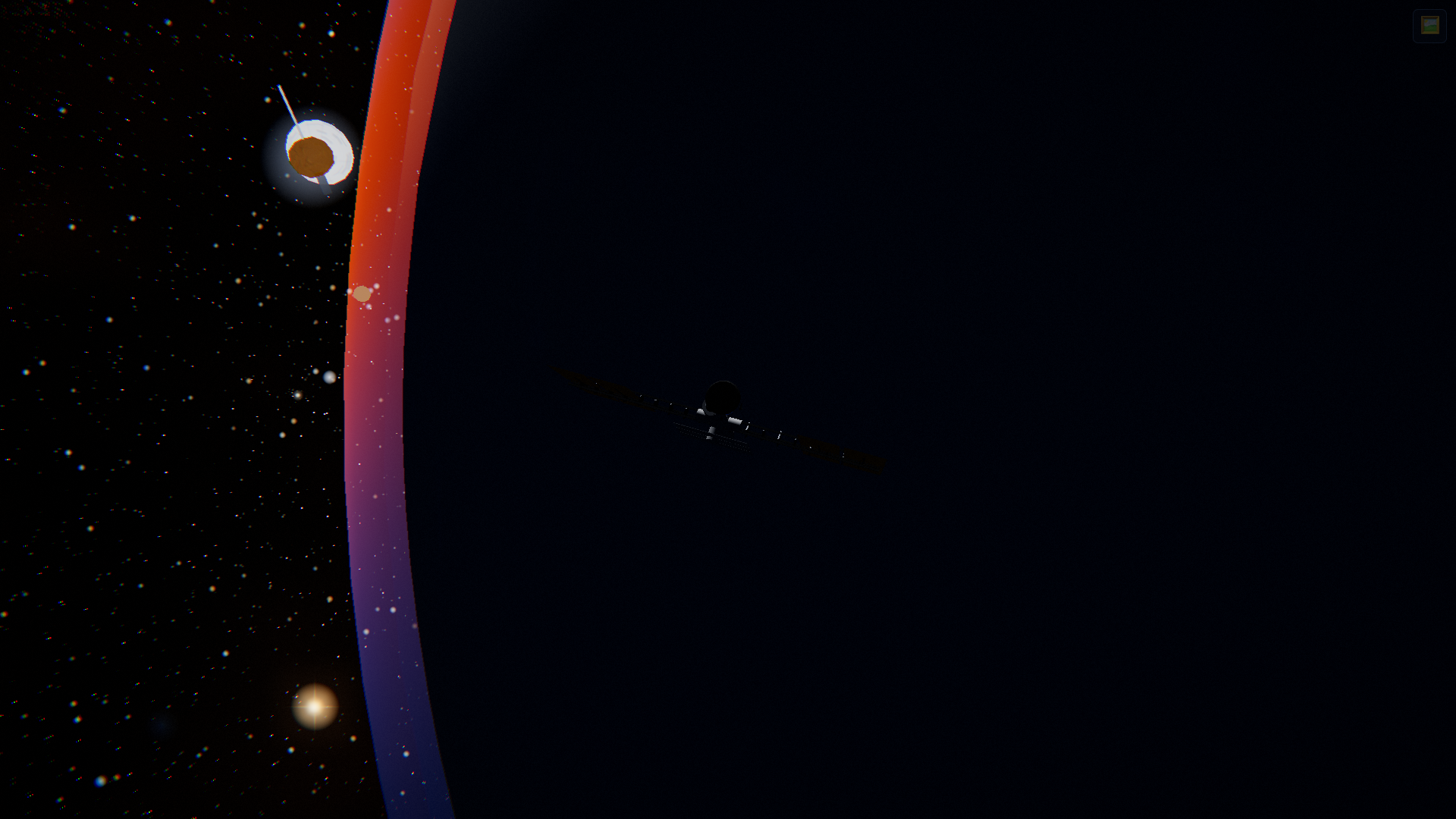
지구의 붉은 여명 림 위로 회절 빛살을 뻗은 태양이 떠오르는 장면 — 우주 정거장이 함께 보인다
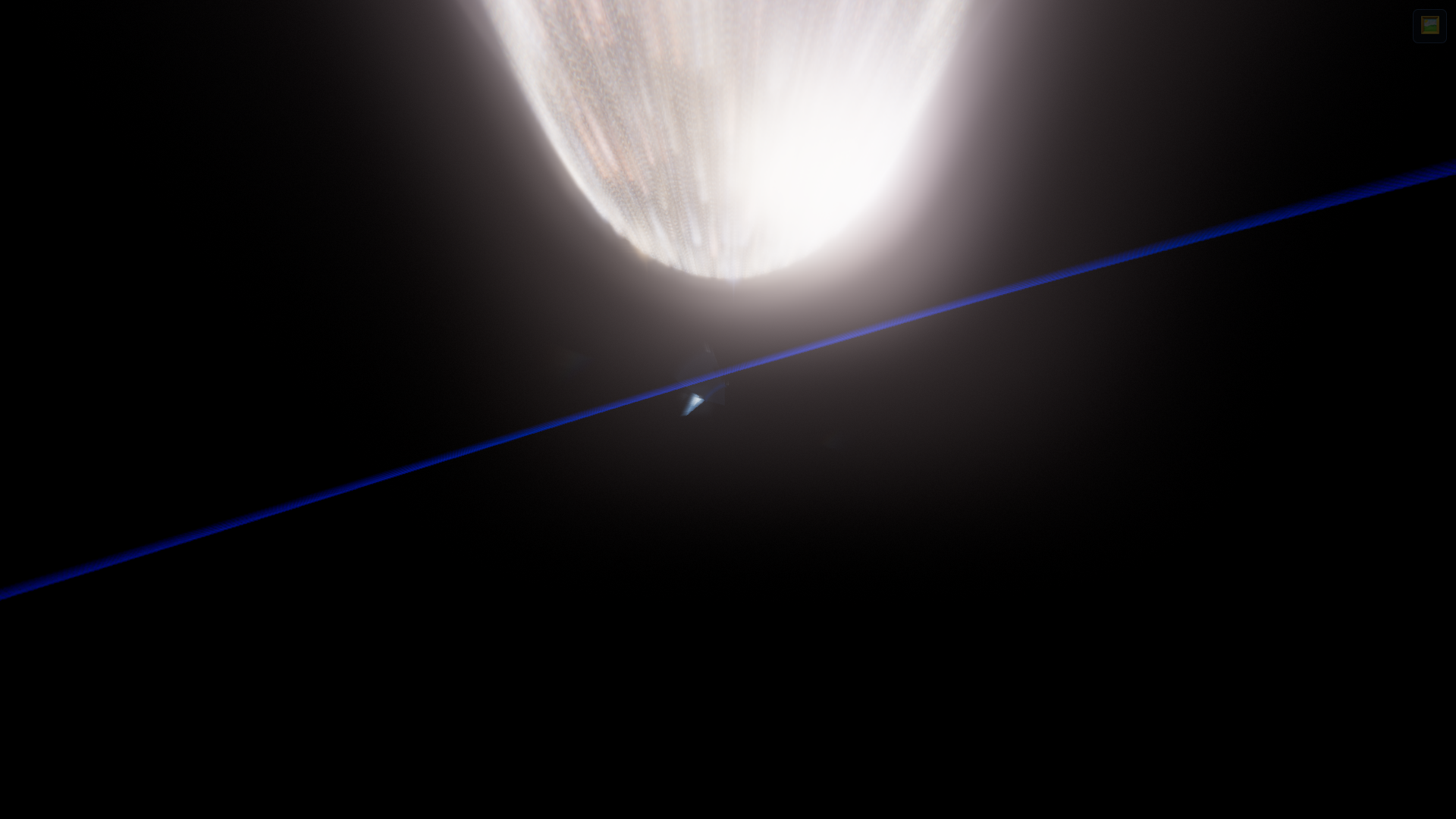
0.99c 성간 순항 — 전방의 별빛이 진행 방향 한 점으로 모이며 길게 흘러드는 워프 스트리킹
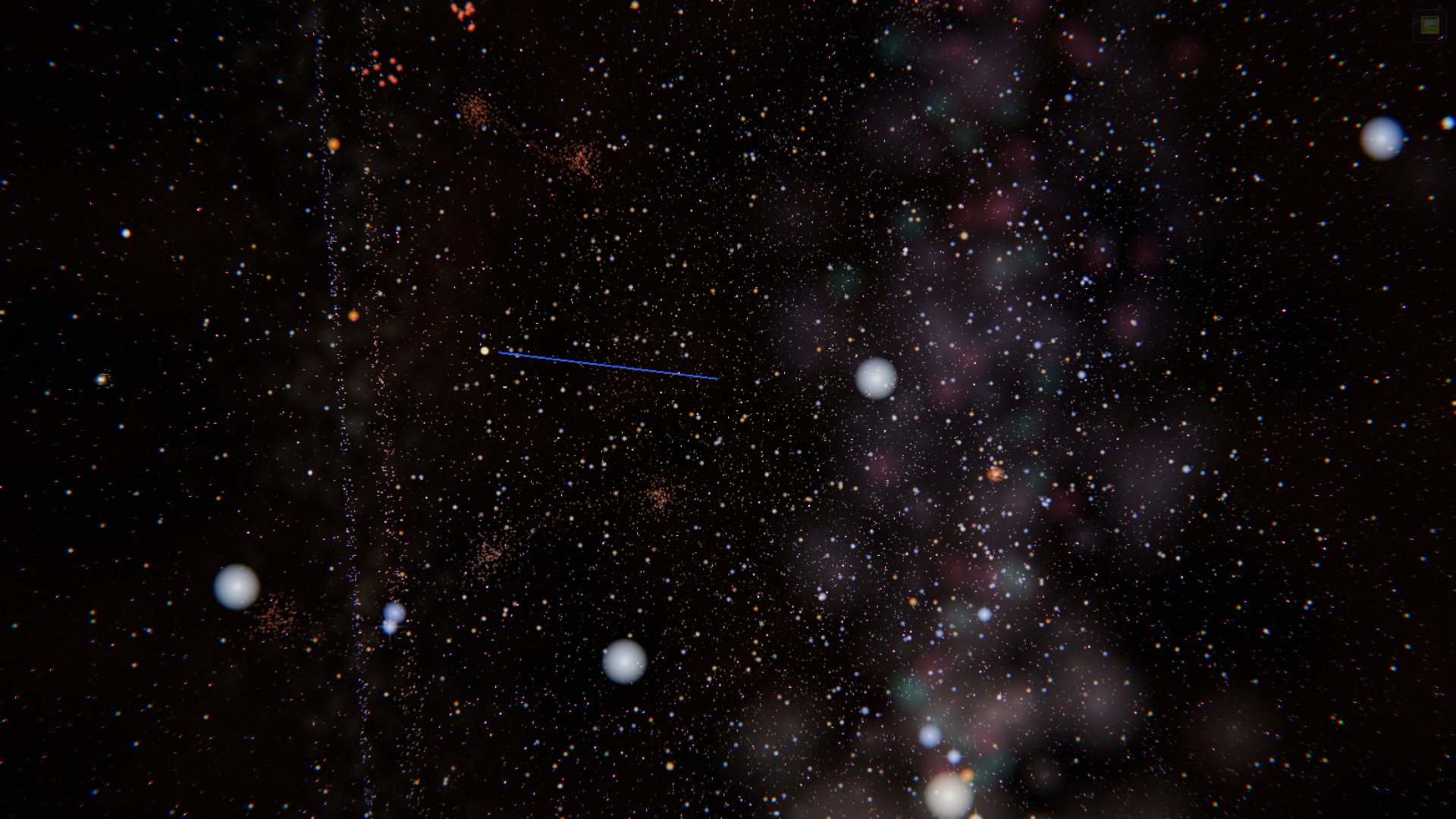
암흑 먼지 균열(그레이트 리프트)로 갈라진 은하수 띠와 금빛·청백색으로 섞인 별들
🛠 오늘의 업데이트 (2026-07-10 KST)
🌌 하늘이 깊어졌습니다 — 황도광·대일조가 떠오르고, 은하수는 실제처럼 암흑 먼지 균열(그레이트 리프트)로 갈라집니다. 🎬 태양의 회절 빛살, 광속 근접 순항의 워프 스트리킹, 은은한 시네마틱 색감. 🕹 착륙한 채로 다른 천체 착륙을 명령하면 이륙→비행→착륙이 자동으로 이어지고, 외계 행성계의 스윙바이도 항해일지에 남습니다. 재진입 경고는 30초간 표시됩니다.
지구의 붉은 여명 림 위로 회절 빛살을 뻗은 태양이 떠오르는 장면 — 우주 정거장이 함께 보인다
0.99c 성간 순항 — 전방의 별빛이 진행 방향 한 점으로 모이며 길게 흘러드는 워프 스트리킹
암흑 먼지 균열(그레이트 리프트)로 갈라진 은하수 띠와 금빛·청백색으로 섞인 별들
📸 오늘(2026-07-10 KST)의 천체: Spica d 🪐 오늘의 주제: 외계행성
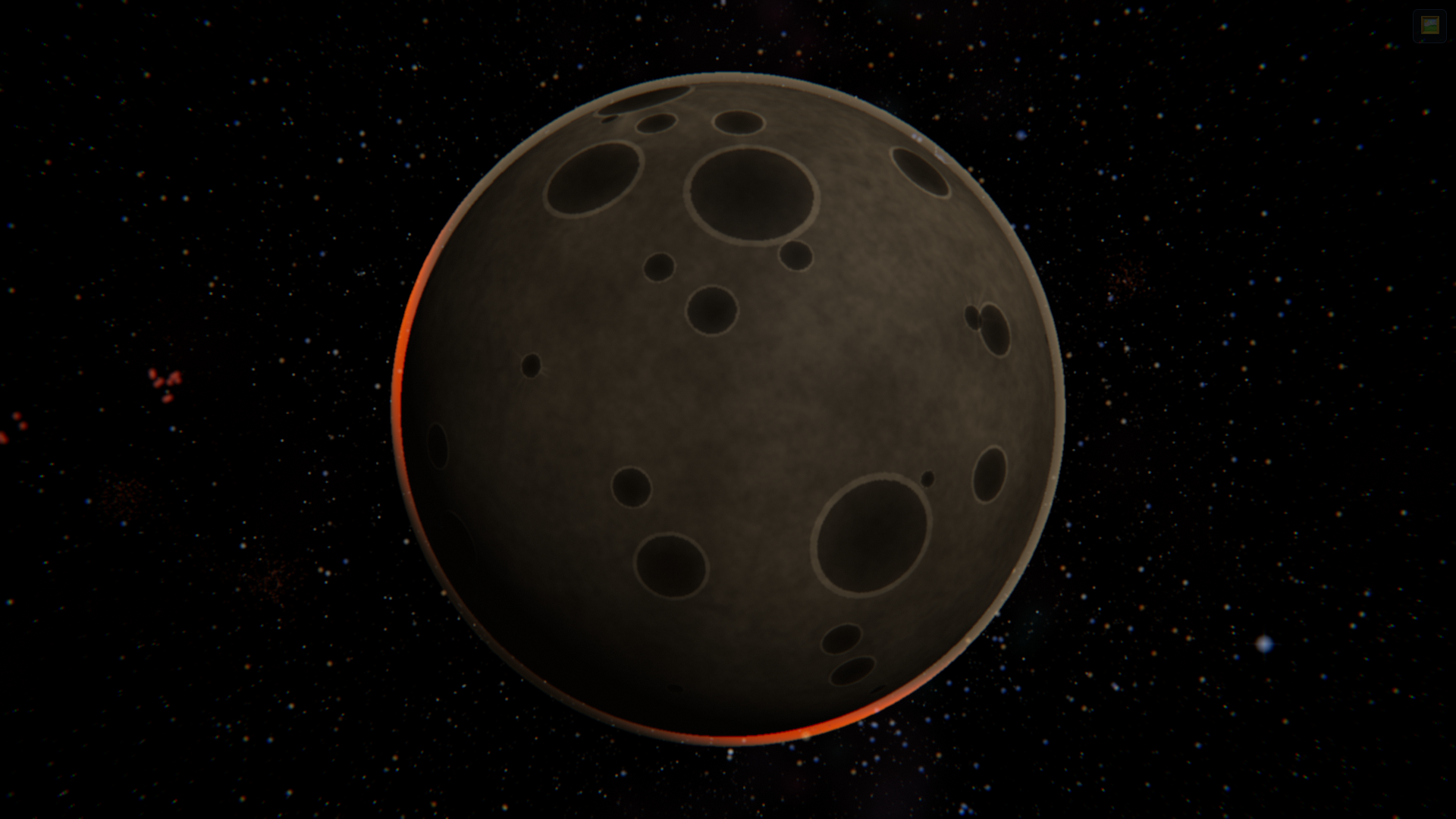
Spica d를 우주 공간에서 바라본 SPACE 시뮬레이션 천체 사진.
🚩 은하철도 999가 luyten726:b에 최초로 도착했습니다. https://space.woojinkim.org 🛸 여기로 비행 → https://space.woojinkim.org/play?goto=luyten726%3Ab #우주 #SPACE #천체사진
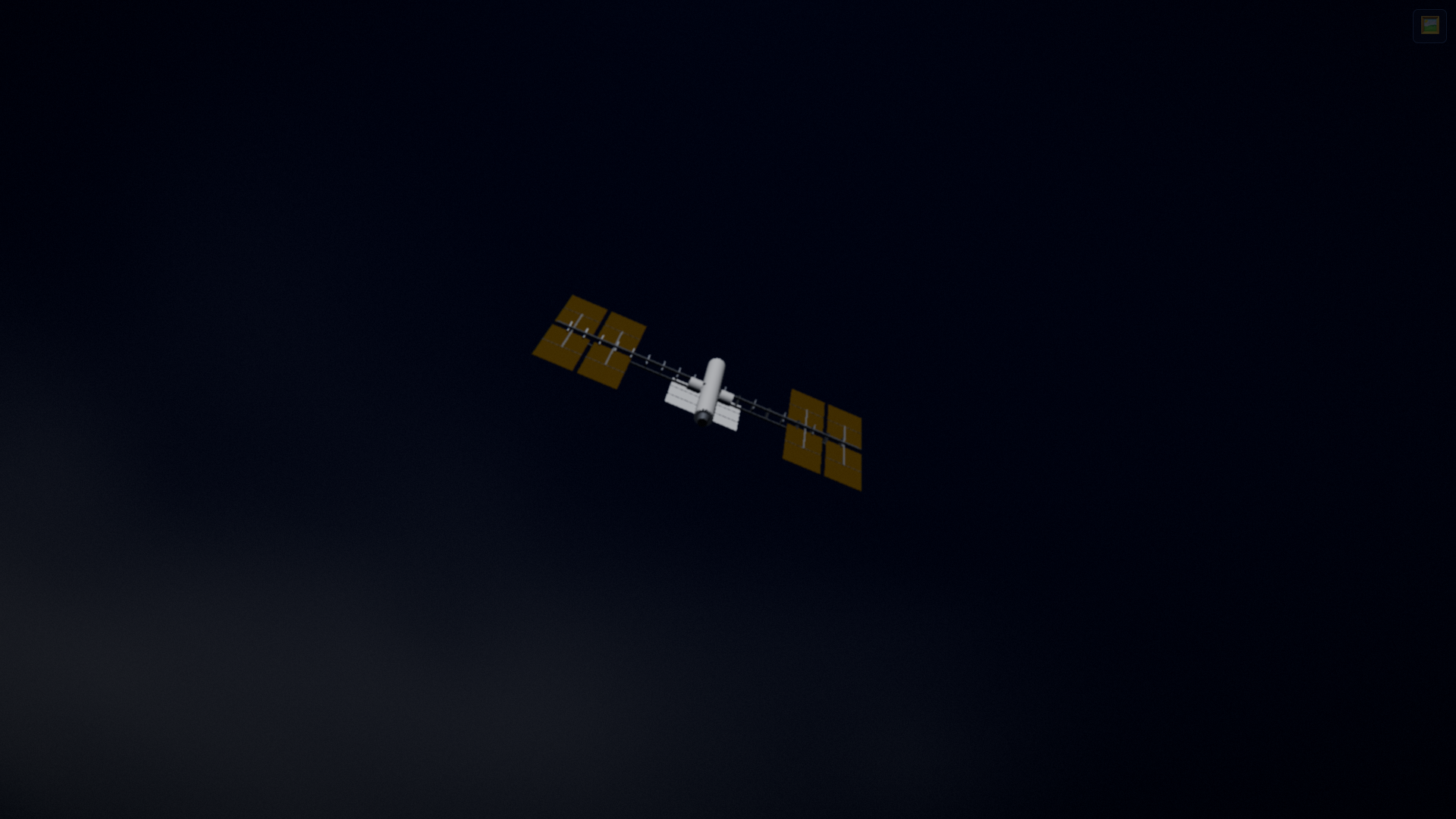
luyten726:b
📸 오늘(2026-07-09 KST)의 천체: 목성 🌫️ 오늘의 주제: 가스행성
https://space.woojinkim.org 🛸 여기로 비행 → https://space.woojinkim.org/play?goto=jupiter #우주 #SPACE #천체사진
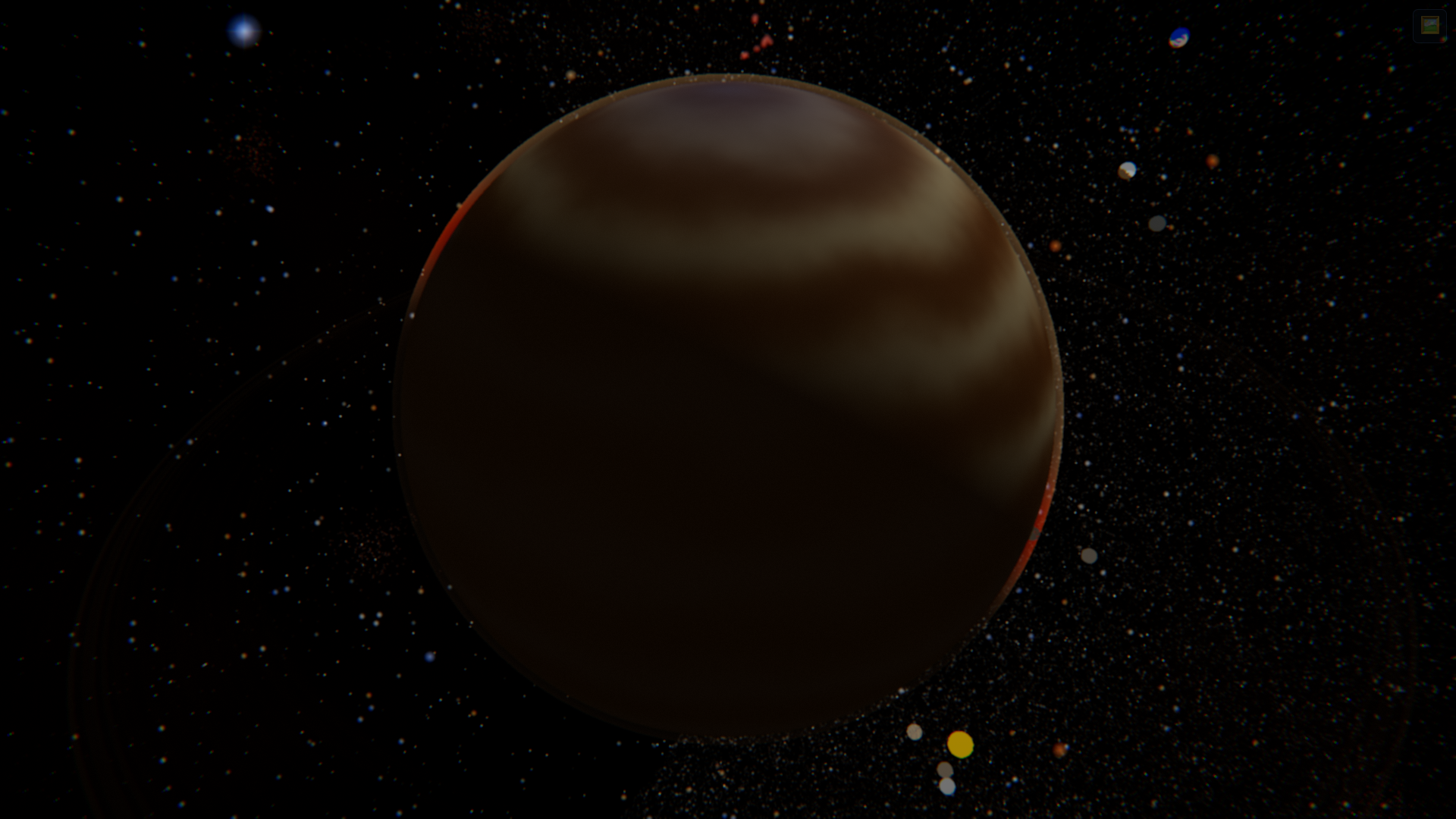
목성을 우주 공간에서 바라본 SPACE 시뮬레이션 천체 사진.
📸 오늘(2026-07-09 KST)의 천체: 토성 🌫️ 오늘의 주제: 가스행성
https://space.woojinkim.org 🛸 여기로 비행 → https://space.woojinkim.org/play?goto=saturn #우주 #SPACE #천체사진
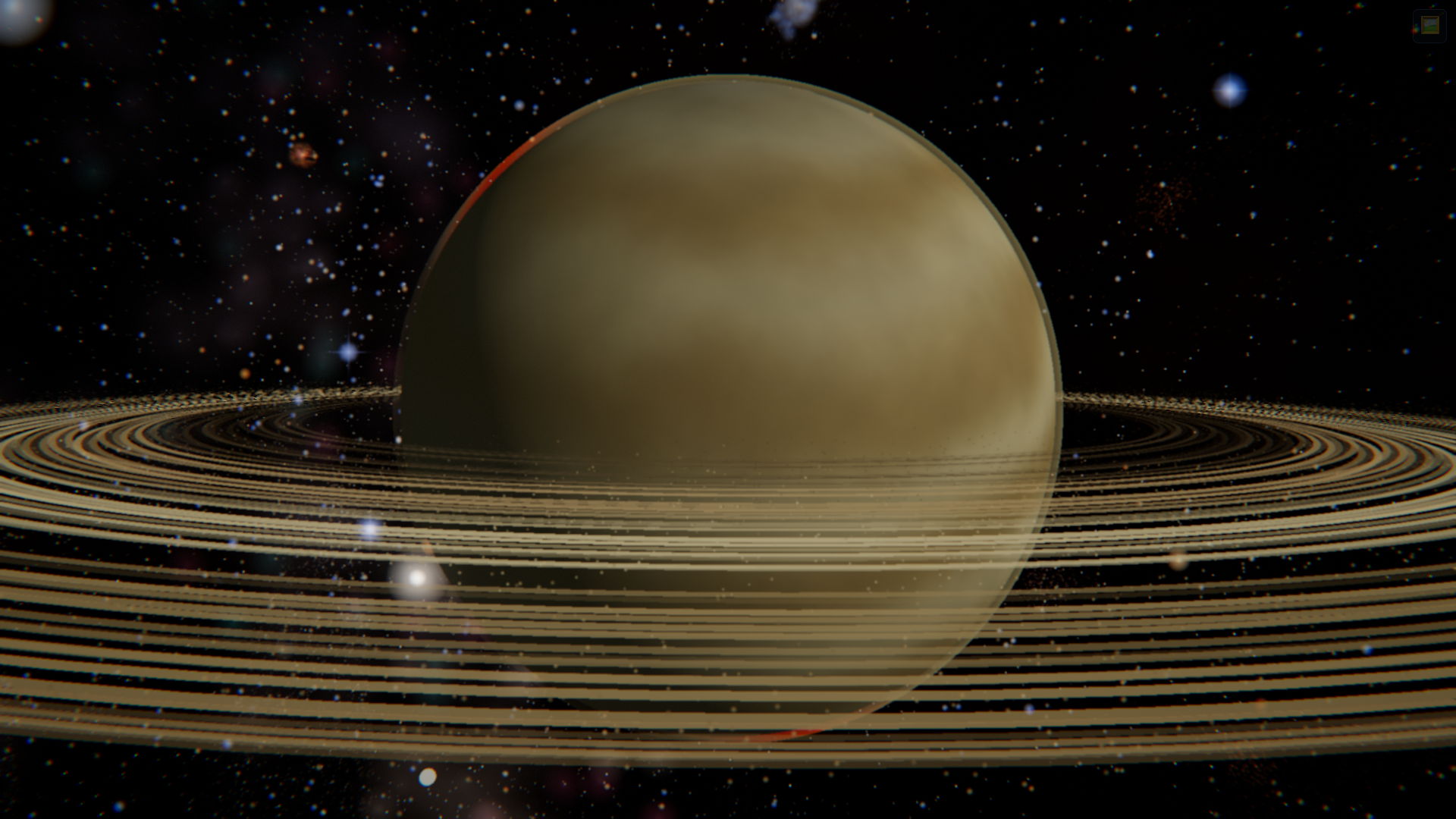
토성을 우주 공간에서 바라본 SPACE 시뮬레이션 천체 사진.
📸 오늘(2026-07-08 KST)의 천체: 팔라스 ☄️ 오늘의 주제: 왜소·소행성
https://space.woojinkim.org 🛸 여기로 비행 → https://space.woojinkim.org/play?goto=pallas #우주 #SPACE #천체사진
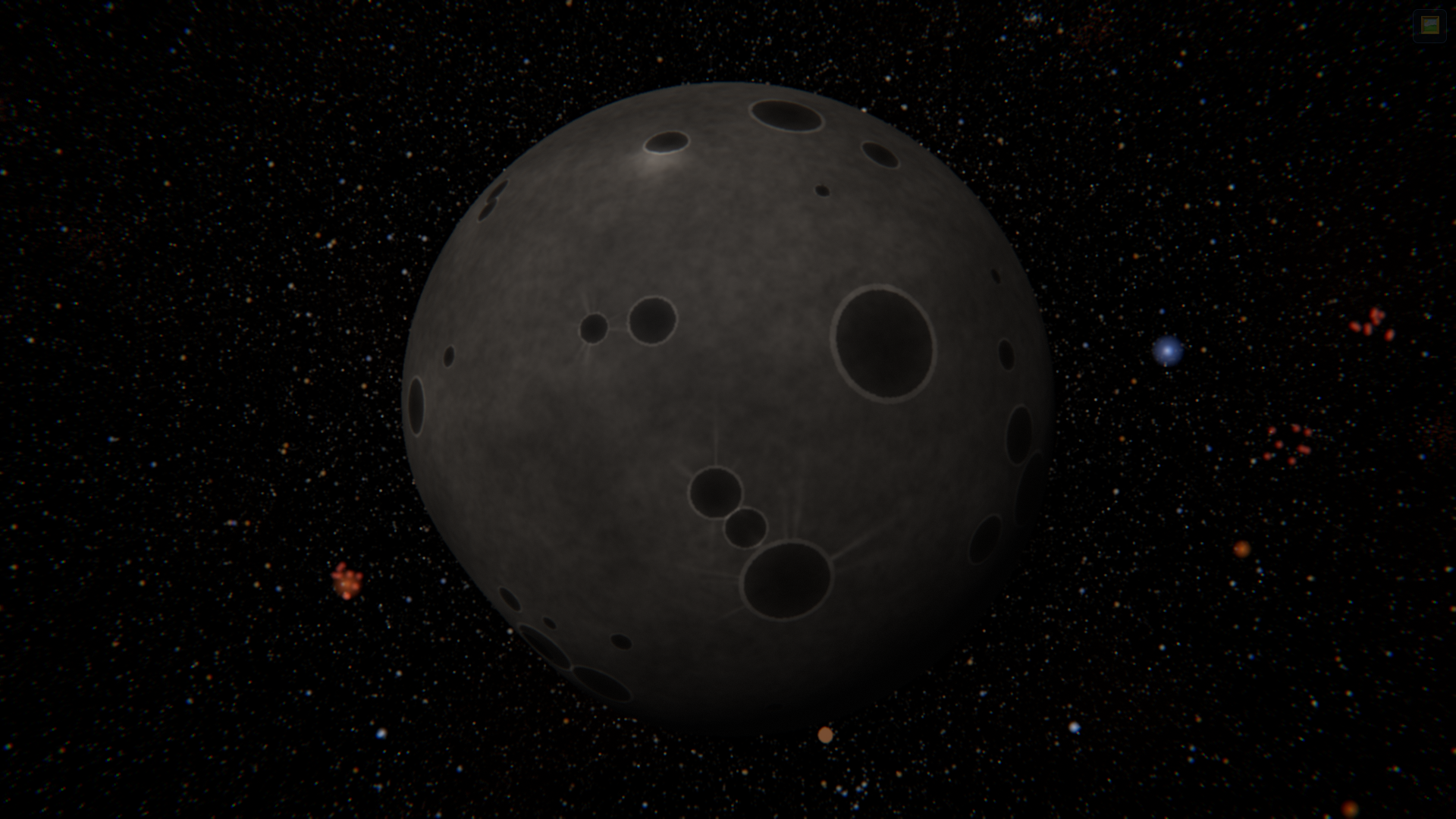
팔라스를 우주 공간에서 바라본 SPACE 시뮬레이션 천체 사진.
📸 오늘(2026-07-08 KST)의 천체: 베스타 ☄️ 오늘의 주제: 왜소·소행성
https://space.woojinkim.org 🛸 여기로 비행 → https://space.woojinkim.org/play?goto=vesta #우주 #SPACE #천체사진
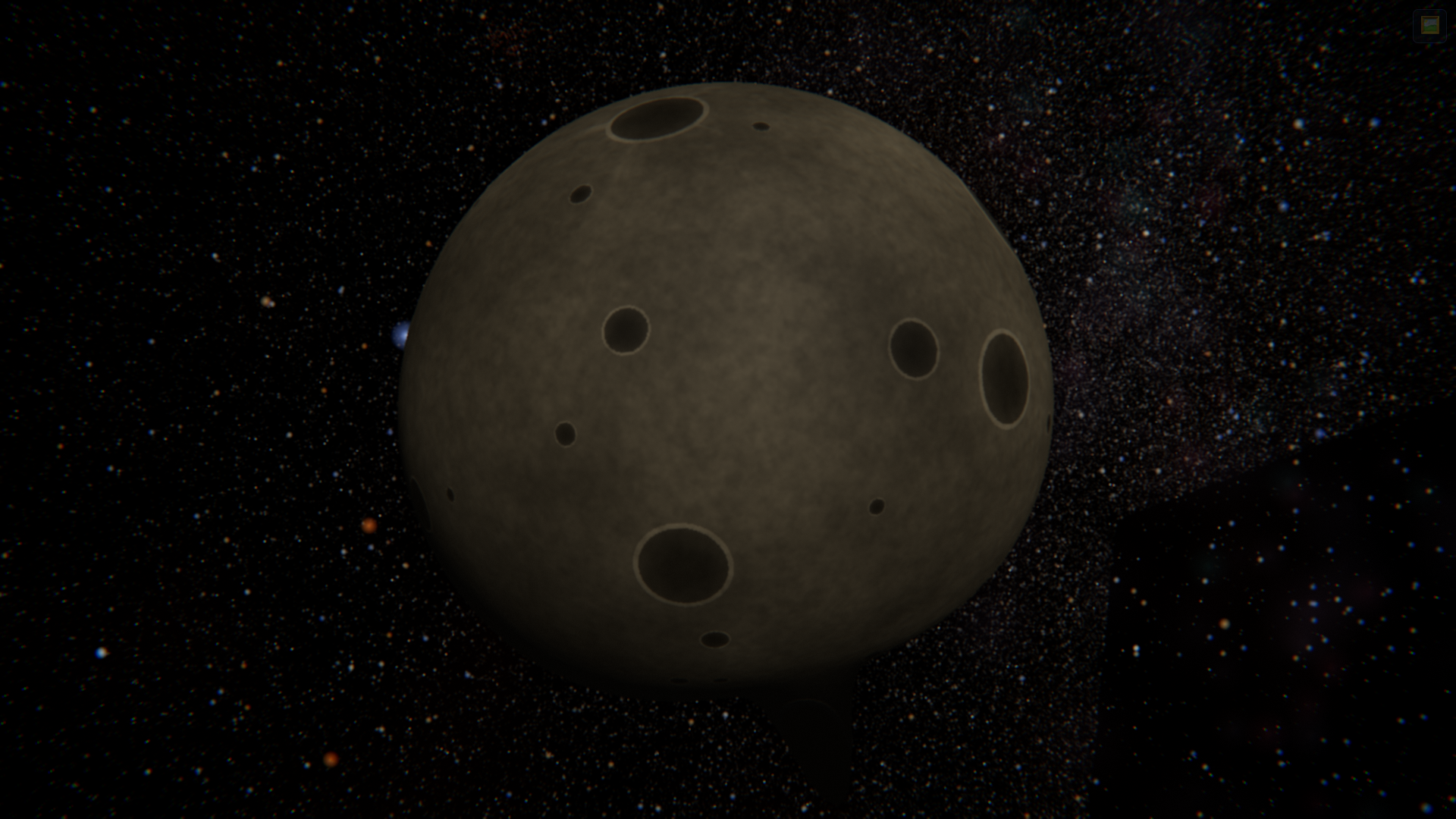
베스타를 우주 공간에서 바라본 SPACE 시뮬레이션 천체 사진.
📸 오늘(2026-07-07 KST)의 천체: 달 🌙 오늘의 주제: 위성
https://space.woojinkim.org 🛸 여기로 비행 → https://space.woojinkim.org/play?goto=moon #우주 #SPACE #천체사진
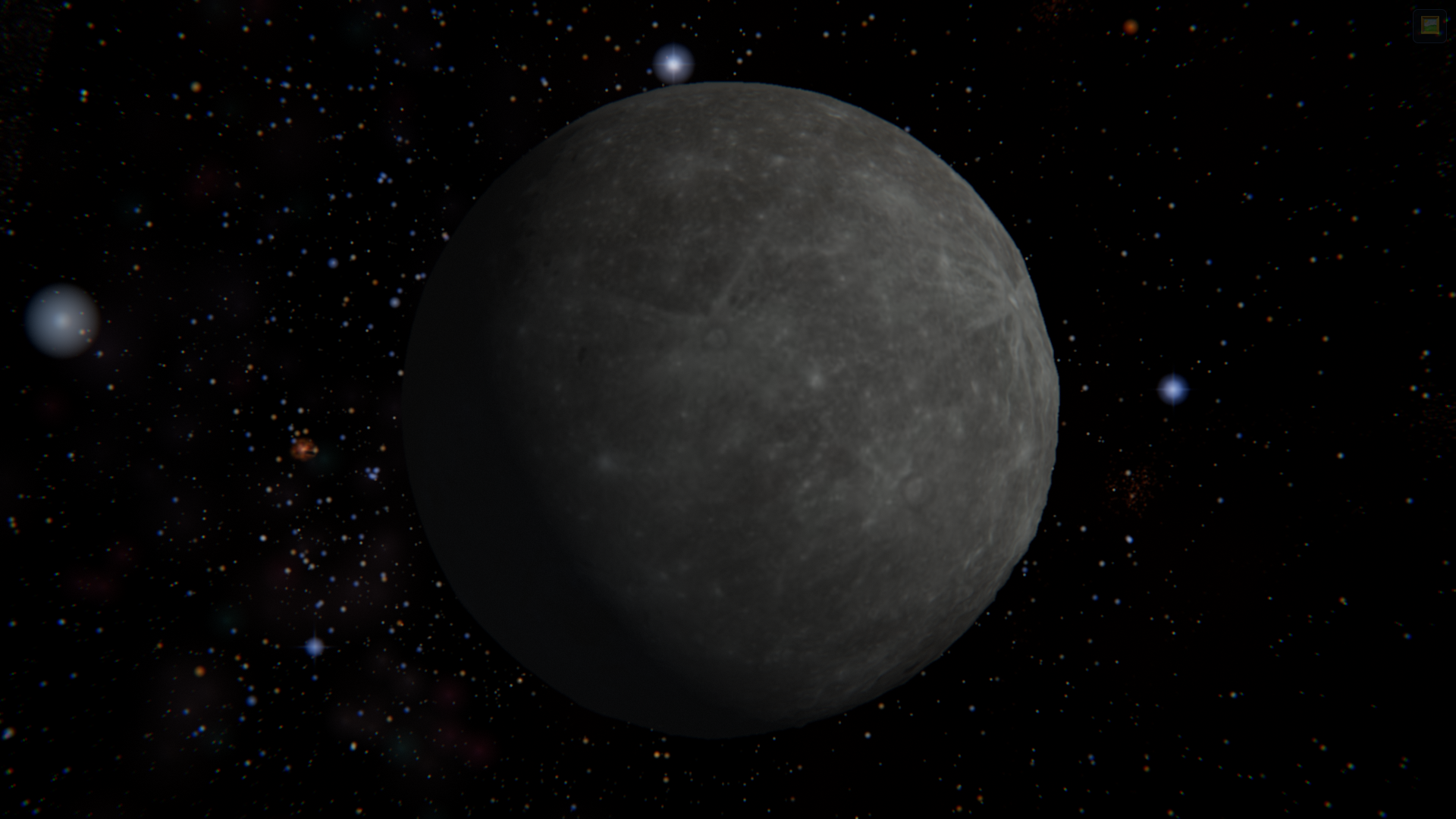
달을 우주 공간에서 바라본 SPACE 시뮬레이션 천체 사진.
📸 오늘(2026-07-07 KST)의 천체: 가니메데 🌙 오늘의 주제: 위성
https://space.woojinkim.org 🛸 여기로 비행 → https://space.woojinkim.org/play?goto=ganymede #우주 #SPACE #천체사진
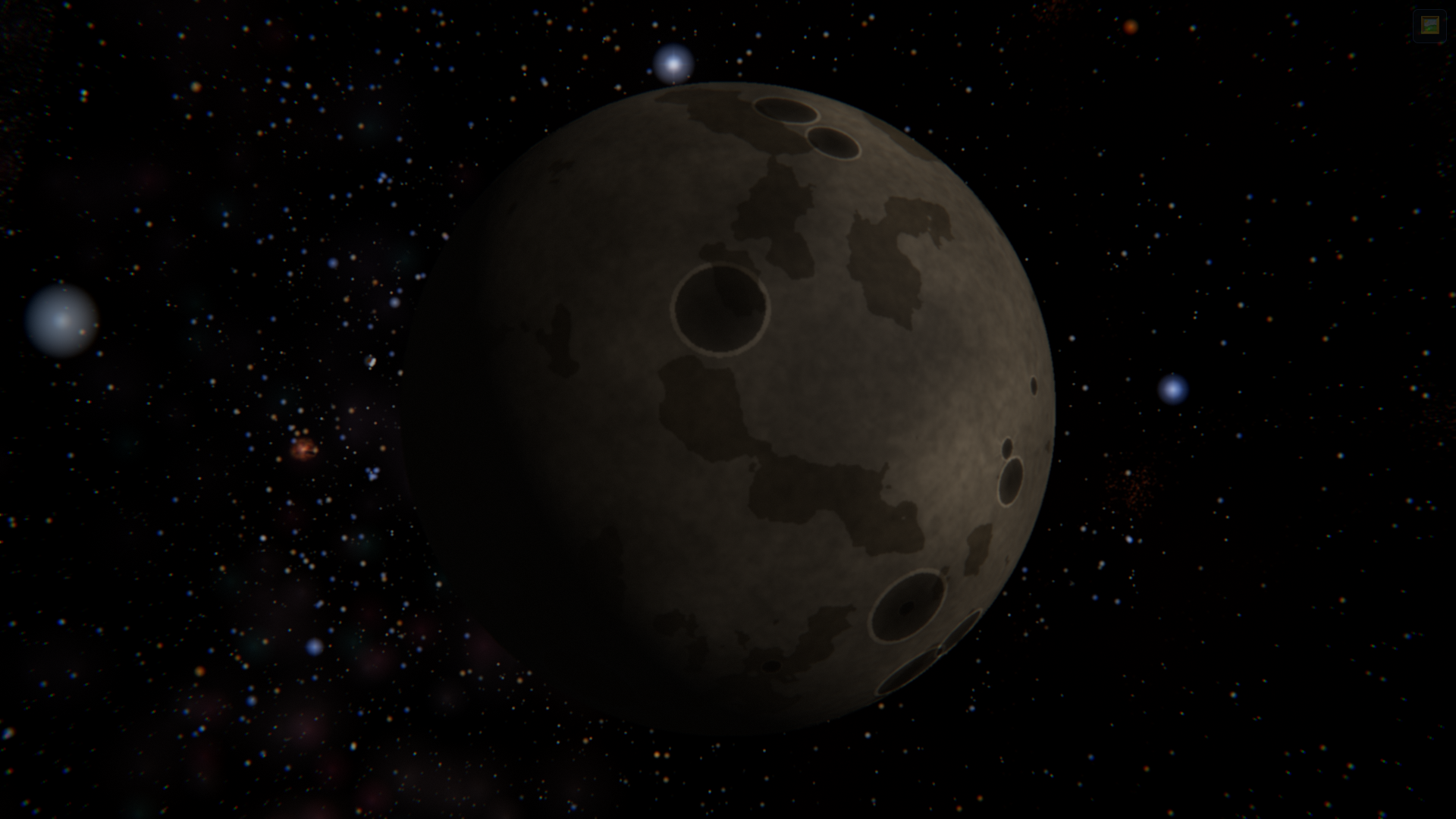
가니메데를 우주 공간에서 바라본 SPACE 시뮬레이션 천체 사진.
📸 오늘(2026-07-06 KST)의 천체: 화성 🪐 오늘의 주제: 행성
https://space.woojinkim.org 🛸 여기로 비행 → https://space.woojinkim.org/play?goto=mars #우주 #SPACE #천체사진
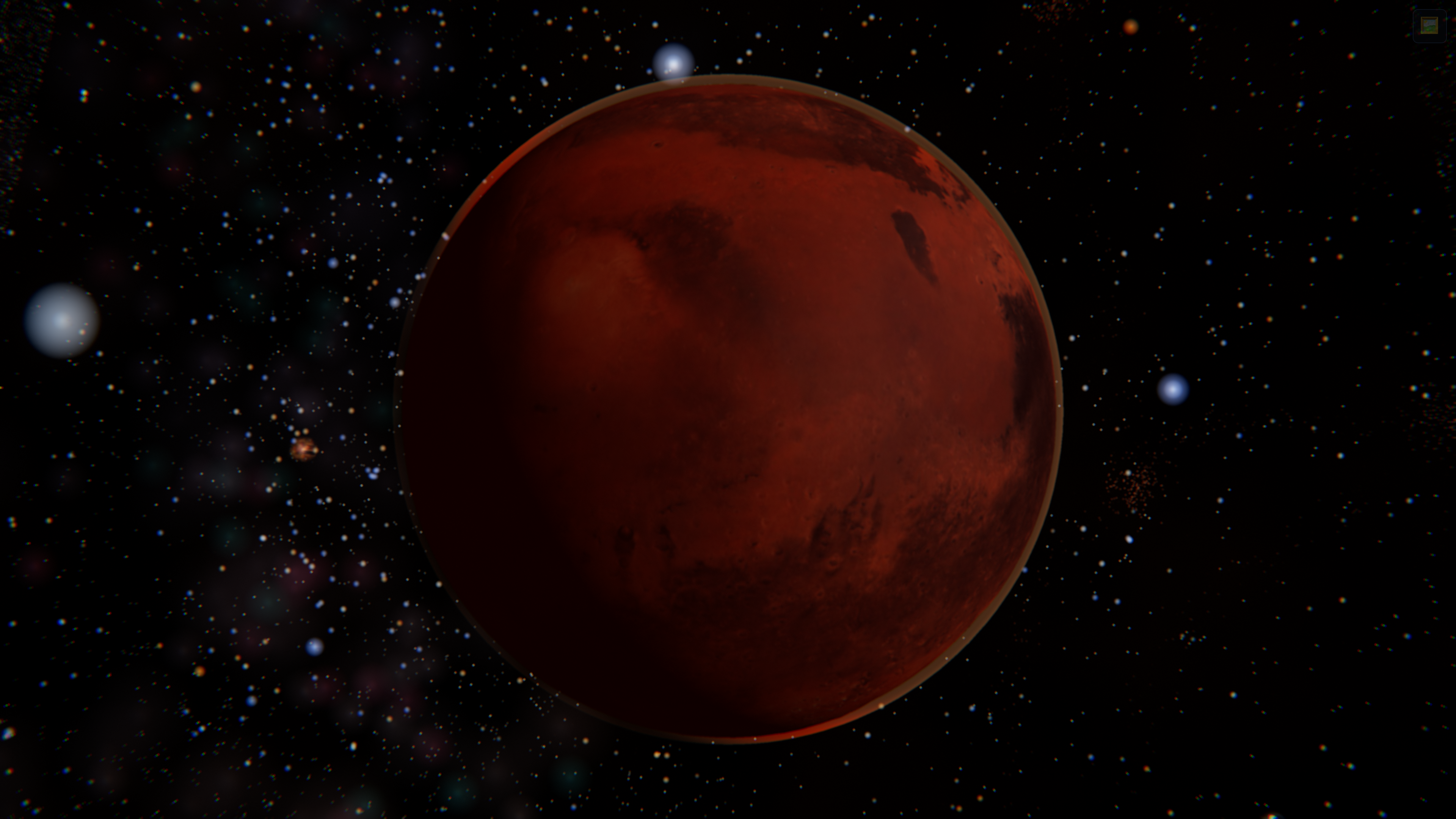
화성을 우주 공간에서 바라본 SPACE 시뮬레이션 천체 사진.
📸 오늘(2026-07-06 KST)의 천체: 금성 🪐 오늘의 주제: 행성
https://space.woojinkim.org 🛸 여기로 비행 → https://space.woojinkim.org/play?goto=venus #우주 #SPACE #천체사진
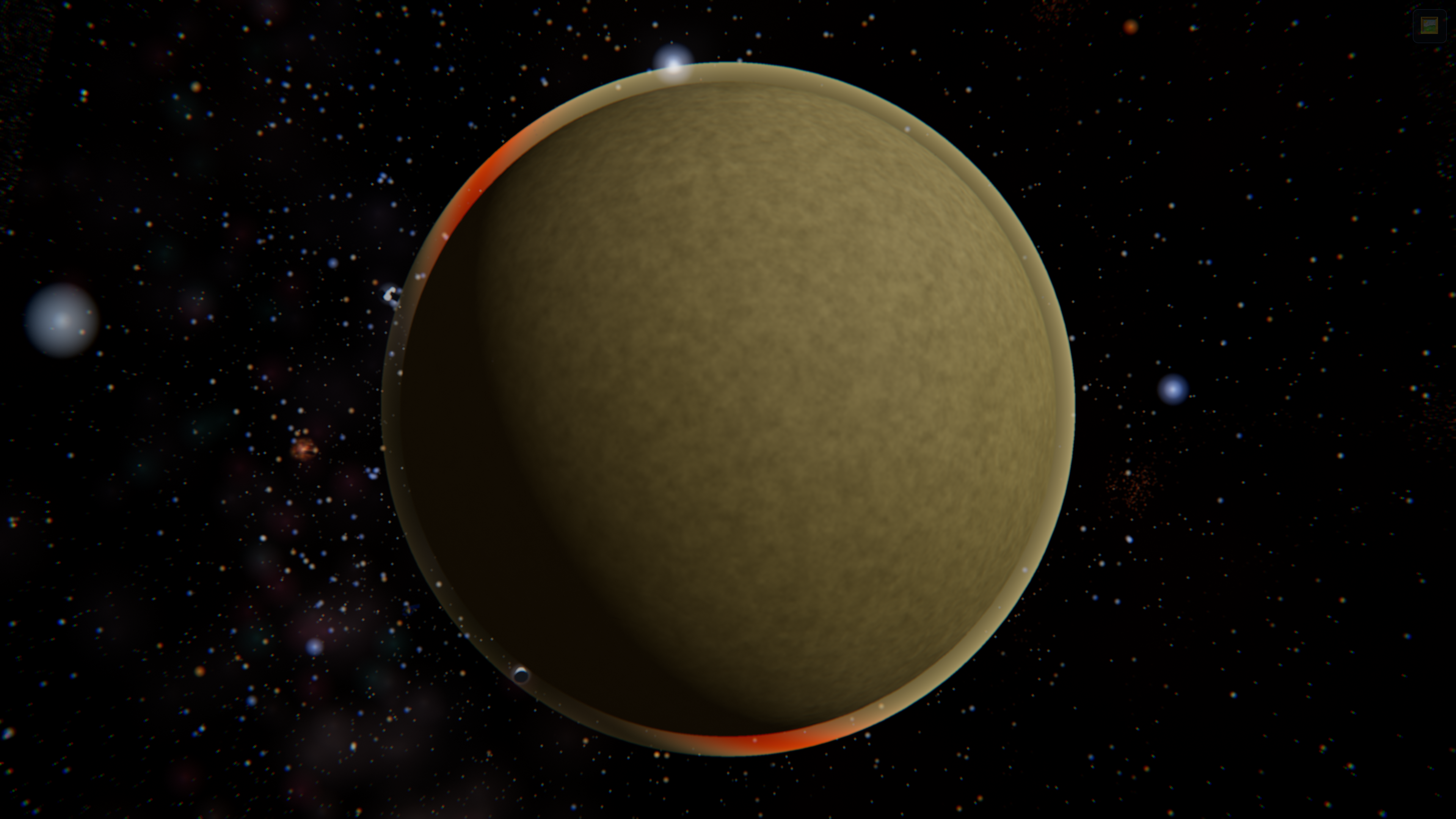
금성을 우주 공간에서 바라본 SPACE 시뮬레이션 천체 사진.
📸 오늘(2026-07-05 KST)의 천체: 안드로메다 은하(M31) 🌠 오늘의 주제: 은하·성단
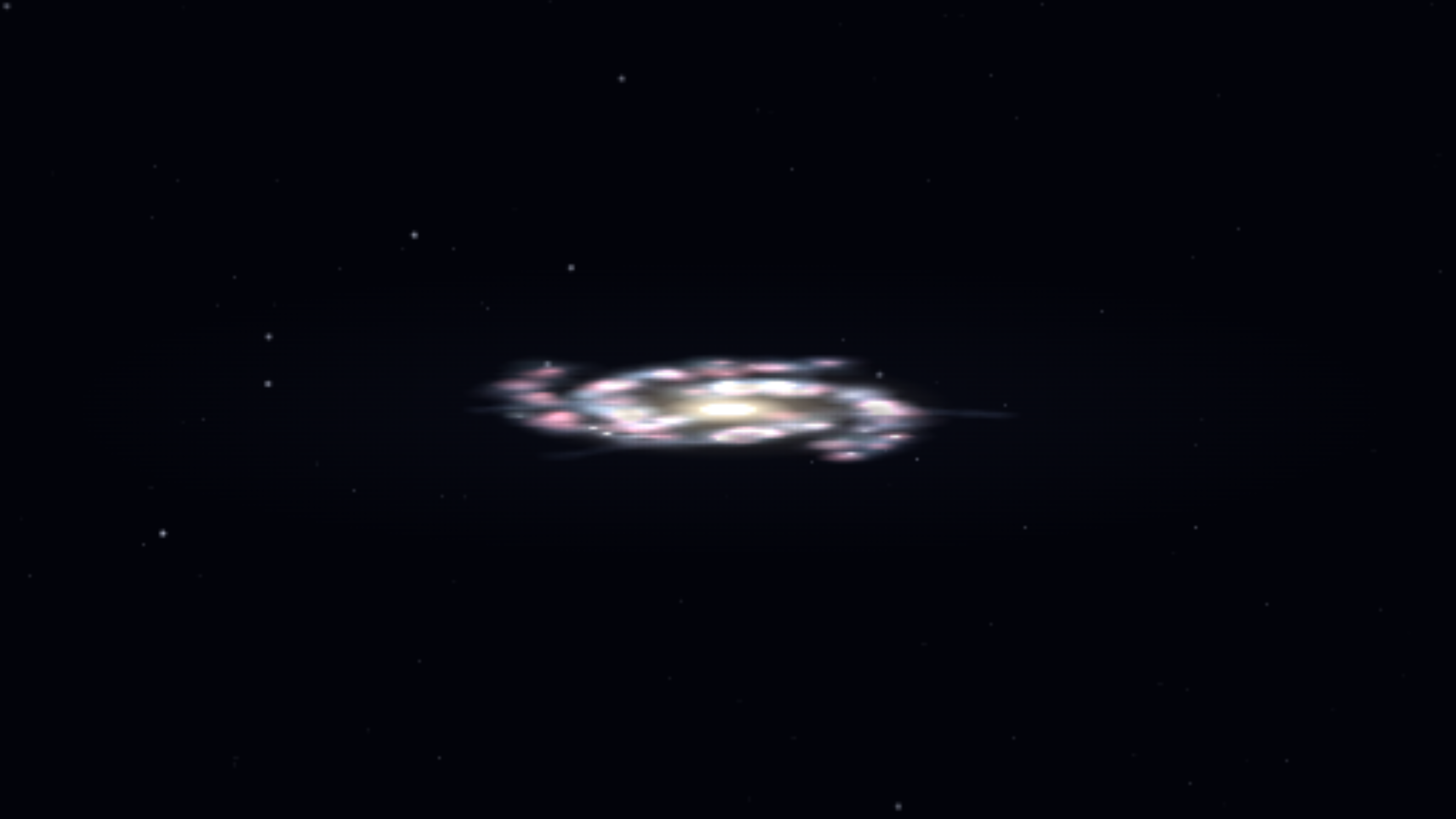
안드로메다 은하(M31)를 우주 공간에서 바라본 SPACE 시뮬레이션 천체 사진.
📸 오늘(2026-07-05 KST)의 천체: 보데 은하(M81) 🌠 오늘의 주제: 은하·성단
보데 은하(M81)를 우주 공간에서 바라본 SPACE 시뮬레이션 천체 사진.

If you are in the London/UK area right now, #Euclid has an interactive exhibition at the #RoyalSociety #SummerScience exhibition. Open until Sunday 5 July. See you there!
https://royalsociety.org/science-events-and-lectures/summer-science-exhibition/

Star-forming region in our Milky Way as observed with Euclid.
📸 오늘(2026-07-04 KST)의 천체: 말머리 성운(B33) 🌌 오늘의 주제: 성운
말머리 성운(B33)를 우주 공간에서 바라본 SPACE 시뮬레이션 천체 사진.
If you are in the London/UK area right now, #Euclid has an interactive exhibition at the #RoyalSociety #SummerScience exhibition. Open until Sunday 5 July. See you there!
https://royalsociety.org/science-events-and-lectures/summer-science-exhibition/
Star-forming region in our Milky Way as observed with Euclid.
📸 오늘(2026-07-03 KST)의 천체: Gliese 581 b 🪐 오늘의 주제: 외계행성
Gliese 581 b를 우주 공간에서 바라본 SPACE 시뮬레이션 천체 사진.
📸 오늘(2026-07-02 KST)의 천체: 해왕성 🌫️ 오늘의 주제: 가스행성
https://space.woojinkim.org 🛸 여기로 비행 → https://space.woojinkim.org/play?goto=neptune #우주 #SPACE #천체사진
해왕성을 우주 공간에서 바라본 SPACE 시뮬레이션 천체 사진.
📸 오늘(2026-07-02 KST)의 천체: 천왕성 🌫️ 오늘의 주제: 가스행성
https://space.woojinkim.org 🛸 여기로 비행 → https://space.woojinkim.org/play?goto=uranus #우주 #SPACE #천체사진
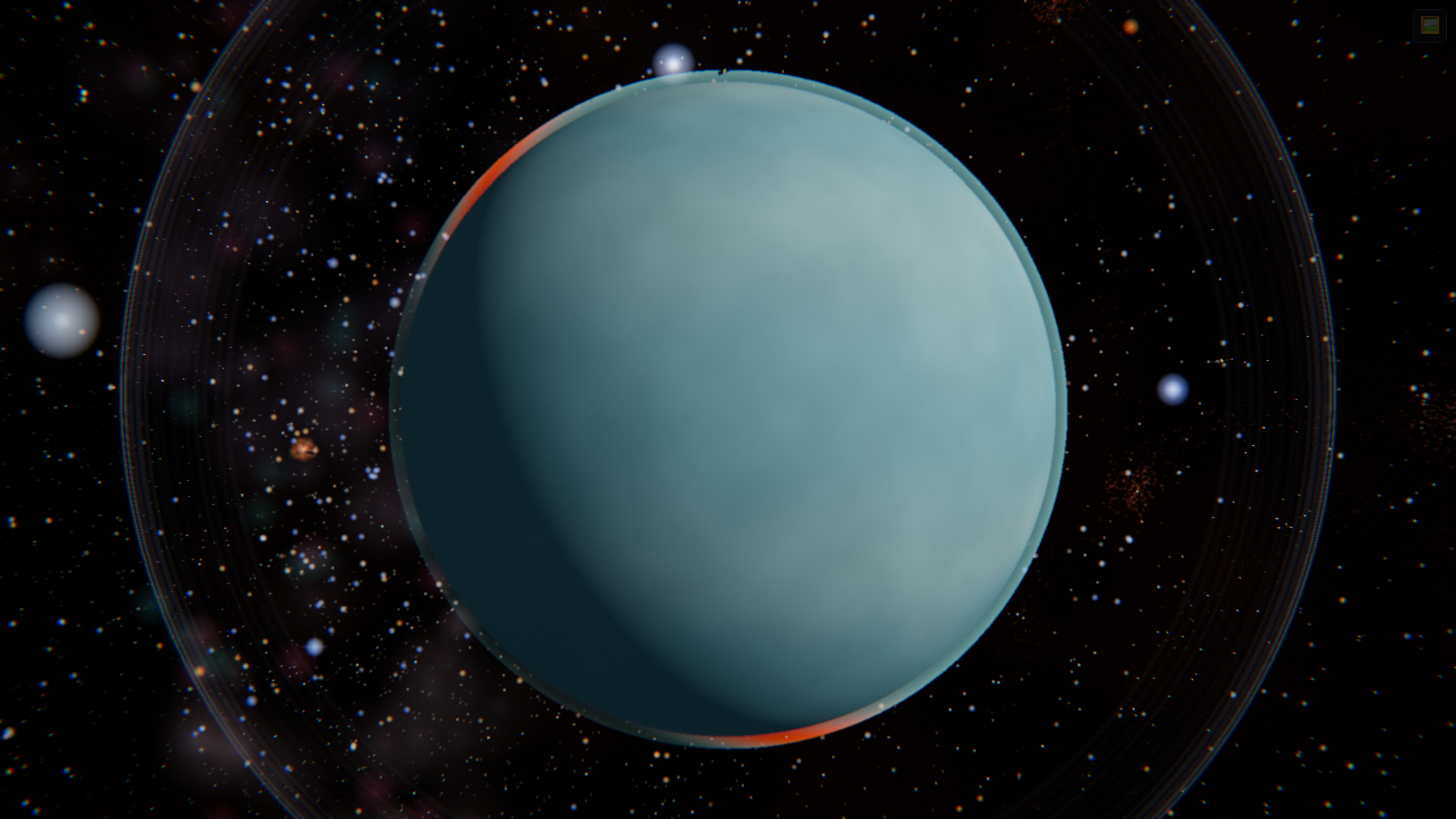
천왕성을 우주 공간에서 바라본 SPACE 시뮬레이션 천체 사진.
📸 오늘(2026-07-02 KST)의 천체: 천왕성 🌫️ 오늘의 주제: 가스행성
https://space.woojinkim.org 🛸 여기로 비행 → https://space.woojinkim.org/play?goto=uranus #우주 #SPACE #천체사진
천왕성을 우주 공간에서 바라본 SPACE 시뮬레이션 천체 사진.
📸 오늘(2026-07-01 KST)의 천체: 수성 ☄️ 오늘의 주제: 왜소·소행성
https://space.woojinkim.org 🛸 여기로 비행 → https://space.woojinkim.org/play?goto=mercury #우주 #SPACE #천체사진
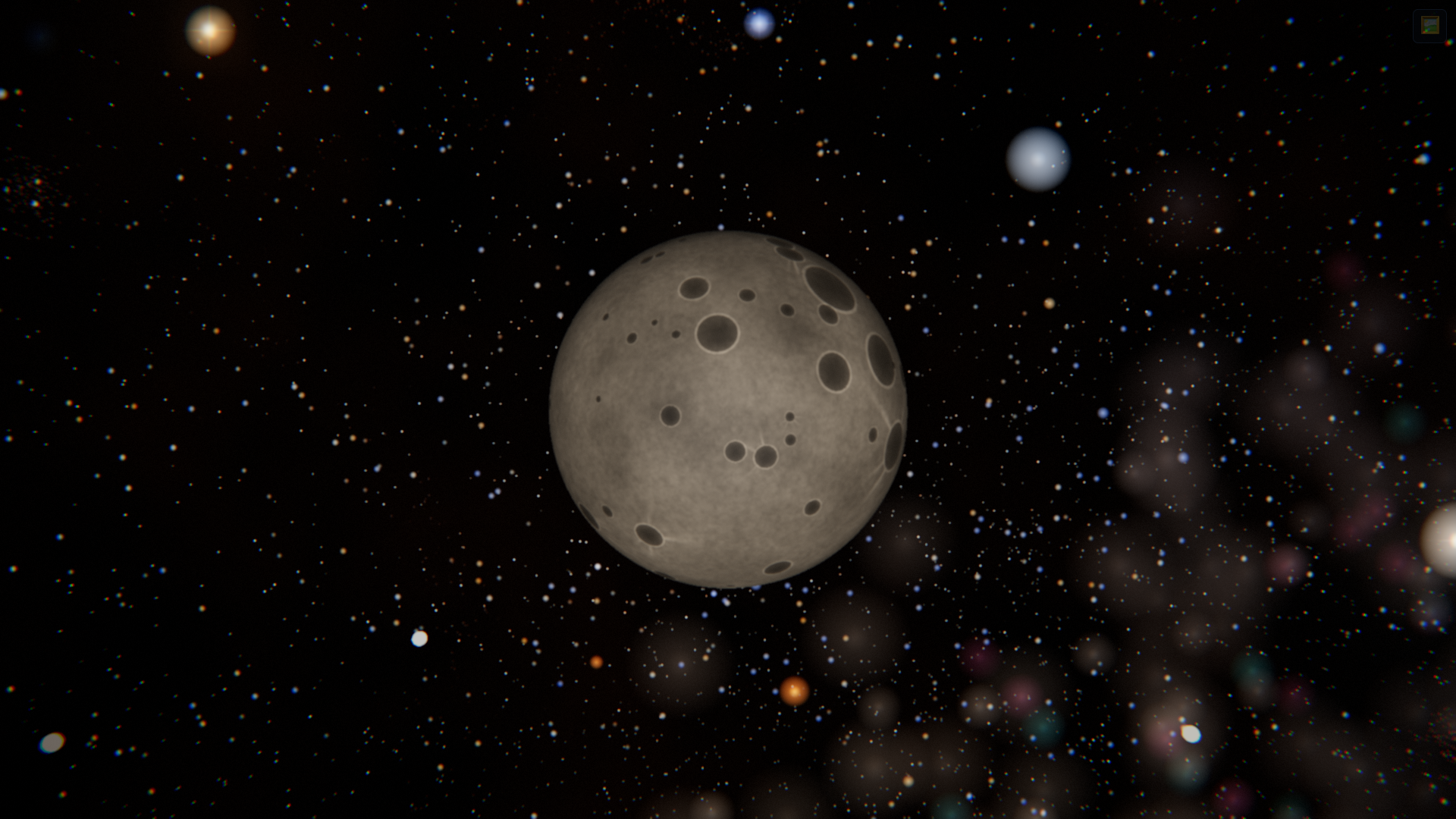
수성을 우주 공간에서 바라본 SPACE 시뮬레이션 천체 사진.
🚩 NILONMUSK mk.2가 수성에 최초로 도착했습니다. https://space.woojinkim.org 🛸 여기로 비행 → https://space.woojinkim.org/play?goto=mercury #우주 #SPACE #천체사진
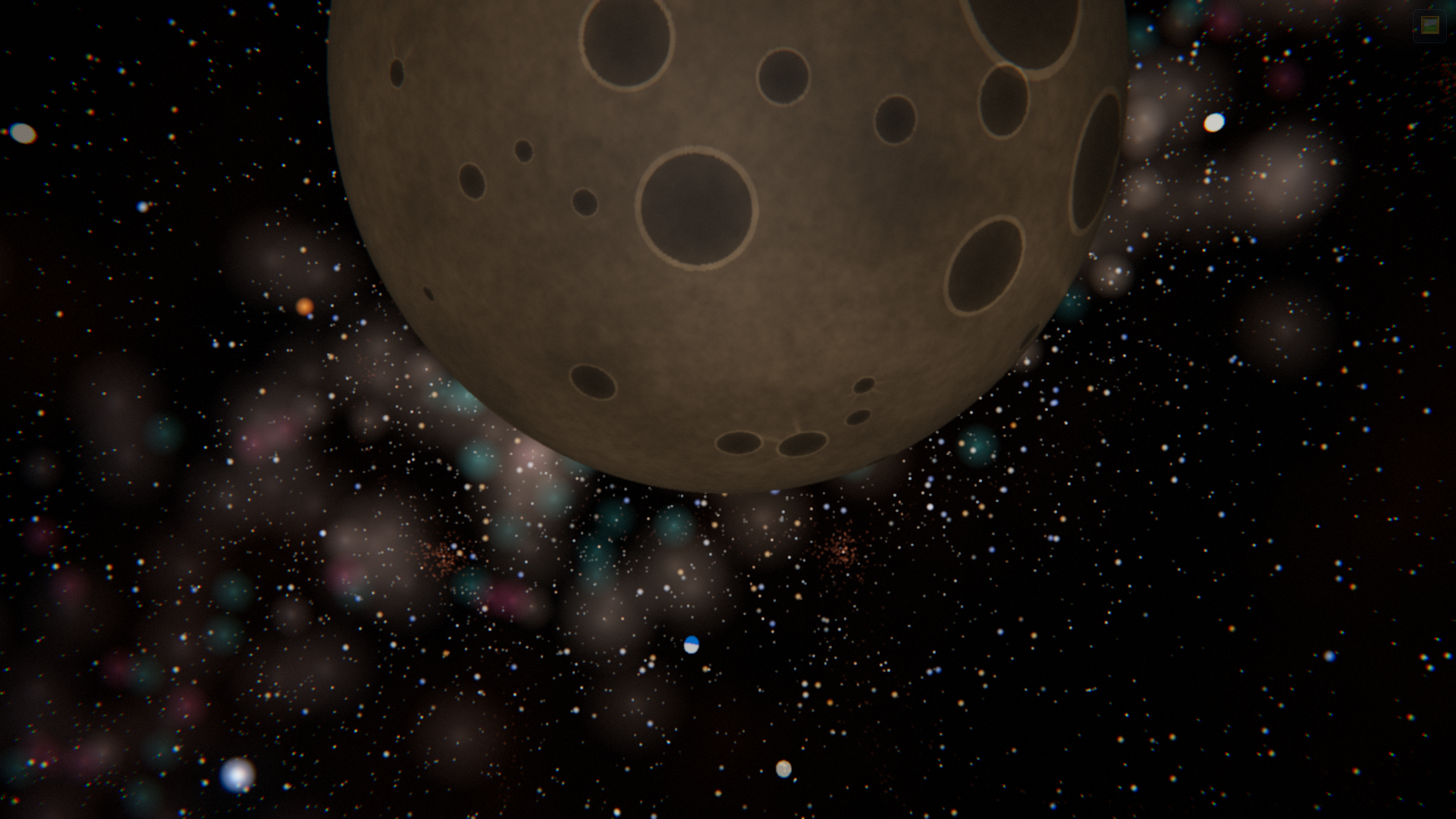
수성
📸 오늘(2026-07-01 KST)의 천체: 에리스 ☄️ 오늘의 주제: 왜소·소행성
https://space.woojinkim.org 🛸 여기로 비행 → https://space.woojinkim.org/play?goto=eris #우주 #SPACE #천체사진
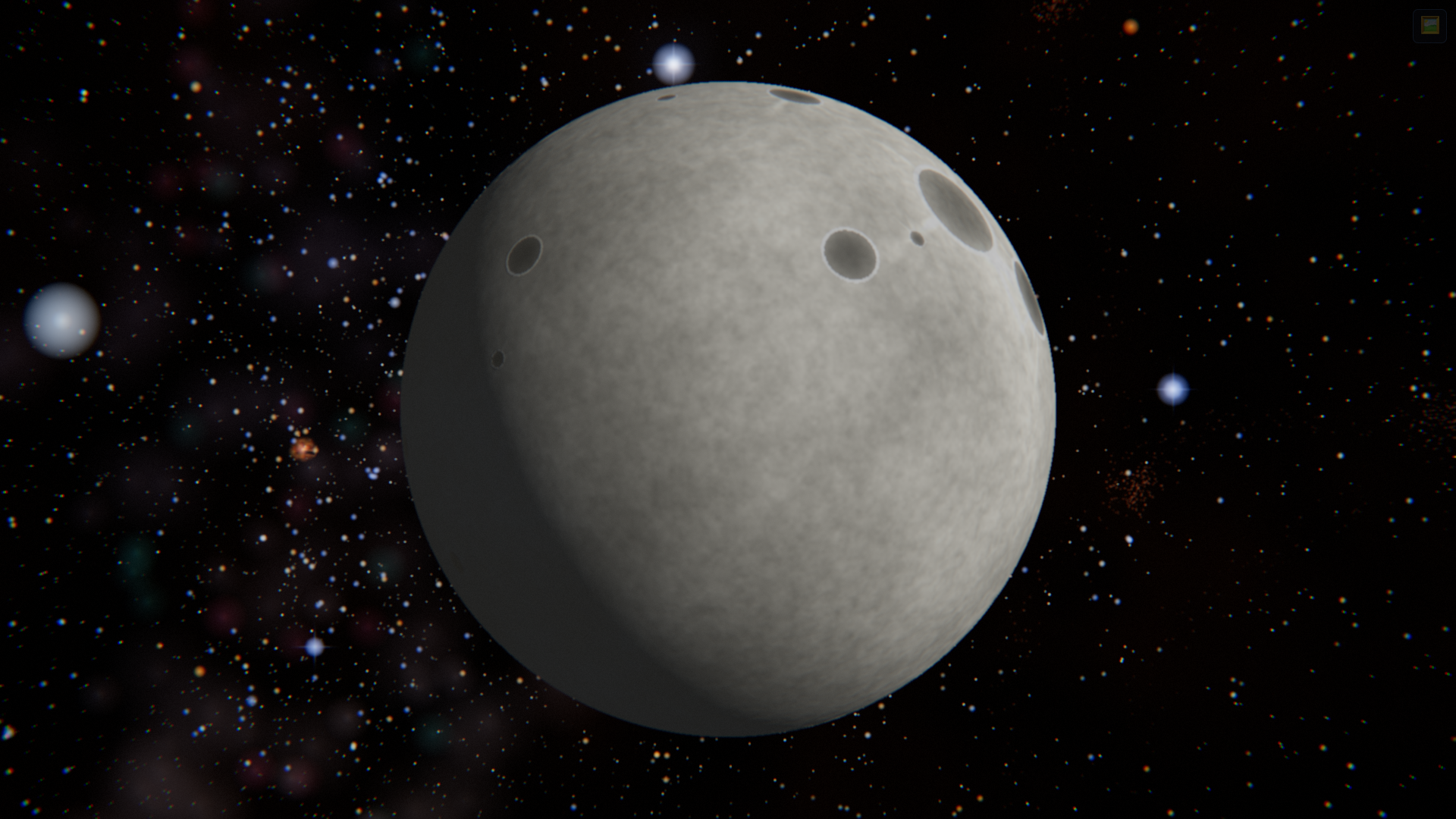
에리스를 우주 공간에서 바라본 SPACE 시뮬레이션 천체 사진.
📸 오늘(2026-06-30 KST)의 천체: 카론 🌙 오늘의 주제: 위성
https://space.woojinkim.org 🛸 여기로 비행 → https://space.woojinkim.org/play?goto=charon #우주 #SPACE #천체사진
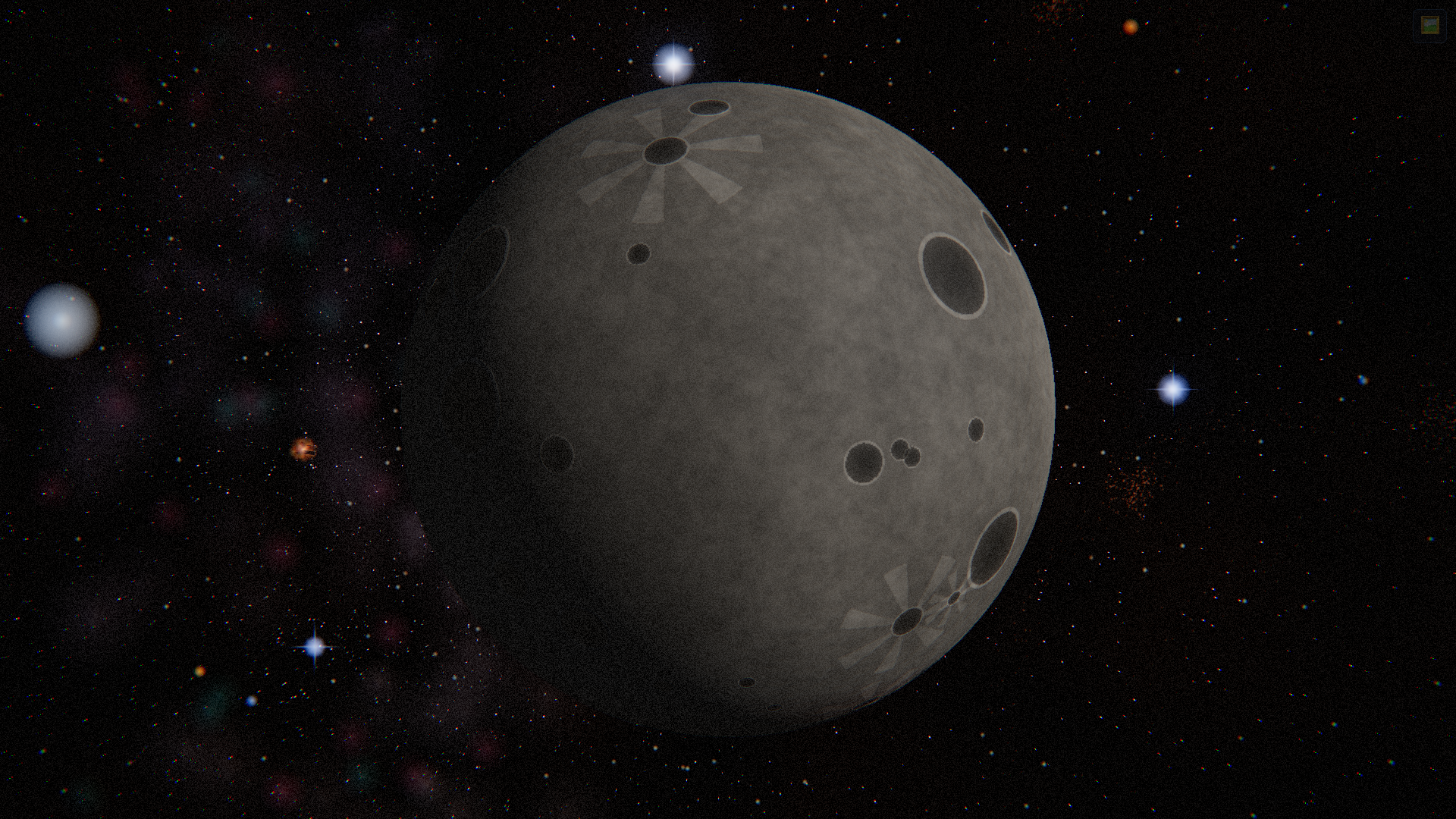
카론을 우주 공간에서 바라본 SPACE 시뮬레이션 천체 사진.
📸 오늘(2026-06-30 KST)의 천체: 이아페투스 🌙 오늘의 주제: 위성
https://space.woojinkim.org 🛸 여기로 비행 → https://space.woojinkim.org/play?goto=iapetus #우주 #SPACE #천체사진
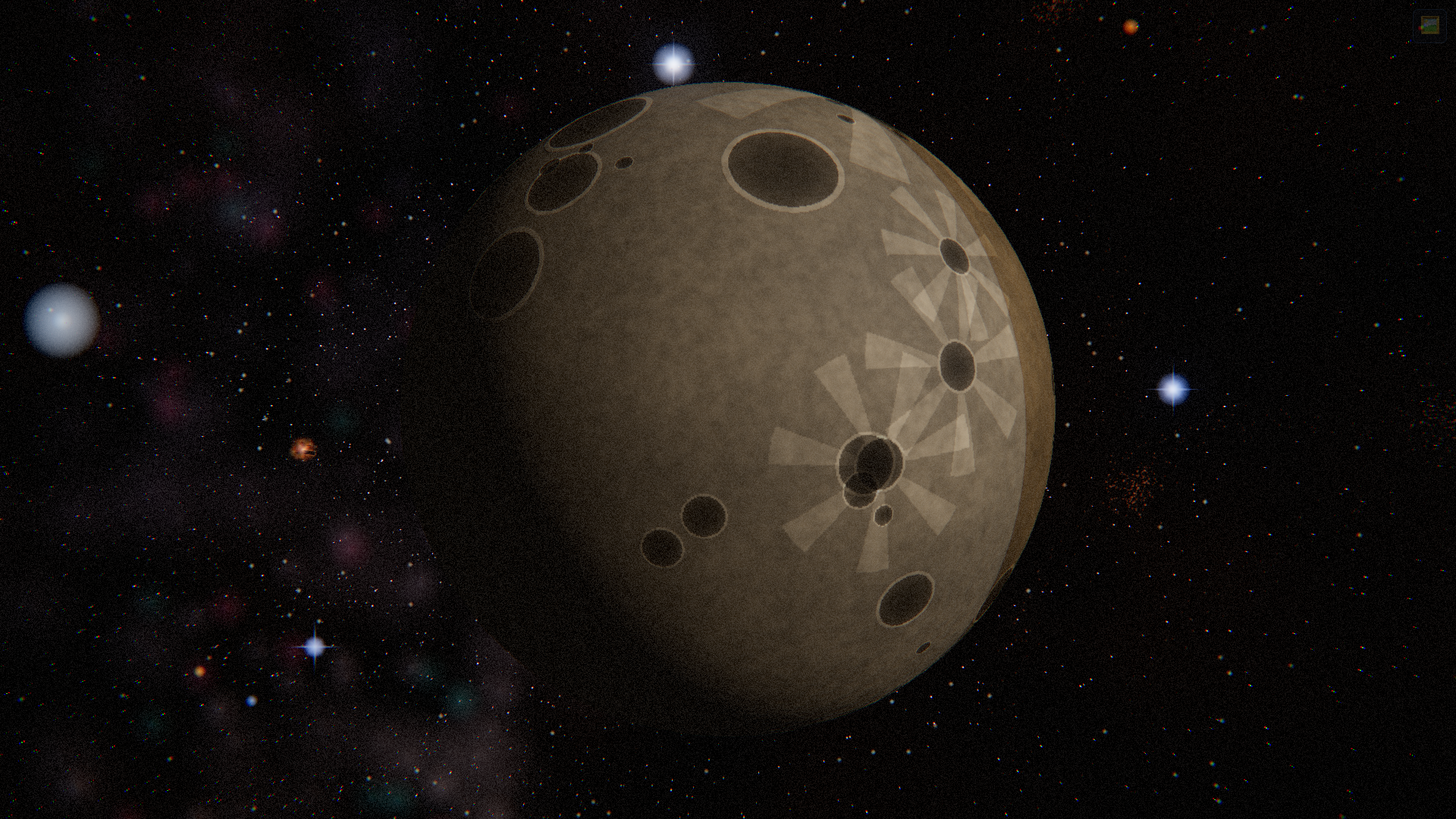
이아페투스를 우주 공간에서 바라본 SPACE 시뮬레이션 천체 사진.
🚩 NILONMUSK mk.2가 달에 최초로 도착했습니다. https://space.woojinkim.org 🛸 여기로 비행 → https://space.woojinkim.org/play?goto=moon #우주 #SPACE #천체사진
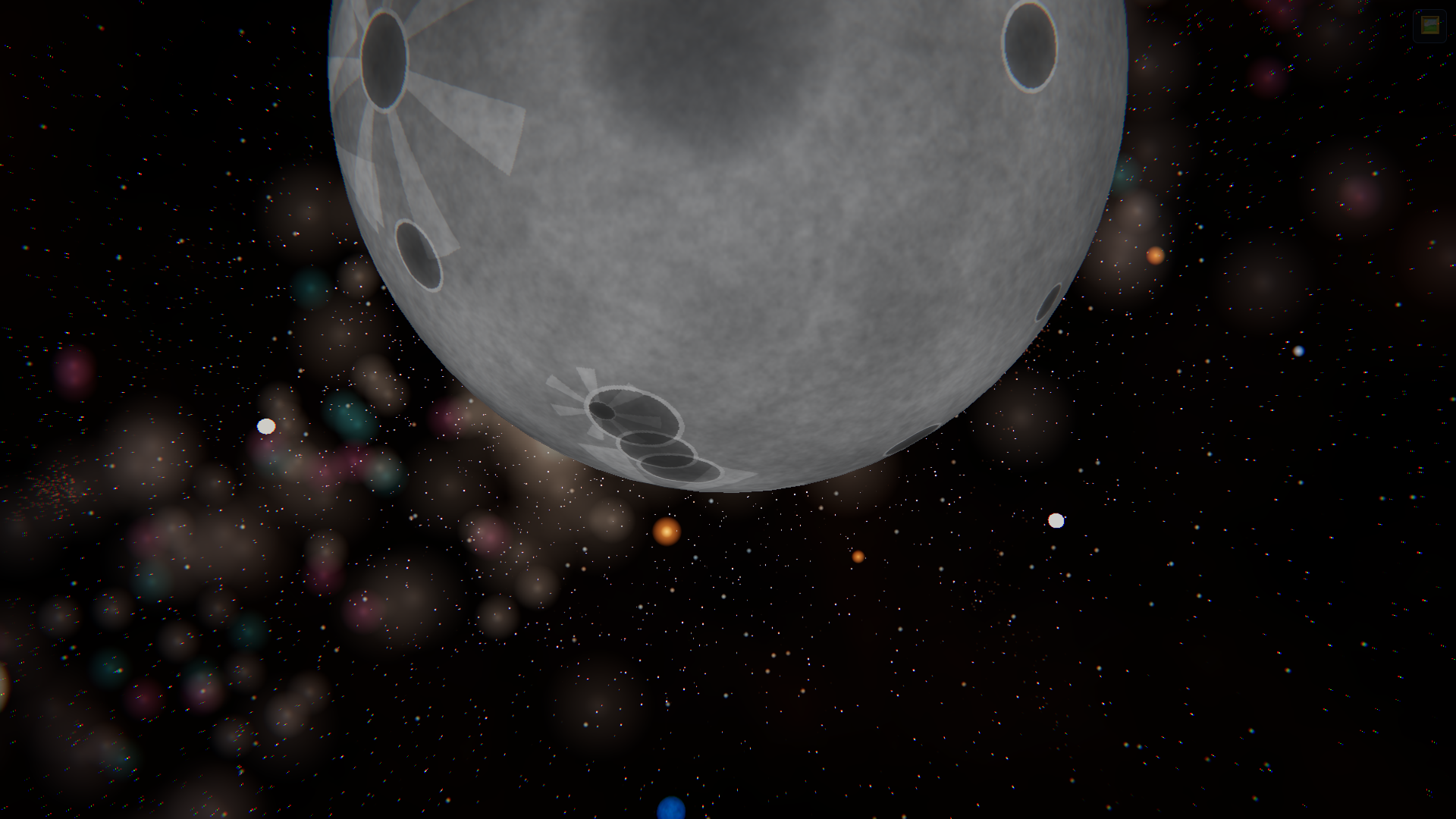
달
🚩 Nilon Musk가 금성에 최초로 도착했습니다. https://space.woojinkim.org 🛸 여기로 비행 → https://space.woojinkim.org/play?goto=venus #우주 #SPACE #천체사진
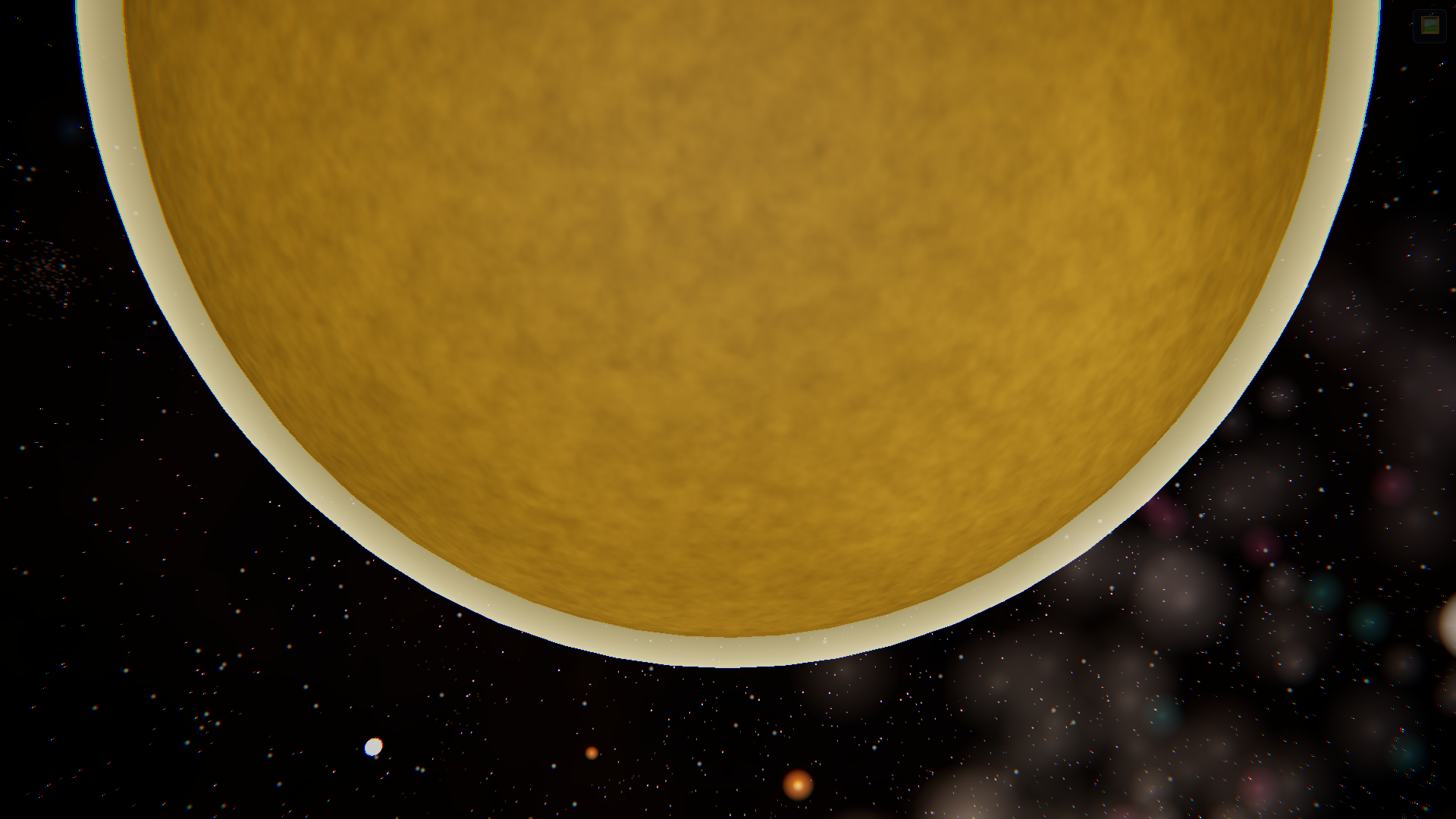
금성
📸 오늘(2026-06-29 KST)의 천체: 지구 🪐 오늘의 주제: 행성
https://space.woojinkim.org 🛸 여기로 비행 → https://space.woojinkim.org/play?goto=earth #우주 #SPACE #천체사진
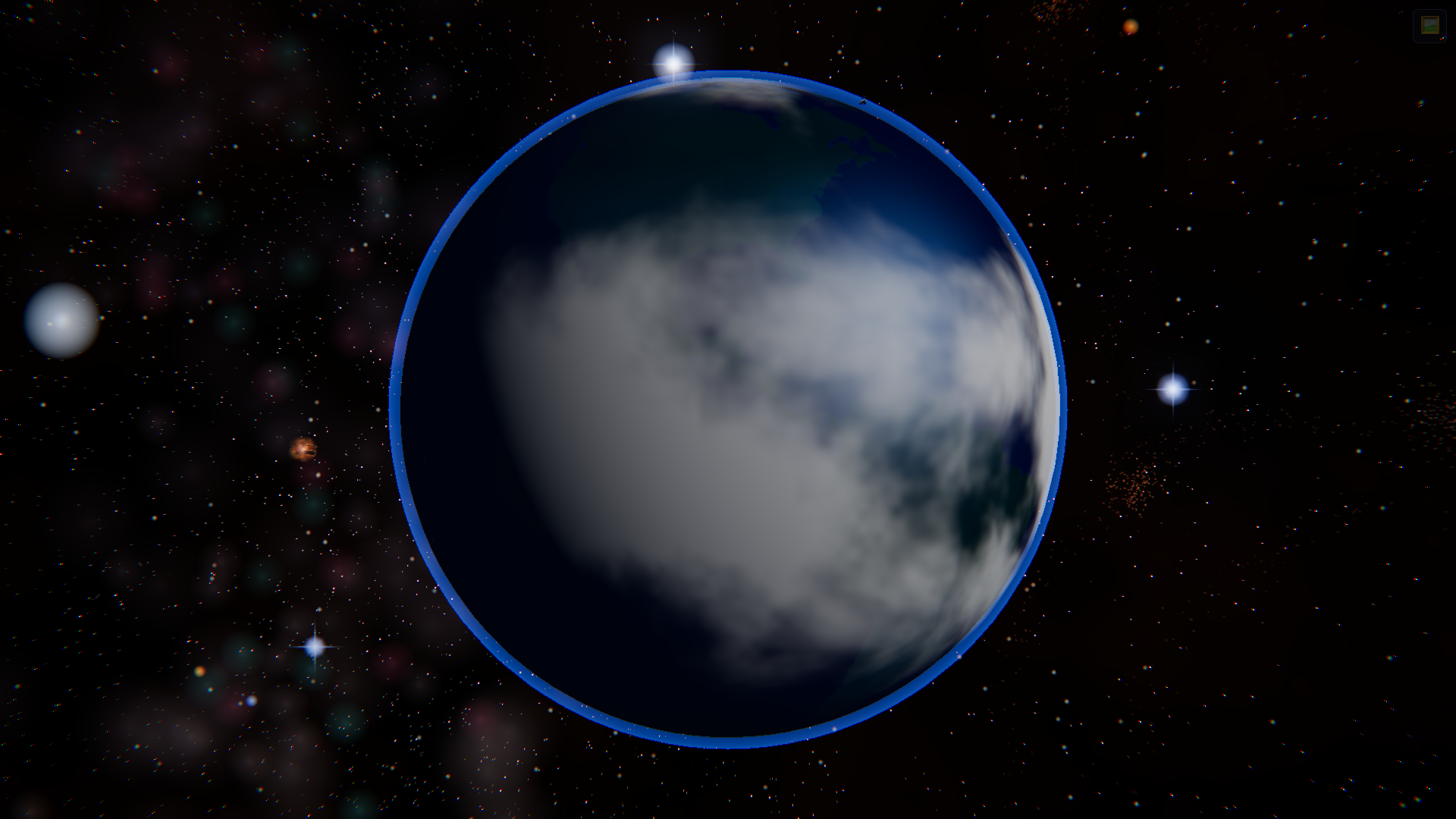
지구를 우주 공간에서 바라본 SPACE 시뮬레이션 천체 사진.
📸 오늘(2026-06-29 KST)의 천체: 수성 🪐 오늘의 주제: 행성
https://space.woojinkim.org 🛸 여기로 비행 → https://space.woojinkim.org/play?goto=mercury #우주 #SPACE #천체사진
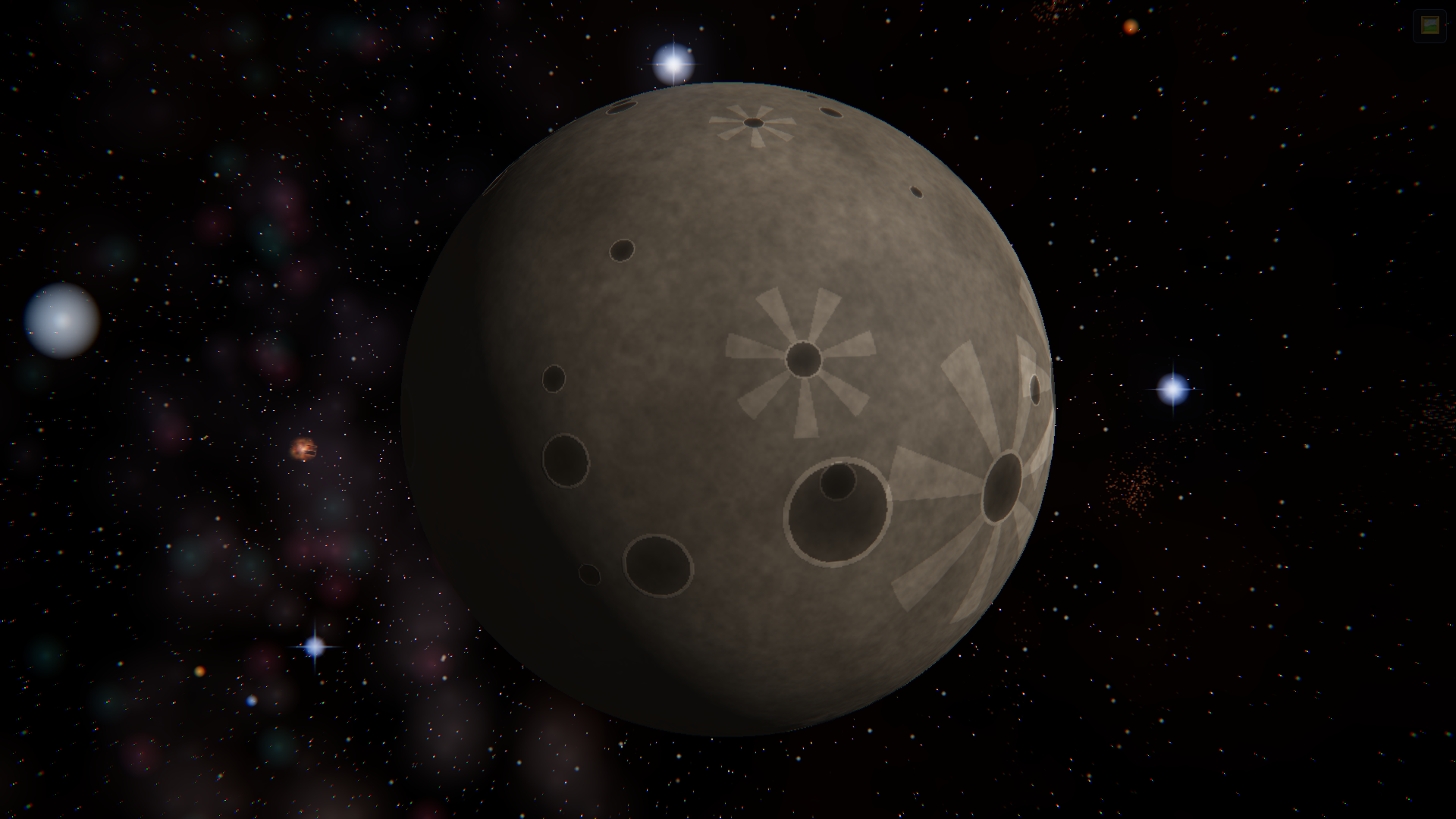
수성을 우주 공간에서 바라본 SPACE 시뮬레이션 천체 사진.
📸 오늘(2026-06-28 KST)의 천체: 솜브레로 은하(M104) 🌠 오늘의 주제: 은하·성단
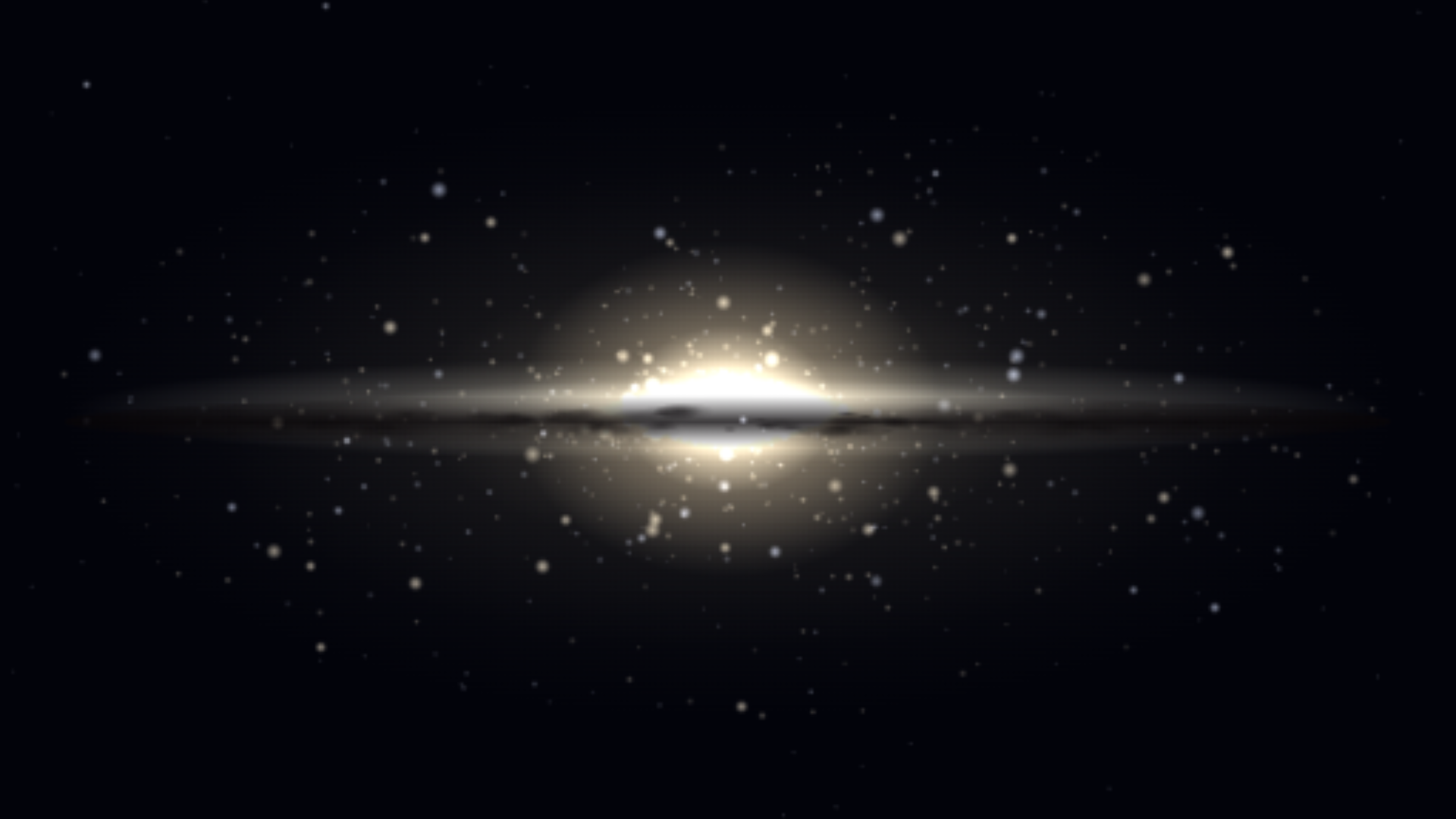
솜브레로 은하(M104)를 우주 공간에서 바라본 SPACE 시뮬레이션 천체 사진.
📸 오늘(2026-06-28 KST)의 천체: 솜브레로 은하(M104) 🌠 오늘의 주제: 은하·성단
솜브레로 은하(M104)를 우주 공간에서 바라본 SPACE 시뮬레이션 천체 사진.
📸 오늘(2026-06-28 KST)의 천체: 바람개비 은하(M101) 🌠 오늘의 주제: 은하·성단

바람개비 은하(M101)를 우주 공간에서 바라본 SPACE 시뮬레이션 천체 사진.
📸 오늘(2026-06-28 KST)의 천체: 바람개비 은하(M101) 🌠 오늘의 주제: 은하·성단
바람개비 은하(M101)를 우주 공간에서 바라본 SPACE 시뮬레이션 천체 사진.
📸 오늘(2026-06-27 KST)의 천체: 토성
https://space.woojinkim.org 🛸 여기로 비행 → https://space.woojinkim.org/play?goto=saturn #우주 #SPACE #천체사진
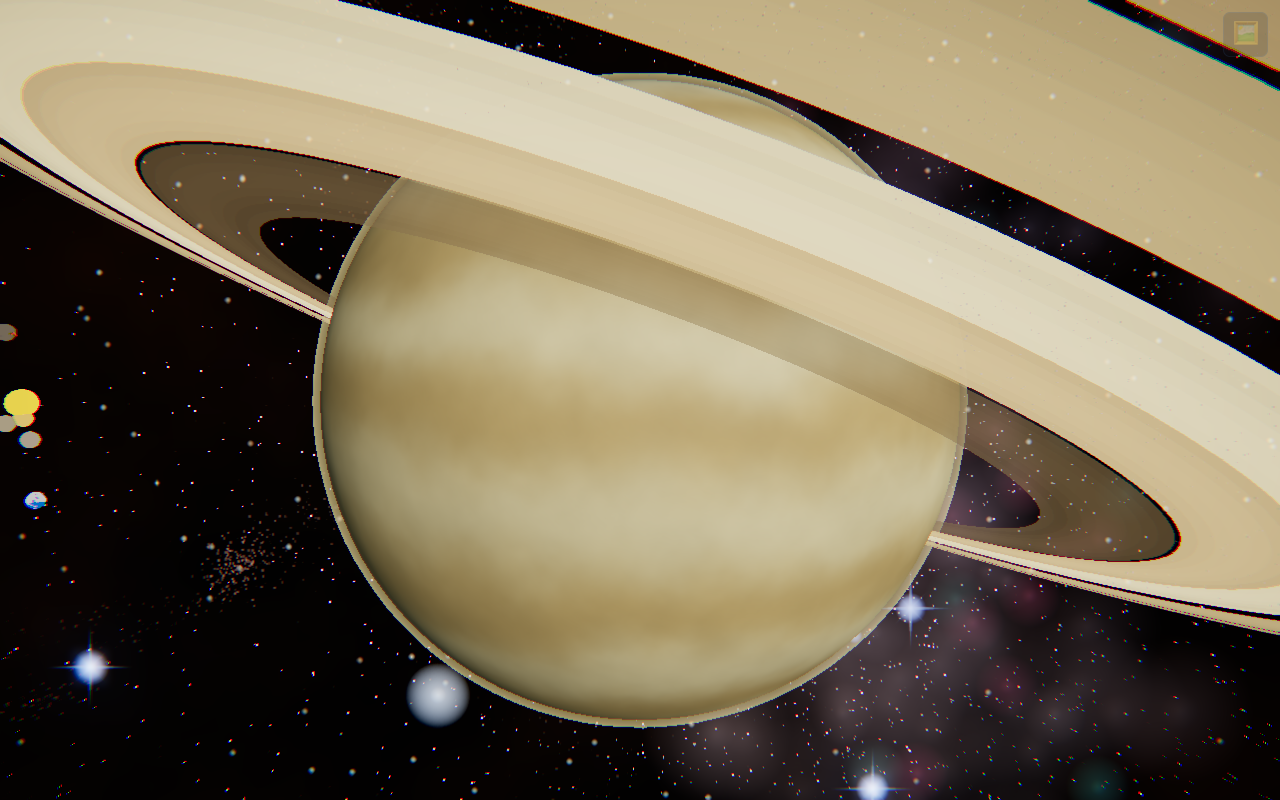
토성을 우주 공간에서 바라본 SPACE 시뮬레이션 천체 사진.
📸 오늘(2026-06-27 KST)의 천체: 토성
https://space.woojinkim.org 🛸 여기로 비행 → https://space.woojinkim.org/play?goto=saturn #우주 #SPACE #천체사진
토성을 우주 공간에서 바라본 SPACE 시뮬레이션 천체 사진.
📸 오늘(2026-06-27 KST)의 천체: 지구
https://space.woojinkim.org 🛸 여기로 비행 → https://space.woojinkim.org/play?goto=earth #우주 #SPACE #천체사진
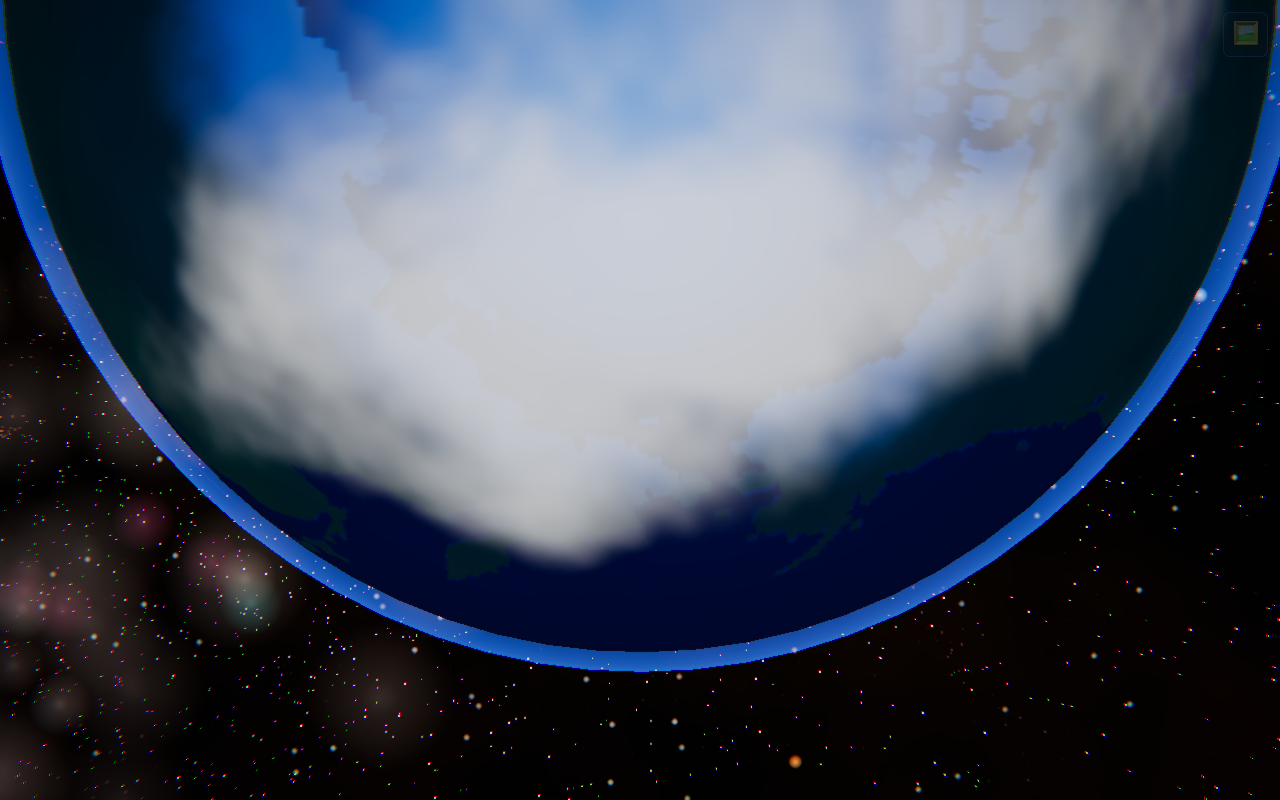
지구를 우주 공간에서 바라본 SPACE 시뮬레이션 천체 사진.
🚩 리누아스 칙칙폭폭 3호가 triton에 최초로 도착했습니다.
https://space.woojinkim.org 🛸 여기로 비행 → https://space.woojinkim.org/play?goto=triton #우주 #SPACE #천체사진
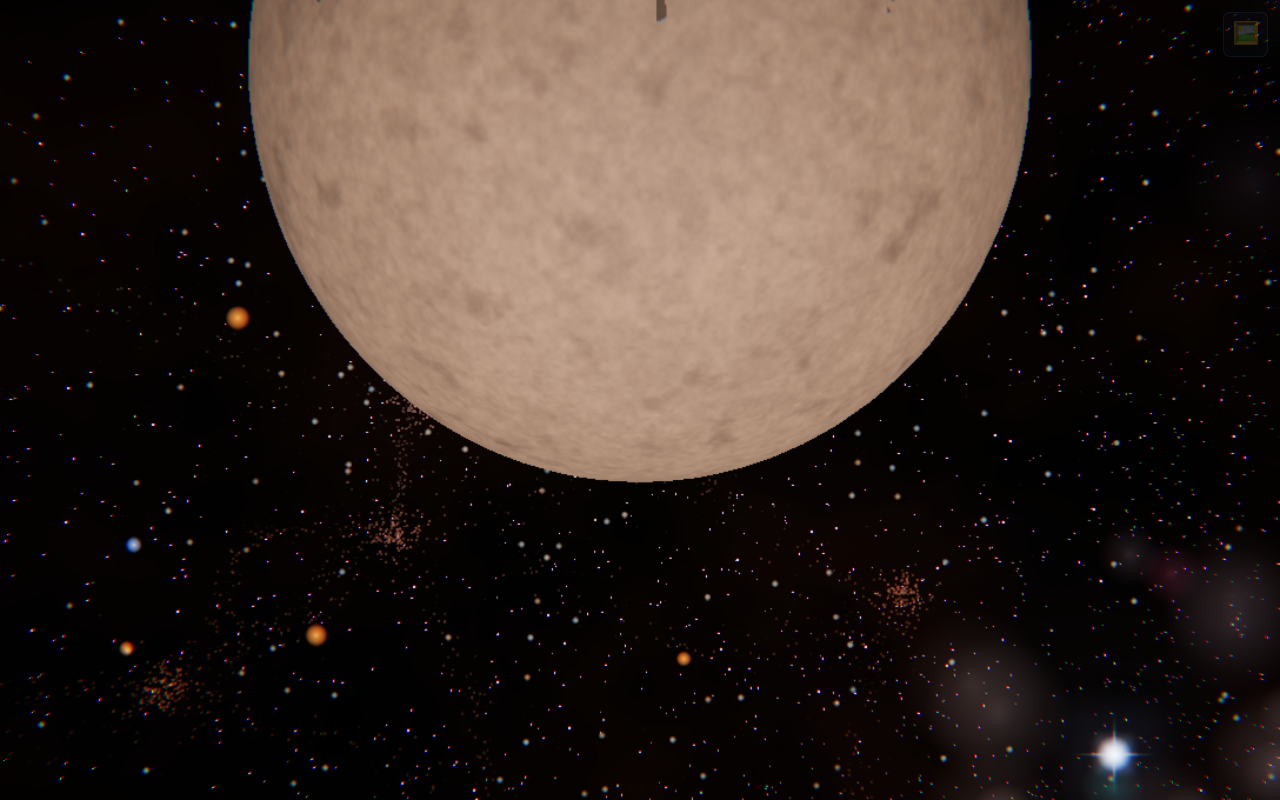
triton를 우주 공간에서 가까이 바라본 SPACE 시뮬레이션 천체 사진.
📸 오늘(2026-06-26 KST)의 천체: 지구
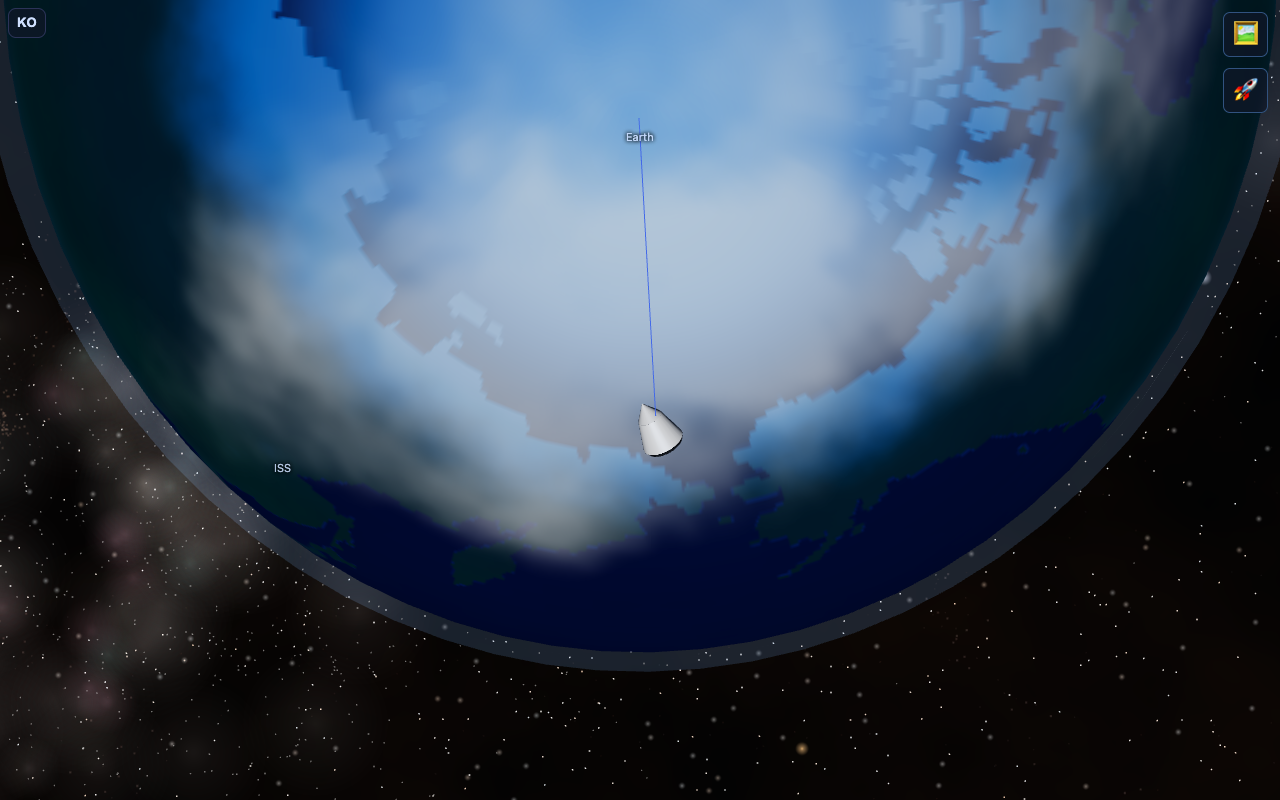
지구을(를) 우주 공간에서 바라본 SPACE 시뮬레이션 천체 사진.
📸 오늘(2026-06-26 KST)의 천체: 지구
지구을(를) 우주 공간에서 바라본 SPACE 시뮬레이션 천체 사진.
📸 오늘(2026-06-26 KST)의 천체: 지구
지구을(를) 우주 공간에서 바라본 SPACE 시뮬레이션 천체 사진.

I need a name for this asteroid. Like, a serious one.
Its background in Low Earth Orbit Adventures is that a company brought it closer to Earth to mine it but its orbit needs constant maintenance.
It needs a proper scientific name (I'm thinking 2039-MF1?) but also a colloquial, poetic name if anyone has suggestions (no guarantees I'll use it though!)
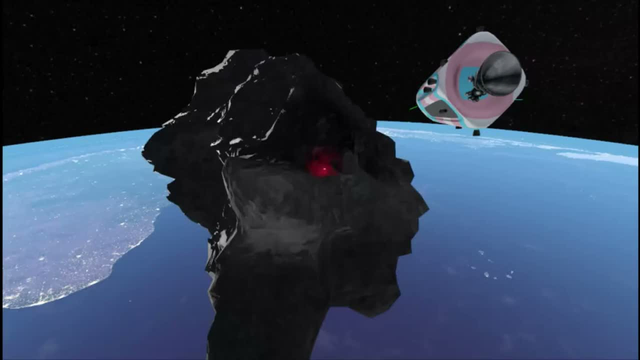
A large asteroid very close to Earth

Hello Universe!
Moved to new server.
Re-introduction - Been on here since 2022 and should write an intro again. I'm deaf, I'm a fan of open-source projects, so this will be short and sweet.
Post random ramblings, news, techie stuff, boost mostly cat pics. I just like computers and hang around here.
Hashtags of interests:
#Cats | #Coffee | #Books | #Gamer | #GIF
#NoMoreCraptions | #Disability | #Accessibility
#Inclusion | #Equity | #Ally
#Tech | #Privacy | #Encryption
#OpenSource | #FLOSS
#DoctorWho | #SciFi | #Geek | #Nerd
#Science | #Physics | #Space | #STEM
#SecularHumanist | #Atheist
#Deaf | #ASL
#Stargazing | #Astronomy
#Astrophotography | #Photography
#Boricua
Howdy! 👋 Boost for visibility 🙌

Energy = Milk x Coffee²
Nailing the realism
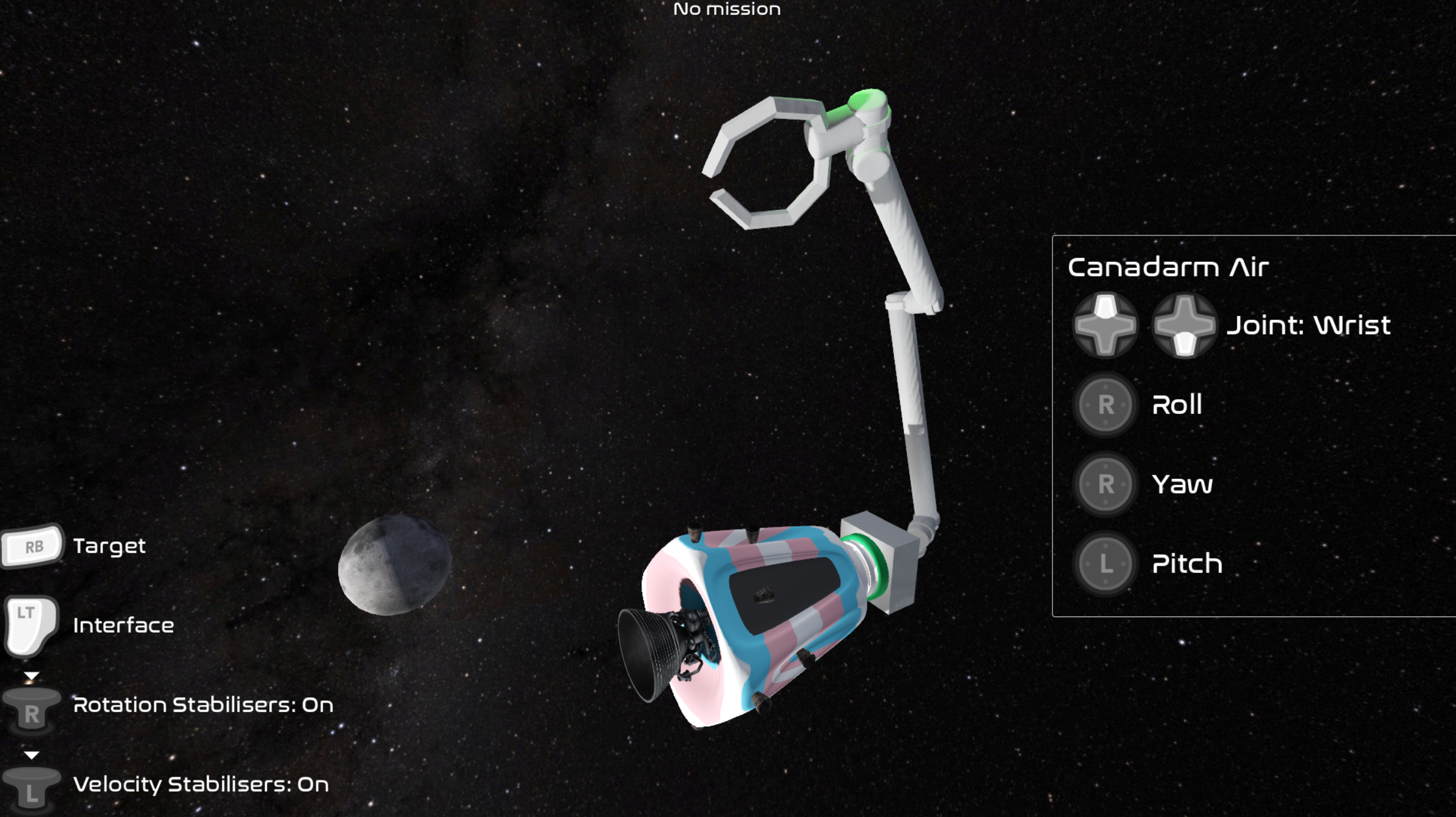
A screenshot from Low Earth Orbit Adventures showing the player's space capsule painted in the trans flag colours, with a robot canadarm-like instrument attached. The arm has a large claw at the end which is a bit comically large and primitive compared to the real Canadarm
In Low Earth Orbit Adventures you pilot a little space tug that's the Swiss Army Knife of spaceships... and now you can graffiti it 😁 🚀 🖌️
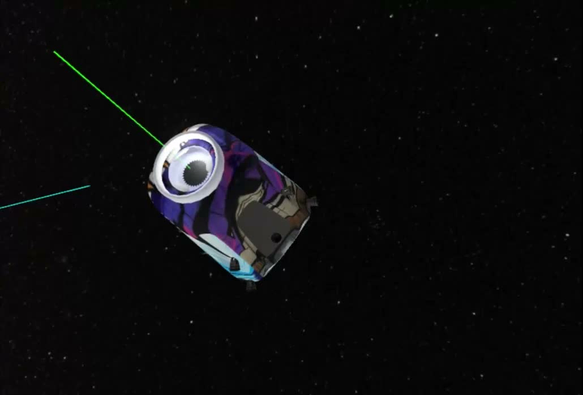
A FLEOT (a small capsule-shaped spaceship from the game Low Earth Orbit Adventures) covered in graffiti and floating above Earth.

Stereo3D view of Curiosity at work in a trough of the boxwork structure, captured yesterday
To go 3D: eyes' lines of sight parallel/left image for left eye/right image for right eye.
#Mars Sol 4747 - Dec. 13, 2025
Credits images: NASA/JPL-Caltech
#Curiosity #rover #Sol4747 #Boxwork #BoxworkStructures #CuriosityRover #space #geology #Astrodon #MSL #Martian #landscape #GaleCrater #MountSharp #AeolisMons #crater #science #STEM #3D #Stereo3D #Stereoscopy #shadow #photography #shadowphotography

A dual left/right stereoscopic pair of black and white photographies capturing the Mars rover Curiosity robotic arm, instrumented turret, front wheels, with the right wheel projecting its shadow on the foreground. This dual image is intended to be used to obtain a Stereo3D rendition of the scene through parallel viewing, and not cross-eyed viewing.
Stereo3D view of Curiosity at work in a trough of the boxwork structure, captured yesterday
To go 3D: eyes' lines of sight parallel/left image for left eye/right image for right eye.
#Mars Sol 4747 - Dec. 13, 2025
Credits images: NASA/JPL-Caltech
#Curiosity #rover #Sol4747 #Boxwork #BoxworkStructures #CuriosityRover #space #geology #Astrodon #MSL #Martian #landscape #GaleCrater #MountSharp #AeolisMons #crater #science #STEM #3D #Stereo3D #Stereoscopy #shadow #photography #shadowphotography
A dual left/right stereoscopic pair of black and white photographies capturing the Mars rover Curiosity robotic arm, instrumented turret, front wheels, with the right wheel projecting its shadow on the foreground. This dual image is intended to be used to obtain a Stereo3D rendition of the scene through parallel viewing, and not cross-eyed viewing.

On #Mirlo!
The Serenity Path - Solar Phasing
https://mirlo.space/solar-phasing/release/the-serenity-path
A 2025 compilation of the best Solar Phasing tracks to enjoy a moment of relaxation, or focus on minded works.
A sonic journey through intricate textures.
#music #musica #musique
#ambient #relaxation #relaxing #meditation #zen #drone #dreamscape #electronic #electro #modular #modularsynth #analog #synths #synthesizer #space #spacemusic #healing #focus #brainwaves #scifi #spirituality
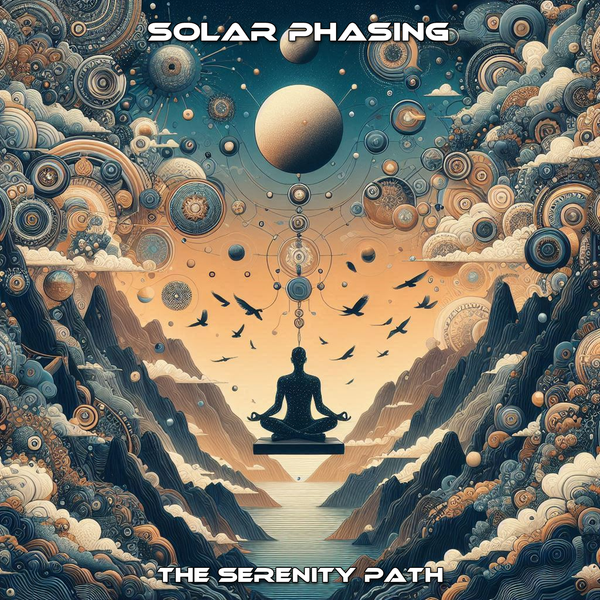
mirlo.space
An album by Solar Phasing Released 2025-10-16 Tracks: 1. Who Is There 2. Luminescence (432hz) 3. Space Drift 4. Endless Space (Alternate Version) 5. Sequential Approach 6. A Brand New World 7. Through The Mirror 8. On The Edge Of The Galaxy 9. In The Heart Of 10. Path Of Light A 2025 compilation of the best Solar Phasing tracks to enjoy a moment of tranquility and relaxation. A sonic journey through intricate textures. Tracks: 1, 3, 5, 6, 9 and 10 are from

2025 August 15
Moonlight, Planets, and Perseids
* Image Credit & Copyright: Jeff Dai (TWAN)
https://twanight.org/profile/jeff-dai/
Explanation:
In the predawn sky on August 13, two planets were close. And despite the glare of a waning gibbous Moon, bright Jupiter and even brighter Venus were hard to miss. Their brilliant close conjunction is posing above the eastern horizon in this early morning skyscape. The scene was captured in a single exposure from a site near Gansu, China, with light from both planets reflected in the still waters of a local pond. Also seen against the moonlight were flashes from the annual Perseid Meteor Shower, known for its bright, fast meteors. Near the much anticipated peak of activity, the shower meteors briefly combined with the two planets for a celestial spectacle even in moonlit skies.
https://science.nasa.gov/solar-system/whats-up-august-2025-skywatching-tips-from-nasa/#hds-sidebar-nav-1
https://science.nasa.gov/solar-system/whats-up-august-2025-skywatching-tips-from-nasa/#hds-sidebar-nav-1
https://www.nasa.gov/blogs/watch-the-skies/2025/08/08/bright-moonlight-could-interfere-with-view-of-perseids-peak/
https://earthsky.org/todays-image/venus-and-jupiter/
#space #galaxy #perseids #astrophotography #photography #science #astronomy #nature #NASA
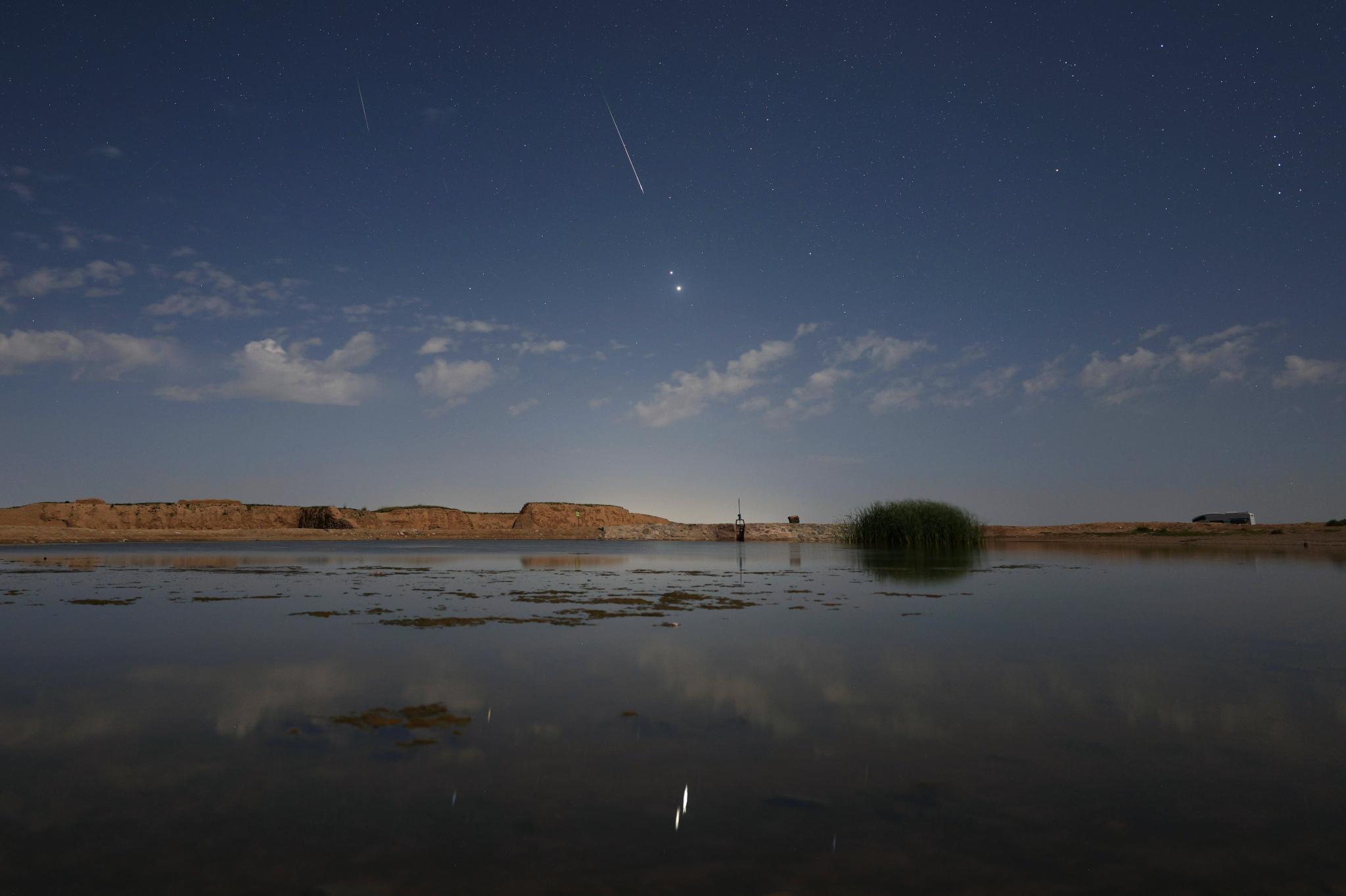
2025 August 15 Moonlight, Planets, and Perseids * Image Credit & Copyright: Jeff Dai (TWAN) Explanation: In the predawn sky on August 13, two planets were close. And despite the glare of a waning gibbous Moon, bright Jupiter and even brighter Venus were hard to miss. Their brilliant close conjunction is posing above the eastern horizon in this early morning skyscape. The scene was captured in a single exposure from a site near Gansu, China, with light from both planets reflected in the still waters of a local pond. Also seen against the moonlight were flashes from the annual Perseid Meteor Shower, known for its bright, fast meteors. Near the much anticipated peak of activity, the shower meteors briefly combined with the two planets for a celestial spectacle even in moonlit skies. Authors & editors: Robert Nemiroff (MTU) & Jerry Bonnell (UMCP) NASA Official: Amber Straughn Specific rights apply. NASA Web Privacy, Accessibility, Notices; A service of: ASD at NASA / GSFC, NASA Science Activation & Michigan Tech. U.
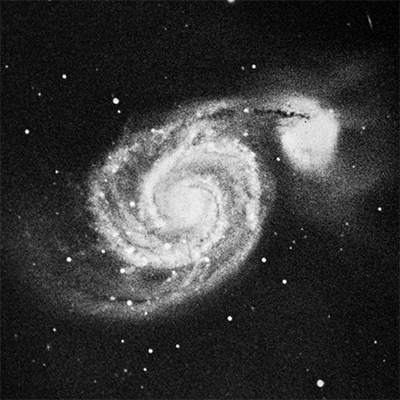
Image of Arp 188, also known as Tadpole Galaxy, from the Atlas of Peculiar Galaxies by Halton Arp (1966).
In the original catalog, it was in the category: Amorphous galaxies - Narrow filament. The Tadpole is a result of a recent galactic interaction in the local universe. A small intruder galaxy distorted the larger galaxy's shape, creating a 280,000 light-year-long tail of stars and gas.
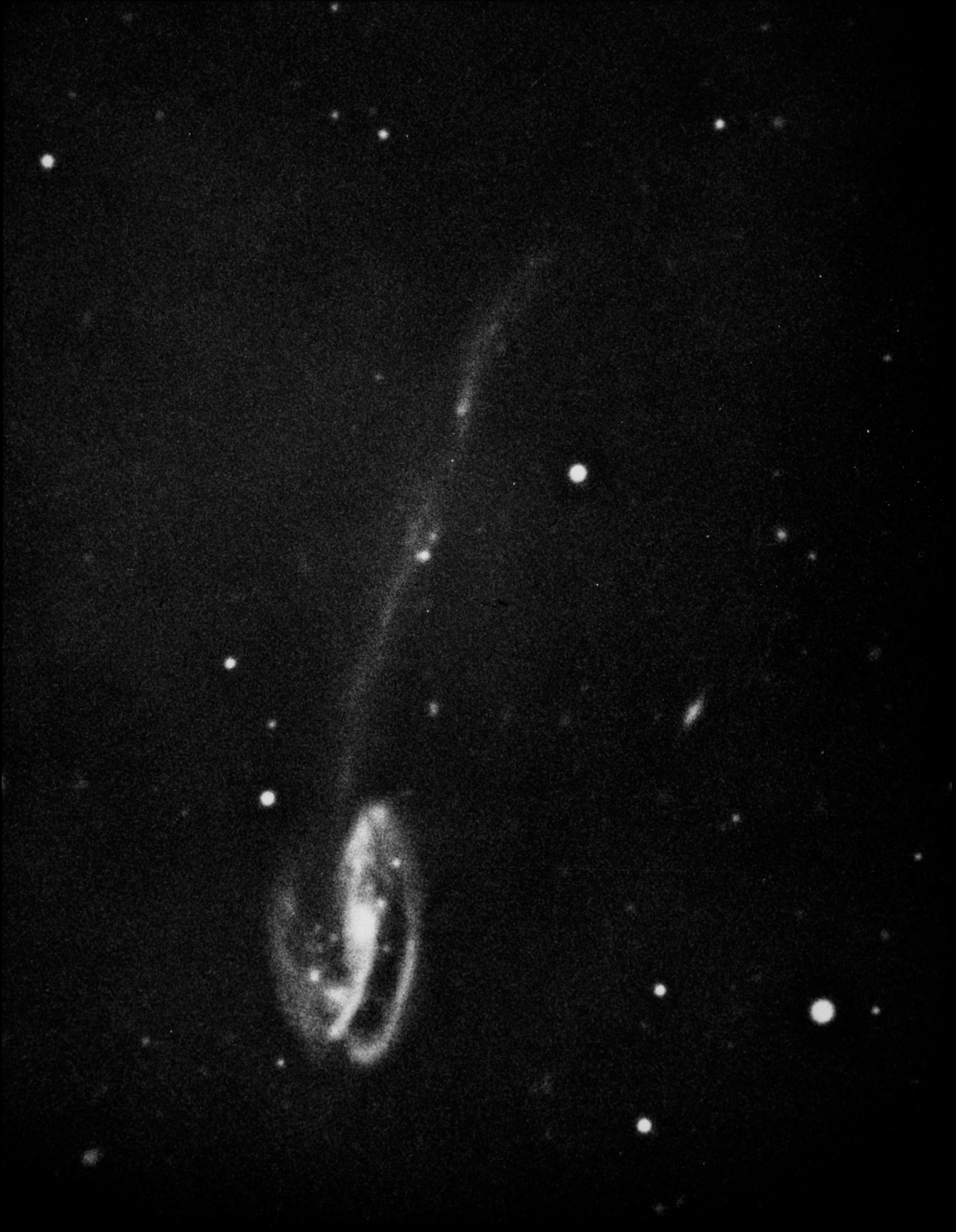
A grainy, black and white image of a galaxy. In the upper left corner is a spiral galaxy with a bright central core encircled by two wispy arms that form a loose spiral. The view is somewhat oblique, giving the galaxy an oval appearance. A long, thin, diffuse stream extends from the lower right side of the galaxy down to the lower right corner of the image. In the background there are a few circular dots, which are stars, and smudgy objects, which may be background galaxies.
Image of Arp 188, also known as Tadpole Galaxy, from the Atlas of Peculiar Galaxies by Halton Arp (1966).
In the original catalog, it was in the category: Amorphous galaxies - Narrow filament. The Tadpole is a result of a recent galactic interaction in the local universe. A small intruder galaxy distorted the larger galaxy's shape, creating a 280,000 light-year-long tail of stars and gas.
A grainy, black and white image of a galaxy. In the upper left corner is a spiral galaxy with a bright central core encircled by two wispy arms that form a loose spiral. The view is somewhat oblique, giving the galaxy an oval appearance. A long, thin, diffuse stream extends from the lower right side of the galaxy down to the lower right corner of the image. In the background there are a few circular dots, which are stars, and smudgy objects, which may be background galaxies.

#PPOD: This photograph of Earth and the Moon was taken by the JANUS camera onboard ESA’s Jupiter Icy Moons Explorer (Juice). It was taken on September 9, 2024, as Juice sailed off towards Venus following its lunar-Earth flyby. At the time, it was 5.7 million kilometers away from Earth and 5.3 million kilometers from the Moon. Credit: ESA/Juice/JANUS; Acknowledgments: Livio Agostini
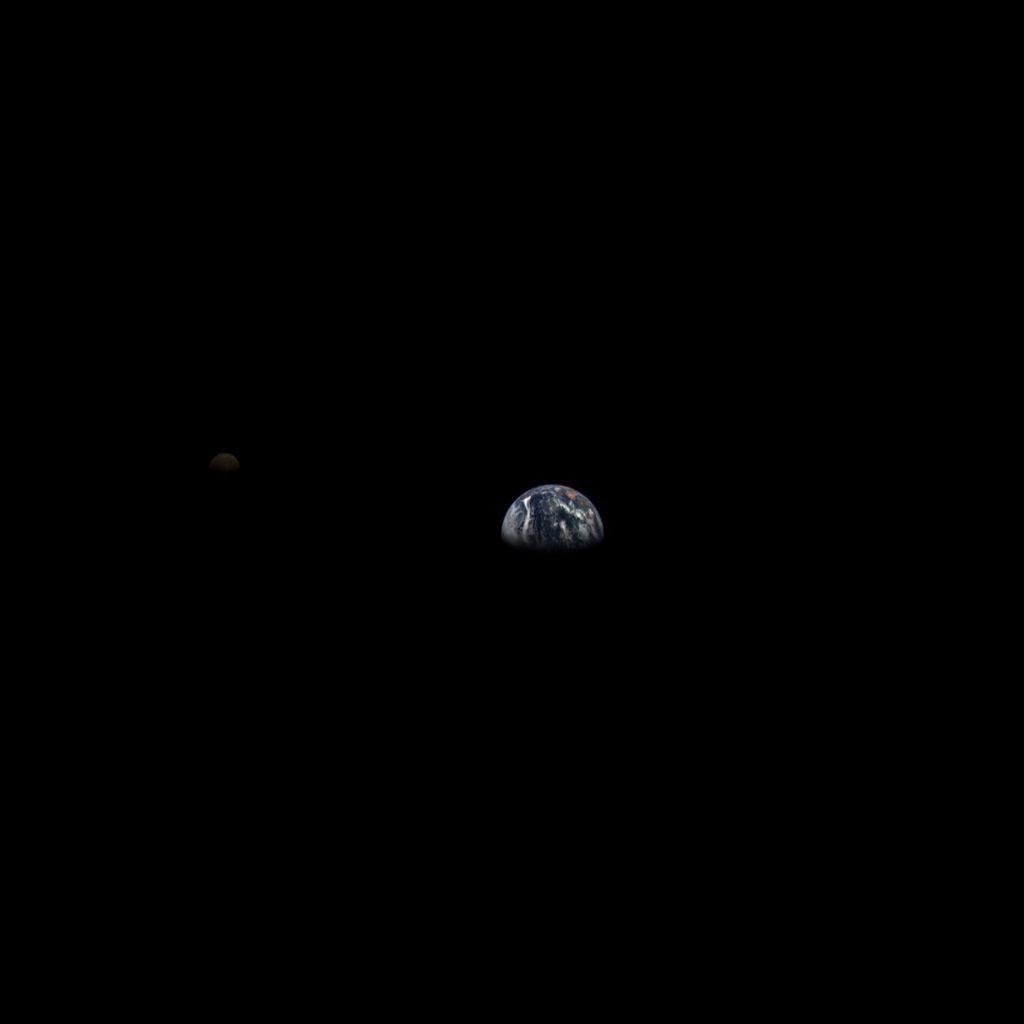
Photograph of the Earth (center) and the Moon (left), both lit from above and seen half full.
#PPOD: This photograph of Earth and the Moon was taken by the JANUS camera onboard ESA’s Jupiter Icy Moons Explorer (Juice). It was taken on September 9, 2024, as Juice sailed off towards Venus following its lunar-Earth flyby. At the time, it was 5.7 million kilometers away from Earth and 5.3 million kilometers from the Moon. Credit: ESA/Juice/JANUS; Acknowledgments: Livio Agostini
Photograph of the Earth (center) and the Moon (left), both lit from above and seen half full.
PRESS RELEASE: https://www.seti.org/news/perseverance-rover-uncovers-clues-to-ancient-martian-chemistry/
SETI Institute Senior Research Scientist Janice Bishop and University of Massachusetts Engineering Professor Mario Parente analyzed orbital hyperspectral images from the Compact Imaging Spectrometer for Mars (CRISM) aboard the Mars Reconnaissance Orbiter, producing a detailed mineral map at the tens-of-meters scale of the crater documenting deposits of clays and carbonates signaling abundant water on ancient Mars.
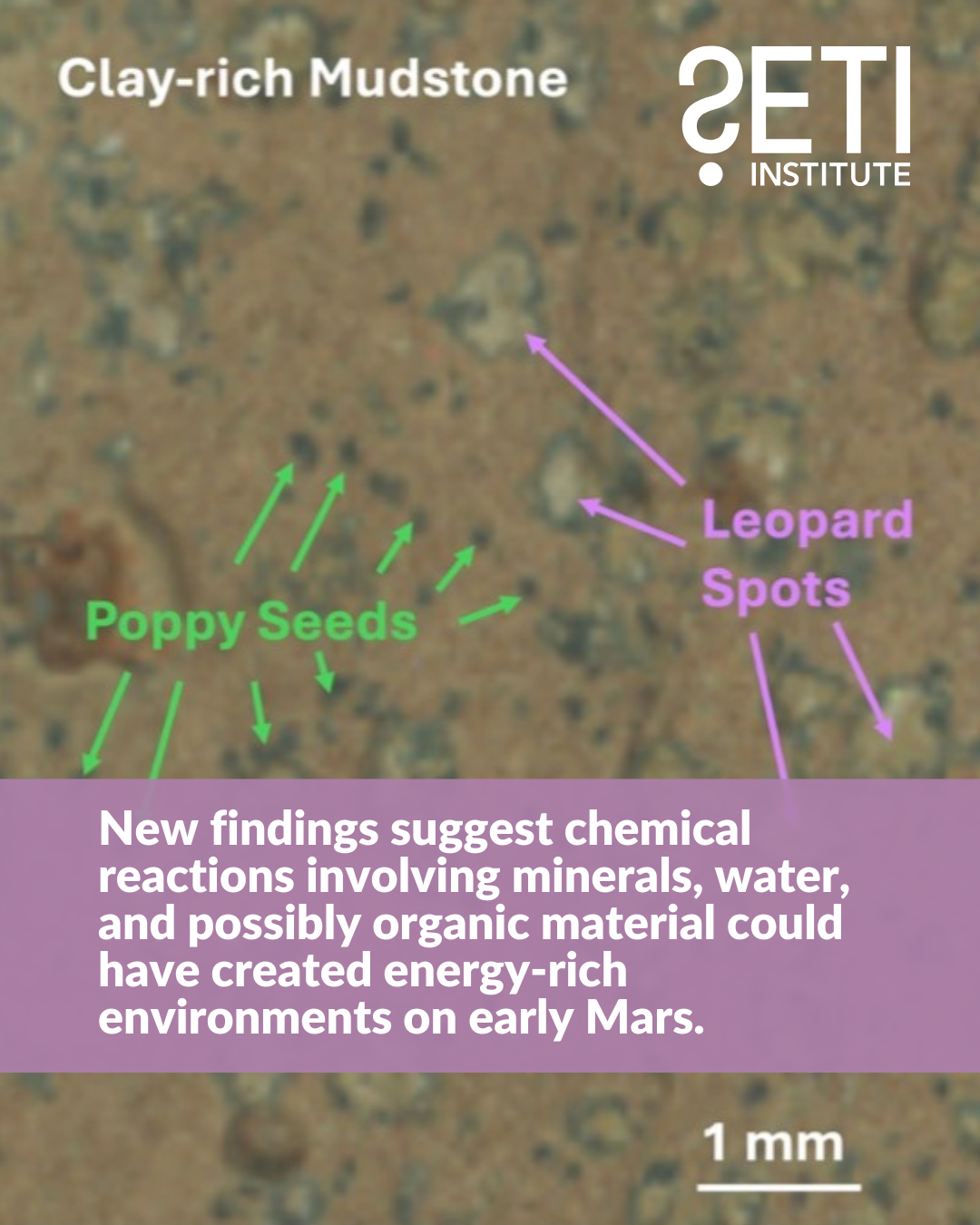
SETI Institute logo. Background image: Millimeter scale image of a clay-rich mudstone on Mars, labeled in green to show features called poppy seeds and in purple to show features called leopard spots. Text: New findings suggest chemical reactions involving minerals, water, and possibly organic material could have created energy-rich environments on early Mars.
2025 August 15
Moonlight, Planets, and Perseids
* Image Credit & Copyright: Jeff Dai (TWAN)
https://twanight.org/profile/jeff-dai/
Explanation:
In the predawn sky on August 13, two planets were close. And despite the glare of a waning gibbous Moon, bright Jupiter and even brighter Venus were hard to miss. Their brilliant close conjunction is posing above the eastern horizon in this early morning skyscape. The scene was captured in a single exposure from a site near Gansu, China, with light from both planets reflected in the still waters of a local pond. Also seen against the moonlight were flashes from the annual Perseid Meteor Shower, known for its bright, fast meteors. Near the much anticipated peak of activity, the shower meteors briefly combined with the two planets for a celestial spectacle even in moonlit skies.
https://science.nasa.gov/solar-system/whats-up-august-2025-skywatching-tips-from-nasa/#hds-sidebar-nav-1
https://science.nasa.gov/solar-system/whats-up-august-2025-skywatching-tips-from-nasa/#hds-sidebar-nav-1
https://www.nasa.gov/blogs/watch-the-skies/2025/08/08/bright-moonlight-could-interfere-with-view-of-perseids-peak/
https://earthsky.org/todays-image/venus-and-jupiter/
#space #galaxy #perseids #astrophotography #photography #science #astronomy #nature #NASA
2025 August 15 Moonlight, Planets, and Perseids * Image Credit & Copyright: Jeff Dai (TWAN) Explanation: In the predawn sky on August 13, two planets were close. And despite the glare of a waning gibbous Moon, bright Jupiter and even brighter Venus were hard to miss. Their brilliant close conjunction is posing above the eastern horizon in this early morning skyscape. The scene was captured in a single exposure from a site near Gansu, China, with light from both planets reflected in the still waters of a local pond. Also seen against the moonlight were flashes from the annual Perseid Meteor Shower, known for its bright, fast meteors. Near the much anticipated peak of activity, the shower meteors briefly combined with the two planets for a celestial spectacle even in moonlit skies. Authors & editors: Robert Nemiroff (MTU) & Jerry Bonnell (UMCP) NASA Official: Amber Straughn Specific rights apply. NASA Web Privacy, Accessibility, Notices; A service of: ASD at NASA / GSFC, NASA Science Activation & Michigan Tech. U.
2015 August 13
Moonless Meteors and the Milky Way
* Image Credit & Copyright: Petr Horálek
https://www.petrhoralek.com/?page_id=20
Explanation:
Have you watched the Perseid meteor shower? Though the annual shower's predicted peak was last night, meteor activity should continue tonight (August 13/14), best enjoyed by just looking up in clear, dark skies after midnight. Of course, this year's Perseid shower has the advantage of being active near the August 14 New Moon. Since the nearly New Moon doesn't rise before the morning twilight many fainter meteors are easier to spot until then, with no interference from bright moonlight. The Perseid meteor shower last occurred near a New Moon in 2013. That's when the exposures used to construct this image were made, under dark, moonless skies from Hvar Island off the coast of Croatia. The widefield composite includes 67 meteors streaming from the heroic constellation Perseus, the shower's radiant, captured during 2013 August 8-14 against a background of faint zodiacal light and the Milky Way.
https://www.petrhoralek.com/?p=42
https://apod.nasa.gov/apod/ap150813.html
#space #galaxy #perseids #astrophotography #photography #science #astronomy #nature #NASA
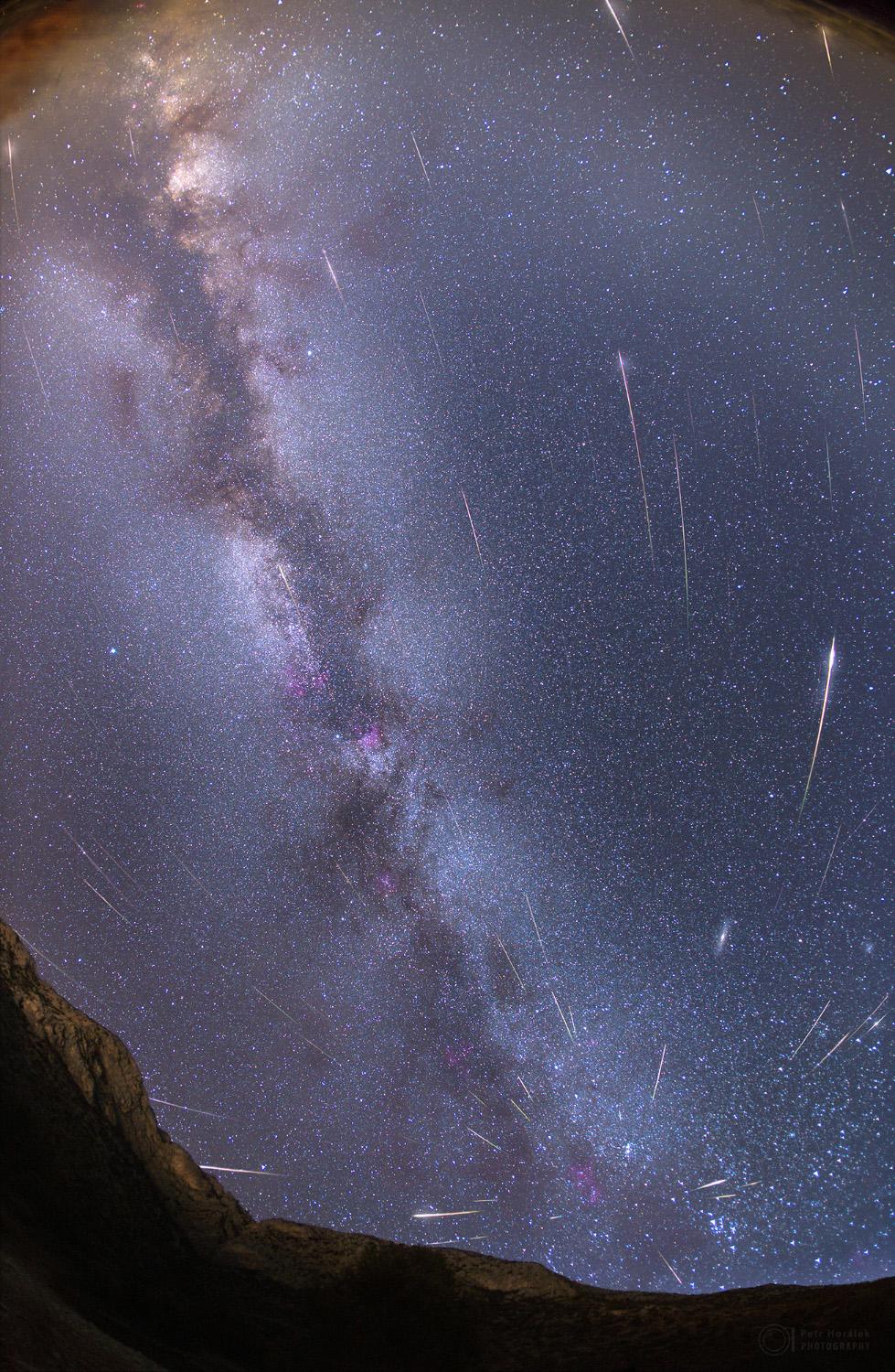
2015 August 13 Moonless Meteors and the Milky Way * Image Credit & Copyright: Petr Horálek Explanation: Have you watched the Perseid meteor shower? Though the annual shower's predicted peak was last night, meteor activity should continue tonight (August 13/14), best enjoyed by just looking up in clear, dark skies after midnight. Of course, this year's Perseid shower has the advantage of being active near the August 14 New Moon. Since the nearly New Moon doesn't rise before the morning twilight many fainter meteors are easier to spot until then, with no interference from bright moonlight. The Perseid meteor shower last occurred near a New Moon in 2013. That's when the exposures used to construct this image were made, under dark, moonless skies from Hvar Island off the coast of Croatia. The widefield composite includes 67 meteors streaming from the heroic constellation Perseus, the shower's radiant, captured during 2013 August 8-14 against a background of faint zodiacal light and the Milky Way. Authors & editors: Robert Nemiroff (MTU) & Jerry Bonnell (UMCP) NASA Official: Phillip Newman Specific rights apply. NASA Web Privacy Policy and Important Notices A service of: ASD at NASA / GSFC & Michigan Tech. U.
February 19, 1999
On The Trail Of A Fireball
* Credit: Courtesy P. Spurny, (Astronomical Institute, Ondrejov Observatory)
https://www.asu.cas.cz/en/about/about-the-institute
Explanation:
This exceptionally bright fireball meteor trail was photographed with a fish-eye camera at a Czech Republic station of the European Fireball Network on January 21, 1999. Of the star trails visible in this night-long exposure, the bright short arc in the upper left is due to Polaris, the north star. The breaks seen near the beginning of the fireball trail itself were produced by a shutter rotating 15 times a second. In all, three stations recorded the dazzling streak and their combined tracking information has revealed details of the meteor's brief atmospheric flight and previous interplanetary voyage. For example, the luminous trail is measured to begin at an altitude of 81.9 kilometers and covered 71.1 kilometers in 6.7 seconds. The projected prior orbit for the meteoroid corresponds to one typical for Apollo class asteroids which can cross Earth's orbit. In forty years of operations the European Network has multistation recordings of less than 10 or so fireballs as bright as this one. It is thought likely that a small (a few hundred grams) meteorite survived this fiery fall to Earth and landed near the Czech-Poland border.
https://apod.nasa.gov/apod/ap990219.html
#space #galaxy #perseids #astrophotography #photography #science #astronomy #nature #NASA
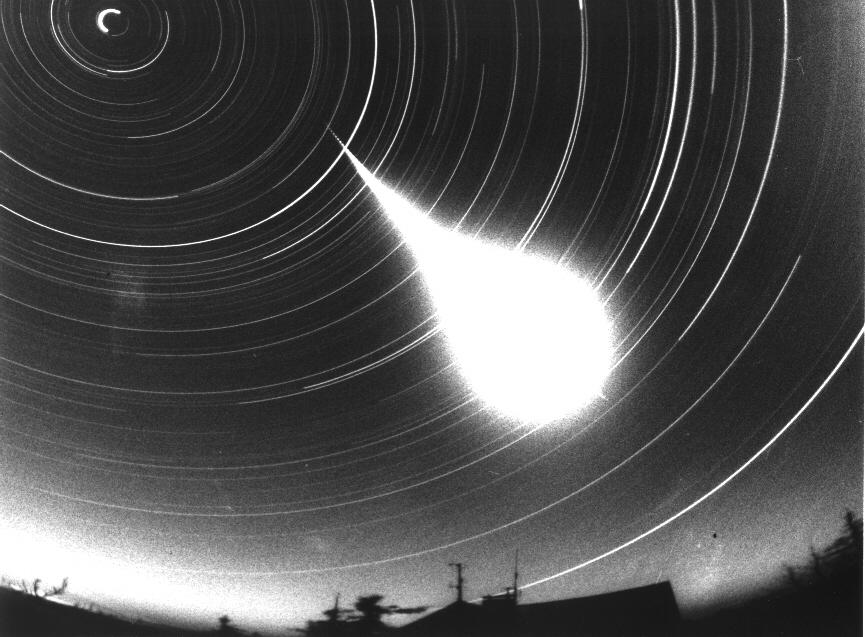
February 19, 1999 On The Trail Of A Fireball * Credit: Courtesy P. Spurny, (Astronomical Institute, Ondrejov Observatory) Explanation: This exceptionally bright fireball meteor trail was photographed with a fish-eye camera at a Czech Republic station of the European Fireball Network on January 21, 1999. Of the star trails visible in this night-long exposure, the bright short arc in the upper left is due to Polaris, the north star. The breaks seen near the beginning of the fireball trail itself were produced by a shutter rotating 15 times a second. In all, three stations recorded the dazzling streak and their combined tracking information has revealed details of the meteor's brief atmospheric flight and previous interplanetary voyage. For example, the luminous trail is measured to begin at an altitude of 81.9 kilometers and covered 71.1 kilometers in 6.7 seconds. The projected prior orbit for the meteoroid corresponds to one typical for Apollo class asteroids which can cross Earth's orbit. In forty years of operations the European Network has multistation recordings of less than 10 or so fireballs as bright as this one. It is thought likely that a small (a few hundred grams) meteorite survived this fiery fall to Earth and landed near the Czech-Poland border. Authors & editors: Robert Nemiroff (MTU) & Jerry Bonnell (USRA) NASA Technical Rep.: Jay Norris. Specific rights apply. A service of: LHEA at NASA/ GSFC & Michigan Tech. U.
Earthgrazer: The Great Daylight Fireball of 1972
* Credit & Copyright: James M. Baker
Explanation:
What is that streaking across the sky? A bright earthgrazing meteor. In 1972, an unusually bright meteor from space was witnessed bouncing off Earth's atmosphere, much like a skipping stone can bounce off of a calm lake. The impressive event lasted several seconds, was visible in daylight, and reportedly visible all the way from Utah, USA to Alberta, Canada. Pictured above, the fireball was photographed streaking above Teton mountains behind Jackson Lake, Wyoming, USA. The Great Daylight Fireball of 1972 was possibly the size of a small truck, and would likely have created an impressive airburst were it to have struck Earth more directly. Earthgrazing meteors are rare but are more commonly seen when the radiant of a meteor shower is just rising or setting. At that time, meteors closer to the Earth than earthgrazers would more usually strike the Earth near the horizon, while meteors further than earthgrazers would miss the Earth entirely.
https://en.wikipedia.org/wiki/1972_Great_Daylight_Fireball
https://apod.nasa.gov/apod/ap090302.html
#space #galaxy #perseids #astrophotography #photography #science #astronomy #nature #NASA
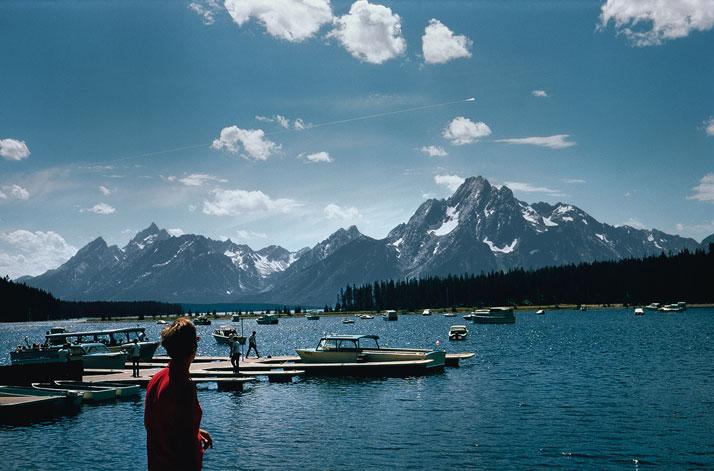
2009 March 2 Earthgrazer: The Great Daylight Fireball of 1972 * Credit & Copyright: James M. Baker Explanation: What is that streaking across the sky? A bright earthgrazing meteor. In 1972, an unusually bright meteor from space was witnessed bouncing off Earth's atmosphere, much like a skipping stone can bounce off of a calm lake. The impressive event lasted several seconds, was visible in daylight, and reportedly visible all the way from Utah, USA to Alberta, Canada. Pictured above, the fireball was photographed streaking above Teton mountains behind Jackson Lake, Wyoming, USA. The Great Daylight Fireball of 1972 was possibly the size of a small truck, and would likely have created an impressive airburst were it to have struck Earth more directly. Earthgrazing meteors are rare but are more commonly seen when the radiant of a meteor shower is just rising or setting. At that time, meteors closer to the Earth than earthgrazers would more usually strike the Earth near the horizon, while meteors further than earthgrazers would miss the Earth entirely. Authors & editors: Robert Nemiroff (MTU) & Jerry Bonnell (UMCP) NASA Official: Phillip Newman Specific rights apply. NASA Web Privacy Policy and Important Notices A service of: ASD at NASA / GSFC & Michigan Tech. U.
2008 November 25
Fireball Over Edmonton
* Credit & Copyright Global Television Edmonton, YouTube
https://www.globaltv.com/
Explanation:
What if you're driving down the street and an object from space shoots across the sky right in front of you? Such was the case last week for many people in south central Canada. Specifically, an extremely bright fireball, presumably a desk-sized meteor from deep space, flashed across the sky just after sunset on 2008 November 20. The bright fireball was recorded on many images and movies, including the spectacular video shown above that was captured by a dashboard camera of a police cruiser in Edmonton, Alberta, Canada. Because at least two streaks appear to be visible, the falling object likely broke up into pieces as it fell deep into Earth's atmosphere. By triangulating fireball images from several simultaneously recorded sources, astronomers hope to find an approximate orbit from whence the object came, as well as the likely place(s) on Earth where large pieces would have impacted, were they to have survived entry. In the best case scenario, pieces would be recovered from a known deep space comet or asteroid, giving humanity an unprecedented look at an ancient object that likely holds clues to the early years of our Earth and the Solar System.
https://apod.nasa.gov/apod/ap081125.html
#space #galaxy #perseids #astrophotography #photography #science #astronomy #nature #NASA

2008 November 25 Fireball Over Edmonton * Credit & Copyright Global Television Edmonton, YouTube Explanation: What if you're driving down the street and an object from space shoots across the sky right in front of you? Such was the case last week for many people in south central Canada. Specifically, an extremely bright fireball, presumably a desk-sized meteor from deep space, flashed across the sky just after sunset on 2008 November 20. The bright fireball was recorded on many images and movies, including the spectacular video shown above that was captured by a dashboard camera of a police cruiser in Edmonton, Alberta, Canada. Because at least two streaks appear to be visible, the falling object likely broke up into pieces as it fell deep into Earth's atmosphere. By triangulating fireball images from several simultaneously recorded sources, astronomers hope to find an approximate orbit from whence the object came, as well as the likely place(s) on Earth where large pieces would have impacted, were they to have survived entry. In the best case scenario, pieces would be recovered from a known deep space comet or asteroid, giving humanity an unprecedented look at an ancient object that likely holds clues to the early years of our Earth and the Solar System. Authors & editors: Robert Nemiroff (MTU) & Jerry Bonnell (UMCP) NASA Official: Phillip Newman Specific rights apply. NASA Web Privacy Policy and Important Notices A service of: ASD at NASA / GSFC & Michigan Tech. U.
The 2025 Perseid meteor shower peaks on the night between August 12 and August 13. The Perseids usually put on a good show and this year may produce 50 to 75 meteors per hour at a dark site.
Like most meteor showers, the Lyrids are caused by the debris of a comet or asteroid that once crossed Earth's path. In this case, the shower is caused by debris from the comet Swift-Tuttle. Sightings of comet Swift-Tuttle have been recorded throughout history, with the comet’s orbit bringing it near Earth every 133 or so years. It last entered the inner Solar System in 1992. The debris from this comet is known to cause fireballs often.
The Perseid radiant is somewhat north on the sky’s dome, making it more visible from the Northern Hemisphere, but may also be somewhat visible from the Southern Hemisphere. Meteors will appear to come from an area near the constellation Perseus. Meteors will streak out from this area of the sky in all directions.
The best way to watch a meteor shower is from a dark sky site, so it helps to get away from city lights as much as you can. Skywatchers should go to the darkest place they can, let their eyes adjust, and look overhead — but avoid staring directly at the Moon.
Meteors are also known as shooting stars, but they aren't actually stars at all. Meteors are streaks of light in the sky caused by dust and small rocks burning up as they hit Earth's atmosphere at very high speeds — tens of kilometers per second.
These small particles create bright streaks of light you can see from the ground at night. In general, the bigger the piece of space dust, the brighter the meteor. If any pieces of the streaking rock survive to make it to the ground, they're called meteorites.
CREDITS:
The Planetary Society
#space #galaxy #perseids #astrophotography #photography #science #astronomy #nature #NASA
Video about meteor showers Meteors (also called shooting stars) are bright streaks of light in the sky caused by meteoroids — rocks as small as grains of dust and as large as small asteroids — burning up in the Earth’s atmosphere. As the Earth moves along its path in the Solar System it passes through various groups of meteoroids, causing meteor showers. Showers like the Perseids, Lyrids, Geminids, Leonids, and others happen at the same time each year, creating predictable spectacles in the night sky. Space is full of dust, so on a typical night from a dark location, you might see up to 10 meteors per hour — no shower required! But during a meteor shower, especially on its peak night, you can probably expect to see a higher number of meteors.
2007 August 12
Raining Perseids
* Credit & Copyright: Fred Bruenjes
http://www.moonglow.net/ccd/index.html
Explanation:
Tonight is a good night to see meteors. Comet dust will rain down on planet Earth, streaking through dark skies in the annual Perseid meteor shower. While enjoying the anticipated space weather, astronomer Fred Bruenjes recorded a series of many 30 second long exposures spanning about six hours on the night of 2004 August 11/12 using a wide angle lens. Combining those frames which captured meteor flashes, he produced this dramatic view of the Perseids of summer. Although the comet dust particles are traveling parallel to each other, the resulting shower meteors clearly seem to radiate from a single point on the sky in the eponymous constellation Perseus. The radiant effect is due to perspective, as the parallel tracks appear to converge at a distance. Bruenjes notes that there are 51 Perseid meteors in the composite image, including one seen nearly head-on. This year, the Perseids Meteor Shower is expected to peak after midnight tonight, in the moonless early morning hours of August 12.
https://apod.nasa.gov/apod/ap070812.html
#space #galaxy #perseids #astrophotography #photography #science #astronomy #nature #NASA
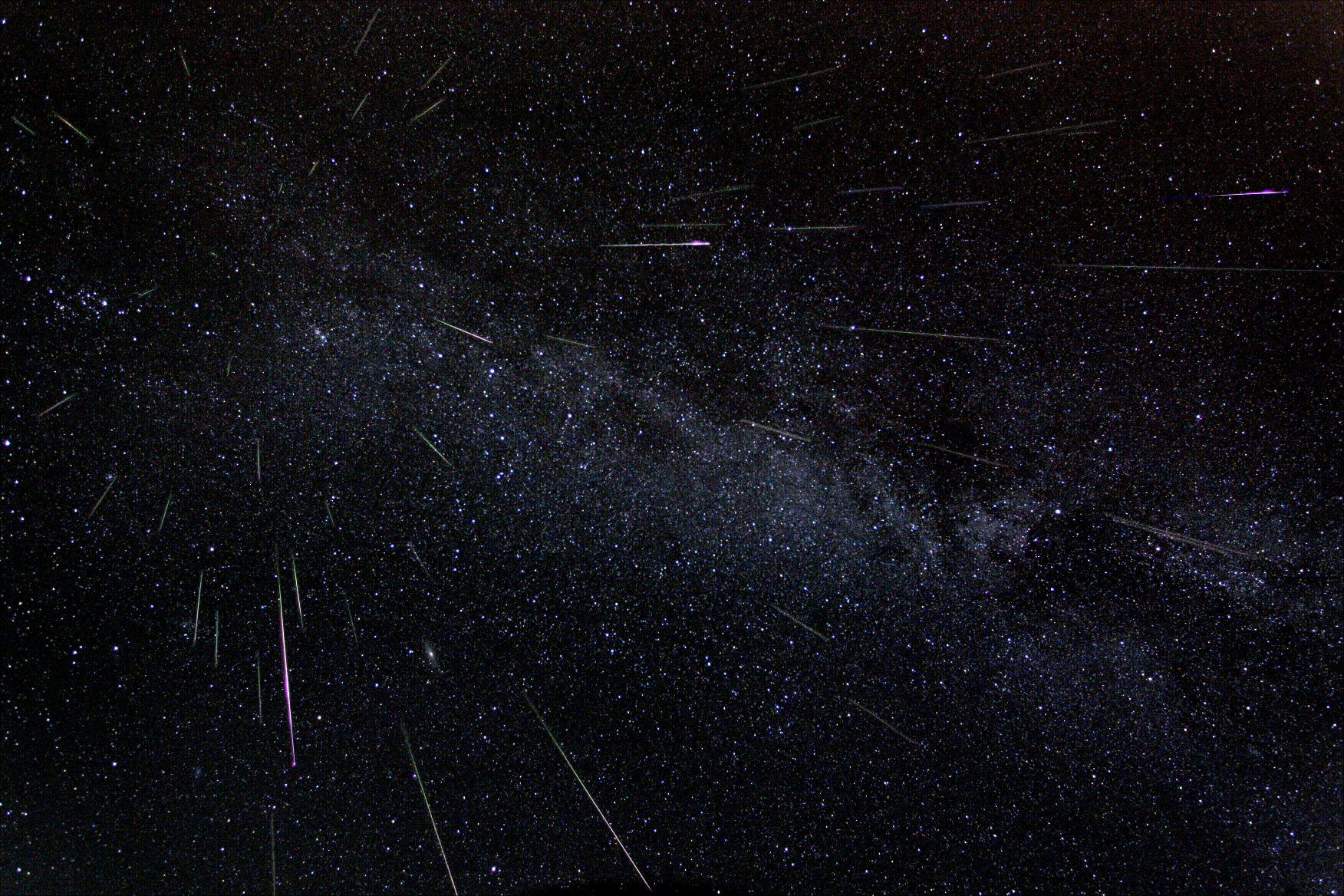
2007 August 12 Raining Perseids * Credit & Copyright: Fred Bruenjes Explanation: Tonight is a good night to see meteors. Comet dust will rain down on planet Earth, streaking through dark skies in the annual Perseid meteor shower. While enjoying the anticipated space weather, astronomer Fred Bruenjes recorded a series of many 30 second long exposures spanning about six hours on the night of 2004 August 11/12 using a wide angle lens. Combining those frames which captured meteor flashes, he produced this dramatic view of the Perseids of summer. Although the comet dust particles are traveling parallel to each other, the resulting shower meteors clearly seem to radiate from a single point on the sky in the eponymous constellation Perseus. The radiant effect is due to perspective, as the parallel tracks appear to converge at a distance. Bruenjes notes that there are 51 Perseid meteors in the composite image, including one seen nearly head-on. This year, the Perseids Meteor Shower is expected to peak after midnight tonight, in the moonless early morning hours of August 12. Authors & editors: Robert Nemiroff (MTU) & Jerry Bonnell (USRA) NASA Official: Phillip Newman Specific rights apply. NASA Web Privacy Policy and Important Notices A service of: ASD at NASA / GSFC & Michigan Tech. U.
Meteor Moment: Viewing Tips.
Rhiannon Blaauw, of NASA's Meteoroid Environment Office -- located at NASA's Marshall Space Flight Center in Huntsville, Alabama -- shares some tips and strategies to best view a meteor shower.
CREDIT
NASA's Marshall Space Flight Center - Huntsville, Alabama
#space #galaxy #perseids #astrophotography #photography #science #astronomy #nature #NASA
Meteor Moment: Viewing Tips. Rhiannon Blaauw, of NASA's Meteoroid Environment Office -- located at NASA's Marshall Space Flight Center in Huntsville, Alabama -- shares some tips and strategies to best view a meteor shower. CREDIT NASA's Marshall Space Flight Center - Huntsville, Alabama
Annotations for previous post.
https://apod.nasa.gov/apod/ap250812.html
#space #galaxy #perseids #astrophotography #photography #science #astronomy #nature #NASA
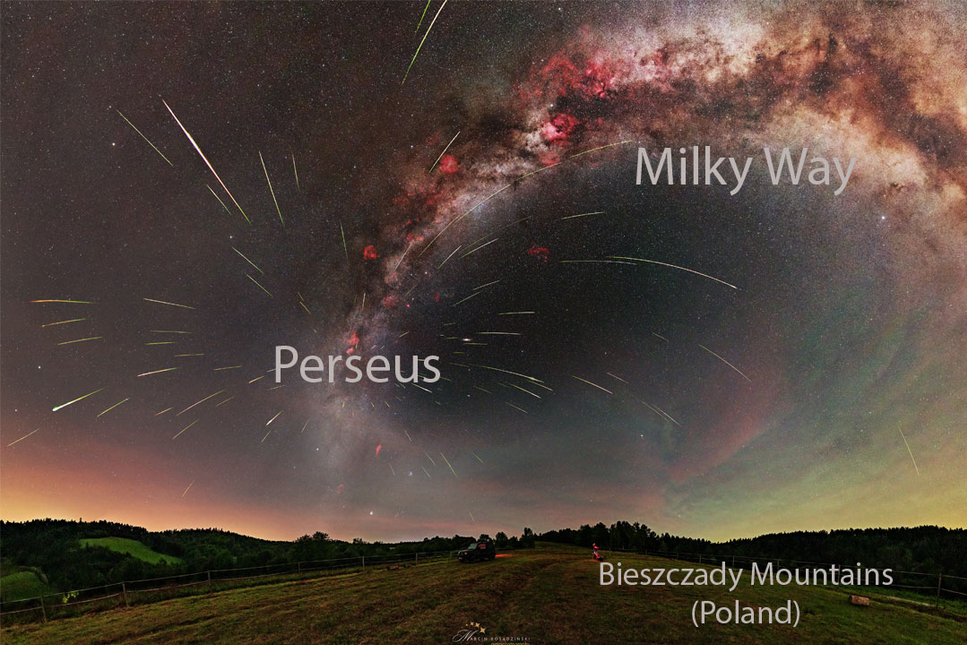
Annotations for previous post.
2025 August 12
Perseids from Perseus
* Image Credit & Copyright: Marcin Rosadziński
https://astrodream.pl/o-mnie/
Explanation:
Where are all of these meteors coming from? In terms of direction on the sky, the pointed answer is the constellation of Perseus. That is why the meteor shower that peaks tonight is known as the Perseids -- the meteors all appear to come from a radiant toward Perseus. In terms of parent body, though, the sand-sized debris that makes up the Perseids meteors come from Comet Swift-Tuttle. The comet follows a well-defined orbit around our Sun, and the part of the orbit that approaches Earth is superposed in front of Perseus. Therefore, when Earth crosses this orbit, the radiant point of falling debris appears in Perseus. Featured here, a composite image taken over six nights and containing over 100 meteors from 2024 August Perseids meteor shower shows many bright meteors that streaked over the Bieszczady Mountains in Poland. This year's Perseids, usually one of the best meteor showers of the year, will compete with a bright moon that will rise, for many locations, soon after sunset.
https://astrodream.pl/galeria/
https://www.youtube.com/watch?v=CwrvN0Q9_Sg
https://apod.nasa.gov/apod/ap960219.html
https://en.wikipedia.org/wiki/Perseids
https://en.wikipedia.org/wiki/Meteoroid#Meteor
https://en.wikipedia.org/wiki/Radiant_(meteor_shower)
https://www.timeanddate.com/news/astronomy/perseid-meteor-shower-2025
https://www.amsmeteors.org/meteor-showers/2020-meteor-shower-list/
https://apod.nasa.gov/apod/ap180808.html
https://apod.nasa.gov/apod/ap250812.html
#space #galaxy #perseids #astrophotography #photography #science #astronomy #nature #NASA
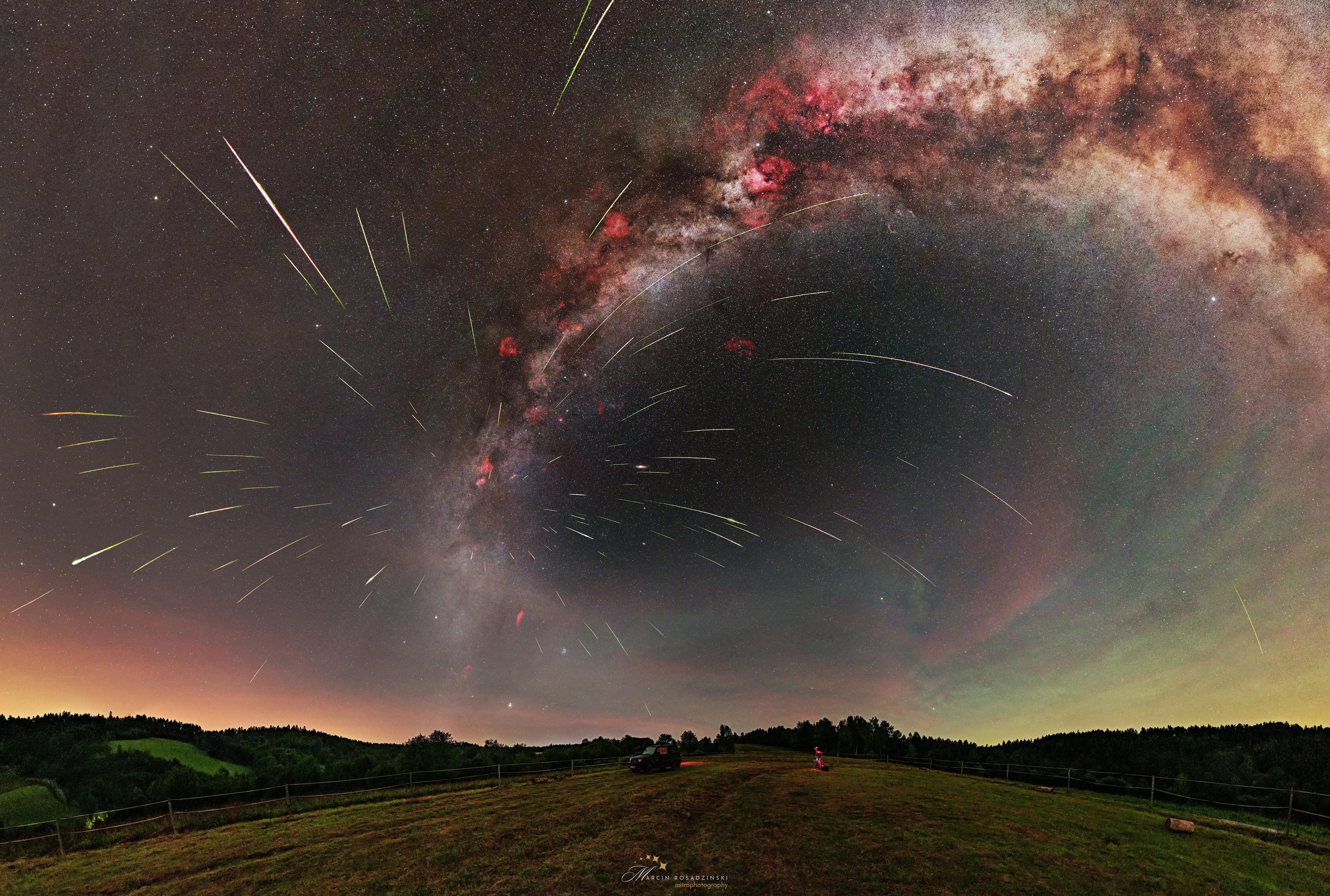
2025 August 12 A starfield is shown above a grassy field with hills on the horizon. The band of our Milky Way Galaxy arches across toward the right. Many streaks appear emanating out from a place on the Milky Way just above the horizon. Perseids from Perseus * Image Credit & Copyright: Marcin Rosadziński Explanation: Where are all of these meteors coming from? In terms of direction on the sky, the pointed answer is the constellation of Perseus. That is why the meteor shower that peaks tonight is known as the Perseids -- the meteors all appear to come from a radiant toward Perseus. In terms of parent body, though, the sand-sized debris that makes up the Perseids meteors come from Comet Swift-Tuttle. The comet follows a well-defined orbit around our Sun, and the part of the orbit that approaches Earth is superposed in front of Perseus. Therefore, when Earth crosses this orbit, the radiant point of falling debris appears in Perseus. Featured here, a composite image taken over six nights and containing over 100 meteors from 2024 August Perseids meteor shower shows many bright meteors that streaked over the Bieszczady Mountains in Poland. This year's Perseids, usually one of the best meteor showers of the year, will compete with a bright moon that will rise, for many locations, soon after sunset. Authors & editors: Robert Nemiroff (MTU) & Jerry Bonnell (UMCP) NASA Official: Amber Straughn Specific rights apply.
2025 August 3
Milky Way and Exploding Meteor
* Image Credit & Copyright: Andre van der Hoeven
https://www.flickr.com/photos/avdhoeven/
Explanation:
In about a week the Perseid Meteor Shower will reach its maximum. Grains of icy rock will streak across the sky as they evaporate during entry into Earth's atmosphere. These grains were shed from Comet Swift-Tuttle. The Perseids result from the annual crossing of the Earth through Comet Swift-Tuttle's orbit, and are typically the most active meteor shower of the year. Although it is hard to predict the level of activity in any meteor shower, in a clear dark sky an observer might see a meteor a minute. This year's Perseids peak just a few days after full moon, and so some faint meteors will be lost to the lunar skyglow. Meteor showers in general are best seen from a relaxing position, away from lights. Featured here is a meteor caught exploding during the 2015 Perseids above Austria next to the central band of our Milky Way Galaxy.
https://science.nasa.gov/solar-system/meteors-meteorites/perseids/
https://www.amsmeteors.org/meteor-showers/meteor-shower-calendar/
https://www.nasa.gov/general/what-is-earths-atmosphere/
https://apod.nasa.gov/apod/ap960219.html
https://en.wikipedia.org/wiki/Meteoroid#Meteors
https://www.space.com/32868-perseid-meteor-shower-guide.html
https://apod.nasa.gov/apod/ap250803.html
#space #galaxy #perseids #astrophotography #photography #science #astronomy #nature #NASA
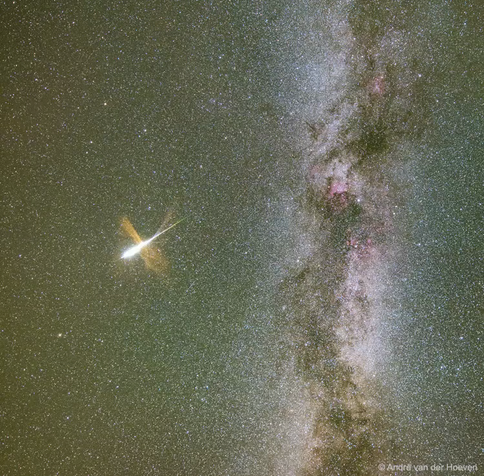
2025 August 3 A starscape is shown with the central band of the Milky Way Galaxy running down the center. Just to the left of the Milky Way is a bright meteor. In the three frame time-lapse image, the meteor explodes and gas and dust drift away. Milky Way and Exploding Meteor * Image Credit & Copyright: Andre van der Hoeven Explanation: In about a week the Perseid Meteor Shower will reach its maximum. Grains of icy rock will streak across the sky as they evaporate during entry into Earth's atmosphere. These grains were shed from Comet Swift-Tuttle. The Perseids result from the annual crossing of the Earth through Comet Swift-Tuttle's orbit, and are typically the most active meteor shower of the year. Although it is hard to predict the level of activity in any meteor shower, in a clear dark sky an observer might see a meteor a minute. This year's Perseids peak just a few days after full moon, and so some faint meteors will be lost to the lunar skyglow. Meteor showers in general are best seen from a relaxing position, away from lights. Featured here is a meteor caught exploding during the 2015 Perseids above Austria next to the central band of our Milky Way Galaxy. Authors & editors: Robert Nemiroff (MTU) & Jerry Bonnell (UMCP) NASA Official: Amber Straughn Specific rights apply. NASA Web Privacy, Accessibility, Notices; A service of: ASD at NASA / GSFC, NASA Science Activation & Michigan Tech. U.
2025 August 2
Fireflies, Meteors, and Milky Way
* Image Credit & Copyright: Daniel Korona
Explanation:
Taken on July 29 and July 30, a registered and stacked series of exposures creates this dreamlike view of a northern summer night. Multiple firefly flashes streak across the foreground as the luminous Milky Way arcs above the horizon in the Sierra de Órganos national park of central Mexico, The collection of bright streaks aligned across the sky toward the upper left in the timelapse image are Delta Aquariid meteors. Currently active, the annual Delta Aquarid meteor shower shares August nights though, overlapping with the better-known Perseid meteor shower. This year that makes post-midnight, mostly moonless skies in early August very popular with late night skygazers. How can you tell a Delta Aquariid from a Perseid meteor? The streaks of Perseid meteors can be traced back to an apparent radiant in the constellation Perseus. Delta Aquariids appear to emerge from the more southerly constellation Aquarius, beyond the top left of this frame. Of course, the bioluminescent flashes of fireflies are common too on these northern summer nights. But how can you tell a firefly from a meteor? Just try to catch one.
https://apod.nasa.gov/apod/ap250802.html
#space #galaxy #perseids #astrophotography #photography #science #astronomy #nature #NASA
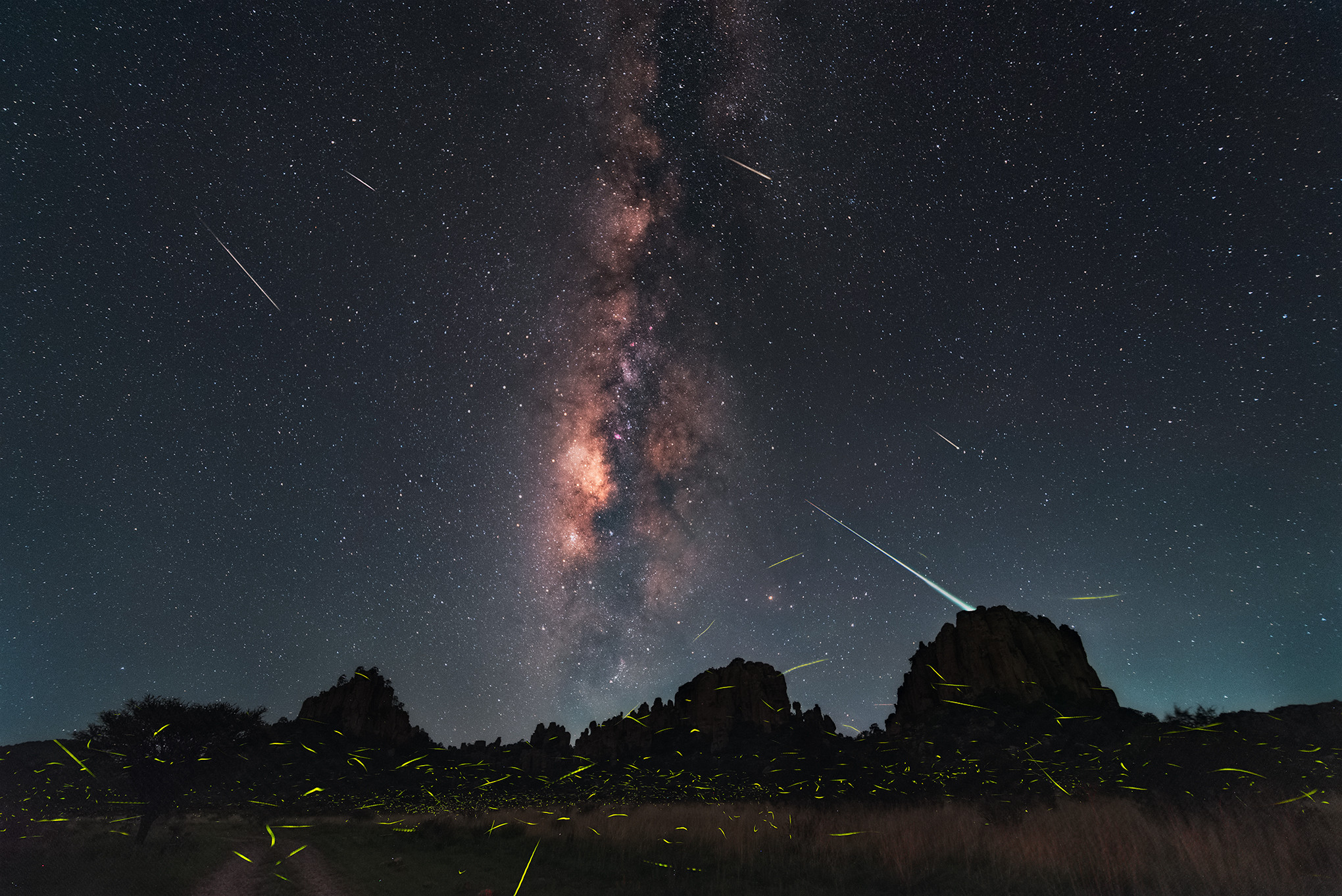
2025 August 2 Fireflies, Meteors, and Milky Way * Image Credit & Copyright: Daniel Korona Explanation: Taken on July 29 and July 30, a registered and stacked series of exposures creates this dreamlike view of a northern summer night. Multiple firefly flashes streak across the foreground as the luminous Milky Way arcs above the horizon in the Sierra de Órganos national park of central Mexico, The collection of bright streaks aligned across the sky toward the upper left in the timelapse image are Delta Aquariid meteors. Currently active, the annual Delta Aquarid meteor shower shares August nights though, overlapping with the better-known Perseid meteor shower. This year that makes post-midnight, mostly moonless skies in early August very popular with late night skygazers. How can you tell a Delta Aquariid from a Perseid meteor? The streaks of Perseid meteors can be traced back to an apparent radiant in the constellation Perseus. Delta Aquariids appear to emerge from the more southerly constellation Aquarius, beyond the top left of this frame. Of course, the bioluminescent flashes of fireflies are common too on these northern summer nights. But how can you tell a firefly from a meteor? Just try to catch one. Authors & editors: Robert Nemiroff (MTU) & Jerry Bonnell (UMCP) NASA Official: Amber Straughn Specific rights apply. NASA Web Privacy, Accessibility, Notices; A service of: ASD at NASA / GSFC, NASA Science Activation & Michigan Tech. U.
2023 August 9
Meteor Shower: Perseids from Perseus
* Credit & Copyright: Petr Horálek / Institute of Physics in Opava
https://www.petrhoralek.com/#about-1
https://www.slu.cz/phys/en/
Explanation:
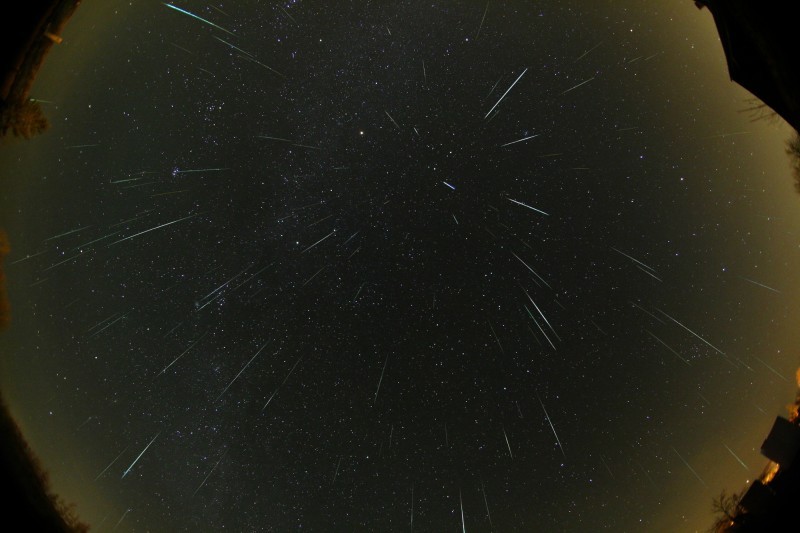
This is a good week to see meteors. Comet dust will rain down on planet Earth, streaking through dark skies during peak nights of the annual Perseid Meteor Shower. The featured composite image was taken during the 2018 Perseids from the Poloniny Dark Sky Park in Slovakia. The dome of the observatory in the foreground is on the grounds of Kolonica Observatory. Although the comet dust particles travel parallel to each other, the resulting shower meteors clearly seem to radiate from a single point on the sky in the eponymous constellation Perseus. The radiant effect is due to perspective, as the parallel tracks appear to converge at a distance, like train tracks. The Perseid Meteor Shower is expected to reach its highest peak on Saturday after midnight. Since a crescent Moon will rise only very late that night, cloudless skies will be darker than usual, making a high number of faint meteors potentially visible this year.
https://apod.nasa.gov/apod/ap230809.html
#space #galaxy #perseids #astrophotography #photography #science #astronomy #nature #NASA
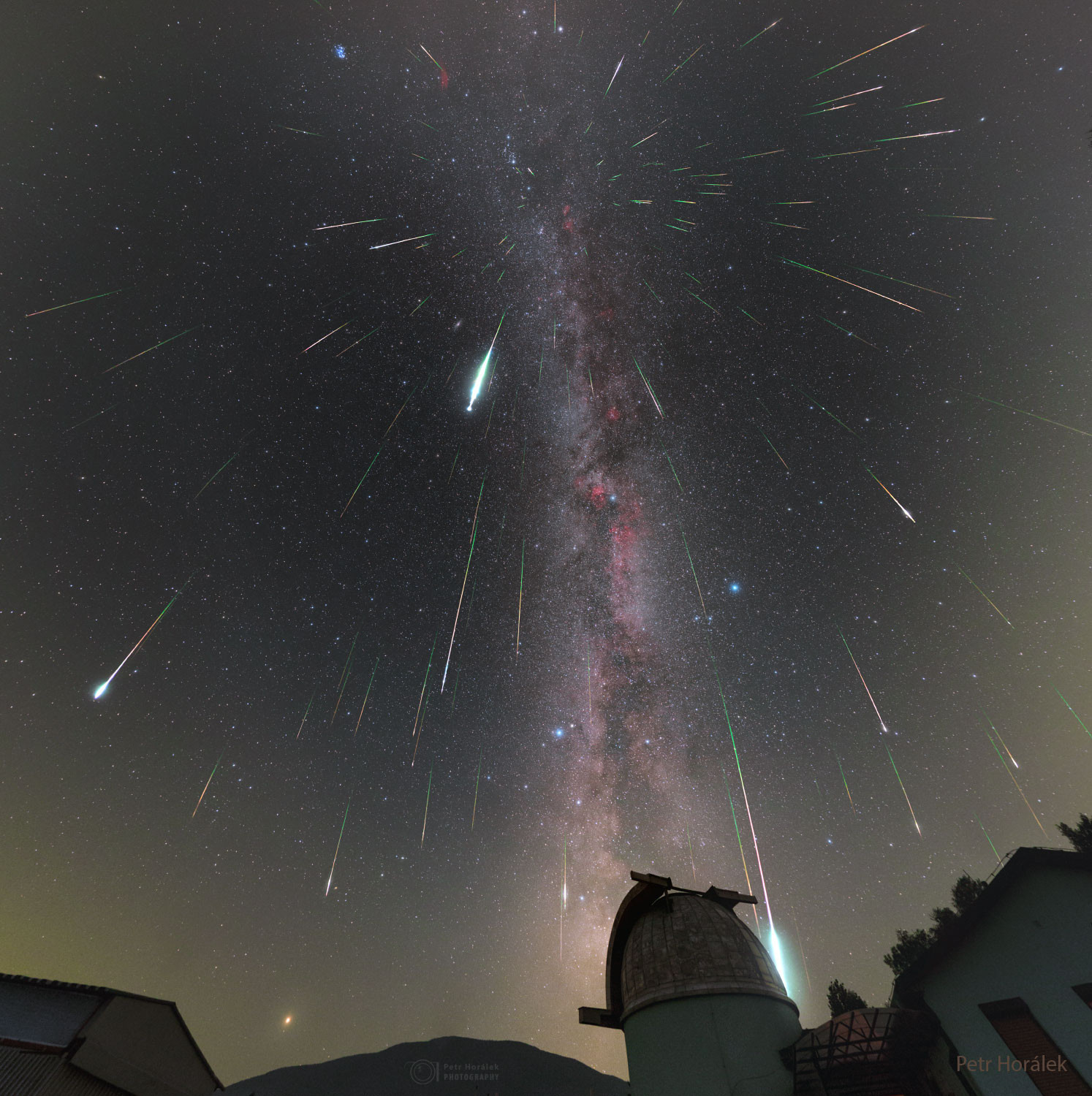
2023 August 9 Mulitple streaks cover a night sky filled with stars. An observtory dome is visible in the foreground. Meteor Shower: Perseids from Perseus * Credit & Copyright: Petr Horálek / Institute of Physics in Opava Explanation: This is a good week to see meteors. Comet dust will rain down on planet Earth, streaking through dark skies during peak nights of the annual Perseid Meteor Shower. The featured composite image was taken during the 2018 Perseids from the Poloniny Dark Sky Park in Slovakia. The dome of the observatory in the foreground is on the grounds of Kolonica Observatory. Although the comet dust particles travel parallel to each other, the resulting shower meteors clearly seem to radiate from a single point on the sky in the eponymous constellation Perseus. The radiant effect is due to perspective, as the parallel tracks appear to converge at a distance, like train tracks. The Perseid Meteor Shower is expected to reach its highest peak on Saturday after midnight. Since a crescent Moon will rise only very late that night, cloudless skies will be darker than usual, making a high number of faint meteors potentially visible this year. Authors & editors: Robert Nemiroff (MTU) & Jerry Bonnell (UMCP) NASA Official: Phillip Newman Specific rights apply. NASA Web Privacy Policy and Important Notices A service of: ASD at NASA / GSFC, NASA Science Activation & Michigan Tech. U.
From Wikipedia, the free encyclopedia
Radiant (meteor shower)
[...]
Meteor showers are mostly caused by the trails of dust and debris left in the wake of a comet. This dust continues to move along the comet's wake, and when the Earth moves through such debris, a meteor shower results. Because all of the debris is moving in roughly the same direction, the meteors which strike the atmosphere all "point" back to the direction of the comet's path.
As an exception, the Geminids are a shower caused by the object 3200 Phaethon, which is thought to be a Palladian asteroid.
The radiant is an important factor in observation. If the radiant point is at or below the horizon, then few if any meteors will be observed. This is because the atmosphere shields the Earth from most of the debris, and only those meteors which happen to be travelling exactly (or very near) tangential to the Earth's surface will be viewable.
Here are the radiant points of some major meteor showers of the year.
CREDIT
Contributors to Wikimedia projects
https://en.wikipedia.org/wiki/Radiant_(meteor_shower)
#space #galaxy #perseids #astrophotography #photography #science #astronomy #nature #NASA
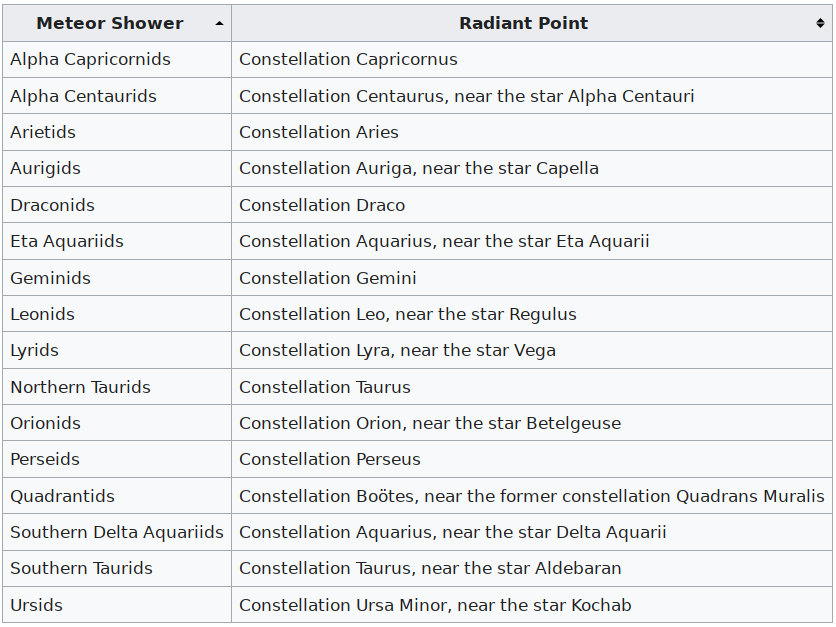
Here are the radiant points of some major meteor showers of the year.
Geminid meteors, clearly showing the position of the radiant CREDIT Berkó Ernő
Radiant (meteor shower)
From Wikipedia, the free encyclopedia
The radiant or apparent radiant of a meteor shower is the celestial point in the sky from which (from the point of view of a terrestrial observer) the paths of meteors appear to originate. The Perseids, for example, are meteors which appear to come from a point within the constellation of Perseus.
Meteor paths appear at random locations in the sky, but the apparent paths of two or more meteors from the same shower will diverge from the radiant. The radiant is the vanishing point of the meteor paths, which are parallel lines in three-dimensional space, as seen from the perspective of the observer, who views a two-dimensional projection against the sky. The geometric effect is identical to crepuscular rays, where parallel sunbeams appear to diverge.
A meteor that does not point back to the known radiant for a given shower is known as a sporadic and is not considered part of that shower.
Shower meteors may appear a short time before the radiant has risen in the observer's eastern sky. The radiant in such cases is above the horizon at the meteor's altitude.
During the active period of most showers, the radiant moves nearly one degree eastwards, parallel to the ecliptic, against the stellar background each day. This is called the radiant's diurnal drift, and is to a large degree due to the Earth's own orbital motion around the Sun, which also proceeds at nearly one degree a day. As the radiant is determined by the superposition of the motions of Earth and meteoroid, the changing orbital direction of the Earth towards the east causes the radiant to move to the east as well.
[...]
https://en.wikipedia.org/wiki/Radiant_(meteor_shower)
#space #galaxy #perseids #astrophotography #photography #science #astronomy #nature #NASA
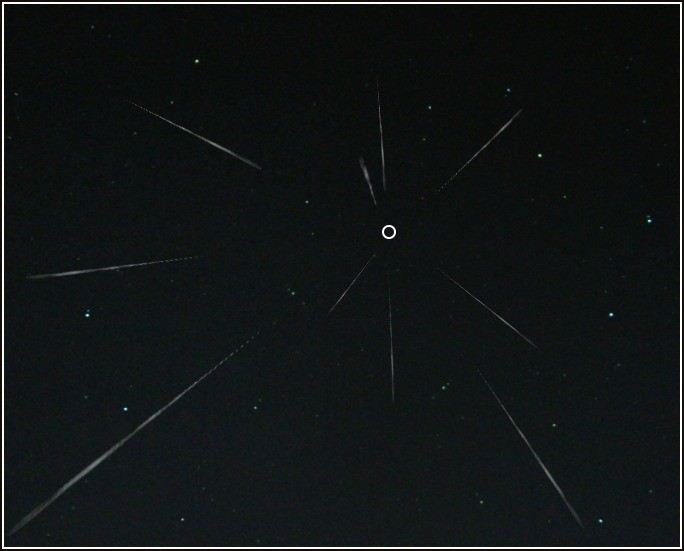
Image of a meteor shower, with the radiant marked by 'ᴏ' CREDIT Contributors of Wikimedia
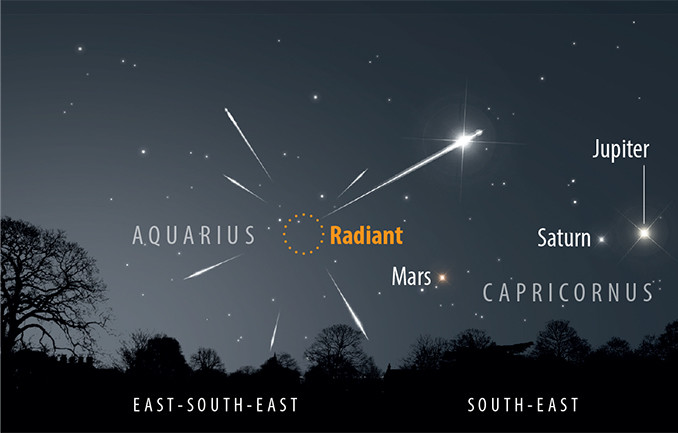
Eta Aquarid meteor shower reaches peak 5 May 2020 Mark Armstrong Although the short-period comet 1P/Halley, the most famous comet of all, will not return to the inner Solar System until 2061, if you look out for some shooting stars in the pre-dawn sky courtesy of the Eta Aquarid meteor shower, you might see some of the debris Halley has left behind over the eons it has orbited the Sun. The radiant of the Eta Aquarid meteor shower. Graphic by Greg Smye-Rumsby.
2018 August 17
Perseid Fireball and Persistent Train
* Image Credit & Copyright: Petr Horálek
http://www.astronom.cz/horalek/?page_id=20
Explanation:
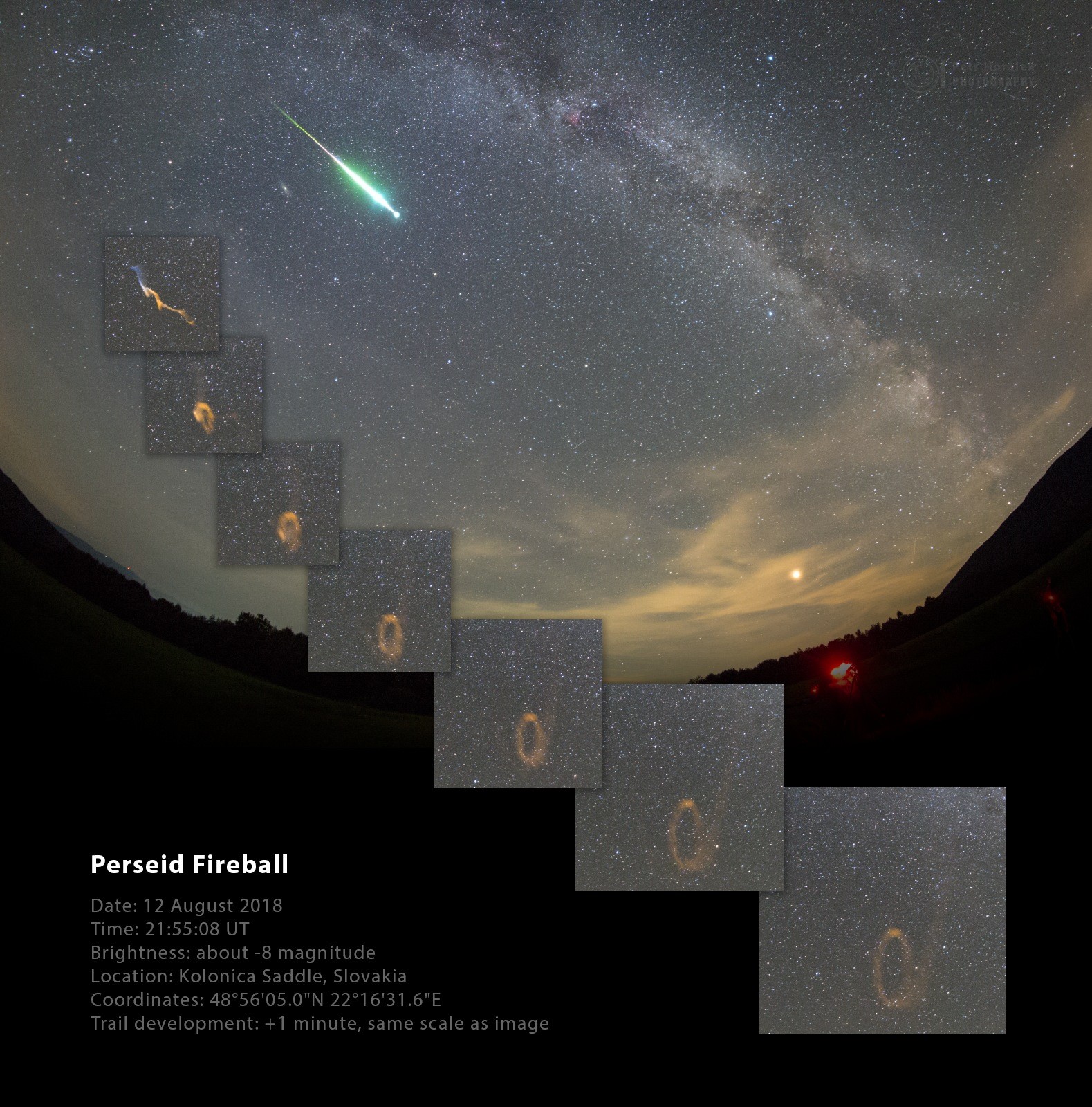
Before local midnight on August 12, this brilliant Perseid meteor flashed above the Poloniny Dark Sky Park, Slovakia, planet Earth. Streaking beside the summer Milky Way, its initial color is likely due to the shower meteor's characteristically high speed. Moving at about 60 kilometers per second, Perseid meteors can excite green emission from oxygen atoms while passing through the thin atmosphere at high altitudes. Also characteristic of bright meteors, this Perseid left a lingering visible trail known as a persistent train, wafting in the upper atmosphere. Its development is followed in the inset frames, exposures separated by one minute and shown at the scale of the original image. Compared to the brief flash of the meteor, the wraith-like trail really is persistent. After an hour faint remnants of this one could still be traced, expanding to over 80 degrees on the sky.
https://apod.nasa.gov/apod/ap180817.html
#space #galaxy #perseids #astrophotography #photography #science #astronomy #nature #NASA
2018 August 17 Perseid Fireball and Persistent Train * Image Credit & Copyright: Petr Horálek Explanation: Before local midnight on August 12, this brilliant Perseid meteor flashed above the Poloniny Dark Sky Park, Slovakia, planet Earth. Streaking beside the summer Milky Way, its initial color is likely due to the shower meteor's characteristically high speed. Moving at about 60 kilometers per second, Perseid meteors can excite green emission from oxygen atoms while passing through the thin atmosphere at high altitudes. Also characteristic of bright meteors, this Perseid left a lingering visible trail known as a persistent train, wafting in the upper atmosphere. Its development is followed in the inset frames, exposures separated by one minute and shown at the scale of the original image. Compared to the brief flash of the meteor, the wraith-like trail really is persistent. After an hour faint remnants of this one could still be traced, expanding to over 80 degrees on the sky. Authors & editors: Robert Nemiroff (MTU) & Jerry Bonnell (UMCP) NASA Official: Phillip Newman Specific rights apply. NASA Web Privacy Policy and Important Notices A service of: ASD at NASA / GSFC & Michigan Tech. U.
List of TOPICS> No2
18. TOPIC> Useful Code
https://defcon.social/@grobi/114797042323081686
19. TOPIC> The Pleiades
https://defcon.social/@grobi/114815733752175971
20. TOPIC> Noctilucence
https://defcon.social/@grobi/114832775917410386
21. TOPIC> "Full Moon"
https://defcon.social/@grobi/114838466802453868
22. TOPIC> Polar Ring Galaxies
https://defcon.social/@grobi/114850151020377148
23. TOPIC> "As Far As We Can See"
https://defcon.social/@grobi/114626118056153533
24. TOPIC> Milkyway From Earth
https://defcon.social/@grobi/114781749270847913
25. TOPIC> Interstellar Visitors
https://defcon.social/@grobi/114810072977625219
26. TOPIC> Perseids & Co. Meteor Showers
https://defcon.social/@grobi/114870000065511961
27. TOPIC> Sounds Of The Universe
https://defcon.social/@grobi/114924786135202086
28. TOPIC> Clouds
https://defcon.social/@grobi/114874643056332827
29. TOPIC> Star Clusters
https://defcon.social/@grobi/114878496204373080
30. TOPIC> The Moon
https://defcon.social/@grobi/114884453756165706
31. TOPIC> Lightnings & Sprites
https://defcon.social/@grobi/114923889767563946
32. TOPIC> About Planetary Defense
https://defcon.social/@grobi/114929698111654505
33. TOPIC> Our Sun
https://defcon.social/@grobi/114940779307715711
34. TOPIC> Interactions
https://defcon.social/@grobi/115053571371546505
35. TOPIC> Mother Earth
https://defcon.social/@grobi/115161456651414014
36. TOPIC> Our Solar System
https://defcon.social/@grobi/115215840834107741
37. TOPIC> Comets
https://defcon.social/@grobi/115212341980817680
38. TOPIC> Exoplanets
https://defcon.social/@grobi/115223980792092951
39. TOPIC> Saturn
https://defcon.social/@grobi/115247642907222392
40. TOPIC> The Destruction of NASA’s Mission
https://defcon.social/@grobi/115305607622127809
41. TOPIC> Pluto
https://defcon.social/@grobi/115306099201633278
© folks who #resist
https://www.youtube.com/watch?v=EXg8MOqbZNI
#space #astrophotography #photography #sience #astronomy #nature #fediverse #mastodon #NASA #ESA #nobot #noai #list #buchstabensuppe
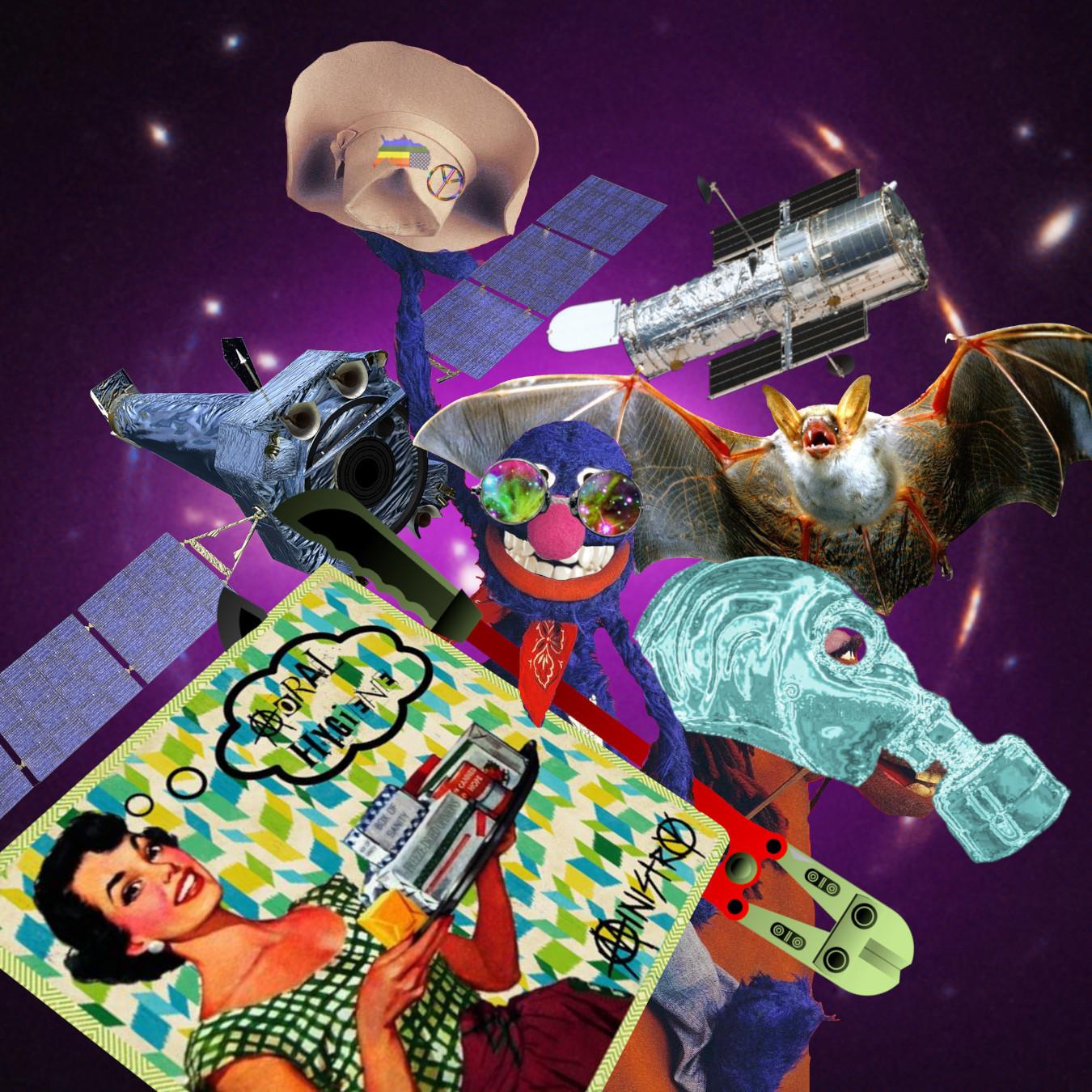
grobi presents the protest song "Sabotage Is Sex" by Ministry feat. Jello Biafra. He rides through time and space sitting the wrong way around on his horse and has a bolt cutter ready, while his friend, the horse, is already wearing a gas mask, because you never know for sure... like two scouts "always ready to help" with open eyes, hearts and cheerful cheers, they have backup from "Graviti's Grin" or flippantly called the "Cheshire Cat Galaxy Group" grobi also wears glasses with "Gravity Lenses" made of "Dark Matter", with which he sees through the enemies of freedom and humanity. © folks who #resist
2023 August 23 (*)
The Meteor and the Galaxy
* Credit & Copyright: Jose Pedrero
https://www.instagram.com/josepedrero.jpart/
Explanation:
It came from outer space. It -- in this case a sand-sized bit of a comet nucleus -- was likely ejected many years ago from Sun-orbiting Comet Swift-Tuttle, but then continued to orbit the Sun alone. When the Earth crossed through this orbit, the piece of comet debris impacted the atmosphere of our fair planet and was seen as a meteor. This meteor deteriorated, causing gases to be emitted that glowed in colors emitted by its component elements. The featured image was taken last week(*) from Castilla La Mancha, Spain, during the peak night of the Perseids meteor shower. The picturesque meteor streak happened to appear in the only one of 50 frames that also included the Andromeda galaxy. Stars dot the frame, each much further away than the meteor. Compared to the stars, the Andromeda galaxy (M31) is, again, much further away.
https://apod.nasa.gov/apod/ap230823.html
#space #galaxy #perseids #astrophotography #photography #astroart #science #astronomy #nature #NASA
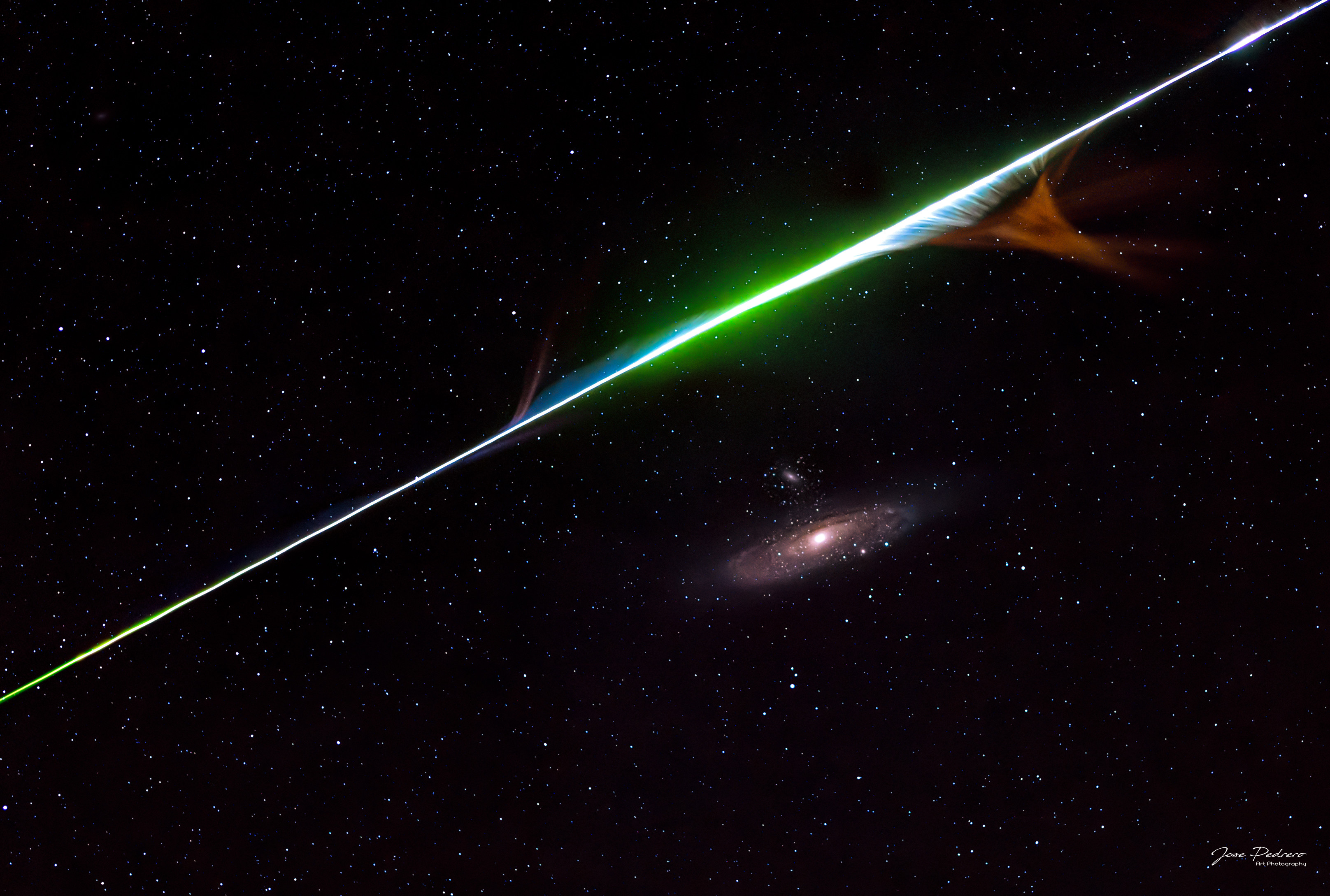
2023 August 23 A color meteor streak is seen above the Andromeda spiral galaxy. Please see the explanation for more detailed information. The Meteor and the Galaxy * Credit & Copyright: Jose Pedrero Explanation: It came from outer space. It -- in this case a sand-sized bit of a comet nucleus -- was likely ejected many years ago from Sun-orbiting Comet Swift-Tuttle, but then continued to orbit the Sun alone. When the Earth crossed through this orbit, the piece of comet debris impacted the atmosphere of our fair planet and was seen as a meteor. This meteor deteriorated, causing gases to be emitted that glowed in colors emitted by its component elements. The featured image was taken last week from Castilla La Mancha, Spain, during the peak night of the Perseids meteor shower. The picturesque meteor streak happened to appear in the only one of 50 frames that also included the Andromeda galaxy. Stars dot the frame, each much further away than the meteor. Compared to the stars, the Andromeda galaxy (M31) is, again, much further away. Authors & editors: Robert Nemiroff (MTU) & Jerry Bonnell (UMCP) NASA Official: Phillip Newman Specific rights apply. NASA Web Privacy Policy and Important Notices A service of: ASD at NASA / GSFC, NASA Science Activation & Michigan Tech. U.
"To upload this video, I converted it and compressed it to a smaller file-size under #linux with the free software ffmpeg and the corresponding command:
'ffmpeg -i video_in.mkv -vcodec libx265 -crf 30 video_out.mp4'
Maybe you would like to post a corresponding video on a scientifically related topic, but it is perhaps too big? Then try ffmpeg.
Just for now let's enjoy this Perseids Night Timelaps together"
2021 September 28
Night of the Perseids
* Video Credit & Copyright: Vikas Chander & Dorje Angchuk
https://www.youtube.com/channel/UCa_53XIkP1fYEbHCWoMgIrg
* Music: Tea Time via PremiumBeat
https://www.premiumbeat.com/artist/yellow-tea
Explanation:
Have you ever experienced a meteor shower? To help capture the wonder, a video was taken during the peak of the recent Perseid meteor shower above the Indian Astronomical Observatory in Hanle, India, high up in the Himalayan mountains. Night descends as the video begins, with the central plane of our Milky Way Galaxy approaching from the left and Earth-orbiting satellites zipping by overhead. During the night, the flash of meteors that usually takes less than a second is artificially extended. The green glow of most meteors is typically caused by vaporizing nickel. As the video continues, Orion rises and meteors flare above the 2-meter Himalayan Chandra Telescope and the seven barrels of the High Energy Gamma Ray Telescope (Hagar). The 2 minute 30 second movie ends with the Sun rising, preceded by a false dawn of zodiacal light.
https://apod.nasa.gov/apod/ap210928.html
#space #galaxy #perseids #astrophotography #photography #science #astronomy #nature #NASA

2021 September 28 Night of the Perseids * Video Credit & Copyright: Vikas Chander & Dorje Angchuk * Music: Tea Time via PremiumBeat Explanation: Have you ever experienced a meteor shower? To help capture the wonder, a video was taken during the peak of the recent Perseid meteor shower above the Indian Astronomical Observatory in Hanle, India, high up in the Himalayan mountains. Night descends as the video begins, with the central plane of our Milky Way Galaxy approaching from the left and Earth-orbiting satellites zipping by overhead. During the night, the flash of meteors that usually takes less than a second is artificially extended. The green glow of most meteors is typically caused by vaporizing nickel. As the video continues, Orion rises and meteors flare above the 2-meter Himalayan Chandra Telescope and the seven barrels of the High Energy Gamma Ray Telescope (Hagar). The 2 minute 30 second movie ends with the Sun rising, preceded by a false dawn of zodiacal light. Authors & editors: Robert Nemiroff (MTU) & Jerry Bonnell (UMCP) NASA Official: Phillip Newman Specific rights apply. NASA Web Privacy Policy and Important Notices A service of: ASD at NASA / GSFC & Michigan Tech. U.
2016 August 20
Gamma-rays and Comet Dust
* Image Credit & Copyright: Daniel López (El Cielo de Canarias)
https://www.elcielodecanarias.com/
Explanation:
Gamma-rays and dust from periodic Comet Swift-Tuttle plowed through planet Earth's atmosphere on the night of August 11/12. Impacting at about 60 kilometers per second the grains of comet dust produced this year's remarkably active Perseid meteor shower. This composite wide-angle image of aligned shower meteors covers a 4.5 hour period on that Perseid night. In it the flashing meteor streaks can be traced back to the shower's origin on the sky. Alongside the Milky Way in the constellation Perseus, the radiant marks the direction along the perodic comet's orbit. Traveling at the speed of light, cosmic gamma-rays impacting Earth's atmosphere generated showers too, showers of high energy particles. Just as the meteor streaks point back to their origin, the even briefer flashes of light from the particles can be used to reconstruct the direction of the particle shower, to point back to the origin on the sky of the incoming gamma-ray. Unlike the meteors, the incredibly fast particle shower flashes can't be followed by eye. But both can be followed by the high speed cameras on the multi-mirrored dishes in the foreground. Of course, the dishes are MAGIC (Major Atmospheric Gamma Imaging Cherenkov) telescopes, an Earth-based gamma-ray observatory on the Canary Island of La Palma.
https://apod.nasa.gov/apod/ap160820.html
#space #galaxy #perseids #astrophotography #photography #science #astronomy #nature #NASA
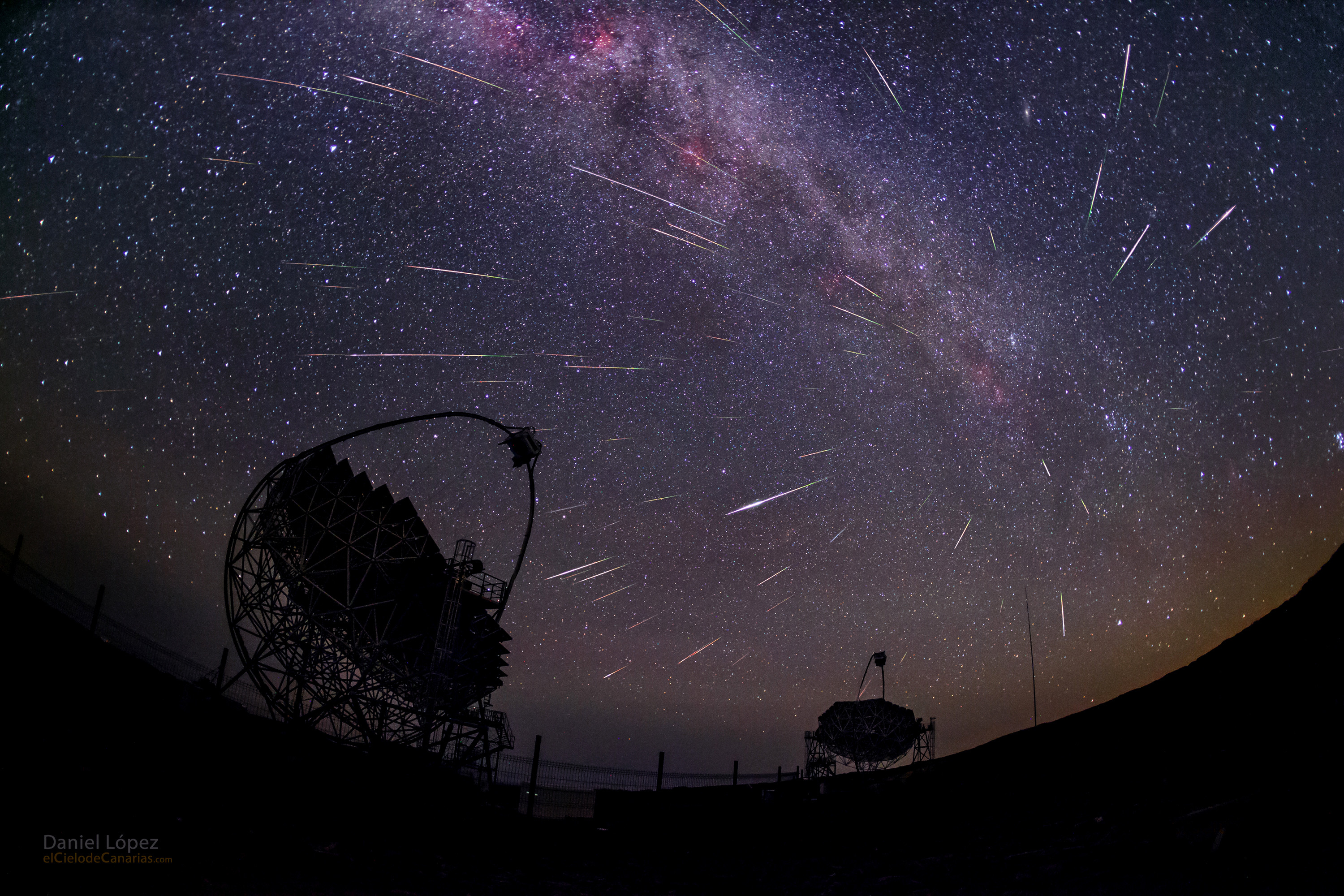
2016 August 20 Gamma-rays and Comet Dust * Image Credit & Copyright: Daniel López (El Cielo de Canarias) Explanation: Gamma-rays and dust from periodic Comet Swift-Tuttle plowed through planet Earth's atmosphere on the night of August 11/12. Impacting at about 60 kilometers per second the grains of comet dust produced this year's remarkably active Perseid meteor shower. This composite wide-angle image of aligned shower meteors covers a 4.5 hour period on that Perseid night. In it the flashing meteor streaks can be traced back to the shower's origin on the sky. Alongside the Milky Way in the constellation Perseus, the radiant marks the direction along the perodic comet's orbit. Traveling at the speed of light, cosmic gamma-rays impacting Earth's atmosphere generated showers too, showers of high energy particles. Just as the meteor streaks point back to their origin, the even briefer flashes of light from the particles can be used to reconstruct the direction of the particle shower, to point back to the origin on the sky of the incoming gamma-ray. Unlike the meteors, the incredibly fast particle shower flashes can't be followed by eye. But both can be followed by the high speed cameras on the multi-mirrored dishes in the foreground. Of course, the dishes are MAGIC (Major Atmospheric Gamma Imaging Cherenkov) telescopes, an Earth-based gamma-ray observatory on the Canary Island of La Palma. Authors & editors: Robert Nemiroff (MTU) & Jerry Bonnell (UMCP)
2022 August 11
Perseids and MAGIC
* Image Credit & Copyright: Urs Leutenegger
https://www.instagram.com/urs.leutenegger/?hl=en
Explanation:
On August 11, 2021 a multi-mirror, 17 meter-diameter MAGIC telescope reflected this starry night sky from the Roque de los Muchachos European Northern Observatory on the Canary Island of La Palma. MAGIC stands for Major Atmospheric Gamma Imaging Cherenkov. The telescopes can see the brief flashes of optical light produced in particle air showers as high-energy gamma rays impact the Earth's upper atmosphere. To the dark-adapted eye the mirror segments offer a tantalizing reflection of stars and nebulae along the plane of our Milky Way galaxy. But directly behind the segmented mirror telescope, low on the horizon, lies the constellation Perseus. And on that date the dramatic composite nightscape also captured meteors streaming from the radiant of the annual Perseid meteor shower. This year the Perseid shower activity will again peak around August 13 but perseid meteors will have to compete with the bright light of a Full Moon.
https://apod.nasa.gov/apod/ap220811.html
#space #galaxy #perseids #astrophotography #photography #science #astronomy #nature #NASA
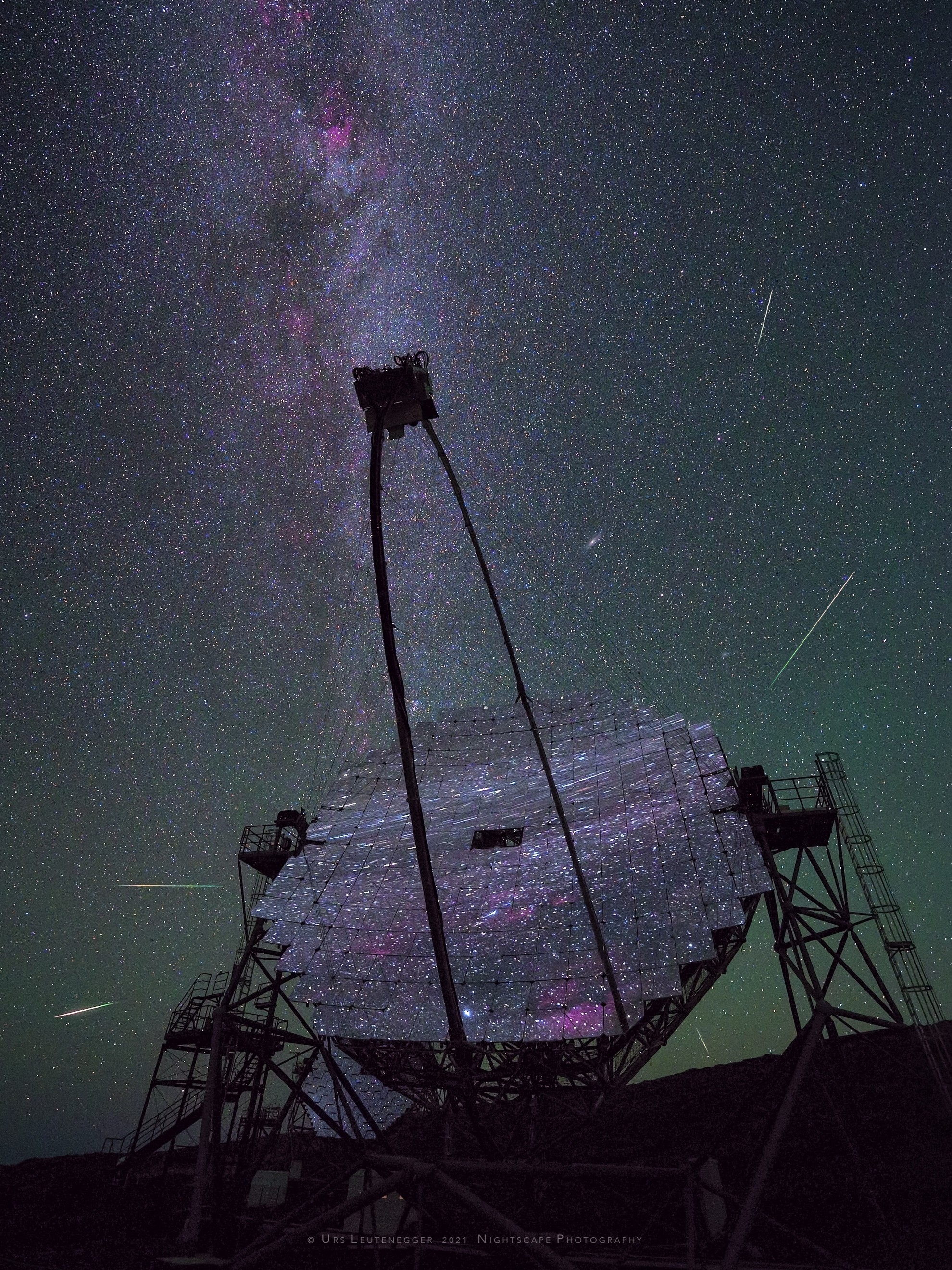
2022 August 11 Perseids and MAGIC * Image Credit & Copyright: Urs Leutenegger Explanation: On August 11, 2021 a multi-mirror, 17 meter-diameter MAGIC telescope reflected this starry night sky from the Roque de los Muchachos European Northern Observatory on the Canary Island of La Palma. MAGIC stands for Major Atmospheric Gamma Imaging Cherenkov. The telescopes can see the brief flashes of optical light produced in particle air showers as high-energy gamma rays impact the Earth's upper atmosphere. To the dark-adapted eye the mirror segments offer a tantalizing reflection of stars and nebulae along the plane of our Milky Way galaxy. But directly behind the segmented mirror telescope, low on the horizon, lies the constellation Perseus. And on that date the dramatic composite nightscape also captured meteors streaming from the radiant of the annual Perseid meteor shower. This year the Perseid shower activity will again peak around August 13 but perseid meteors will have to compete with the bright light of a Full Moon. Authors & editors: Robert Nemiroff (MTU) & Jerry Bonnell (UMCP) NASA Official: Phillip Newman Specific rights apply. NASA Web Privacy Policy and Important Notices A service of: ASD at NASA / GSFC, NASA Science Activation & Michigan Tech. U.
Annotations for previous post.
#space #galaxy #perseids #astrophotography #photography #science #astronomy #nature #NASA
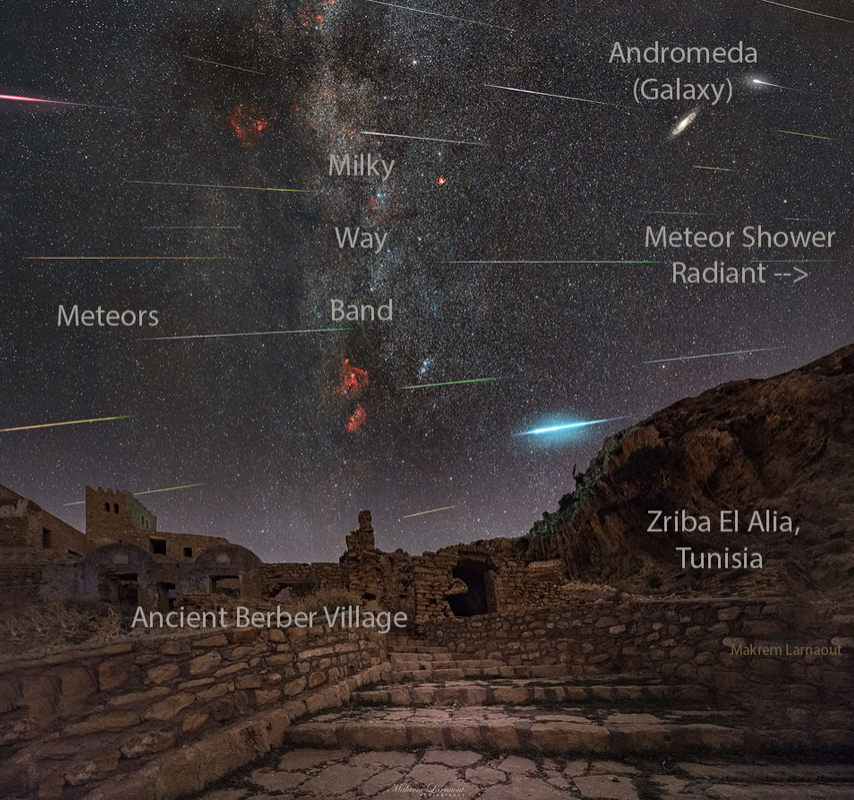
Annotations for previous post. 2022 August 16 The featured image shows a composite image capturing many meteor streaks above the ruins of an ancient village. A Meteor Wind over Tunisia * Image Credit & Copyright: Makrem Larnaout Explanation: Does the Earth ever pass through a wind of meteors? Yes, and they are frequently visible as meteor showers. Almost all meteors are sand-sized debris that escaped from a Sun-orbiting comet or asteroid, debris that continues in an elongated orbit around the Sun. Circling the same Sun, our Earth can move through an orbiting debris stream, where it can appear, over time, as a meteor wind. The meteors that light up in Earth's atmosphere, however, are usually destroyed. Their streaks, though, can all be traced back to a single point on the sky called the radiant. The featured image composite was taken over two days in late July near the ancient Berber village Zriba El Alia in Tunisia, during the peak of the Southern Delta Aquariids meteor shower. The radiant is to the right of the image. A few days ago our Earth experienced the peak of a more famous meteor wind -- the Perseids.
2022 August 16
A Meteor Wind over Tunisia
* Image Credit & Copyright: Makrem Larnaout
https://www.facebook.com/TheRoyalAstronomicalSociety
Explanation:
Does the Earth ever pass through a wind of meteors? Yes, and they are frequently visible as meteor showers. Almost all meteors are sand-sized debris that escaped from a Sun-orbiting comet or asteroid, debris that continues in an elongated orbit around the Sun. Circling the same Sun, our Earth can move through an orbiting debris stream, where it can appear, over time, as a meteor wind. The meteors that light up in Earth's atmosphere, however, are usually destroyed. Their streaks, though, can all be traced back to a single point on the sky called the radiant. The featured image composite was taken over two days in late July near the ancient Berber village Zriba El Alia in Tunisia, during the peak of the Southern Delta Aquariids meteor shower. The radiant is to the right of the image. A few days ago our Earth experienced the peak of a more famous meteor wind -- the Perseids.
https://apod.nasa.gov/apod/ap220816.html
#space #galaxy #perseids #astrophotography #photography #science #astronomy #nature #NASA
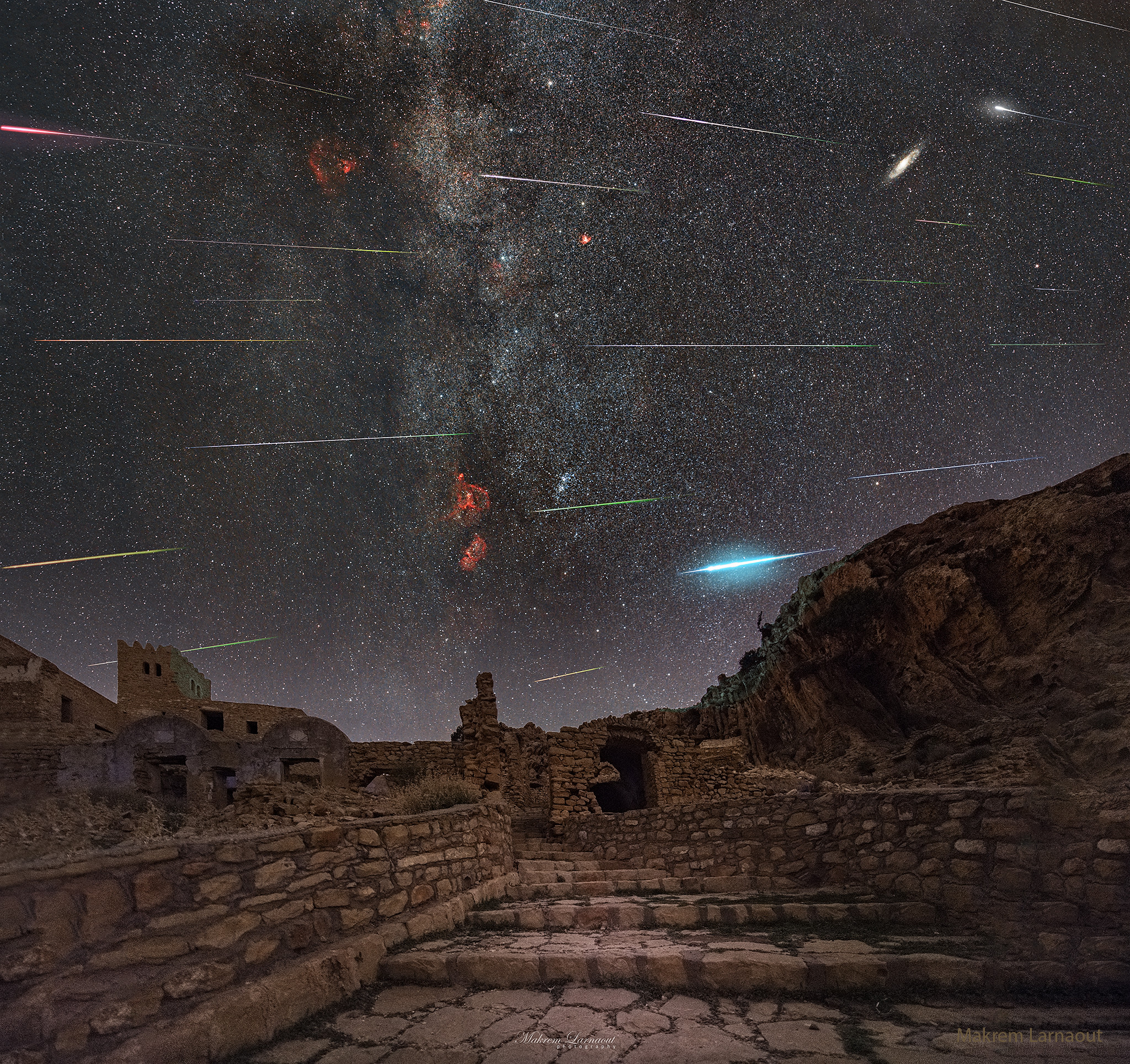
2022 August 16 The featured image shows a composite image capturing many meteor streaks above the ruins of an ancient village. A Meteor Wind over Tunisia * Image Credit & Copyright: Makrem Larnaout Explanation: Does the Earth ever pass through a wind of meteors? Yes, and they are frequently visible as meteor showers. Almost all meteors are sand-sized debris that escaped from a Sun-orbiting comet or asteroid, debris that continues in an elongated orbit around the Sun. Circling the same Sun, our Earth can move through an orbiting debris stream, where it can appear, over time, as a meteor wind. The meteors that light up in Earth's atmosphere, however, are usually destroyed. Their streaks, though, can all be traced back to a single point on the sky called the radiant. The featured image composite was taken over two days in late July near the ancient Berber village Zriba El Alia in Tunisia, during the peak of the Southern Delta Aquariids meteor shower. The radiant is to the right of the image. A few days ago our Earth experienced the peak of a more famous meteor wind -- the Perseids. Authors & editors: Robert Nemiroff (MTU) & Jerry Bonnell (UMCP) NASA Official: Phillip Newman Specific rights apply. NASA Web Privacy Policy and Important Notices A service of: ASD at NASA / GSFC, NASA Science Activation & Michigan Tech. U.
2018 September 8
Real Time Perseid
* Video Credit & Copyright: Till Credner, AlltheSky.com
http://www.allthesky.com/
Explanation:
Bright meteors and dark night skies made this year's Perseid meteor shower a great time for a weekend campout. And while packing away their equipment, skygazers at a campsite in the mountains of southern Germany found at least one more reason to linger under the stars, witnessing this brief but colorful flash with their own eyes. Presented as a 50 frame gif, the two second long video was captured during the morning twilight of August 12. In real time it shows the development of the typical green train of a bright Perseid meteor. A much fainter Perseid is just visible farther to the right. Plowing through Earth's atmosphere at 60 kilometers per second, Perseids are fast enough to excite the characteristic green emission of atomic oxygen at altitudes of 100 kilometers or so.
https://apod.nasa.gov/apod/ap180908.html
#space #galaxy #perseids #astrophotography #photography #science #astronomy #nature #NASA
2018 September 8 Real Time Perseid * Video Credit & Copyright: Till Credner, AlltheSky.com Explanation: Bright meteors and dark night skies made this year's Perseid meteor shower a great time for a weekend campout. And while packing away their equipment, skygazers at a campsite in the mountains of southern Germany found at least one more reason to linger under the stars, witnessing this brief but colorful flash with their own eyes. Presented as a 50 frame gif, the two second long video was captured during the morning twilight of August 12. In real time it shows the development of the typical green train of a bright Perseid meteor. A much fainter Perseid is just visible farther to the right. Plowing through Earth's atmosphere at 60 kilometers per second, Perseids are fast enough to excite the characteristic green emission of atomic oxygen at altitudes of 100 kilometers or so. Authors & editors: Robert Nemiroff (MTU) & Jerry Bonnell (UMCP) NASA Official: Phillip Newman Specific rights apply. NASA Web Privacy Policy and Important Notices A service of: ASD at NASA / GSFC & Michigan Tech. U.
"Our pets and farm animals also enjoy the annual variety full of short surprises in the night sky. It will start again soon! Do you already know when and where to look? Look here, there is everything:https://earthsky.org/astronomy-essentials/everything-you-need-to-know-perseid-meteor-shower/"
2019 August 15
The Perseids and the Plough
* Image Credit & Copyright: Jeff Dai (TWAN)
https://twanight.org/profile/jeff-dai/
Explanation:
Despite interfering moonlight, many denizens of planet Earth were able to watch this year's Perseid meteor shower. This pastoral scene includes local skygazers admiring the shower's brief, heavenly flashes in predawn hours near peak activity on August 13 from Nalati Grassland in Xinjiang, China. A composite, the image registers seven frames taken during a two hour span recording Perseid meteor streaks against a starry sky. Centered along the horizon is the Plough, the north's most famous asterism, though some might see the familiar celestial kitchen utensil known as the Big Dipper. Perhaps the year's most easily enjoyed meteor shower, Perseid meteors are produced as Earth itself sweeps through dust from periodic comet Swift-Tuttle. The dust particles are vaporized at altitudes of 100 kilometers or so as they plow through the atmosphere at 60 kilometers per second.
https://apod.nasa.gov/apod/ap190815.html
#space #galaxy #perseids #astrophotography #photography #science #astronomy #nature #NASA
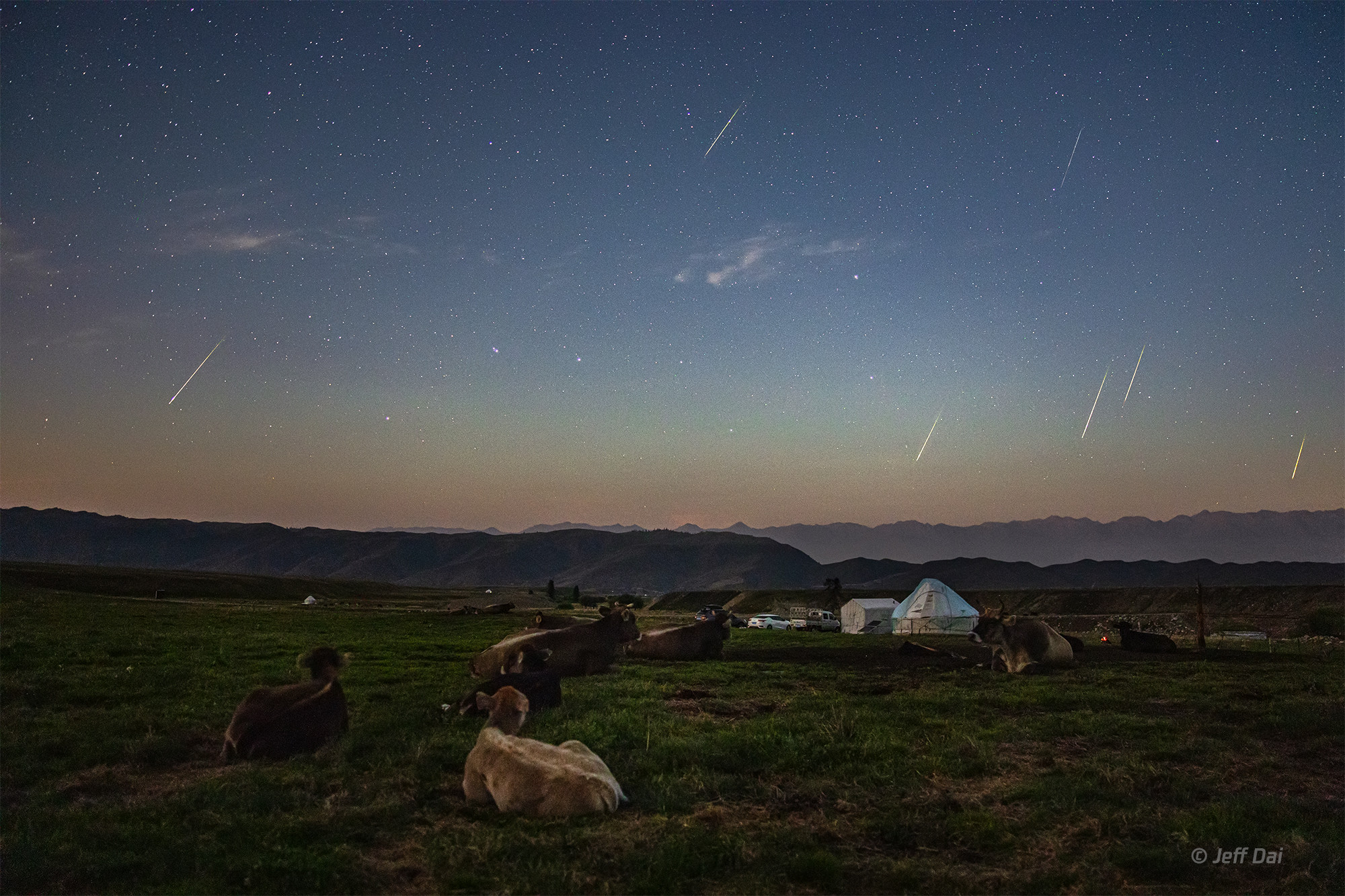
2019 August 15 The Perseids and the Plough * Image Credit & Copyright: Jeff Dai (TWAN) Explanation: Despite interfering moonlight, many denizens of planet Earth were able to watch this year's Perseid meteor shower. This pastoral scene includes local skygazers admiring the shower's brief, heavenly flashes in predawn hours near peak activity on August 13 from Nalati Grassland in Xinjiang, China. A composite, the image registers seven frames taken during a two hour span recording Perseid meteor streaks against a starry sky. Centered along the horizon is the Plough, the north's most famous asterism, though some might see the familiar celestial kitchen utensil known as the Big Dipper. Perhaps the year's most easily enjoyed meteor shower, Perseid meteors are produced as Earth itself sweeps through dust from periodic comet Swift-Tuttle. The dust particles are vaporized at altitudes of 100 kilometers or so as they plow through the atmosphere at 60 kilometers per second. Authors & editors: Robert Nemiroff (MTU) & Jerry Bonnell (UMCP) NASA Official: Phillip Newman Specific rights apply. NASA Web Privacy Policy and Important Notices A service of: ASD at NASA / GSFC & Michigan Tech. U.
2024 August 9
A Perseid Below
* Image Credit: Ron Garan, ISS Expedition 28 Crew, NASA
https://www.nasa.gov/mission/expedition-28/
https://www.nasa.gov/
Explanation:
Denizens of planet Earth typically watch meteor showers by looking up. But this remarkable view, captured on August 13, 2011 by astronaut Ron Garan, caught a Perseid meteor by looking down. From Garan's perspective on board the International Space Station orbiting at an altitude of about 380 kilometers, the Perseid meteors streak below, swept up dust from comet Swift-Tuttle. The vaporizing comet dust grains are traveling at about 60 kilometers per second through the denser atmosphere around 100 kilometers above Earth's surface. In this case, the foreshortened meteor flash is near frame center, below the curving limb of the Earth and a layer of greenish airglow, just below bright star Arcturus. Want to look up at a meteor shower? You're in luck, as the 2024 Perseid meteor shower is active now and predicted to peak near August 12. With interfering bright moonlight absent, this year you'll likely see many Perseid meteors under clear, dark skies after midnight.
https://apod.nasa.gov/apod/ap240809.html
#space #galaxy #perseids #astrophotography #photography #science #astronomy #nature #NASA
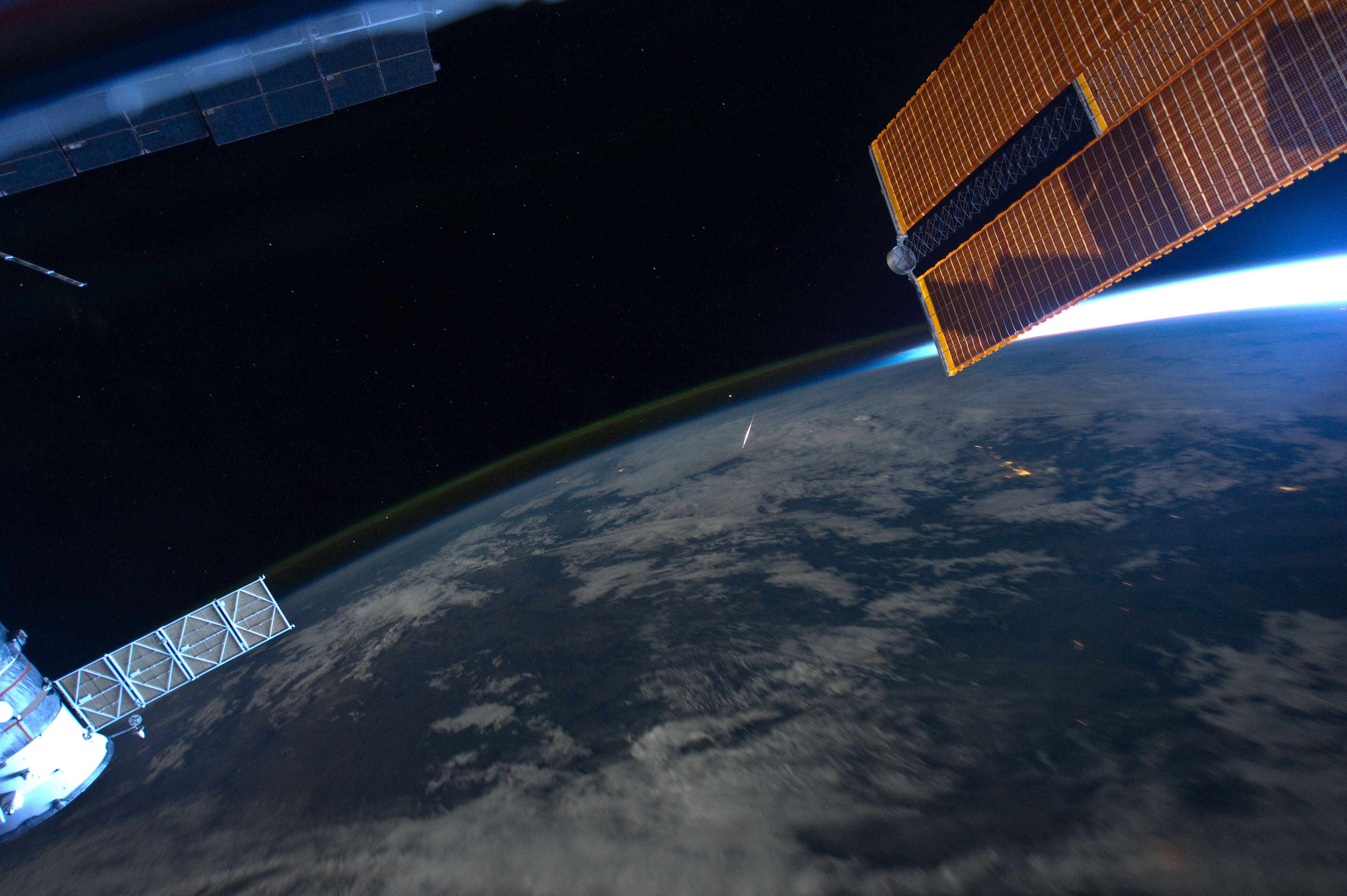
2024 August 9 A Perseid Below * Image Credit: Ron Garan, ISS Expedition 28 Crew, NASA Explanation: Denizens of planet Earth typically watch meteor showers by looking up. But this remarkable view, captured on August 13, 2011 by astronaut Ron Garan, caught a Perseid meteor by looking down. From Garan's perspective on board the International Space Station orbiting at an altitude of about 380 kilometers, the Perseid meteors streak below, swept up dust from comet Swift-Tuttle. The vaporizing comet dust grains are traveling at about 60 kilometers per second through the denser atmosphere around 100 kilometers above Earth's surface. In this case, the foreshortened meteor flash is near frame center, below the curving limb of the Earth and a layer of greenish airglow, just below bright star Arcturus. Want to look up at a meteor shower? You're in luck, as the 2024 Perseid meteor shower is active now and predicted to peak near August 12. With interfering bright moonlight absent, this year you'll likely see many Perseid meteors under clear, dark skies after midnight. Authors & editors: Robert Nemiroff (MTU) & Jerry Bonnell (UMCP) NASA Official: Amber Straughn Specific rights apply. NASA Web Privacy, Accessibility Notices A service of: ASD at NASA / GSFC, NASA Science Activation & Michigan Tech. U.
Perseids
NASA Science Editorial Team
Perseids Meteor Shower
The Perseids meteor shower peaks in mid-August, and is the most popular meteor shower of the year.
About the Meteor Shower
The Perseids, which peaks in mid-August, is considered the best meteor shower of the year. With swift and bright meteors, Perseids frequently leave long "wakes" of light and color behind them as they streak through Earth's atmosphere. The Perseids are one of the most plentiful showers with about 50 to 100 meteors seen per hour. They occur with warm summer nighttime weather allowing sky watchers to comfortably view them.
Perseids are also known for their fireballs. Fireballs are larger explosions of light and color that can persist longer than an average meteor streak. This is due to the fact that fireballs originate from larger particles of cometary material. Fireballs are also brighter, with apparent magnitudes greater than -3.
Viewing Tips
The Perseids are best viewed in the Northern Hemisphere during the pre-dawn hours, though at times it is possible to view meteors from this shower as early as 10 p.m.
Where Do Meteors Come From?
Meteors come from leftover comet particles and bits from broken asteroids. When comets come around the Sun, they leave a dusty trail behind them. Every year Earth passes through these debris trails, which allows the bits to collide with our atmosphere and disintegrate to create fiery and colorful streaks in the sky.
The Comet
The pieces of space debris that interact with our atmosphere to create the Perseids originate from comet 109P/Swift-Tuttle. Swift-Tuttle takes 133 years to orbit the Sun once. It was Giovanni Schiaparelli who realized in 1865 that this comet was the source of the Perseids. Comet Swift-Tuttle last visited the inner solar system in 1992.
https://science.nasa.gov/solar-system/meteors-meteorites/perseids/
#space #galaxy #perseids #astrophotography #photography #science #astronomy #nature #NASA
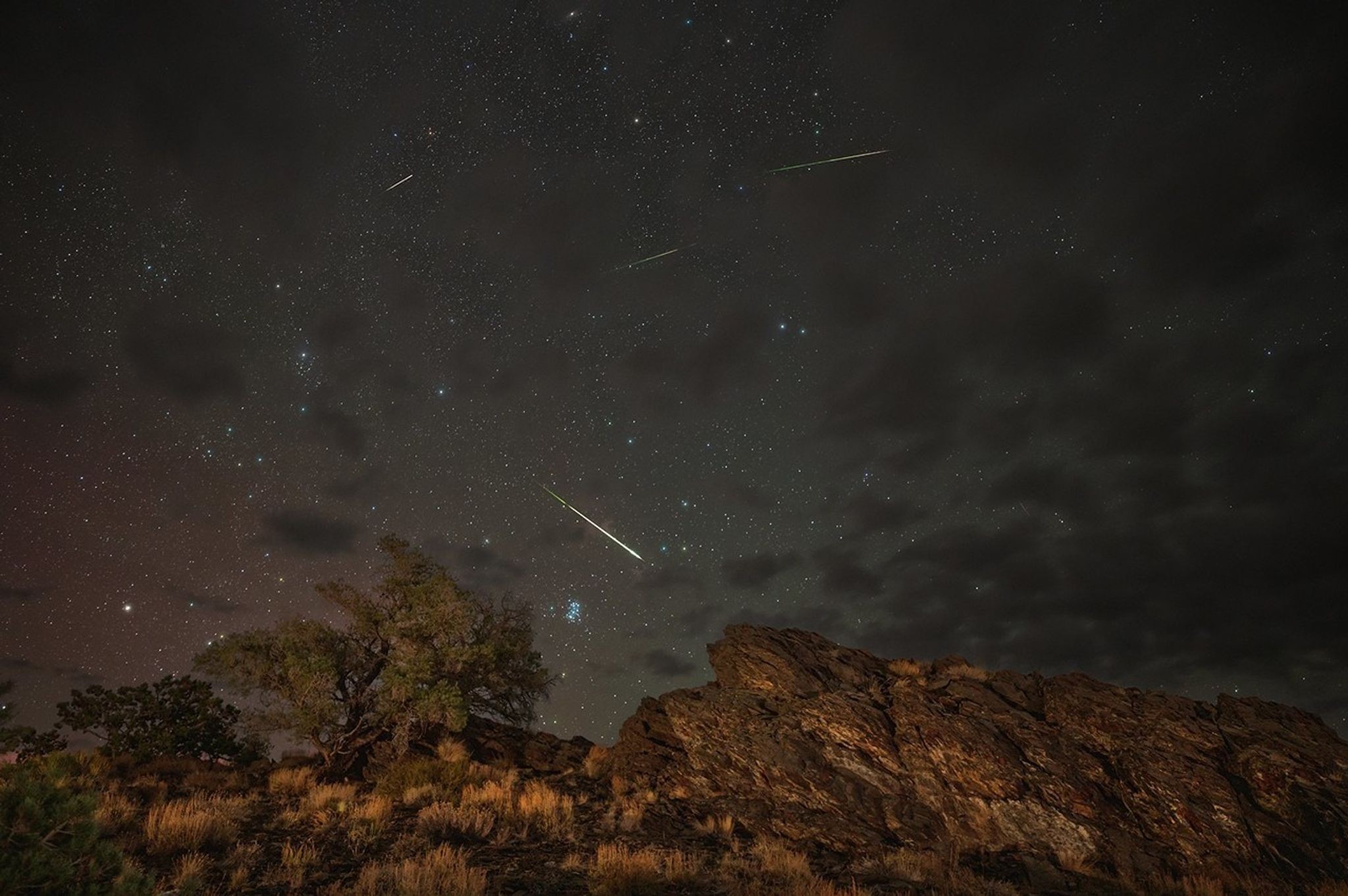
Meteors from the Perseids Meteor Shower streak across a partly cloudy sky above Inyo National Forest in Bishop, California, in 2024. CREDIT NASA/Preston Dyches _____ Fast Facts Comet of Origin 109P/Swift-Tuttle Radiant Constellation Perseus Active July 17 to Aug. 23, 2025 (Peak night: Aug. 12-13) Observed Under Dark Skies About 25 meteors per hour Meteor Velocity 37 miles (59 km) per second ____ The Comet The pieces of space debris that interact with our atmosphere to create the Perseids originate from comet 109P/Swift-Tuttle. Swift-Tuttle takes 133 years to orbit the Sun once. It was Giovanni Schiaparelli who realized in 1865 that this comet was the source of the Perseids. Comet Swift-Tuttle last visited the inner solar system in 1992. Comet Swift-Tuttle was discovered in 1862 by Lewis Swift and Horace Tuttle. Swift-Tuttle is a large comet: its nucleus is 16 miles (26 kilometers) across. (This is almost twice the size of the object hypothesized to have led to the demise of the dinosaurs.) Their radiant – the point in the sky from which the Perseids appear to come – is the constellation Perseus. This is also where we get the name for the shower: Perseids. However, the constellation for which a meteor shower is named only serves to aid viewers in determining which shower they are viewing on a given night. The constellation is not the source of the meteors.
Annotations for previous post.
#space #galaxy #perseids #astrophotography #photography #science #astronomy #nature #NASA
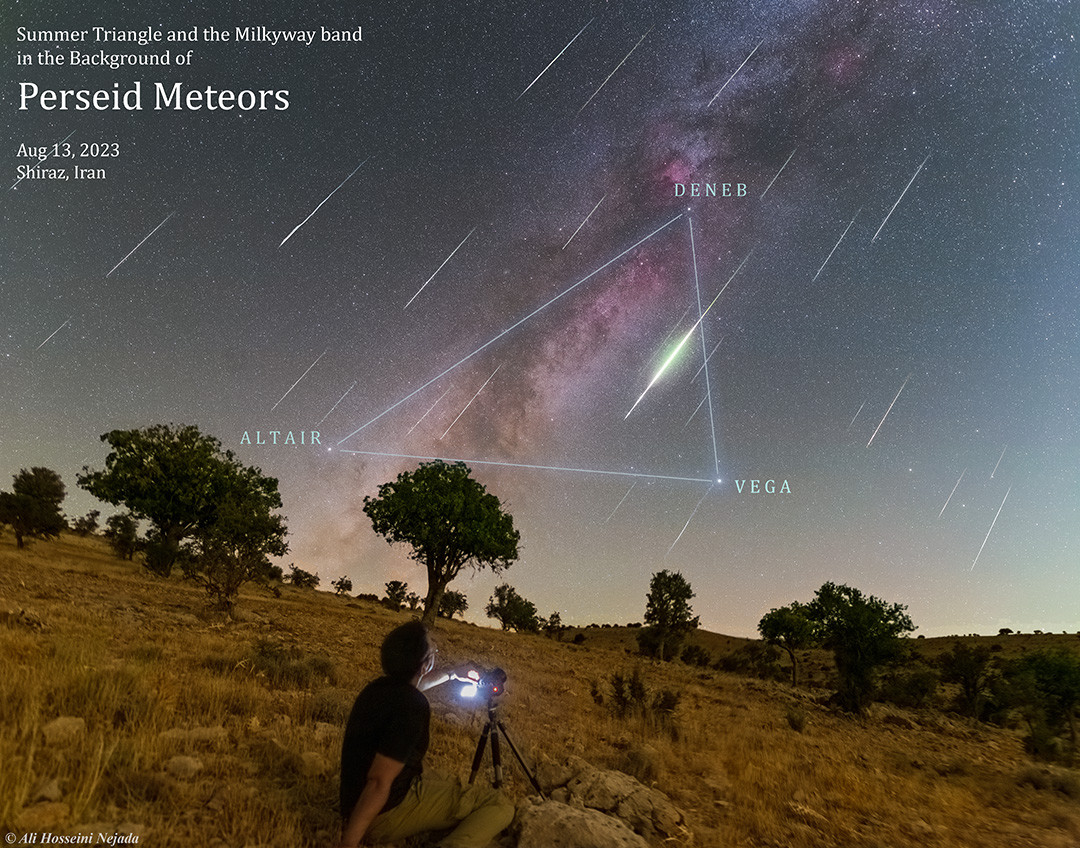
Annotations for previous post. 2023 August 24 Meteors along the Milky Way * Image Credit & Copyright: Ali Hosseini Nezhad Explanation: Under dark and mostly moonless night skies, many denizens of planet Earth were able to watch this year's Perseid meteor shower. Seen from a grassy hillside from Shiraz, Iran these Perseid meteors streak along the northern summer Milky Way before dawn on Sunday, August 13. Frames used to construct the composited image were captured near the active annual meteor shower's peak between 02:00 AM and 04:30 AM local time. Not in this night skyscape, the shower's radiant in the heroic constellation Perseus is far above the camera's field of view. But fans of northern summer nights can still spot a familiar asterism. Formed by bright stars Deneb, Vega, and Altair, the Summer Triangle spans the luminous band of the Milky Way. Authors & editors: Robert Nemiroff (MTU) & Jerry Bonnell (UMCP) NASA Official: Phillip Newman Specific rights apply. NASA Web Privacy Policy and Important Notices A service of: ASD at NASA / GSFC, NASA Science Activation & Michigan Tech. U.
TOPIC> Perseids & Co. Meteor Showers
2023 August 24
Meteors along the Milky Way
* Image Credit & Copyright: Ali Hosseini Nezhad
Explanation:
Under dark and mostly moonless night skies, many denizens of planet Earth were able to watch this year's Perseid meteor shower. Seen from a grassy hillside from Shiraz, Iran these Perseid meteors streak along the northern summer Milky Way before dawn on Sunday, August 13. Frames used to construct the composited image were captured near the active annual meteor shower's peak between 02:00 AM and 04:30 AM local time. Not in this night skyscape, the shower's radiant in the heroic constellation Perseus is far above the camera's field of view. But fans of northern summer nights can still spot a familiar asterism. Formed by bright stars Deneb, Vega, and Altair, the Summer Triangle spans the luminous band of the Milky Way.
https://apod.nasa.gov/apod/ap230824.html
#space #galaxy #perseids #astrophotography #photography #science #astronomy #nature #NASA
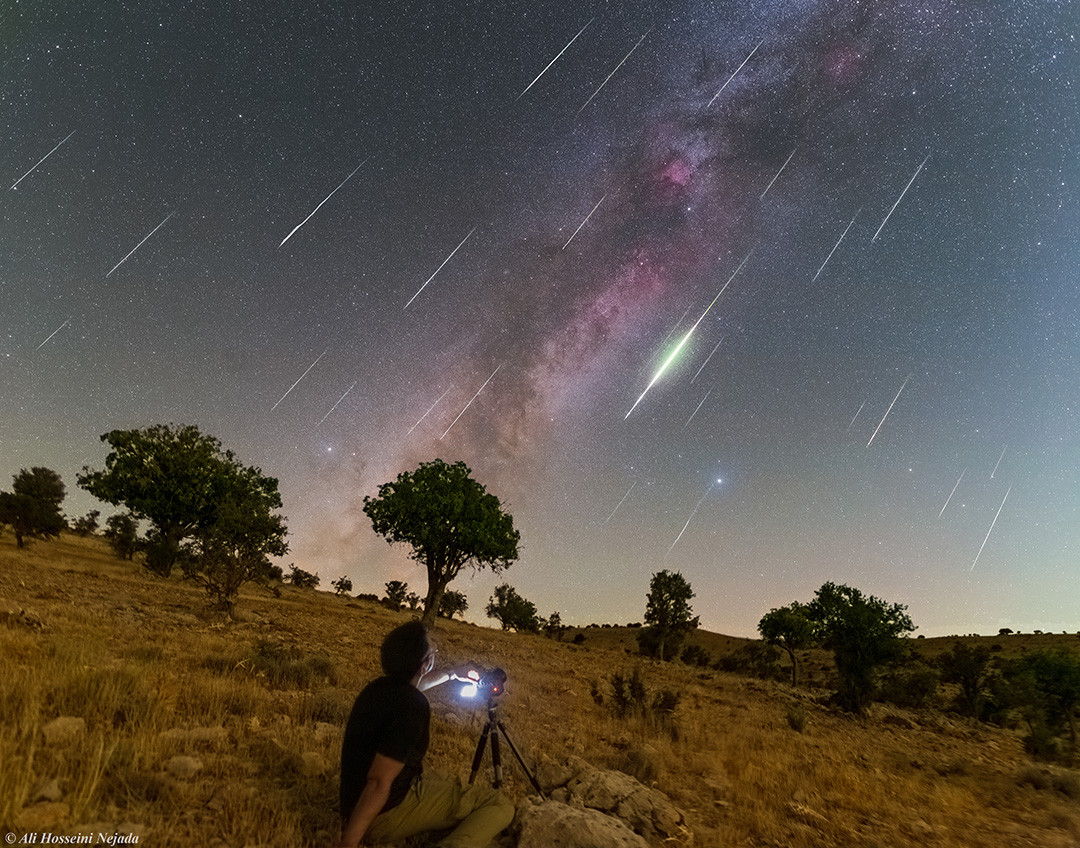
2023 August 24 Meteors along the Milky Way * Image Credit & Copyright: Ali Hosseini Nezhad Explanation: Under dark and mostly moonless night skies, many denizens of planet Earth were able to watch this year's Perseid meteor shower. Seen from a grassy hillside from Shiraz, Iran these Perseid meteors streak along the northern summer Milky Way before dawn on Sunday, August 13. Frames used to construct the composited image were captured near the active annual meteor shower's peak between 02:00 AM and 04:30 AM local time. Not in this night skyscape, the shower's radiant in the heroic constellation Perseus is far above the camera's field of view. But fans of northern summer nights can still spot a familiar asterism. Formed by bright stars Deneb, Vega, and Altair, the Summer Triangle spans the luminous band of the Milky Way. Authors & editors: Robert Nemiroff (MTU) & Jerry Bonnell (UMCP) NASA Official: Phillip Newman Specific rights apply. NASA Web Privacy Policy and Important Notices A service of: ASD at NASA / GSFC, NASA Science Activation & Michigan Tech. U.
List of TOPICS> No1
Hey Friends Of Space,
Would you like to accompany me through the time/space continuum, through the archives of NASA, ESA and on their missions?
Or do we want to watch atmospheric or electrostatic light shows on our home planet together?
Join me on my journey and feel free to bookmark or even boost the first of my following "TOPIC> lists"
This list will be updated and edited regularly.
PS
Because of the thread-like design of the topics and in order to be able to keep their order, I have decided to turn off the comment function. However, this new setting option will only take effect with the next Mastodon-release. Therefore, don't be surprised if you suddenly can't comment on posts any more. Instead of commenting, I ask you to send me a PM if you have any suggestions, questions, comments or just want to chat a bit. Thank you for your understanding.
1. TOPIC> Airglows
https://defcon.social/@grobi/114617603184721208
2. TOPIC> Stars On A Trail
https://defcon.social/@grobi/114538103004457677
++ Starting Music Video
https://defcon.social/@grobi/114541184131537630
3. TOPIC> Auroras
https://defcon.social/@grobi/114646611195811889
4. TOPIC> Face On
https://defcon.social/@grobi/114645916621233026
5. TOPIC> On The Edge
https://defcon.social/@grobi/114492980977318959
6. TOPIC>
Supermassive Black Holes
https://defcon.social/@grobi/114448092463278757
7. TOPIC>
Novae, Remnants, Nebulae
https://defcon.social/@grobi/114787530730178263
8. TOPIC>
Formations Nebulae Pillars
https://defcon.social/@grobi/114696771234606419
9. TOPIC>
In The Neighbourhood
https://defcon.social/@grobi/114555536815890569
10. TOPIC>
Gravitational Lensing
https://defcon.social/@grobi/114374350096488478
11. TOPIC> "Bull's Eye"
into the Center of our Galaxy
https://defcon.social/@grobi/114498597554595255
12. TOPIC> Interstellar Visitors
https://defcon.social/@grobi/114810072977625219
13. TOPIC> Mars
https://defcon.social/@grobi/114685732221738874
14. TOPIC> Jupiter
https://defcon.social/@grobi/114553098434558723
15. TOPIC> Moons Of Saturn
https://defcon.social/@grobi/114442269890667602
16. TOPIC> About Pluto
https://defcon.social/@grobi/114509950451766236
17. TOPIC> Space Culture Club
(Feel free to contribute)
https://defcon.social/@grobi/114663418339078163
#space #astrophotography #photography #sience #astronomy #nature #fediverse #mastodon #NASA #ESA #nobot #noai #list

grobi wears a new hat with an US-shaped Pride flag embroidery and a peace sign, as well as new "John Lennon" sunglasses reflecting a well-known Planetary Nebula .. He rides the wrong way around on a laughing horse through space, accompanied by Hubble and Chandra, in the background you can see Gravity's Grin or flippantly called the Cheshire Cat galaxy group. grobi looks kind of stoned, but swears stone and bone that he has not ingested any external toxic materials. Instead, he mumbles something about Dark Matter and the distortion of the time-space continuum and that he now has more foresight.. .. and on top of all this, does he invite us on a journey through space and time??? Honestly, he had the wrong mushrooms in his lunch soup, didn't he?

#introduction part 2 with hashtags, to make things easier to find. Proper intro is in the parent post
Me:
#gay #lgbtq
#audhd #autistic
#tulpamancer #plural #pluralgang
#softwaredevelopment
My interests:
#tulpamancy #tulpa #plurality
#cyberpunk
#tarot
#videogames #pcgaming
#furry
#anime
#klonoa #sonic
#astronomy #space
#software #foss
#privacy
#systemshock
#ESAEuclid launched two years ago. This seems both like yesterday and a long time ago:
https://www.euclid-ec.org/second-anniversary-of-euclid-in-space/
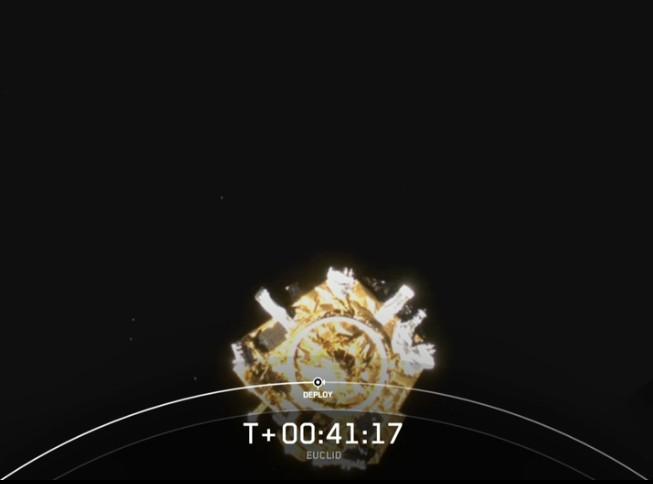
Last image of the Euclid satellite, taken from the 2nd stage camera. Credit: SpaceX

Project introduction Short: DIY #Macross inspired #SimPit in the making for more immersive #Space Pew Pew #Gaming
⚠️ Loud
Music CC BY 4.0 "Piledriver"
by Jason Shaw on https://audionautix.com/
Project website on https://SimPit.dev


The White House on Saturday withdrew its nominee for NASA administrator, Jared Isaacman, abruptly yanking a close ally of Elon Musk from consideration to lead the space agency. https://www.japantimes.co.jp/news/2025/06/01/world/politics/trump-pulls-nasa-musk-nominee/?utm_medium=Social&utm_source=mastodon #worldnews #politics #jaredisaacman #nasa #donaldtrump #space #elonmusk #mars

japantimes.co.jp
Isaacman's removal comes just days after Musk's official departure from the White House.

Towards The Edge... #summer
#sunset #silhouette #watercolor #art #photo #photography #night
https://shop.photo4me.com/1204704
https://t.co/fdnVtYAWsy
#isleofskye #ferry #fish #trees #romantic #interiordecor #wallart #mountain #Scotland
&
https://obt-imaging.pixels.com/featured/silhouette-group-chat-little-people-obt-imaging.html
#Buyintoart #mastoart #interiordesign #style #fashion #tech #reading #space #movies #film #tv #home #giftideas #anniversary #tree #travel #USA #Canada #Scottish

An advert picture featuring a sunset wall art with dark blue reflections on the water of a Highland Loch the trees are silhouetted against the warm glowing sky on the horizon

In these dark times I figured it was worthwhile to write something a little more light and hopeful. I love corny earnestness in #Christianity and so I wanted to share with you all a bit about my favorite examples of Retrofuturism enshrined in the liturgy of the Episcopal Church
https://catecheticconverter.com/space-age-prayer
#Episcopal #Church #Jesus #Retrofuturism #liturgy #worship #space #SpaceTravel #NASA

catecheticconverter.com
I have a confession: I love earnest and even corny religious things. Saints candles, gaudy lenticular reproductions of DaVinci’s The La...

NEW INTRODUCTION! After 3 years, some of my interests pivoted and some are just not on fedi.
I'm a one man company that mostly does 2D computer animation but I also do interactive writing and co-creating the first ever video game completely about larp!
🎨 #2danimation #animation #madeWithSpine #gameart #gamewriting #gamedev #madewithconstruct #inkle
🚀 #space #arduino #opensource #ecology #simpit #spacesim
Updated https://simpit.dev/ - home of the #Space #PewPew #SimPit inspired by a #VF1 Valkyrie cockpit (#Macross)
That's a glorified #DIY joystick controller with an LCD ('MFD') and plenty of #RGB for my #Linux PC
Newest additions are my #XR sheniagans (and some notes on #Breezy and the usage of #IMU data as #headtracker), the games #AceCombat and #XWVM (#XWing / #TIEFighter) and a bunch of videos were updated.
Best viewed WITH an ad-blocker and patience (slow af).


Ring Nebula as seen by JWST Space Telescope
Full size & more info: https://flic.kr/p/2qW1yL1
Credit: NASA/ESA/CSA/STScI/AndreaLuck CC BY
Target: Ring Nebula, NGC6720
Distance: 2,300 light-years
Date: 2022-08-04 / 2022-08-08
Instruments: NIRCam, MIRI
Filters: F770W, F560W, F335M, F300M, F212N, F162M
Colours Assigned: B/W, Red, Orange, Green, Cyan, Blue
PI: Michael Barlow
PI Institution: University College London
Proposal ID: 1558
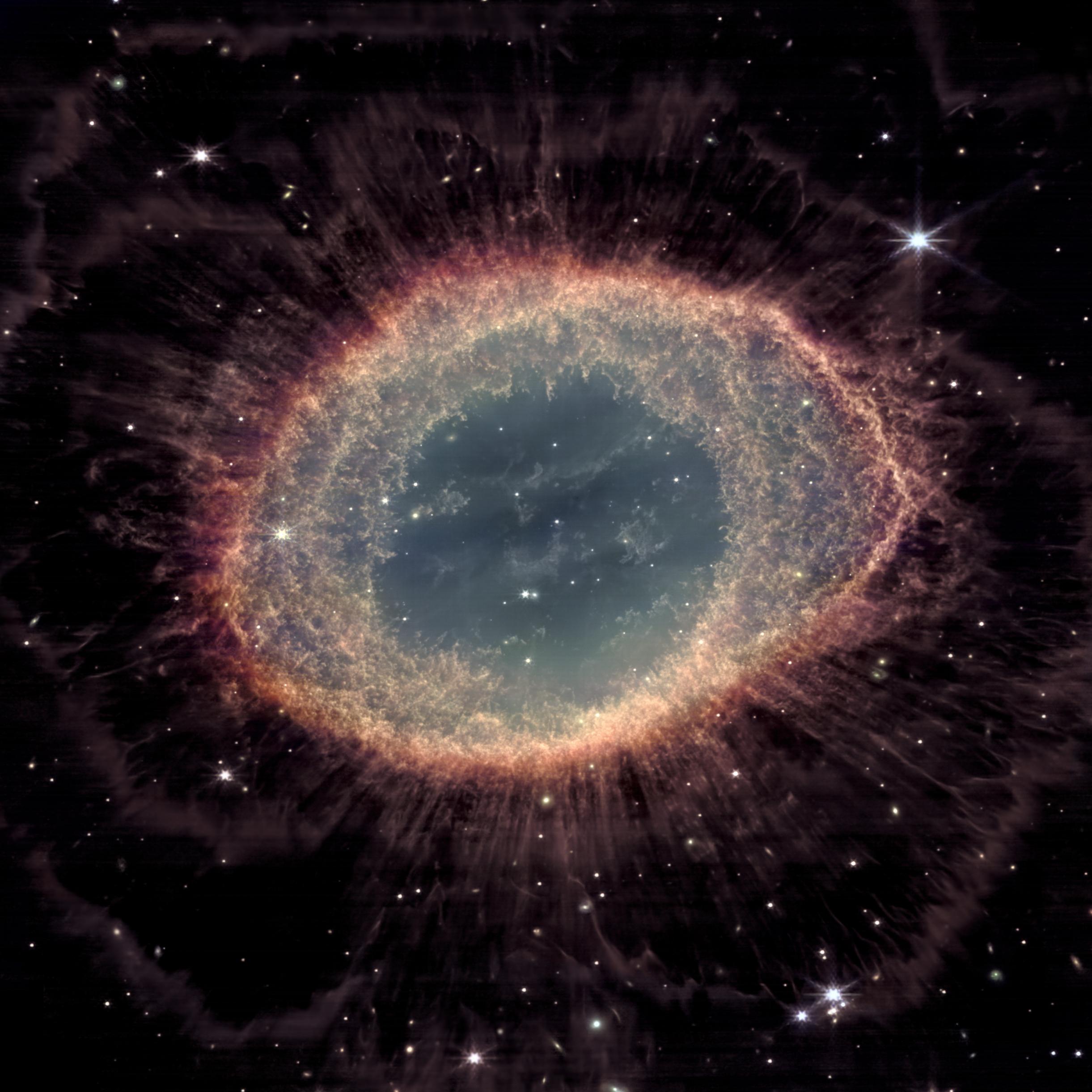
A glowing, circular nebula with a bright, textured outer ring that fades into a dark background filled with stars. The center of the ring is a smooth, teal-blue area with faint, cloudy structures and small bright points. The ring itself appears reddish-orange with intricate filaments extending outward like wispy tendrils. Surrounding the nebula, the dark space is scattered with bright white stars, some with distinct diffraction spikes.
Cat's Eye Nebula NGC 6543 as seen by ESA Euclid Space Telescope
Full size 3K & full info: https://flic.kr/p/2qTiGsj
Credit: ESA/Euclid/EuclidConsortium/NASA/NAOJ/AndreaLuck CC BY
Latest data release available on: https//eas.esac.esa.int/sas
Mission: ESA Euclid
Instruments: VIS and NIS
Product Type: MER Mosaic
Release Q1 R1
Filters: HSC G (Subaru Telescope), VIS, NIR H, NIR J, NIR Y
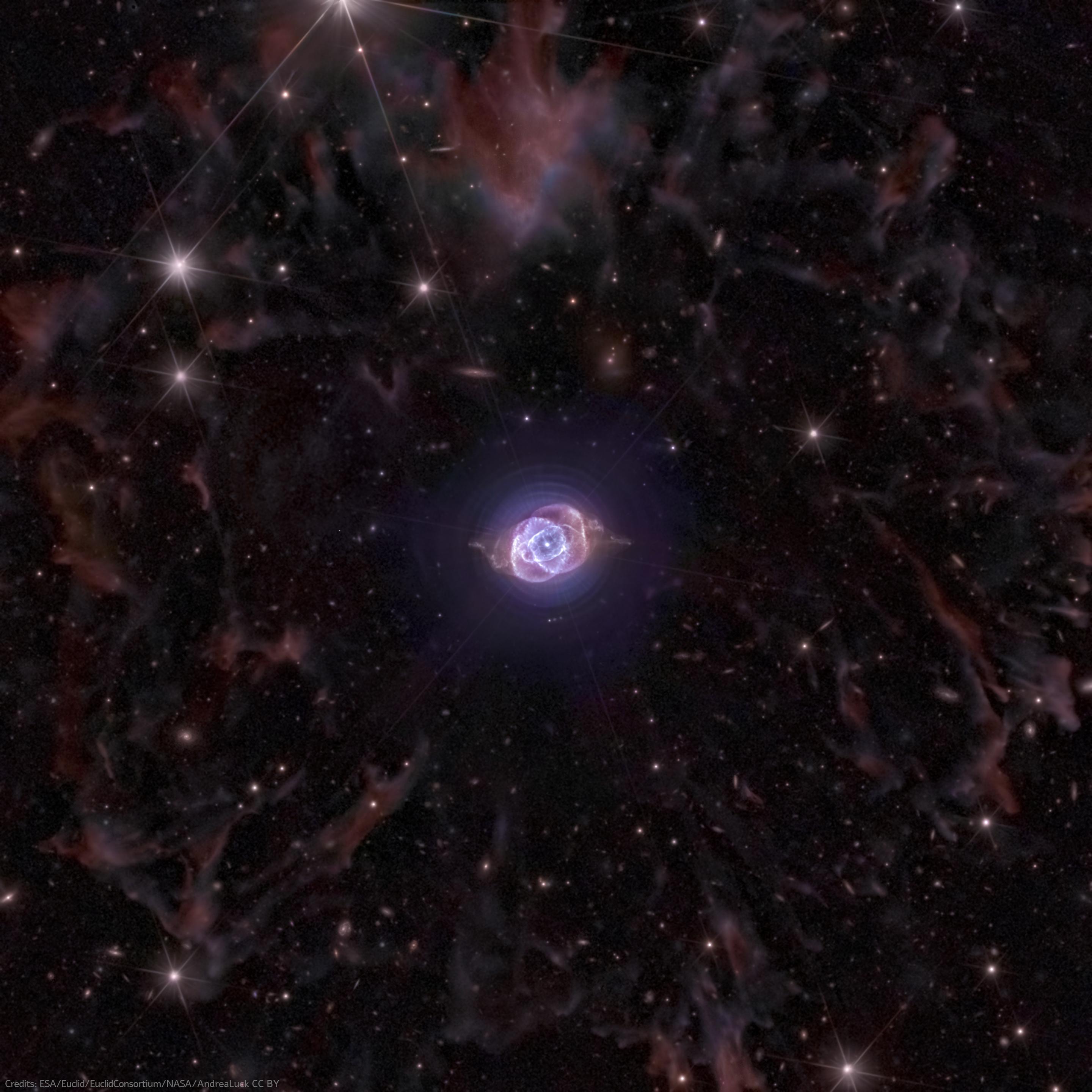
This image presents a stunning deep space view centered on the Cat’s Eye Nebula, with intricate structures and vibrant colors. The nebula itself glows in an ethereal blue and violet hue, surrounded by delicate, symmetrical, and concentric gaseous layers that form its iconic shape. The surrounding space is filled with an intricate web of faint reddish and brownish wisps on the outer region surrounding the nebula. Bright stars with distinct diffraction spikes punctuate the scene, adding depth and contrast to the dark, star speckled background. Numerous galaxies are also visible in the background. The image showcases a great balance between sharp details in the nebula's core and the softer, ghostly tendrils of interstellar gas beyond.
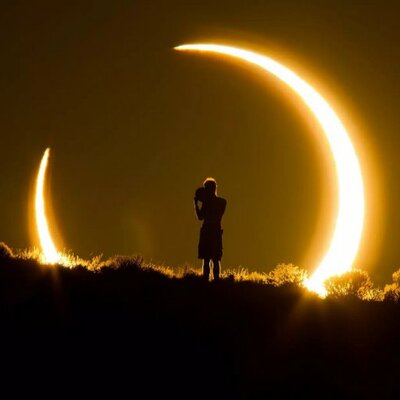

Hi, I am one of those computer touchers, located in #Berlin, in my late 20s, and this is my first time on any social media.
I have lots of interests (yes #ADHD), like #Vegan #Cooking, #Photography (often #Pets), anything #Space, #Gaming and #GameDev, #TTRPG, recently #3DPrinting, trying to do good, the list goes on.
Really enjoying this online space so far, hope to meet and talk to more awesome people on here.
Also some sample pictures I like (with alt-text, of course).
(1/3)
A photo of a sunrise on the beach. The sand itself is visible towards the bottom of the image, quickly replaced by the small waves of a calm see. The sun is only a few degrees above the horizon, and has a long reflection across the water. The sky is a radial gradient around the sun, staring from warm oranges and ending in a dark blue. In the right third of the image, a stone pier can be seen on the line of the horizon.
A (night-time) photo of someone standing on a road, wearing a Pikachu Hoodie while holding a progress pride flag with confident posture, back towards the camera. Quite in the background and out of focus, a police-person (german Polizei) is walking roughly away from the camera, relaxed posture. Next to that police-person, a building is illuminated with the telltale blue light of a police siren. There is lots of colour and contrasts in this picture, but somehow the person standing in the center keeps pulling the focus to themself again. The police was there out of routine with protests in Germany, clearing the roads of for the march. The photo was, of course, taken and published with permission.
A night-time photo of a rearing disco pegasus illuminated with purple lights. Yes, you read/heard right, a disco pegasus. A pegasus (horse with wings), covered in tiny mirrors, like a disco ball. There seems to be a fog machine nearby, because some purple (because of the lights) fog seems to be rising from the ground around the pegasus, giving the whole image a majestic vibe (besides the fact that it is a purple disco pegasus, of course). Otherwise, there are a few trees illuminated in purple in the background as well. And a box of some sort. But mainly: Purple Disco Pegasus.
A photo of Neo, a young black cat, lying on a bed, full mlem (licking his chops). His striking yellow eyes are looking somewhat to the bottom left corner of the frame. In front of him there is a screwdriver with a hex bit, next to him a medium size DLSR (though out of focus). In the background, a scratching post is visible, though very blurry.
Phobos over Mars
Full size 4000x1869: https://flic.kr/p/2qJrbGD
Credit:
Processing: Andrea Luck CC BY
Raw images: ESA/DLR/FUBerlin
ESA Mars Express HRSC
Orbit 3868 2007-01-10
Filter S13 H3868_0000_S13.IMG
Colourised image using data processed from: https://psa.esa.int
B/W original image: https://www.esa.int/ESA_Multimedia/Images/2008/07/Phobos2
My album about Phobos: https://flic.kr/s/aHBqjAvrQL
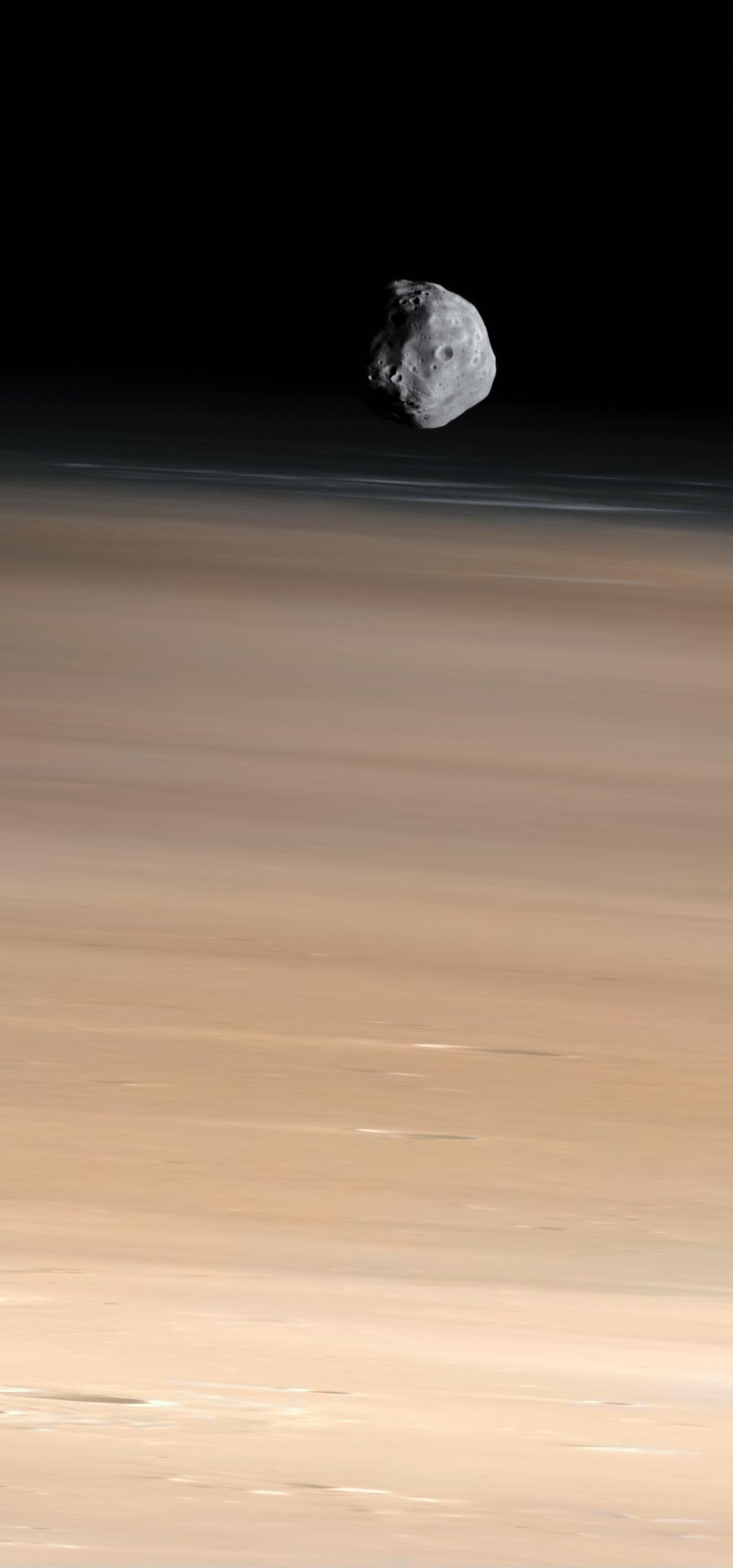
An image taken from orbit shows the potato-shaped satellite Phobos orbiting Mars. The perspective places Phobos very close to the Martian limb, above elongated whitish clouds near the terminator. Phobos appears predominantly grey, while the surface of Mars displays tones ranging from rusty red to darker hues near its terminator. Some craters are visible on the surface of Mars, they should be much larger than Phobos. The camera scanning the satellite causes the view of the Martian surface to appear stretched as it moves by.

New instance, new #introduction
My name is Mike (a.k.a. "shellsharks”) - I am a security researcher, #IndieWeb advocate, all-things #Fediverse convert and all around #tech enthusiast.
I write about #infosec, #technology and #life over at https://shellsharks.com
Here's some other stuff I like... #apple #sports #travel #battlestations #food #starwars #lotr #pokemon #gaming #space #fitness #nba #basketball #hiking #camping #music #coding #programming #cybersecurity
So what's going on with this instance? Is this my "main" presence or am I still on shellsharks.social? Fair question. The answer is, yes! This is a #GoToSocial instance, on a new fun, shiny, vanity domain. If it works out, I might end up moving all my activity over here and shutting down the Mastodon instance I have at shellsharks.social. Until then, I'm operating out of both spaces. This also means that for now, I haven't migrated my followers (or followed accounts) over here, so don't be offended if I haven't followed you back yet! I don't want to knock this fairly low-spec'ed instance over so I'm taking it slow with how I am using it.
Why am I doing this? Well for one main reason really, I wanted an instance where I could post more than 500 characters at a time. GtS gives me that, and much more. Bonus points for A. being less resource intensive than Mastodon (so cheaper to run), B. more customizable and C. I could get an even more ridiculous vanity domain.
So don't be surprised to see a lot more from this account than my usual @shellsharks account. If you'd like, you can follow me here for now. No worries either way.
See y'all around Fedi!

shellsharks.com
Writings on infosec, technology and life

A Celestial Spectacle Captured
Astrophotographer Andrew McCarthy scaled the heights of Mauna Kea, reaching 4,207 meters above sea level, to witness a rare cosmic event: Saturn passing behind the Moon. From this pristine vantage point, he captured a stunning image that showcases the beauty and wonder of the universe.
This incredible photograph brings the cosmos closer to us, inspiring awe and curiosity.

Dust Storm Conditions over Mars ' North Polar Cap
Full size video: https://flic.kr/p/2qtp1Vt
Full 5k Image: https://flic.kr/p/2qto3Uy
ESA Mars Express HRSC
North is approx up left
Orbit: 3670 2006-11-16
Product ID: H3670_0000
Frames:
S24 - 08:36:04
RE4 - 08:36:10
P24 - 08:36:16
ND4 - 08:36:38
P14 - 08:37:01
IR4 - 08:37:07
S14 - 08:37:13
Colors:
RE4+GR4+BL4
Credits:
Processing: AndreaLuck CC BY
Raw Data: ESA/DLR/FUBerlin
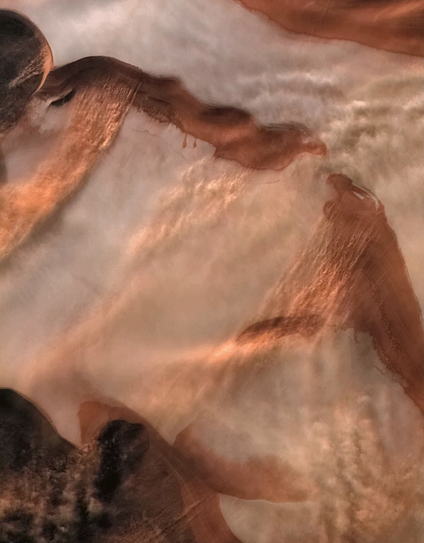
Animation of a dust storm over Mars' north polar cap, showing swirling shades of red, brown, and the white of the polar ice. The dust appears to move southward in filament-shaped clouds.
September overview...
Wake me up when September ends... Or better once a day to answer the prompts
Word Weavers for September 2024:
https://nerdculture.de/@AnnaSaultron/113060993809925265
The pennedpossibilities mega thread divider toot between August 2024 and September 2024:
https://nerdculture.de/@AnnaSaultron/113061039517481906
And as always last but not least the German Phantastik prompts:
https://nerdculture.de/@AnnaSaultron/113061134993272523
#wordweavers #pennedpossibilities #phantastikprompts #September2024 #writing #schreiben #WIP #Scifi #StarRyde #space #weltraum
nerdculture.de
Hier ist der Thread für die Phantastikprompts für September 2024. Den Vormonat findet ihr hier: https://nerdculture.de/@AnnaSaultron/112883855311830538 Und hier der Septemberprompt Sammeltoot für meine Antworten zu allen Prompts an denen ich teilnehme. https://nerdculture.de/@AnnaSaultron/113061260581584523 #phantastikprompts #September2024 #schreiben #SciFi #WIP


Regenerating my #introduction post on the new instance:
My name is Mike (a.k.a. "shellsharks”) - I am a security researcher, #IndieWeb advocate, all-things #Fediverse convert and all around #tech enthusiast.
I write about #infosec, #technology and #life over at https://shellsharks.com
Here's some other stuff I like... #apple #sports #travel #battlestations #food #starwars #lotr #pokemon #gaming #space #fitness #nba #basketball #hiking #camping #music #coding #programming #cybersecurity
🐚🦈🦈🦈
shellsharks.com
Writings on infosec, technology and life

Brief interests resume:
#art #earth #music
#guitar #synths #modular #analog #progrock #ambient
#photography
#science #history #archeology
#space #scifi #sciencefiction #scifiart
#ufos #ovnis #paranormal
#linux #opensource
#MSDOS #DOSGaming #CPM
#retrogaming #retrocomputing #oldcomputers
#BBS #ANSI #ASCII #ansiart #asciiart #retro #vintage
#gaming #videogames #gamedev #indiegamedev #indiedev
#rpg #dnd #mmorpg #rogue #nethack #roguelike
#tetris

THE SIGHTS OF SPACE: A Voyage to Spectacular Alien Worlds
https://www.youtube.com/watch?v=HTHj_pvEYYE
#Space #Documentary #SciFi #AlienWorlds #Planets #Astronomy #Universe #Future #Movie #Epic #HiddenGem #Underrated

youtube.com
Support my work: http://patreon.com/melodysheep. Soundtrack: https://melodysheep.bandcamp.com/album/the-sights-of-space-original-soundtrackIf you could visit...

I just set https://simpit.dev/ live.
Primary Buffer Panel - The #SimulatedCockpit On A #Linux PC For More Immersion In #Space Pew Pew
A glorified #DIY joystick controller with an LCD ('MFD') and plenty of RGB.
Best viewed WITH an ad-blocker (thanks @stefan)
Optimized some stuff. Now with webp, caching and without pointless extra fonts. Reduced the size by almost 50% 😜
Feedback appreciated.
Three monitors form a wall around a box that embeds a fourth monitor, many buttons and switches in various colours are also implemented. Some LED display the status of a spaceship. The computer game that is played with this contraption is Elite Dangerous Odyssey
Discovery alert!
A spherical shell-like structure 1 billion light-years in diameter named Ho’oleilana is discovered in the distribution of relatively nearby galaxies. We posit this is the 1st observation of an individual Baryon Acoustic Oscillation (BAO).
https://doi.org/10.3847/1538-4357/aceaf3
#hooleilana #cosmology #bao #baryon #acoustic #oscillations #astronomy #astrophysics #astrodon #universe #space #science #research #discovery #cosmography #map #maps #superclusters #physics #theory #bigbang #lcdm
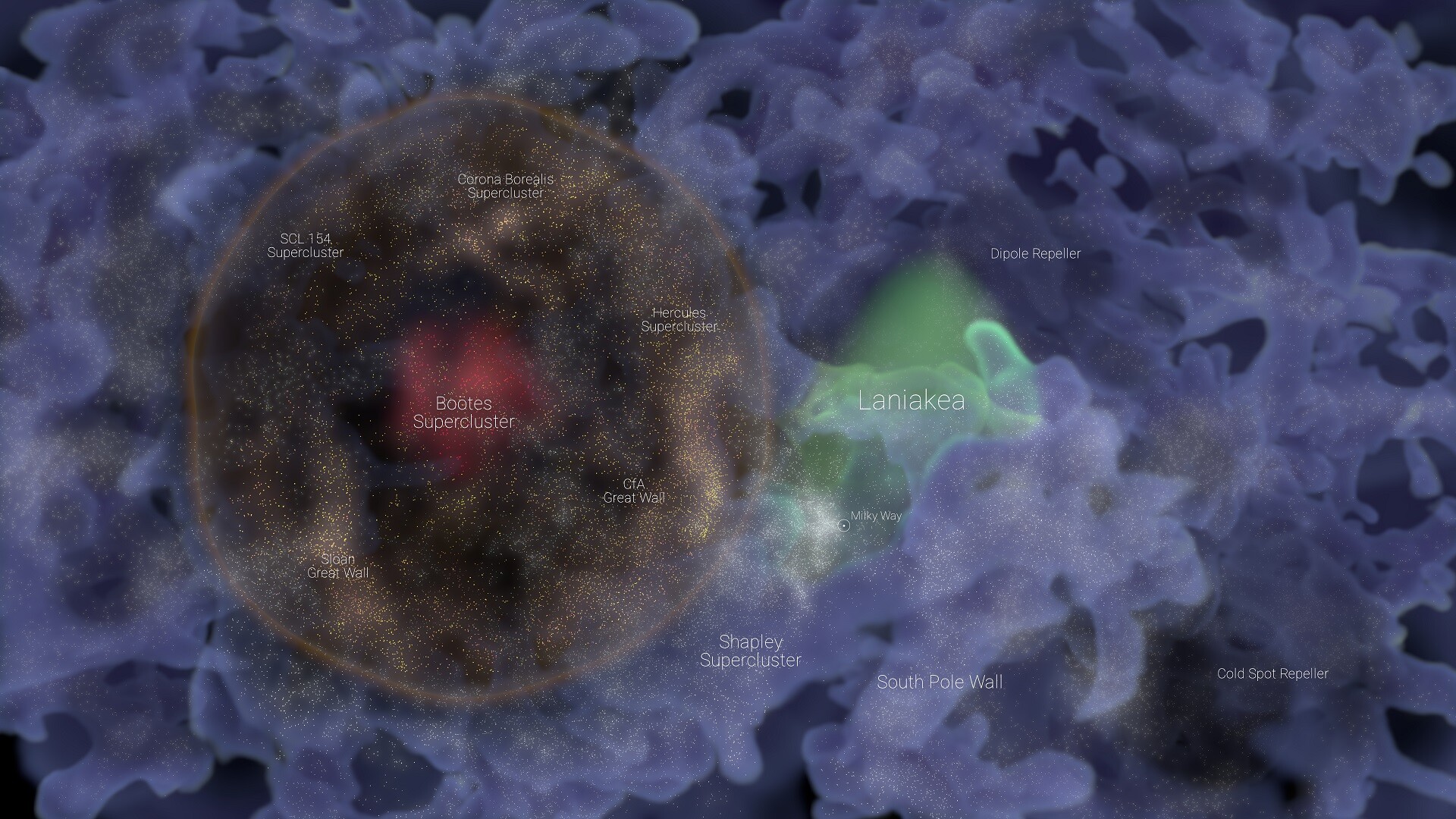
An artist's view of Ho'oleilana. The three-dimensional shell enclosed by the Baryon Acoustic Oscillation is colorized in reddish/orange/brown color and enhanced to capture its content in terms of galaxies and to expose how it is encapsulated in the larger structure of the Cosmic Web. Galaxies are shown as luminous tiny specks. The Cosmic Web is represented as the blueish filamentary maze. This view also exposes the other structures discovered by the Cosmicflows research program: Laniakea our Home supercluster of galaxies; the South Pole Wall, a giant filament of the cosmic web that embraces the sourthernmost frontiers of Laniakea; the Dipole Repeller and the Cold Spot Repeller, two underdense regions presumably associated to two giant cosmic voids. Credits: Frédéric Durillon, Animea Studio; Daniel Pomarède, IRFU, CEA University Paris-Saclay. This work benefited from a government funding by France 2030 (P2I - Graduate School of Physics) under reference ANR-11-IDEX-0003.

2/2
#Cats
#CatsofMastodon
#OneSinglePet <---my running record of my cat that hates me permitting me to pet her lol
#nature
#LGBT
#aromantic
#Asexual
#aroace
#aplatonic
#cooking
#Baking
#castiron
#foodie
Phew. Might add more as I think of it all. Nice to be here!

Localization of the first trip to the North Pole in #KimStanleyRobinson's #RedMars, with a stop at Chasma Boreale, where an Ice Miner was dropped by air at coordinates 41 W, 83 N to extract water for use in Underhill.
The first map is a polar projection showing the trip from Underhill to the North Pole.
The second map is a detail of the approach to the pole, drawn on an #ESA #MarsExpress image processed by @andrealuck , from here: https://mastodon.social/@andrealuck@fosstodon.org/110327396095633780

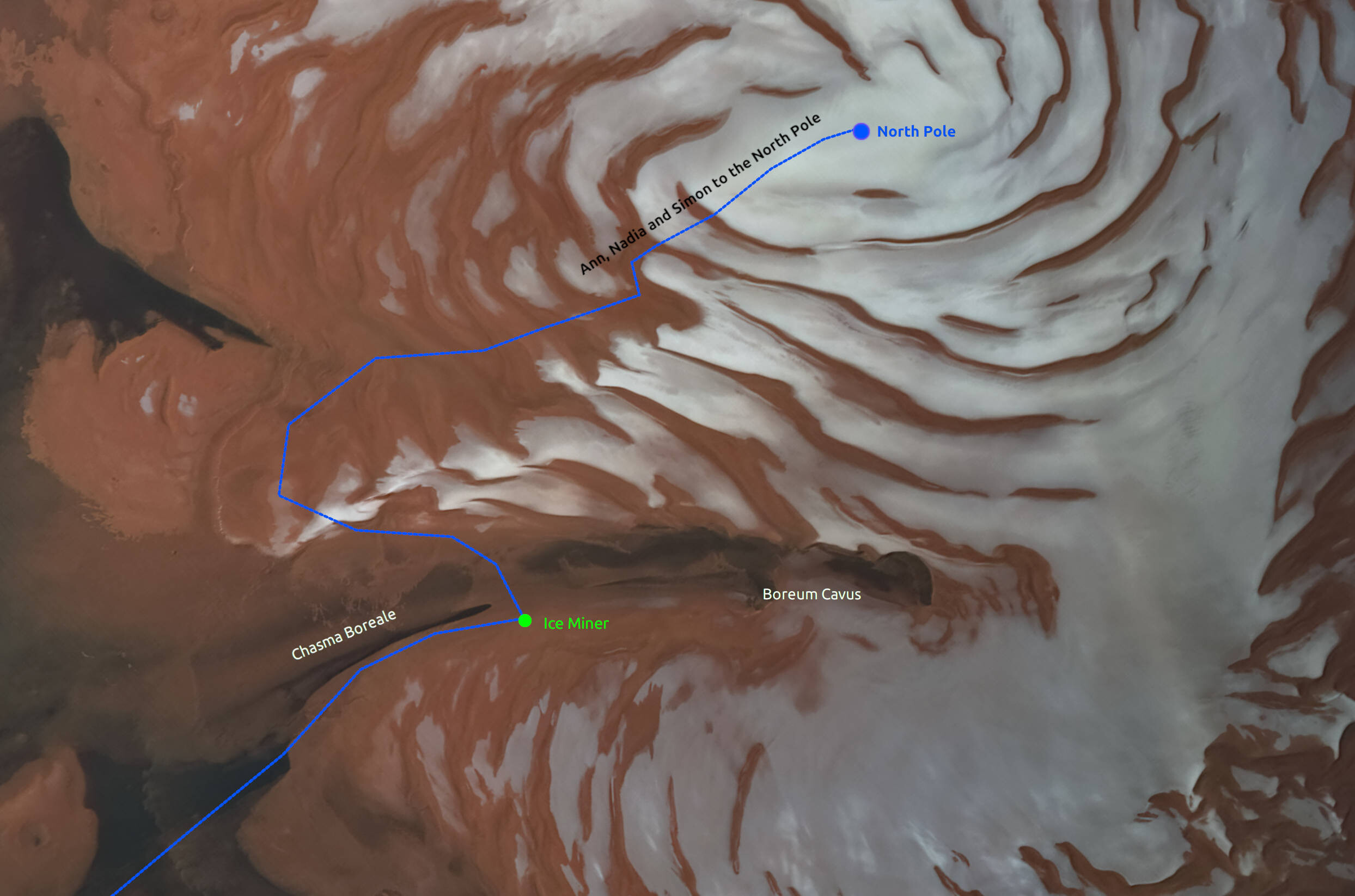
Anyone reading Kim Stanley Robinson's "Mars Trilogy" or any part of it quickly realizes that while the novels are full of technical details, there are very few maps and those that exist are very coarse.
Here are some maps I made while reading the books several years ago, showing cities, places and plot info. The background is a USGS Topographical Map from Wikipedia: https://upload.wikimedia.org/wikipedia/commons/4/48/USGS-PlanetMars-TopographicalMap.png
Corrections and new locations will be posted to this thread.
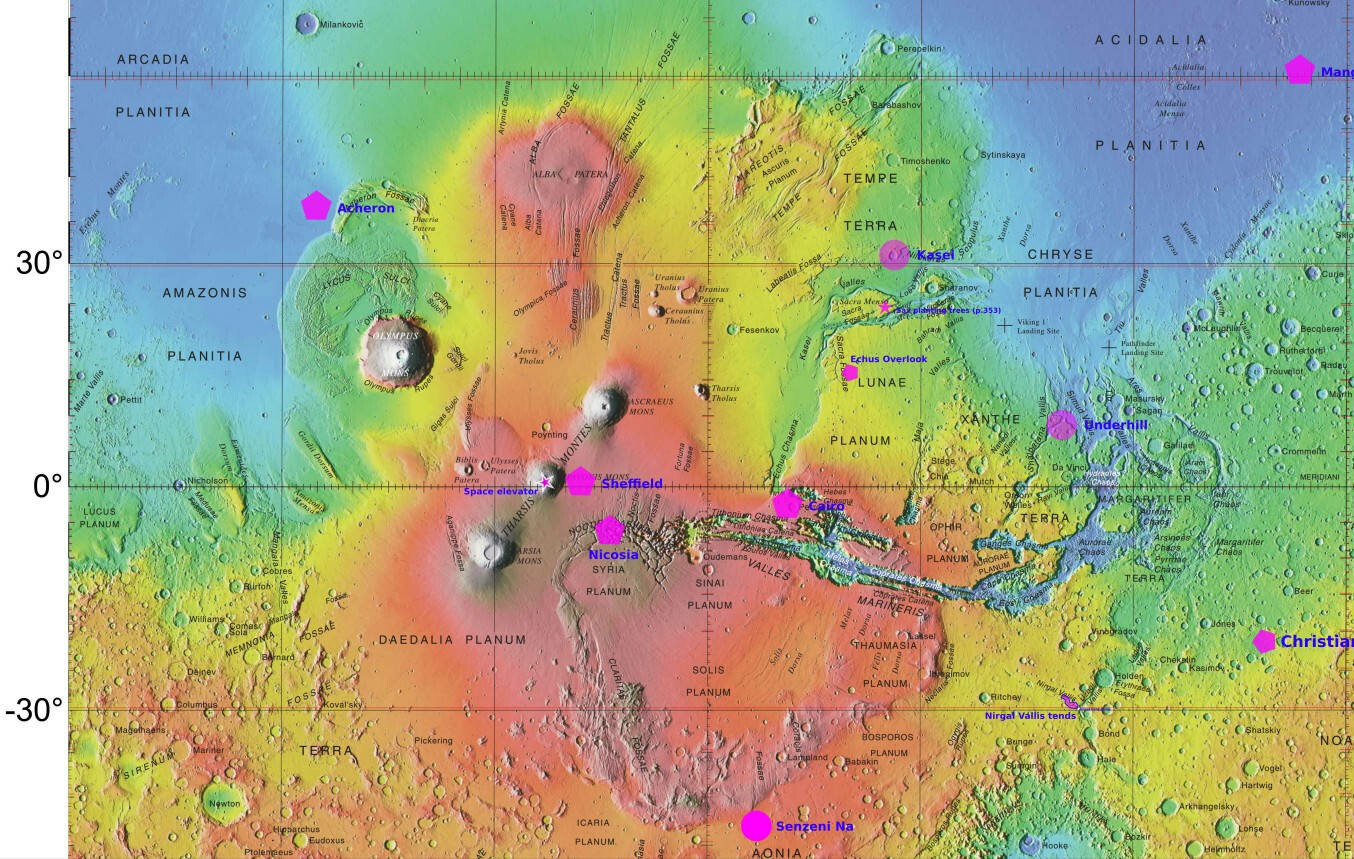
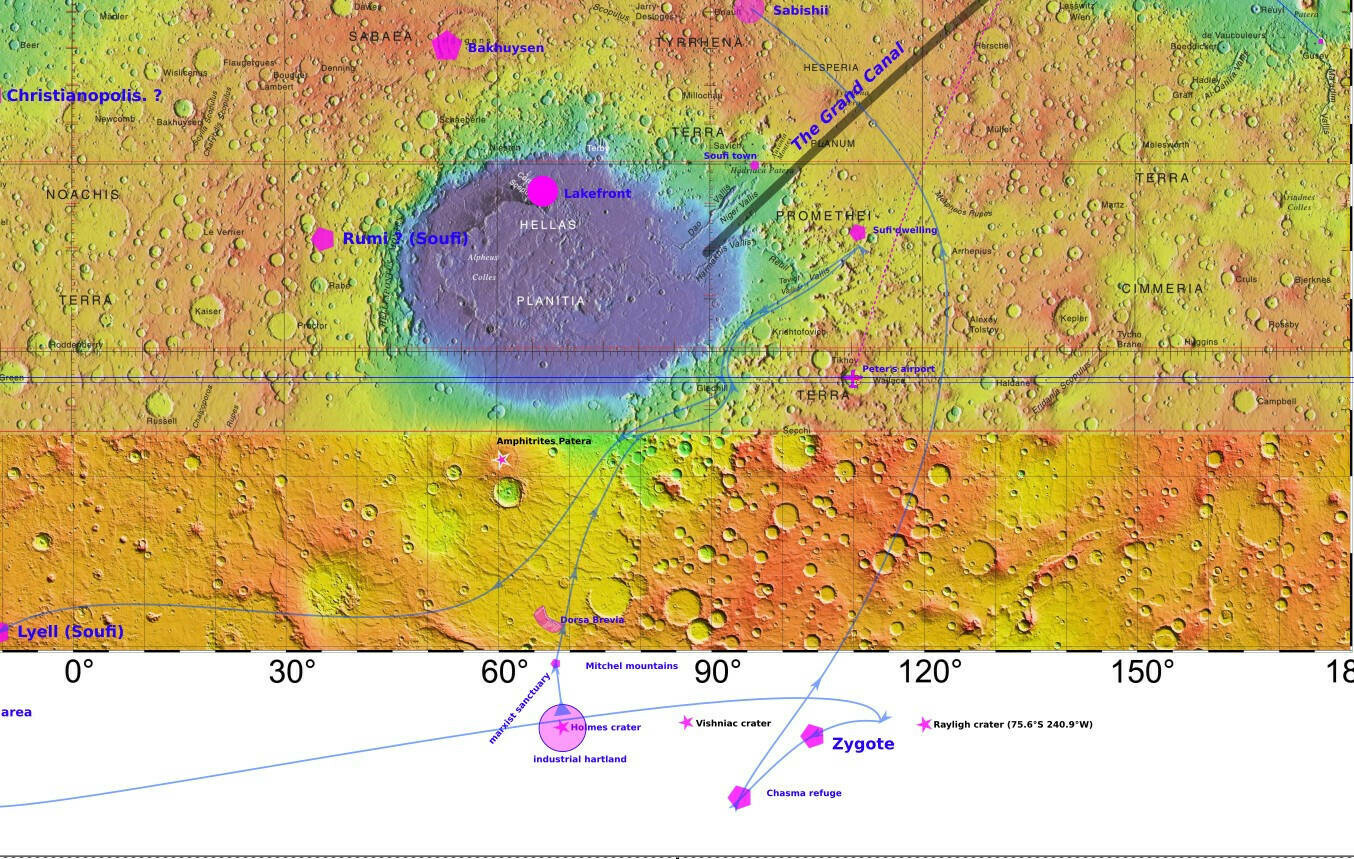
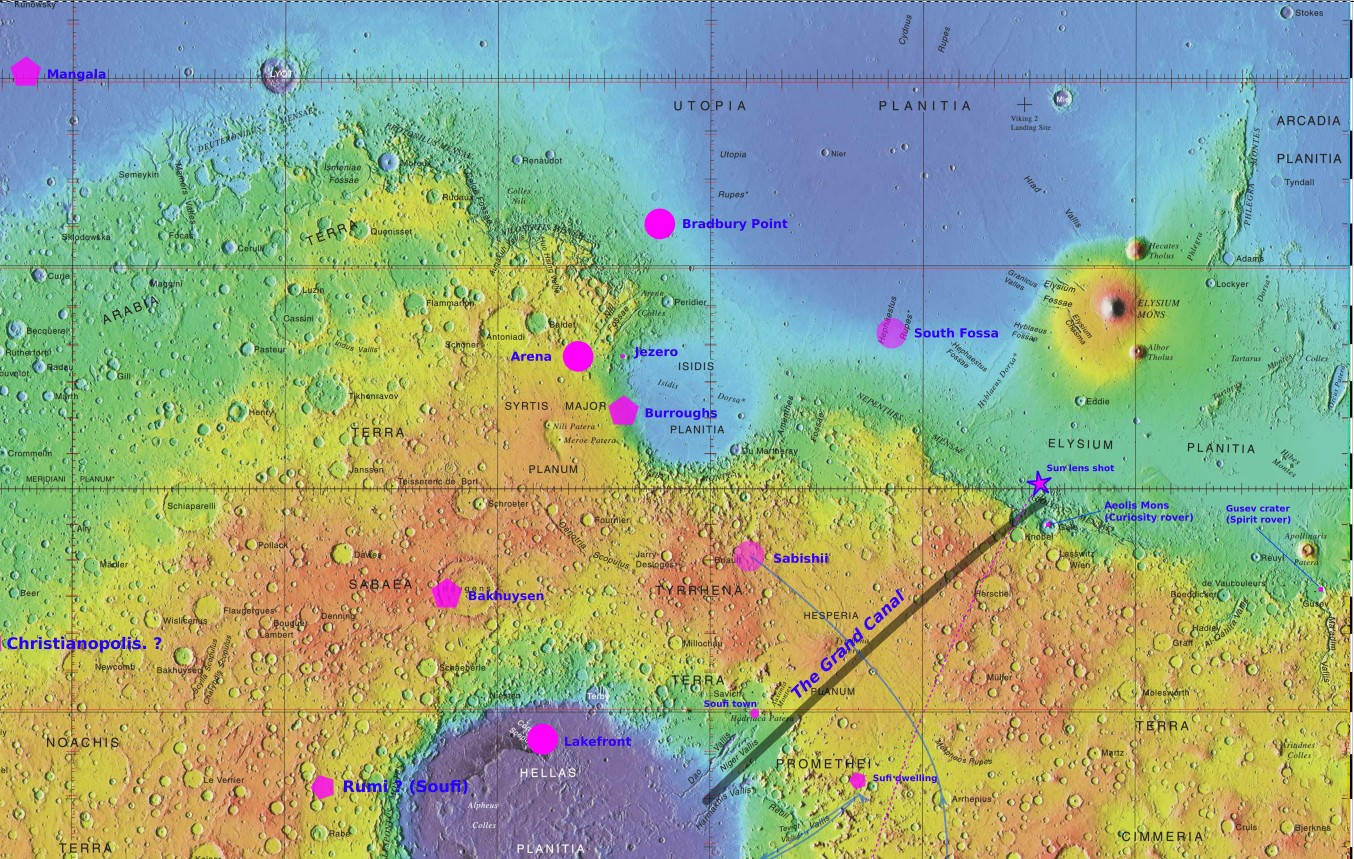
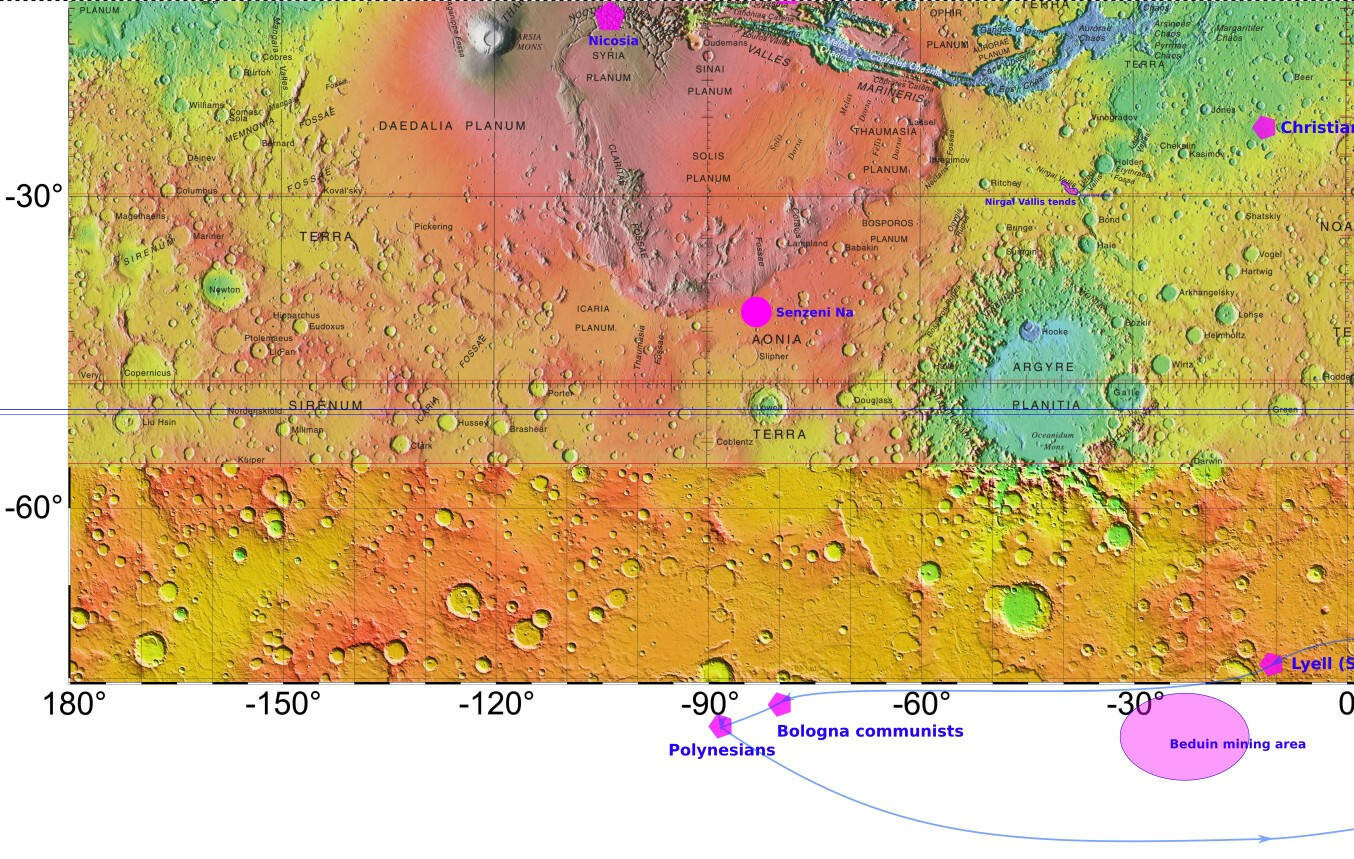

Updated introduction (October 2025, 3rd anniversary):
I’m a #Colorado #gay continuing on my quiet, down-to-earth life journey. I enjoy gardens, plants, flowers, books, games, hikes, bike rides, vegetarian home cooking, taking photos, as well as various queer, science, and geeky stuff.
I joined Mastodon in October 2022, and I am enjoying my time here. Thanks for the fun, kindness, and friendship.
Random interests and #introduction:
#tea #wildflowers #books #fiction #vegetarian #cooking #bicycling #photography #garden #plants #flowers #veggies #chiles #pickling #climate #weather #hiking #walking #sunrise #sunset #science #chocolate #introvert #queer #gayfiction #art #creativity #games #gaymers #mindfulness #quiet #lgbtq #beard #geek #astronomy #space #climatechange #parks #equality #equity
Selfie of a smiling man with a gray mustache and long, gray beard, wearing a purple hoodie and a purple baseball cap, perched on the edge of a rock in a Colorado state park with beautiful rolling hills and mountains covered in dark green pine trees stretching off into the distance behind, with mostly sunny, blue skies above, just a few, wispy cirrus clouds above the hills.

#introduction
I'm Gilberto, I love #photography and love/hate #videography (I find it exhausting but incredibly creative)
I'm learning to play the #ukulele #bass and having a ton of fun with it
I love all things #Art and #Science and will probably post stuff about #space
I make a living with a job in IT, but I'll try to keep the tech stuff to a minimum!
I guess I should do an #Introduction! 👋🏻
Born, raised and living in England, I’m the Design Systems Manager at Sketch where I get to work with some amazing people across the company and get to work with some people I’ve known since the MacThemes days which is brilliant!
I’ve been interested in and involved in #design for the web and applications for a loooong time and it’s something I really enjoy! ✨
Outside of work I enjoy #Reading 📚, #Gaming 🎮, #Space / #Astronomy 🔭 and #Photography 📸.

#introduction updated - I guess I’m no longer a newcomer. I became active here after abandoning the bird place - a very positive change.
I’m a software engineer on the #Orion / #Artemis program so I follow #space & #science topics. Also of interest #photography / #travel / #nature / #environment / #art / #geology / #gardening / #politics.
All photos I post - other than boosts of others - are my own © 2000-2025 Milian Kurten.
These are from a Nov 2022 trip to Big Bend National Park, #Texas.
Santa Elena Canyon, Big Bend NP, Texas, Nov 2022
The Mule Ears, Big Bend NP, Texas, Nov 2022
Ruins of windmill at an abandoned farmstead , Big Bend NP, Texas, Nov 2022

I write at the intersection of #space, #science, #tech, and pop culture (#scifi). I’m the host/writer of PBS’s YouTube show Far Out. I’ve got a book on stargazing coming out in 2023 and co-edited the Arthurian anthology SWORD STONE TABLE.
I have a Wired column where talk about #gaming as a parent. I contribute to #StarTrek dot com and co-host of the podcast Desi Geek Girls.
Other things I talk about: #scicomm #knitting #parenting #starwars #books

#Introduction post: I seek my people! Please help me find them.
- #Software engineer by training and trade (hence techhub.social)
- Progressive, egalitarian Judaism (#mazeldon #jewdiverse #jfed)
- #Puns and #humor
- #Progressive politics, particularly USA
- #Science, #space, amateur astronomy
- Literature, particularly #scifi and #fantasy (in particular writers to follow)
- Cute puppies and silly pet things #dogsofmastodon
- #SeaShanties
Many thanks, new friends!

Time for a re- #introduction!
👋 I'm Olivier Forget (you can call me Oliver), I'm part #Canadian, part #French, and US born. Grew up with a passion for #aviation, and #space. I was an #aerospace engineer for a while then started writing #software for a living.
Currently I'm building #dropserver which aims to give you a little place on the internet where you can easily run your own apps for your personal use.
I love #windsurfing / #wingfoiling. Also #camping, #cycling and #rockclimbing!

My motto: (this is where I lamely realize I don't have a unique motto, I tend to adopt others').
#aspergers #parent #grandparent #veteran #usaf
#ttrpg #dnd #adnd #odnd #osr #traveller #swordswizardry #battletech #mechwarrior
#chainmail #dba #hott #chaoswars #miniatures #painting #modeling #wargames #wargaming
#camping #hunting #bowhunting #fishing #hiking
#marksmanship #shooting #reloading
(Edited over time... this might change!)

Hashtag Interests:
#Science, #PlanetHunting, #JWST, #Physics, #Astonomy, #Space, #Planets,
#StarTrek, #SciFi, #Reading, #AlastairReynolds, #BrianGreene, #LisaRandall
#FlightInstruction, #Aviation, #CFI, #Cessna, #Piper,
#VideoGames, #RetroGames, #ArcadeGames

"To help some of the newcomers make connections: name 5-7 things that interest you but aren't in your profile, as tags so they are searchable. Then boost this post or repeat its instructions so others know to do the same.”
#atx #tx #austin #austintx
#arcade #coinops
#movies #film #cinema
#scifi #starwars #startrek
#space #science
#books #literature
#socialism #equality
#scotland #glasgow

I'm Jason Cranford Teague.
I’ve been a designer for 30+ years, but follow a variety of interests: #Art, #Design, #Typography, #Future, #Space, #Astronomy, #Creativity, #StoryTelling & #Politics.
I like to read, especially #SciFi, #GraphiNovels, #History, #WebDesign, #DesignCulture, #Futurism & many other topics.
I'm the author of "Yuri Was Very Brave", a children's book about #YuriGagarin's historic space flight.
I'm here looking for good discussion & civil debate.
Hi everyone! I've been here a week now and I'm only sad I didn't join sooner, so it's time for an #introduction.
My name's Cam and I'm originally from Washington, DC. Now living in London. I'm an environmental policy expert by trade, I've worked on everything from land #conservation to #RenewableEnergy.
I love #ElectronicMusic, the #environment, #snowboarding, #space, #scifi, #politics, #MechanicalKeyboards, #gaming, #solar, and all sorts of other nerdy things.
Happy to be here! 

#introduction (Part 2) - Yeah, I like #infosec, we all do here at infosec.exchange right? But sometimes I do other stuff… (in no particular order)
#apple #beer #sports #travel #battlestations #food #starwars #lotr #pokemon #gaming #tesla #space #fitness #hiking #camping #backpacking #basketball #technology #music #deathmetal #coding #programming
Appreciate a boost to find others. @ me if you wanna chat shtuff.

#introduction - Hey Mastoverse, I spend a lot of time here as @shellsharks chatting about #infosec but when I’m not doing that here’s some other stuff I’m into.
#apple #beer #sports #travel #battlestations #food #starwars #lotr #pokemon #gaming #tesla #space #fitness #hiking #camping #backpacking #basketball #technology #music #deathmetal #coding #programming
Appreciate a boost for the reach! @ me if you wanna chat shared interests 😎.

Hello Mastodon! The name's Bel. I'm an artist from Belgium and also a law student. Trying this thing out, we'll see how it goes. Have some art samples 😊
#introductions #introduction #art #artist #mastoart #fanart #doctorwho #wildlife #space #phoenix
winter scene starring a little creature made out of twigs and acorns feeding seeds to a blue titbird
watercolour painting of the carina nebula based on a photo taken by the james webb telescope

david tennant as the tenth doctor, just after the ninth doctor's regeneration, with the golden light still glowing around him

painting of a phoenix with its wings spread on a black background
Short #introduction - my area of research is Satellite based communications. Industry-based, not SpaceX.
I also follow space missions and astronomy.
I like to teach and write about -
#science #scicomm
#satellites #communications #InternetProtocols
#space #astronomy
#JWST #Hubble #HST
#mars #PerseveranceRover
#Artemis
#NASA #ESA
#Climate #Democracy #HumanRights

#Reintroduction to all the new and old faces around here.
You're talking to a weirdo #ace artist living in Southern Germany.
I'm in love with traditional #portraiture, weird lifeforms and draw corny pictures of #space stuff.

academic art style pencil portrait of David Tennant as Crowley

Watercolour portrait of a young black woman
cute tiny owl look disappainted at the viewer. Drawn with ink and Whiteout on grungy paper
Jupiter moons Europa and Io in front of a giant smiling Jupiter, looking nervous and intimidated, but explaining "We work well under pressure"

#introduction
Hey, just seeing if I'm sheltering from the storm, or making a new home here.
I'm an nz software engineering student, love being outdoors doing some #mtb or #hiking, fiddling with #homeassistant, playing some #titanfall2, following all things #space, being a bit of a #furry.
Check out my old writings on jaybigguy10.gitlab.io for some niche tech stuff, or just say hi!

I write at the intersection of #space, #science, #tech, and pop culture. I'm in #scicomm. I’m the host/writer of PBS’s YouTube show Far Out. I’ve got a book on stargazing coming out in 2023.
I also have a column at Wired, where I talk about #gaming as a parent (#parenting). I write regularly for StarTrek.com (#StarTrek) and am the co-host of the pop culture podcast Desi Geek Girls. I talk about space, Star Trek, video games, #amwriting, being a parent, knitting, and more!

_ Call trans opt: received. #intro #introduction #neuhier>
Gude & Namaste, I am Milan / मिलन.
29, German/Nepali, wearer of spectacles, and trans*. You may call me Mi or Mimi (she/they/it).
I’m a web & graphic designer and frontend-dev – literally cancelled by capitalism and patriarchy in 2021. Still recovering.
Basically, I’m just kind of a nerd. Most of the time to be found in front of a screen. When I’m not, I’m probably lying in bed. Or travelling in the TARDIS.
I love #design & #typography, computer #games, #music and #space! SPAAAAAACE!
❧

Happy selfie with long hair open and a hairband with a black/white striped bow. Wearing headphones, glasses and a coffee to-go in one hand.

Selfie, looking sideways. Apple tree with ivy in the background and some twigs and blossoms in front of my face. Wearing an orange hoodie dress that says: “Social offline / Network failed”

Selfie, outside, sunny. Wearing headphones. Strands of hair waving in the wind. Shirt is tied up/cropped, says: “Pokhara Nepal” with colorful embroidery of mountains and valley.

Selfie in black and white, kinda crouching, one arm sitting on my leg. Wearing a face mask in black, choker, hair band with flowers on top, a black skirt and my black shirt says “Migrantifa”.

Everything you always wanted to know about meteorites and fossils, but were afraid to ask.
The link below contains a series of articles about meteorites, fossils, and a range of related subjects.
Link - https://galactic-stone.com/learn-about-meteorites/
#meteorite #meteorites #space #astronomy #geology #science #paleontology #GalacticStone #meteorito #meteoriten #meteoryt

galactic-stone.com
A series of articles about meteorites and the art of collecting them.

 Glen Mastodon ☠